SUMMARY
This week, David of FAME Architecture & Design is joined by Andrew Bernheimer, founding principal of Bernheimer Architecture. The two discussed how and why Andrew unionized his firm, what the purpose of unionization is, the structure of a unionized practice, the process of unionization, how long it takes, the process to change the union contract, how unionizing impacts the design process, next steps for Andrew, and more. Enjoy!







ABOUT ANDREW
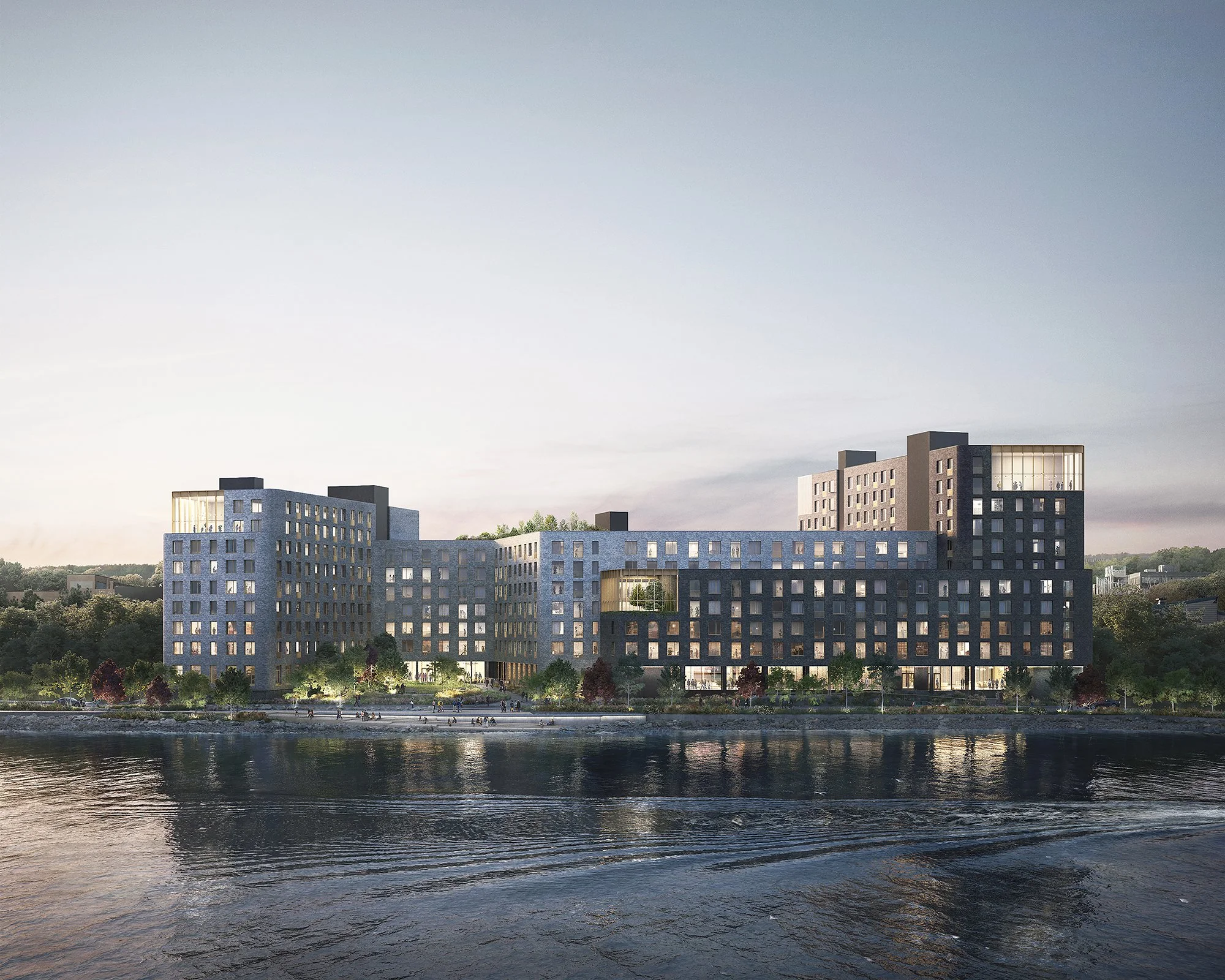
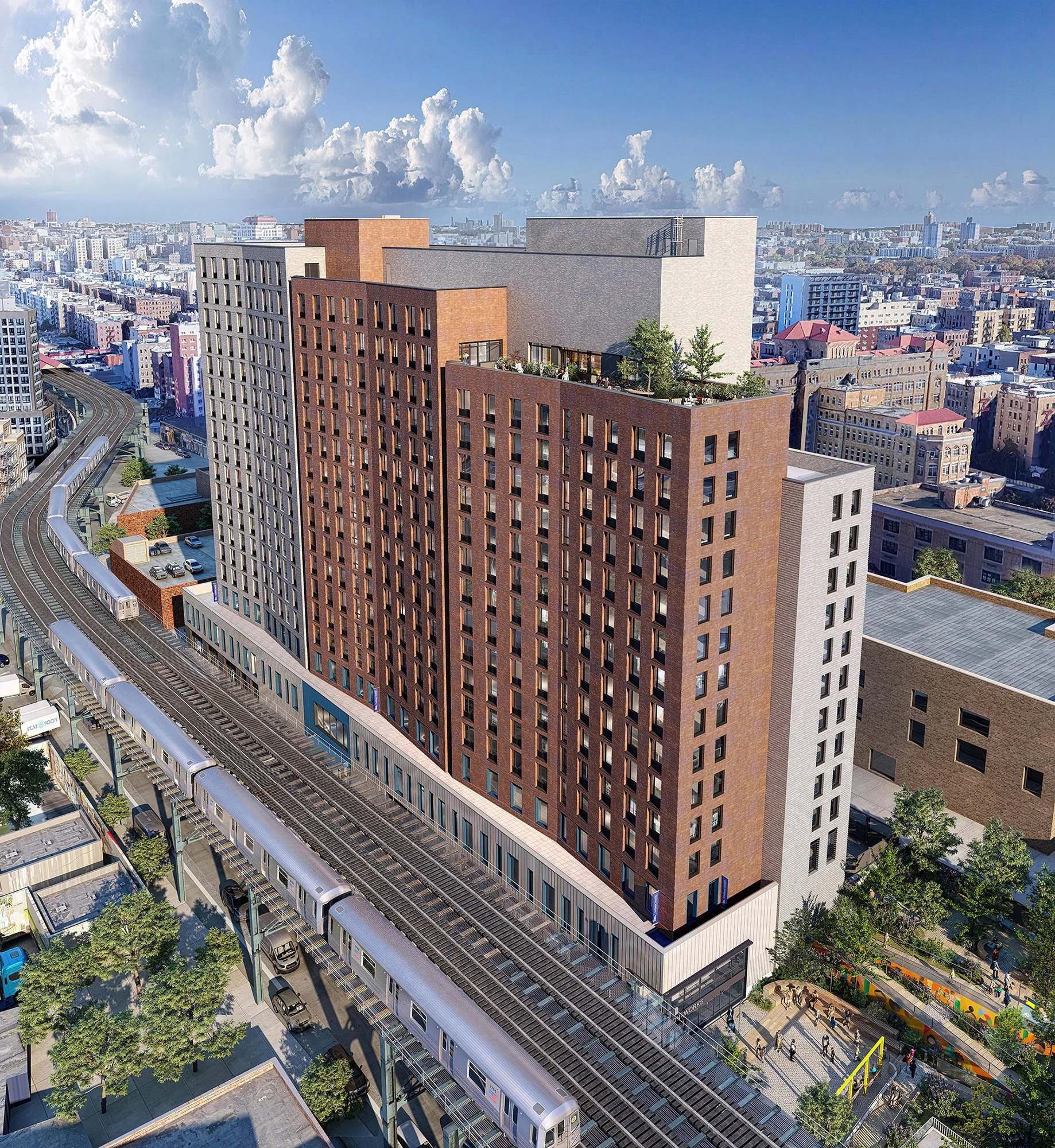
Andrew Bernheimer is a Brooklyn-based architect and Associate Professor of Architecture at the Parsons School of Design. Bernheimer leads an eponymous firm responsible for a wide variety of residential, civic, and commercial projects, including new award-winning multi-unit affordable housing developments across the five boroughs as well as private residences in the northeast region. The studio is also currently the only private architectural firm in the United States with contracted unionized labor.
Bernheimer edited “Timber in the City”, a book featuring innovative practices in wood construction published by ORO Editions and co-edited the collection “Fairy Tale Architecture” (ORO Editions, 2020) with his sister, Kate Bernheimer. In 2018 Bernheimer was elevated to the College of Fellows in the American Institute of Architects. Bernheimer sits on the Executive Board of the Institute for Public Architecture in New York City. In 2023 Bernheimer was awarded the AIANY Chapter’s Medal of Honor.
While Director of the M.Arch program at Parsons (from 2012 – 2016) Bernheimer oversaw a graduate program known for its connections between design and practice and a distinct focus on New York City’s communities and their constructed environments. The program includes a signature design-build studio and cross-disciplinary curricular opportunities with graduate programs in lighting and interior design. He currently teaches in both the graduate and undergraduate architecture sequences.
Previously Bernheimer was a founding partner of the award-winning firm Della Valle Bernheimer.







TIMESTAMPS
(00:00) How Andrew got involved in unionizing.
“Why do people unionize? Under what conditions is unionization beneficial? What can it help alleviate, and what can it strengthen? One of the myths I've had to unlearn is that the only places that unionize are places where things are bad. That's a very common way to interpret the news that a workplace is organizing. People assume those workers must have it terrible and need to fight back. That narrative is understandable, and it's often true, but it's certainly not always true.” (06:41)
(10:03) What is the purpose of unionization?
(21:28) Structure of a unionized practice.
“What does the structure of a practice look like once it has a union? You create a distinction between management and labour. You can see that as a negative division, or you can simply see it as a structure, which is how I think about it. Once you have those two parties, there also needs to be a structure within management. There are definitions of who qualifies as management and who qualifies as a union member. Management can't just be the owner and everyone else. There are layers of management, and those people typically wouldn't be part of the union.” (21:29)
(32:39) Why did Andrew recognize the union?
(34:40) Process of unionization.
“Interest-based bargaining is a way of negotiating and writing a first union contract by first identifying the interests of each party. It's a much more collaborative and connected approach. You begin by laying out everyone's interests. For example, one shared interest might be creating a healthy workplace. From there, you explore what that actually means. One person might say, “I need the fastest computer,” while someone else might say, “I don't want to sit at a desk in an office all day.” Those are different interests that need to be organised and understood. You work through what belongs in the contract, what doesn't, and what you're actually negotiating. It comes back to the idea that you don't sit across the table from each other. You sit around the same table, working through everyone's interests together. Only after those parameters are established do you begin writing the contractual language itself.” (39:59)
(45:51) Are architects better at negotiating union contracts?
(48:20) How long to formalize unionisation?
“As the boss, I could say, 'Here's our new policy. I'm changing the office handbook. We're moving to a four-day, 36-hour workweek.’ That would be a progressive change and great for employees. But without a contract, it doesn't have any real weight. I could change it back tomorrow. I could even terminate someone who didn't like it. Many firms that aren't unionized should absolutely adopt practices like these for the health and well-being of both their employees and the practice itself. But adopting good policies doesn't create security for the workforce. The only thing that provides real security and certainty is the contractual obligation established through a collective bargaining agreement. That's why the union is important.” (57:58)
(59:46) Process to change union contract.
(01:03:57) Union contract impact on studio.
(01:12:39) How unionizing impacts the design process.
“I tell my students, 'If you find this assignment is taking too long just to complete what I've asked at a basic level, tell me so I can adjust it.’ I also tell them I never want them to pull an all-nighter. I can't stop them if they choose to, but I don't want that to be the expectation. I know school is hard, and I can't control what their other teachers assign, so their workload is affected by things outside my control. But for my class, I don't want my assignments to be the reason they're pushed to that point. I want them to communicate with me. My students still occasionally pull all-nighters, but I hope it's rare and that it's because they're choosing to do something beyond what I've asked. I think, combined with what they know about my practice, they understand they're entitled to a healthy working environment.” (01:20:19)
(01:26:42) Next steps for Andrew.