#478 - GARRETT NEAL, Principal Lighting Designer at Neal Lighting
SUMMARY
This week, David and Marina of FAME Architecture & Design are joined by Garrett Neal, principal lighting designer at Neal Lighting. The three discussed Garrett’s early career influence, the evolution of Neal Lighting, working with family, defining lighting design, client presentations, and the process of lighting design. when to engage a designer, common misconceptions, technology advancement & impact on lighting design, scopes and challenges, psychology of lighting design, how to fix poor lighting, the future of lighting technology, and more. Enjoy!









ABOUT GARRETT
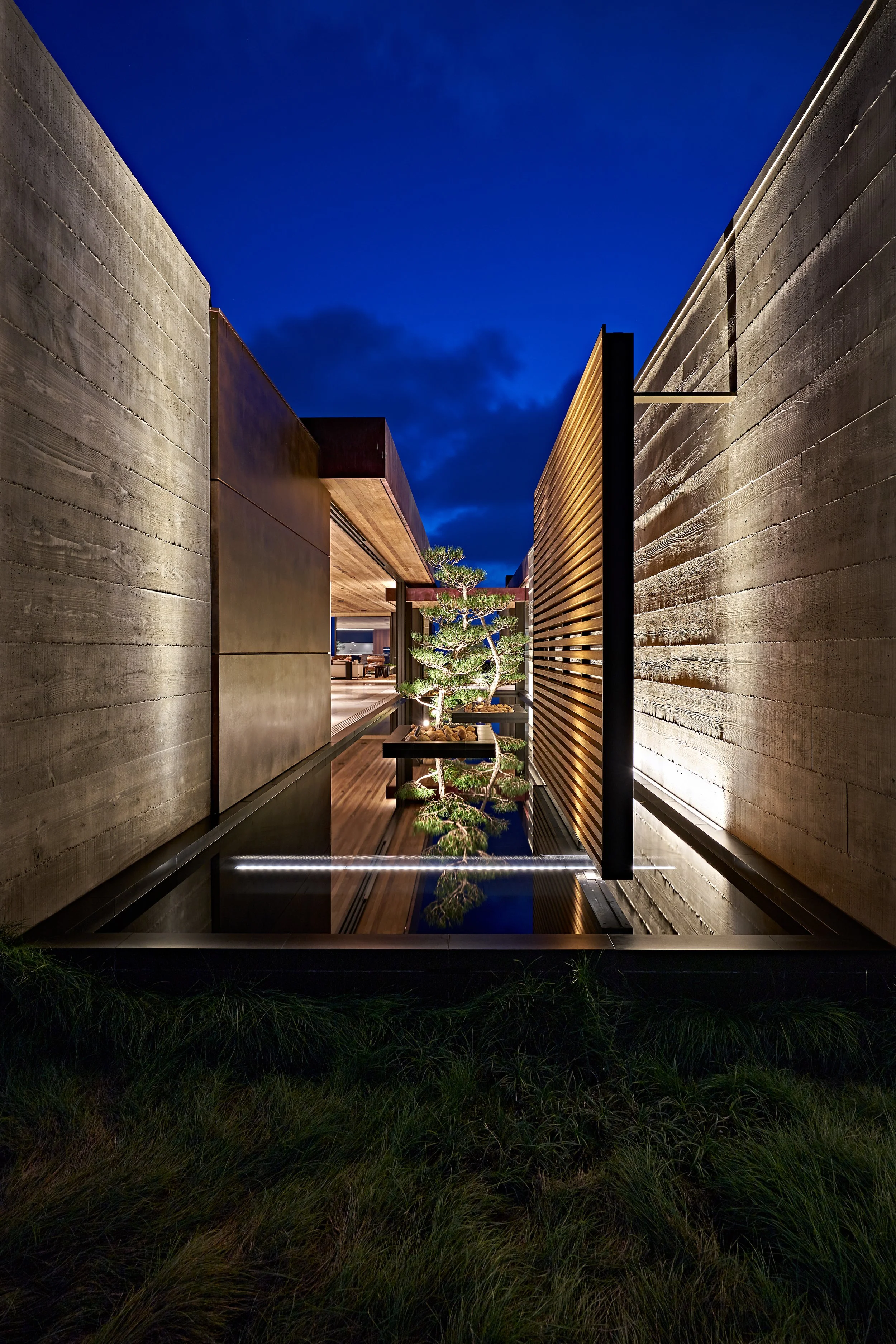
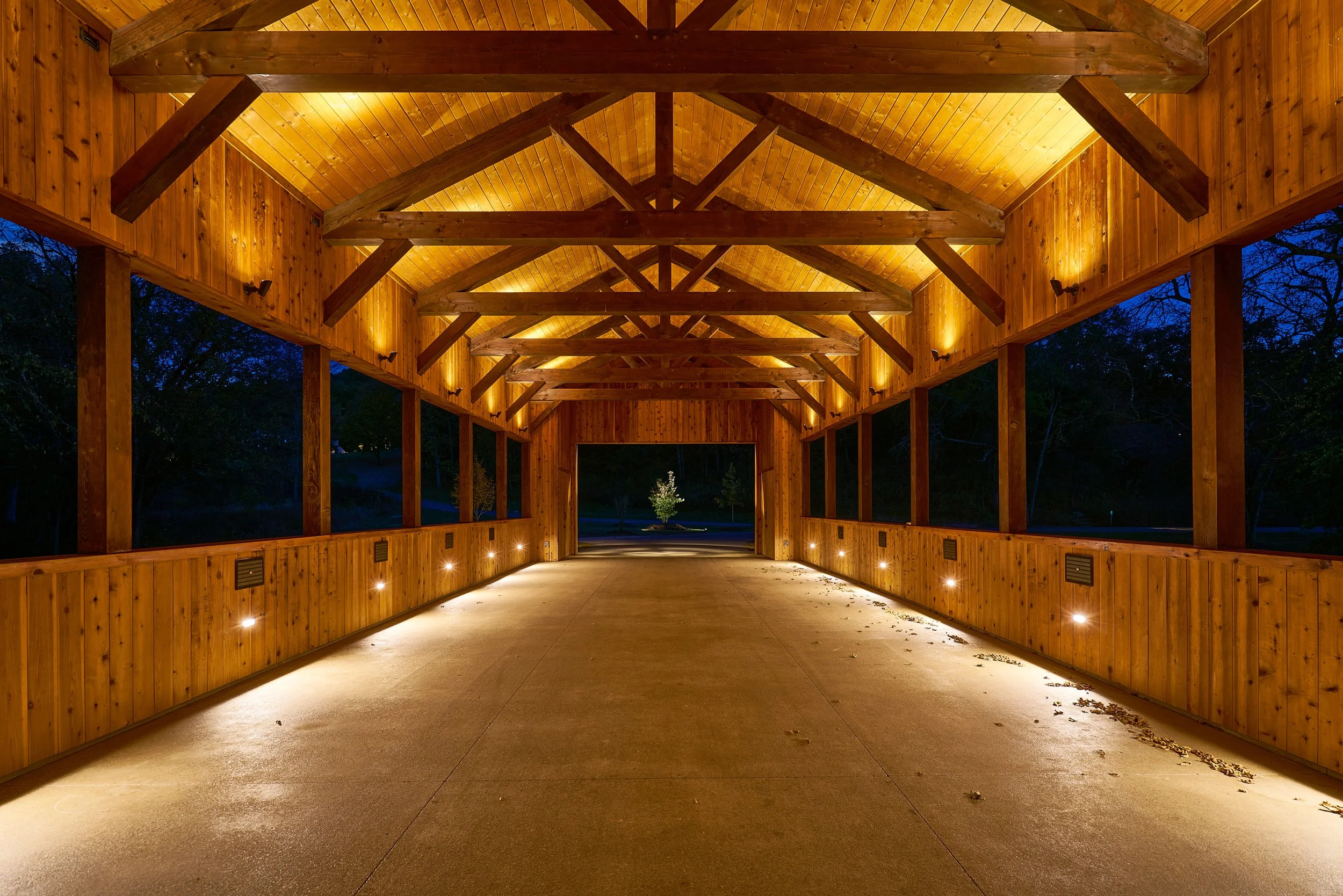
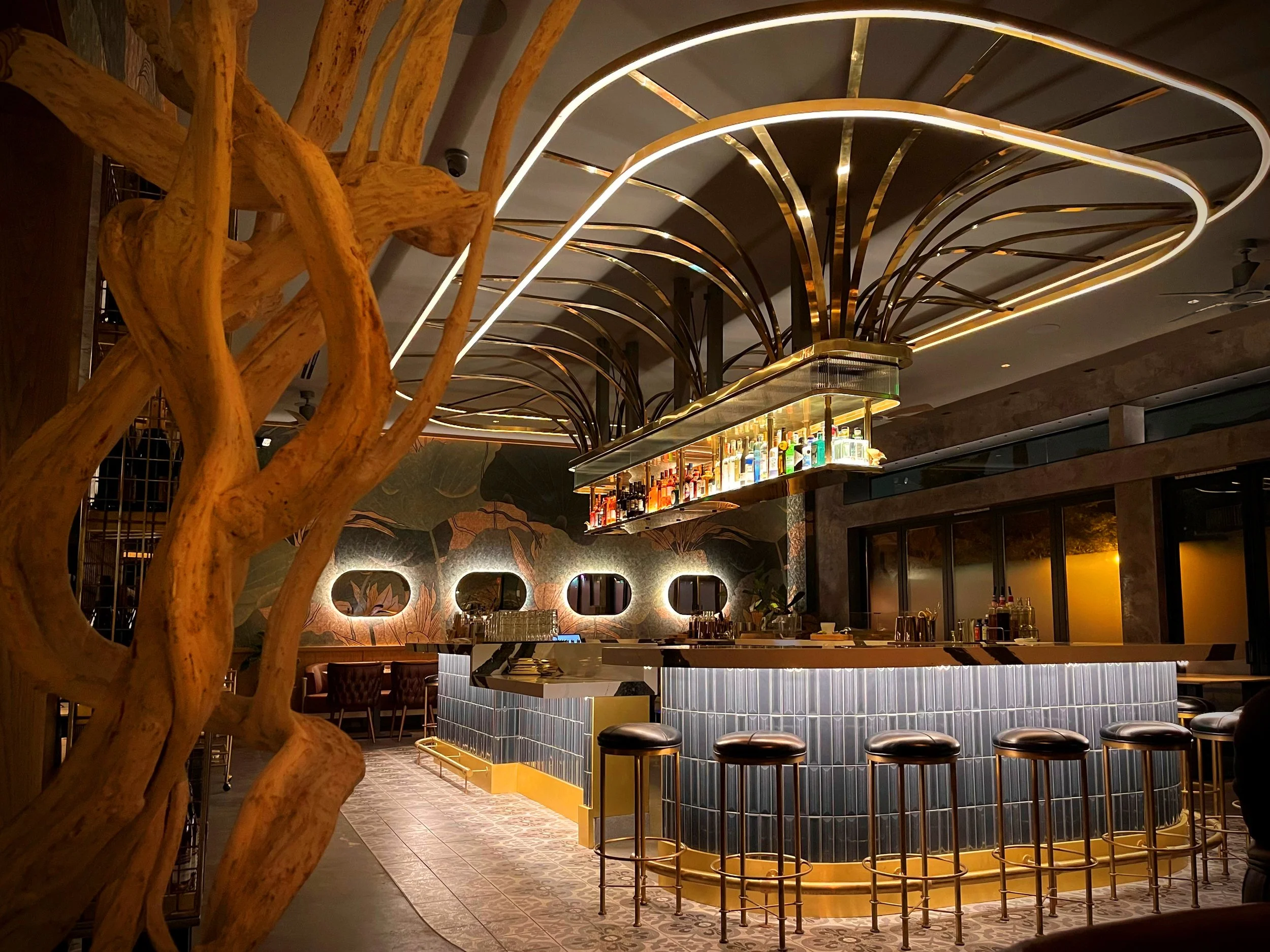
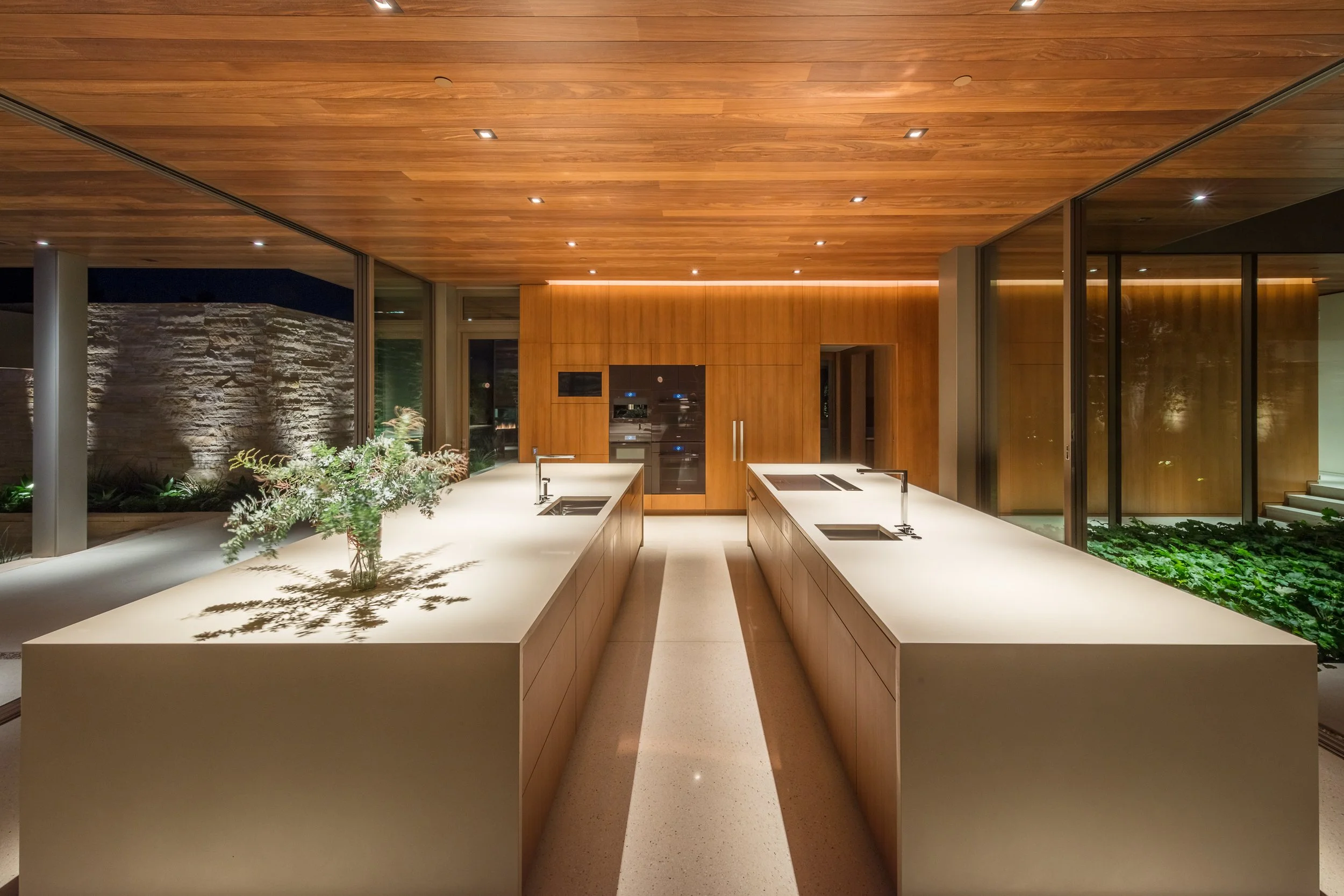
Garrett is the principal lighting designer at NEAL and a second-generation architectural lighting designer. Garrett grew up on his grandfather’s job sites and watched his father design at an early age. He feels fortunate to have been passed down an eye for aesthetics and taught the skills to execute the design of a beautiful space.
Garrett is currently working on a wide range of projects, including large-scale hotels, restaurants, multifamily and luxury residences. He has an aptitude for quickly building relationships with our clients and fellow design team members, and contractors.
Garrett’s passion for architecture, art, music, and culture helps to inspire each project he works on. His clear communication of the lighting design concepts early in the project gives the design team and clients the ability to proceed through each phase confidently.
Garrett is an active member in both the Illuminating Engineers Society of North America (IESNA) and the International Association of Lighting Designers (IALD) and is also (CLD) as a nationally recognized Certified Lighting Designer.


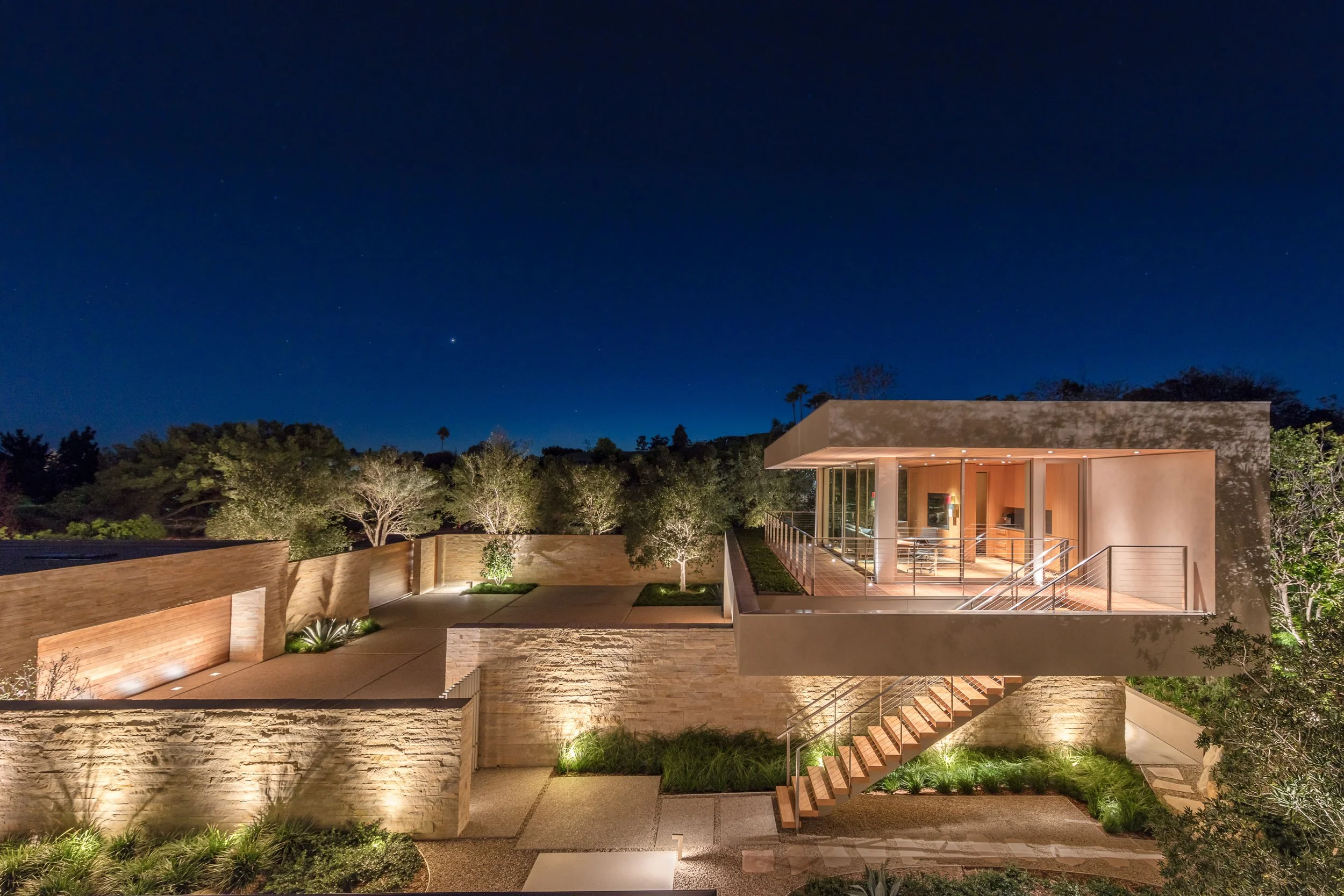

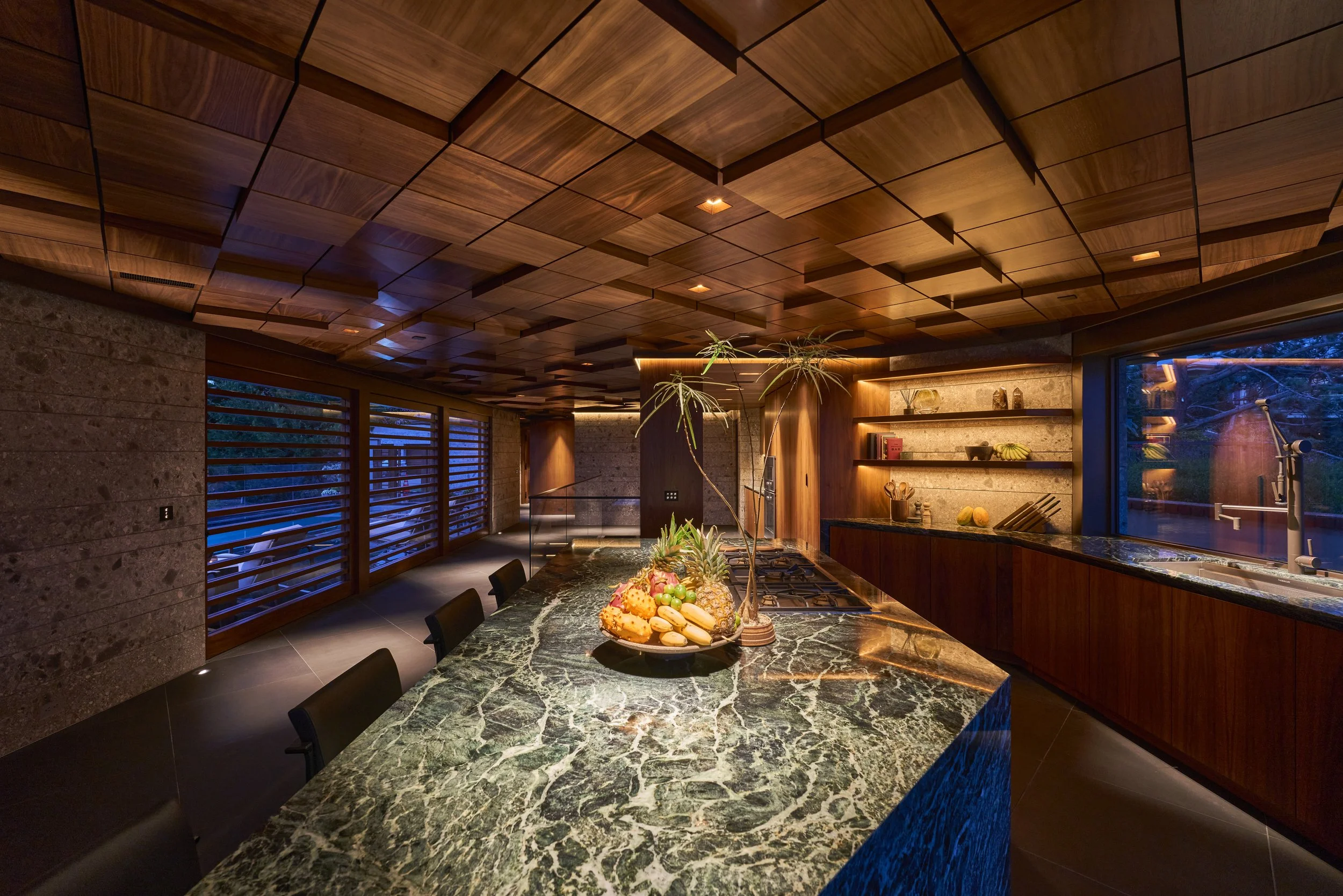
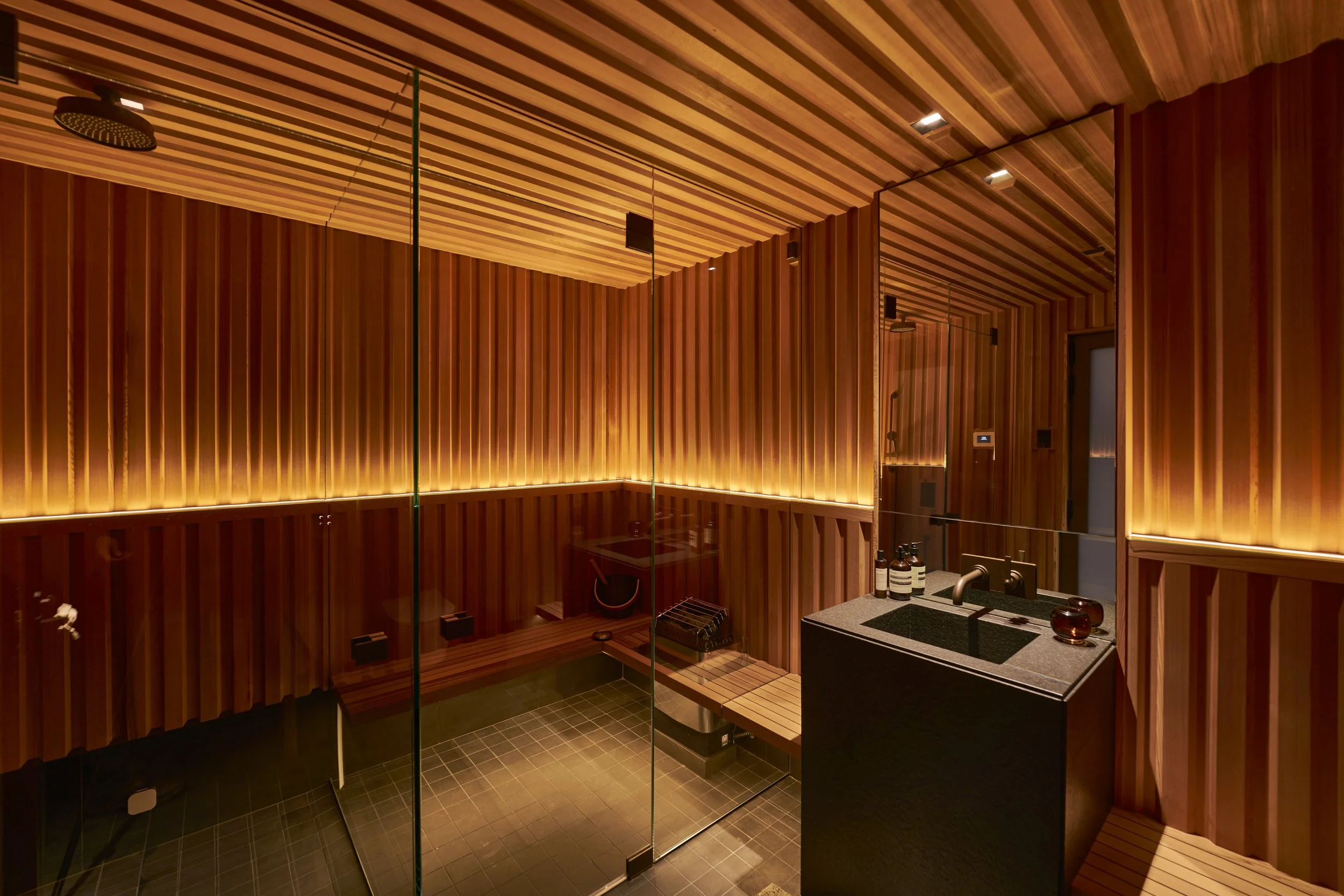
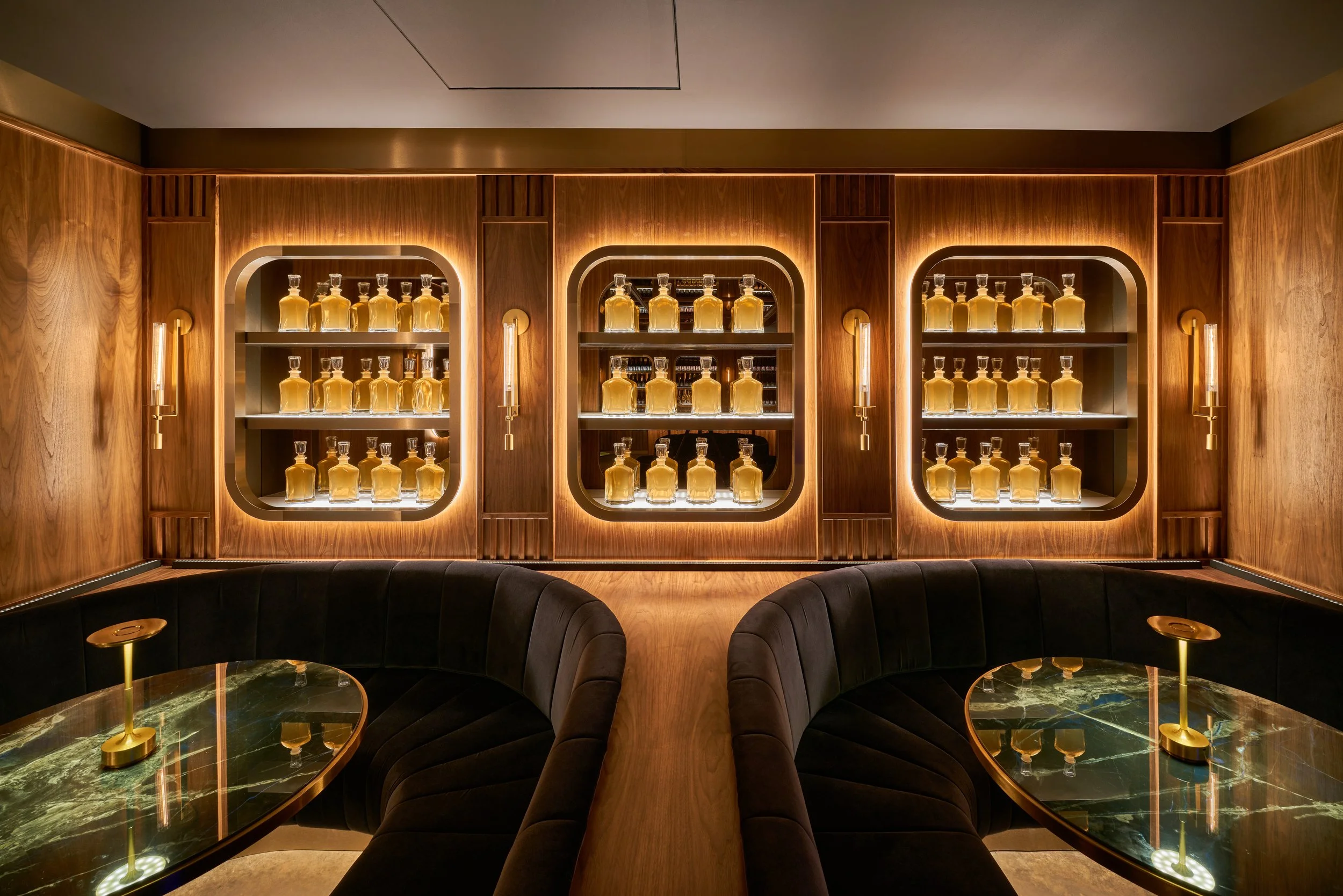
TIMESTAMPS
(00:00) Garrett's early influence.
(06:00) Evolution of Neal Lighting.
(08:04) Working with family.
(12:01) What is lighting design?
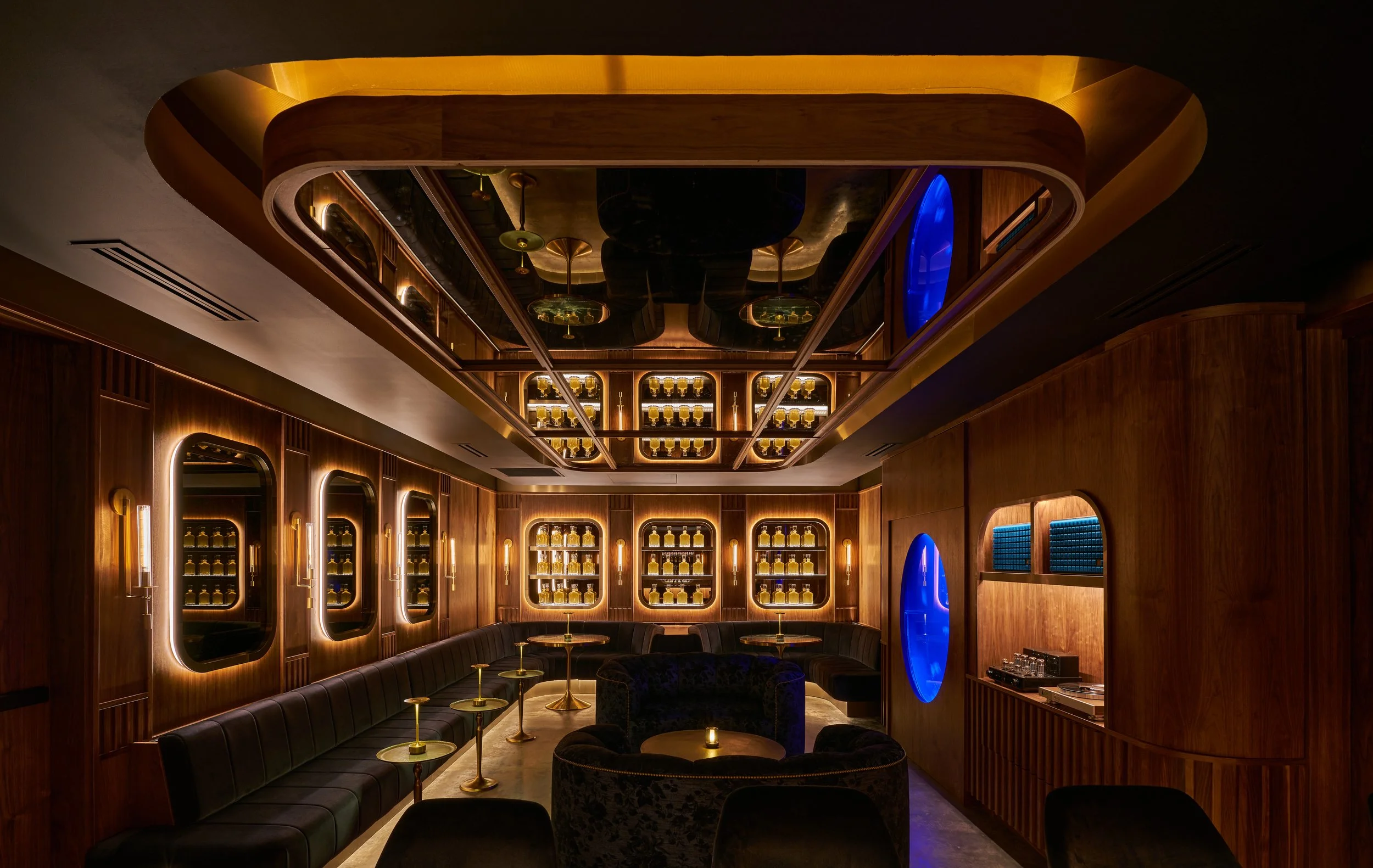
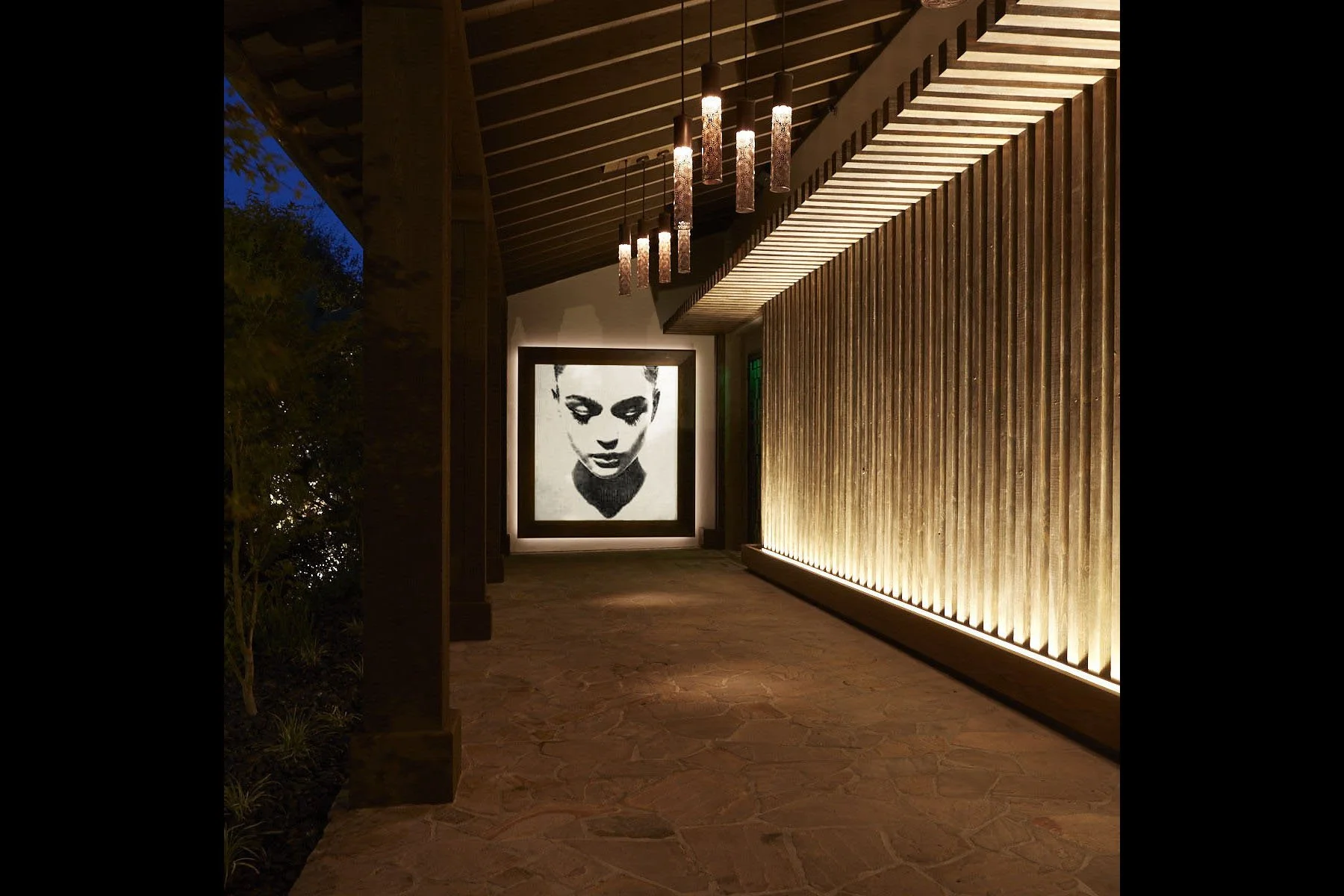
“We [Lighting Designers] design the space for how it should feel and look with the lighting. We work just like an architect or an interior designer does. We're on board from schematic design all the way through to construction administration, and we bring the vibes to the space. We make it feel comfortable and intentional by really understanding the architecture and highlighting the materials.” (12:33)
(19:39) Presenting lighting design to clients.
(23:48) Lighting design process & when to engage a designer.
“[There’s a misconception that] the fancy lighting designer is going to spend way too much money or they’re only going to design with the most expensive stuff. But it doesn't have to be expensive for it to be a successful design. It just has to have a purpose, and it has to be well thought out by the designer.” (31:33)
(32:09) Misconception about lighting design.
(36:40) Adjustments to lighting post delivery.
(41:41) Technology advancement affects lighting design.
(44:24) Lighting design scope & challenges.
(47:30) Use of software in lighting design.
“Lighting programs do not consider the importance of shadow and darkness. They're like, here's how much light you have on the ground, here's what your reflectance is, and here’s what it should be from a candela standpoint. It's a great tool, and it's necessary for certain spaces and project types where we do have to meet minimum criteria in different areas, especially for commercial projects. But in a nice hospitality or a residential space, it's about designing with a gut feeling and experience for the most part.” (50:07)
(53:15) Psychology of lighting.
“When you're out for dinner, and it's transitioning from day to night, if you pay attention, you’ll notice the lights dim at some point and everyone will kind of relax. Even if it's just decent lighting, they will sense the shift, and it has an immediate psychological impact. These 100 people in one space all feel the same thing at the same time, and it just completely changes the vibe. It’s like, “Oh, okay, now I can have the second glass of wine.” (54:17)
(55:26) Simple ways to fix poor lighting.
“It's easier to do it right the first time than to go back and try to do a little rehab on the space. It's often more costly too, and is always harder to get just right. So, it’s super important to get it right from the beginning. But I don't think it takes a lot more than somebody who knows what they're doing to make recommendations on how to improve the space with the budget provided. There's definitely always something that can be improved in that regard. A lot of times, it’s about removing things because there’s too much light. I feel like most spaces are overlit, so it's just about taking some lights out or switching them to another type of light.” (56:07)
(58:44) Project type that Garrett would like to do.
(01:02:42) Challenge of lighting interior vs exterior spaces.
(01:06:32) Future of lighting technology.