#480 - OMAR GANDHI, Founder and Principal of Omar Gandhi Architects
SUMMARY
This week, David and Marina of FAME Architecture & Design are joined by Omar Gandhi, founder and principal of Omar Gandhi Architects. The three discussed Omar’s background and education, the architect stereotype, the influence of office location on his architecture practice, establishing his own practice, modern vs traditional architecture, finding the right clients, project variety and firm size, design competitions, the importance of having architects on CA, the office’s structure and design process, and more. Enjoy!








ABOUT OMAR
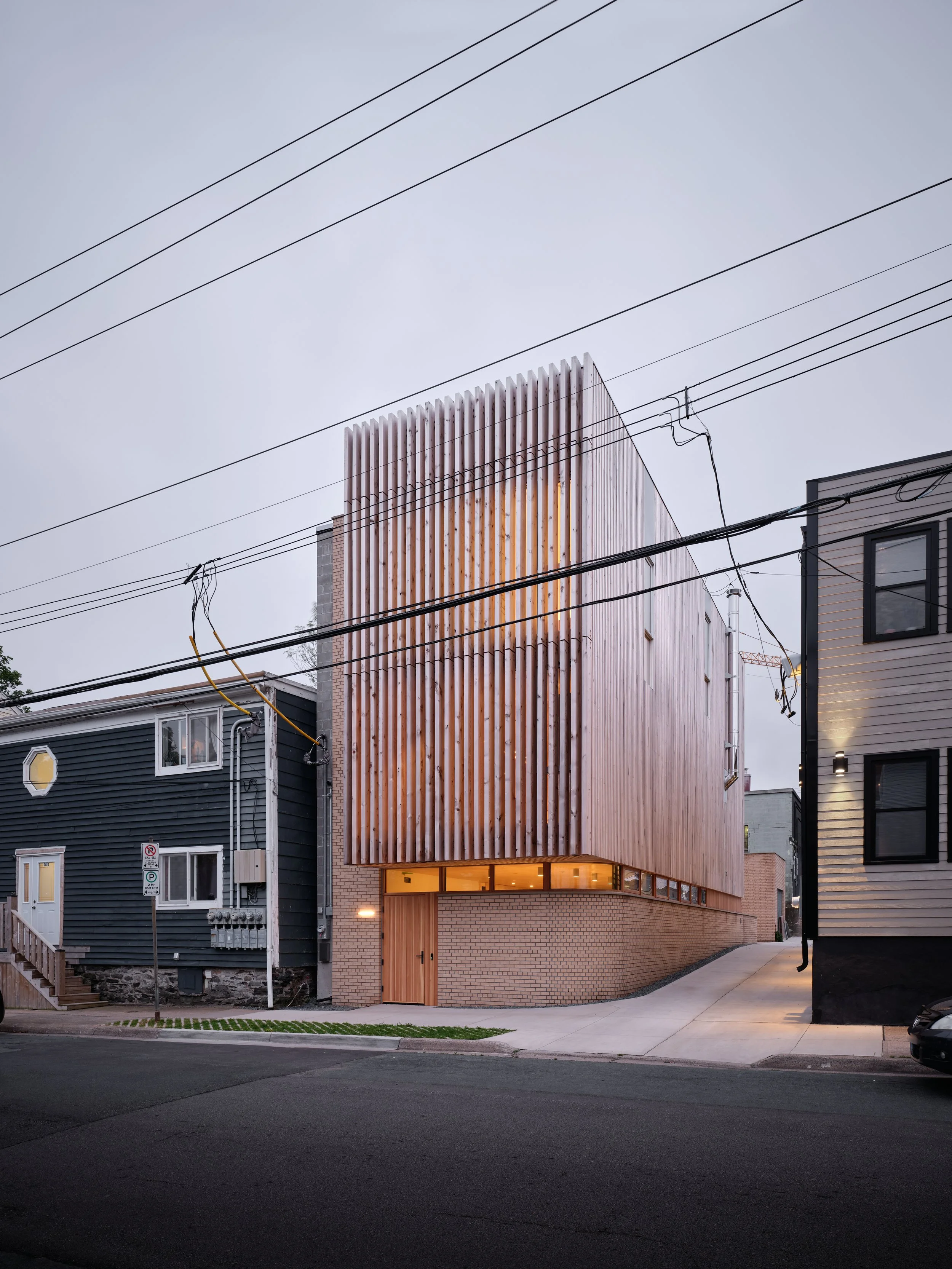
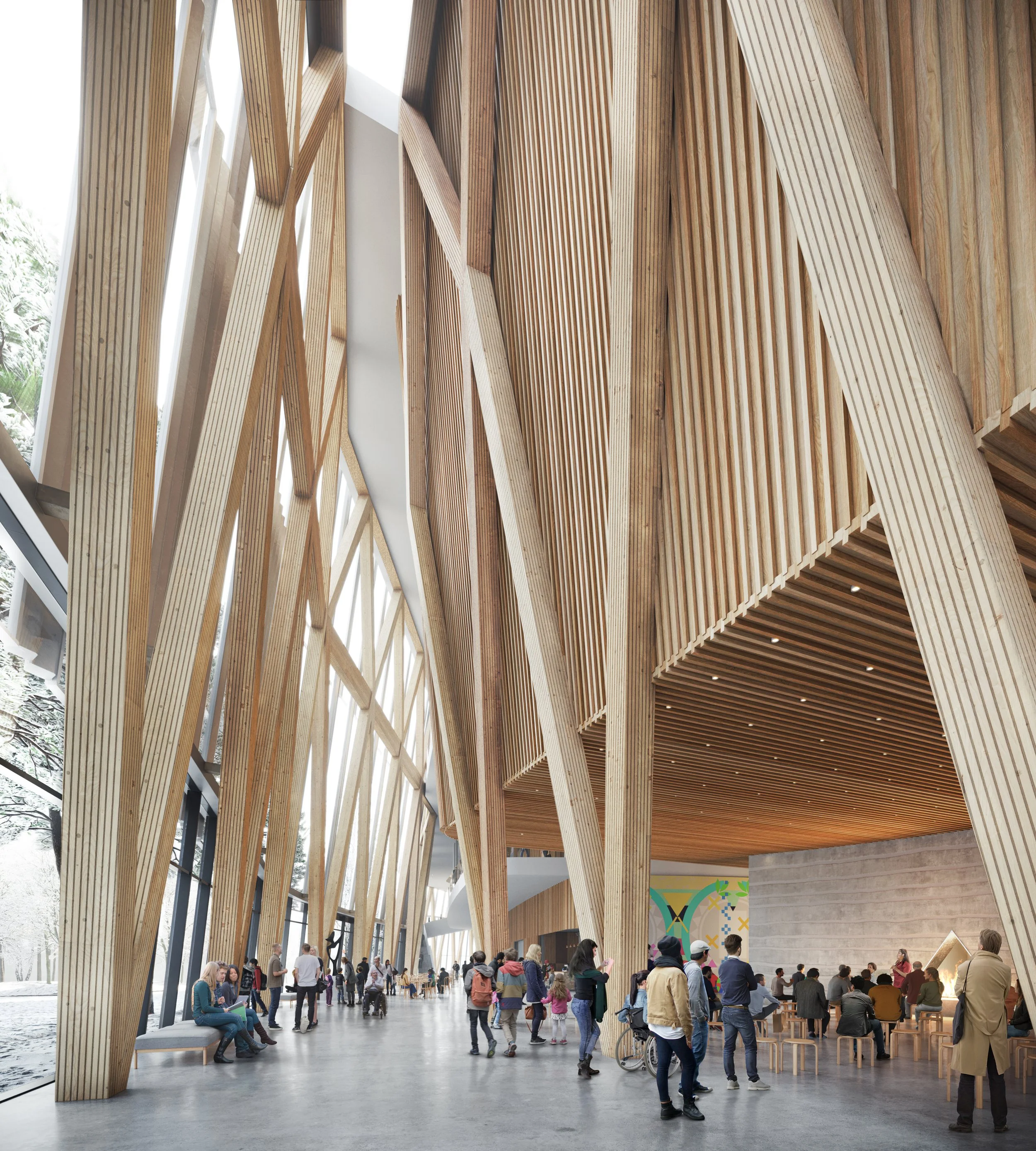
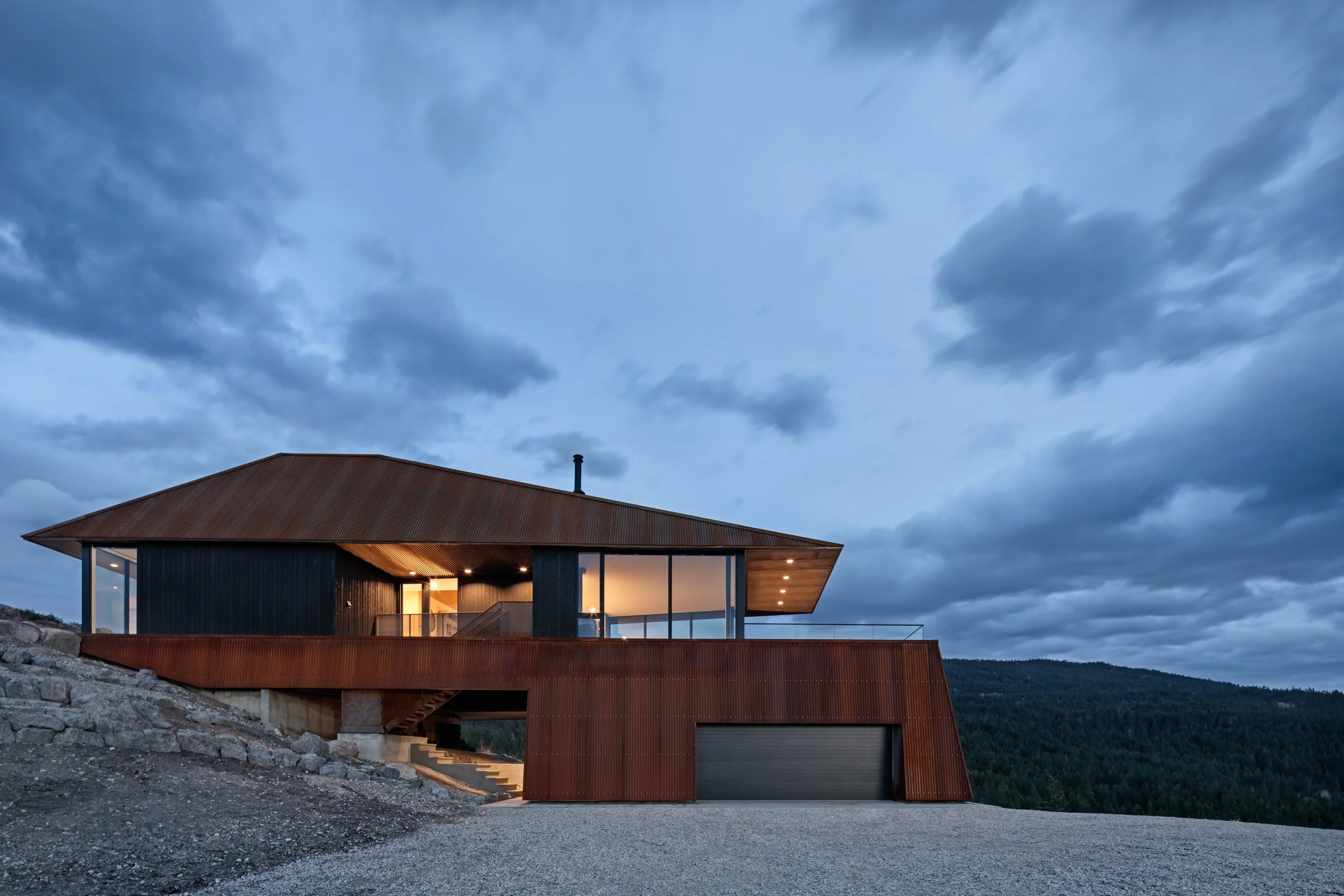
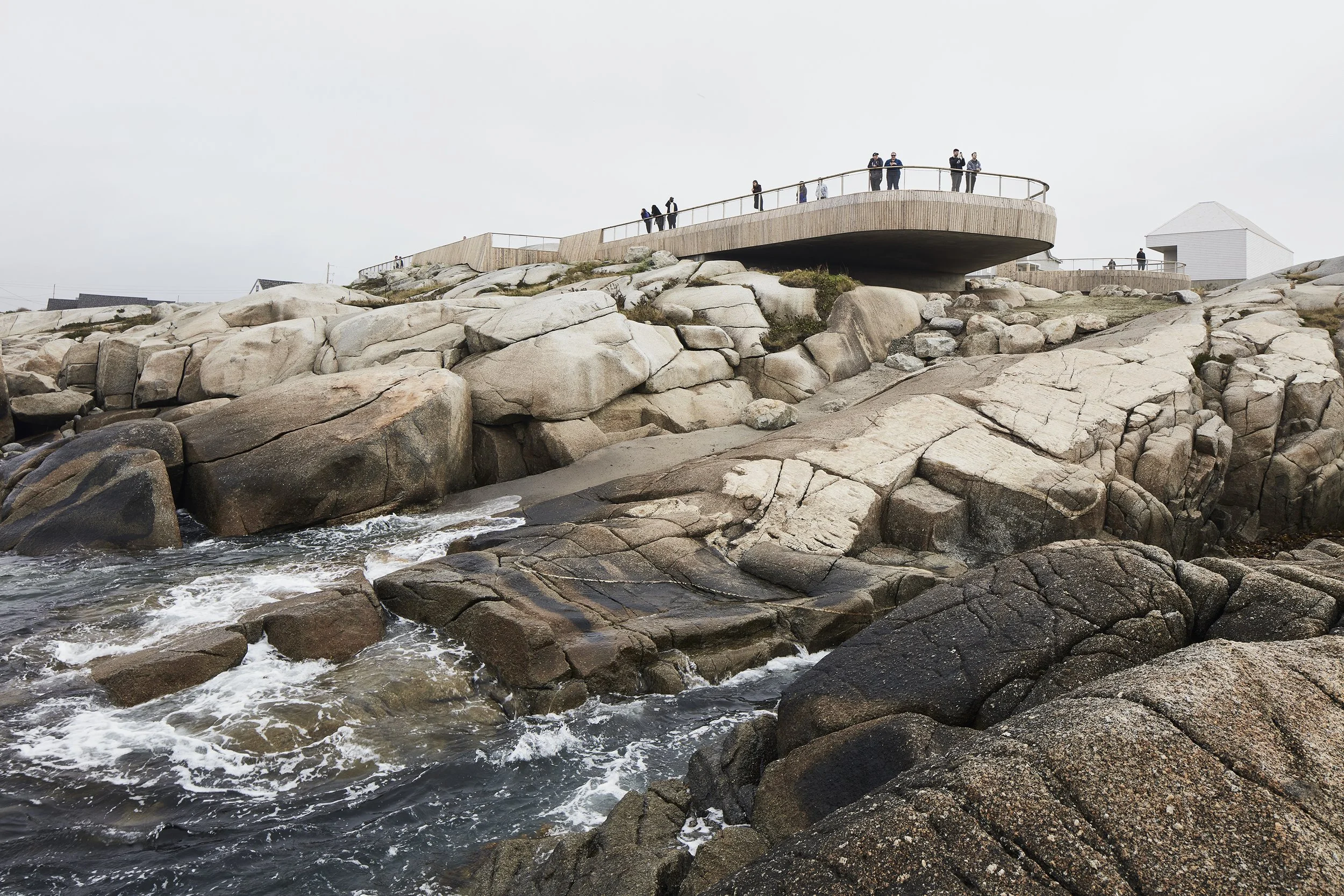
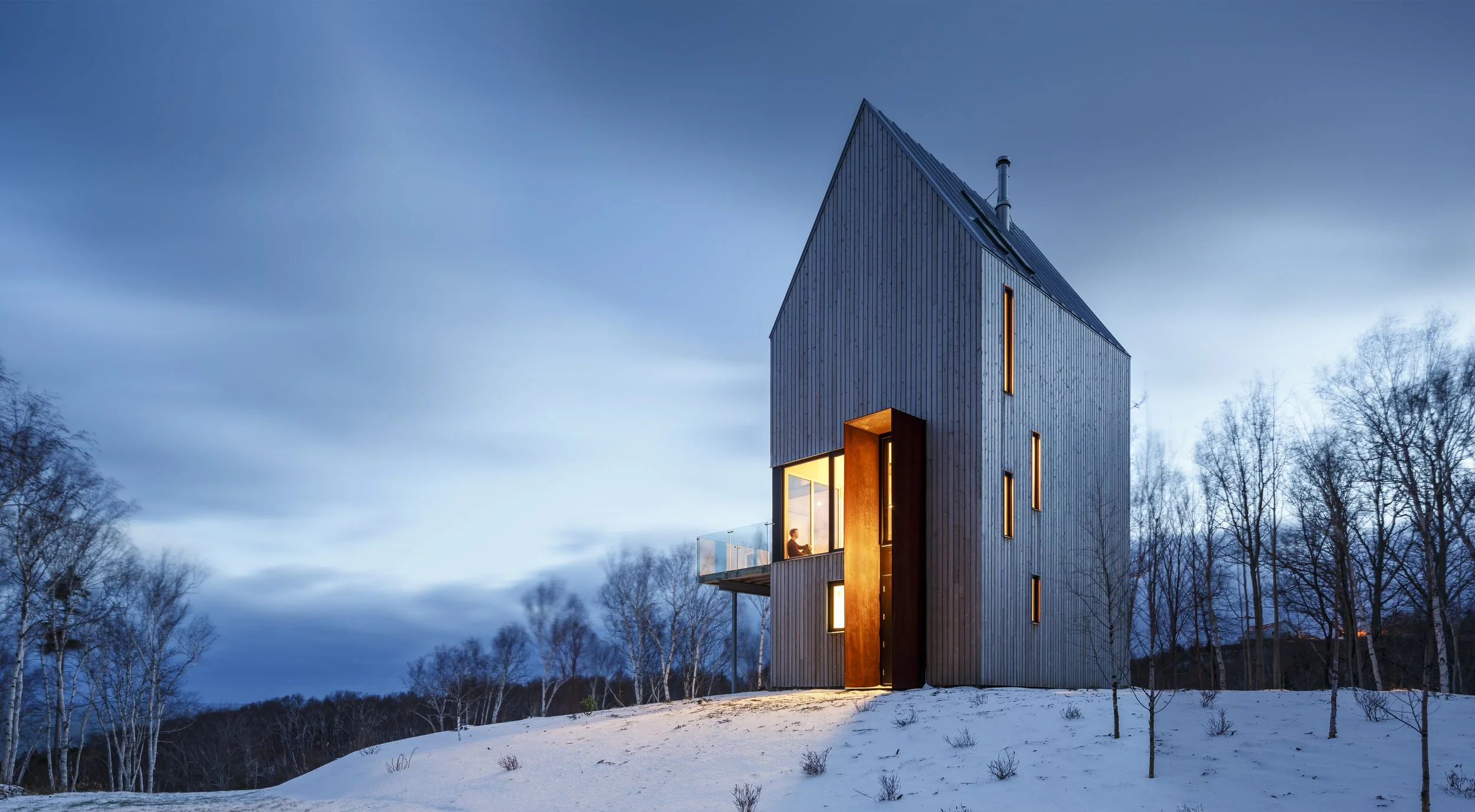
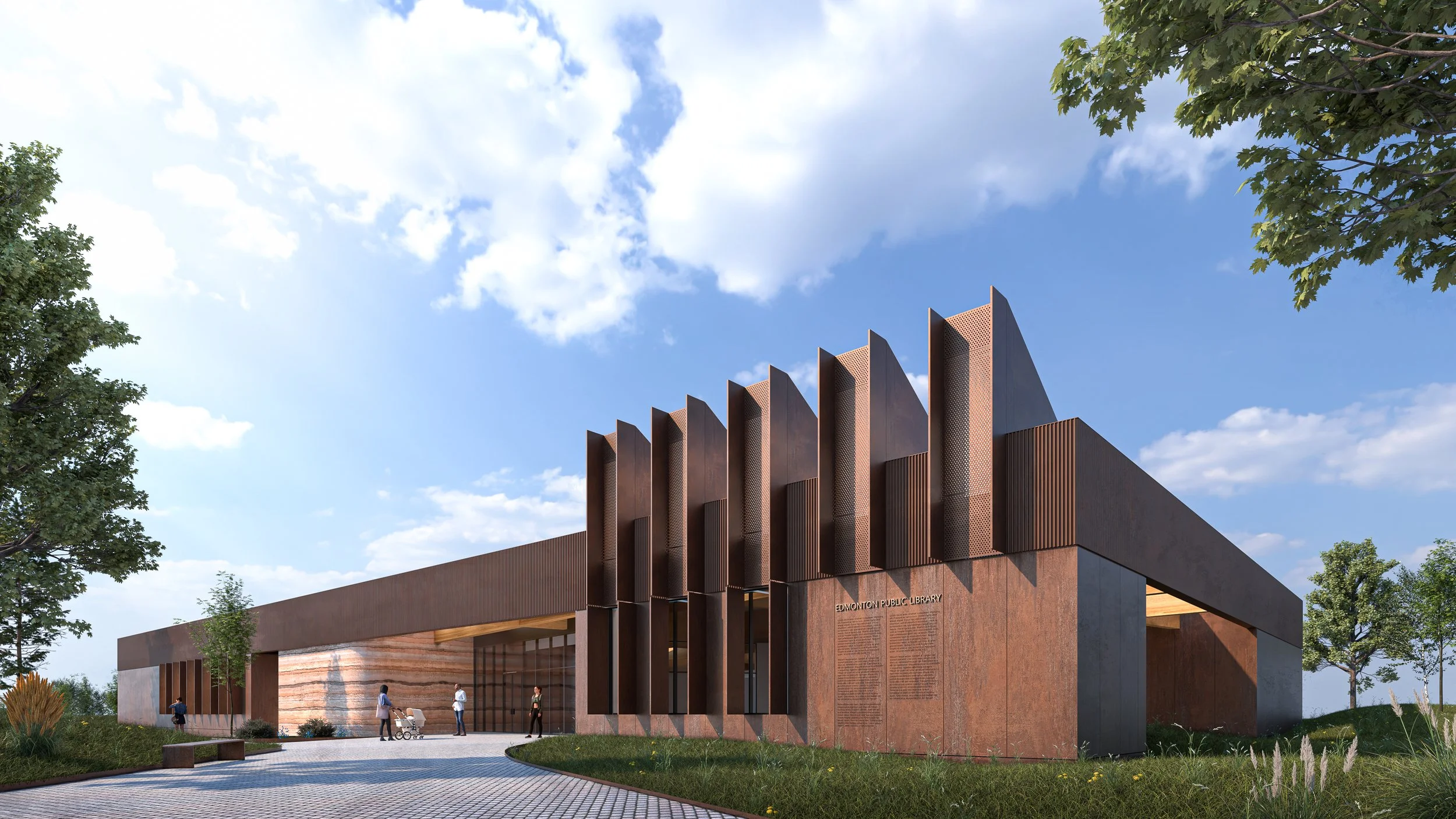
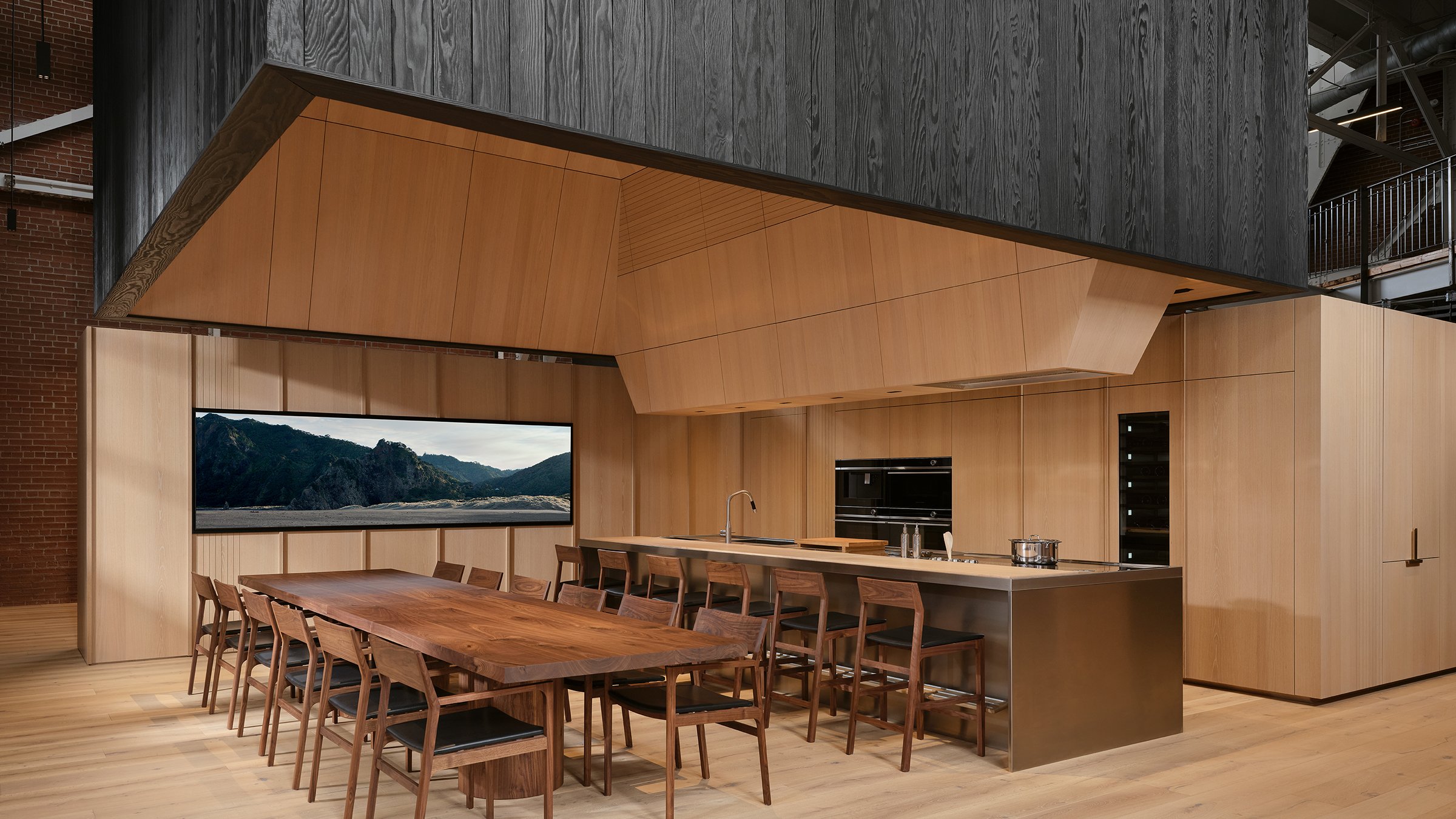
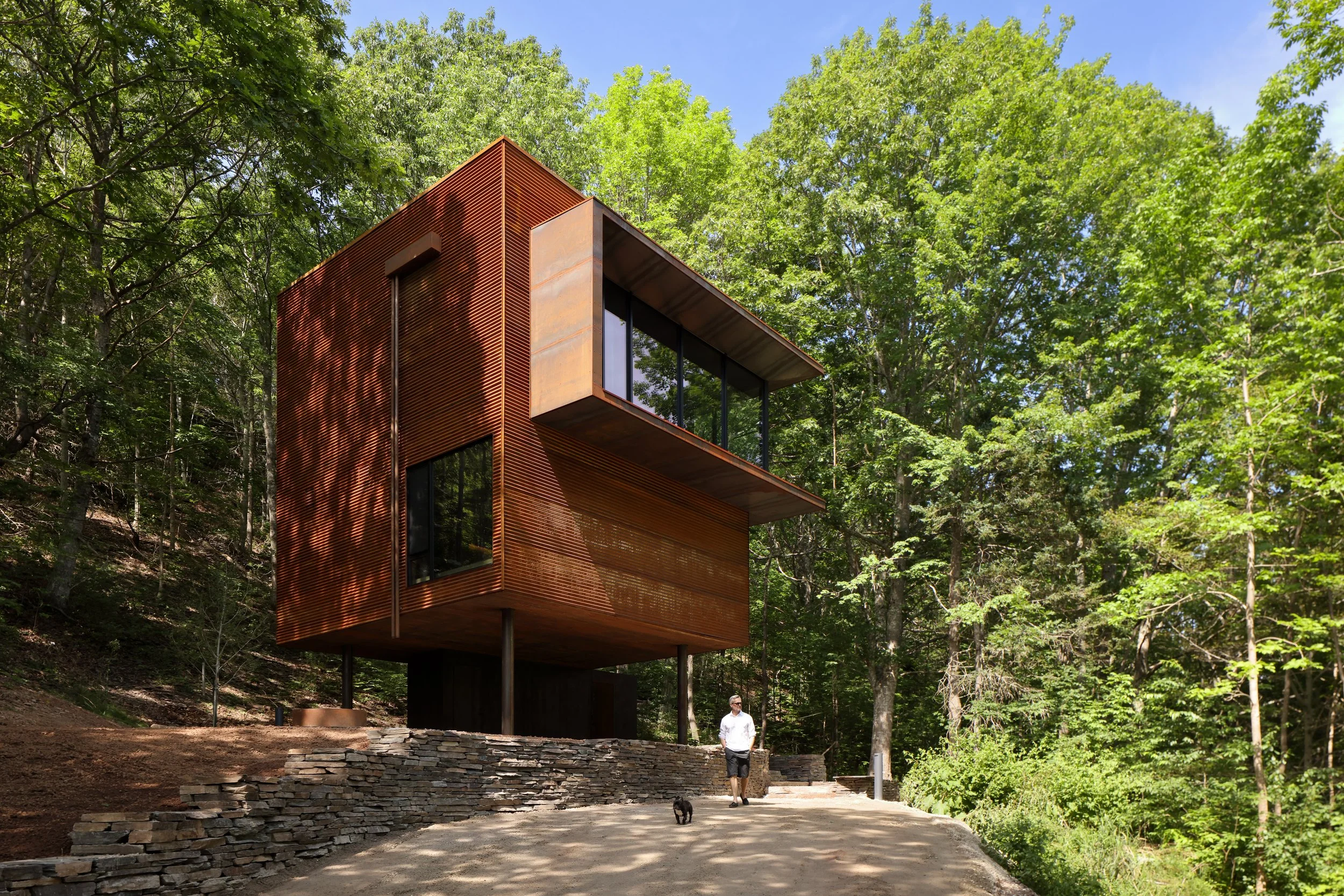
Omar Gandhi, founder of Omar Gandhi Architects (OG), established his studio in 2010 with offices in Toronto and Halifax, Canada, and most recently in Berlin, Germany. Renowned for its critically acclaimed work, OG has garnered international recognition through a diverse portfolio of projects, including innovative urban infills, large-scale public works, and interventions in historic landscapes. Gandhi and his team are celebrated for their playful and unexpected approach to design, which reinterprets the familiar with bold, site-responsive architecture. The practice’s work is distinguished by meticulously crafted details and a profound engagement with the physical and historical context of each site.
Winner of 25 international awards in 2023-24, including Practice of the Year awards from Architizer, Architects Newspaper Awards, and the Architectural Masterprize, Omar Gandhi Architects continues to earn widespread international praise and academic recognition. Additional accolades include the Canada Council for the Arts Professional Prix de Rome, Architectural Record Magazine’s 2018 Design Vanguard, and the Canadian Governor General’s Medal in Architecture. Founder Omar Gandhi is actively engaged in academia, having served as a Louis I. Kahn Visiting Assistant Professor in Architectural Design at the Yale School of Architecture, and was named among Monocle magazine’s Most Influential Canadians.

TIMESTAMPS
(00:00) Omar's background & education.
(06:55) Not a stereotypical architect.
(10:09) Influence of office location on architecture practice.
“I'm certainly less interested in chasing other people's language, style, and whatever hottest sustainability trend there is. I feel like we're in a great spot where we can just do our thing, and as a result, if you maintain a level of honesty in the work, it's going to be unique.” (17:35)
(18:12) Establishing own practice.
(28:58) Modern vs traditional architecture.
“We all sort of leave school with these grand ideas and realize that not a single soul around us, minus the people we went to school with or people in our field, really understands what we're doing and why we do it. My parents are a good example of that. They're proud of the stuff that we do, but they couldn't think it's weirder.” (34:37)
(35:56) Finding the right clients.
“Bigger budget projects don't necessarily make the project more interesting. There's something about the constraint of limited means, whether it’s the scale of the building, or other parameters you're dealing with, it just makes for slightly more interesting results, even if it's a bit more difficult.” (39:19)
(39:44) Project variety and firm size.
“One thing that I always thought was ridiculous is this idea that you can't enter into an arena of a specific kind of work and not do something exceptional. They're always asking how many of a project type you've done, but no one ever asks how many of those were good. Quantity doesn't mean quality. Whether it was our first restaurant or first art gallery, the approach is the same and design is design. Our own personal experiences weigh into this equation. I really think you can do anything. It's a made-up thing that you have to be specialized in that way. I think design comes down to an interest in these things.” (42:06)
(45:49) Design competitions.
(48:13) Establishing firms internationally.
(55:24) Importance of having architects in construction administration.
“We all know what happens when we're not on site. It's like the kids starting a party when the parents aren't around. So, what was the point of trying to do something special, cohesive, and interesting if it's all just happening on site [without the architect]? It's tough to convince the client of this, probably because a lot of architects just shrug that part of the process [construction administration] off. They may offer that as a service and just say, "We do it up to this point, these are your drawings, good luck with it.” But the difference between a project you're proud of and a project that you're not. is your activity on site, the relationships you build, and the problem-solving that happens with the builder and consultants.” (56:20)
(57:55) Omar Gandhi Architects' office structure & design process.
“The fact of the matter is, I don't really care if it's a story about me or not. It's just not that important. But that is seemingly the most important thing to much of the profession. Certainly, as it goes back generations, this silly idea of ownership it's a joke. It also never existed before, this idea of the divine sketch and all that. There are a lot of people involved in a projec,t and ideas go from the student to the intermediate architect to the structural engineer and back, and things are constantly moving. Sure, maybe the design starts with some sketch I made or someone else made, but that's definitely the least important part of the whole thing. We've actively fought against that kind of idea just because it doesn't matter. It's all about the work.” (01:01:04)
(01:04:43) Publishing architecture work.
(01:07:55) Omar's ideal project type & favorite building.