#482 - NOAH ROTH, Founder of Streetcraft
SUMMARY
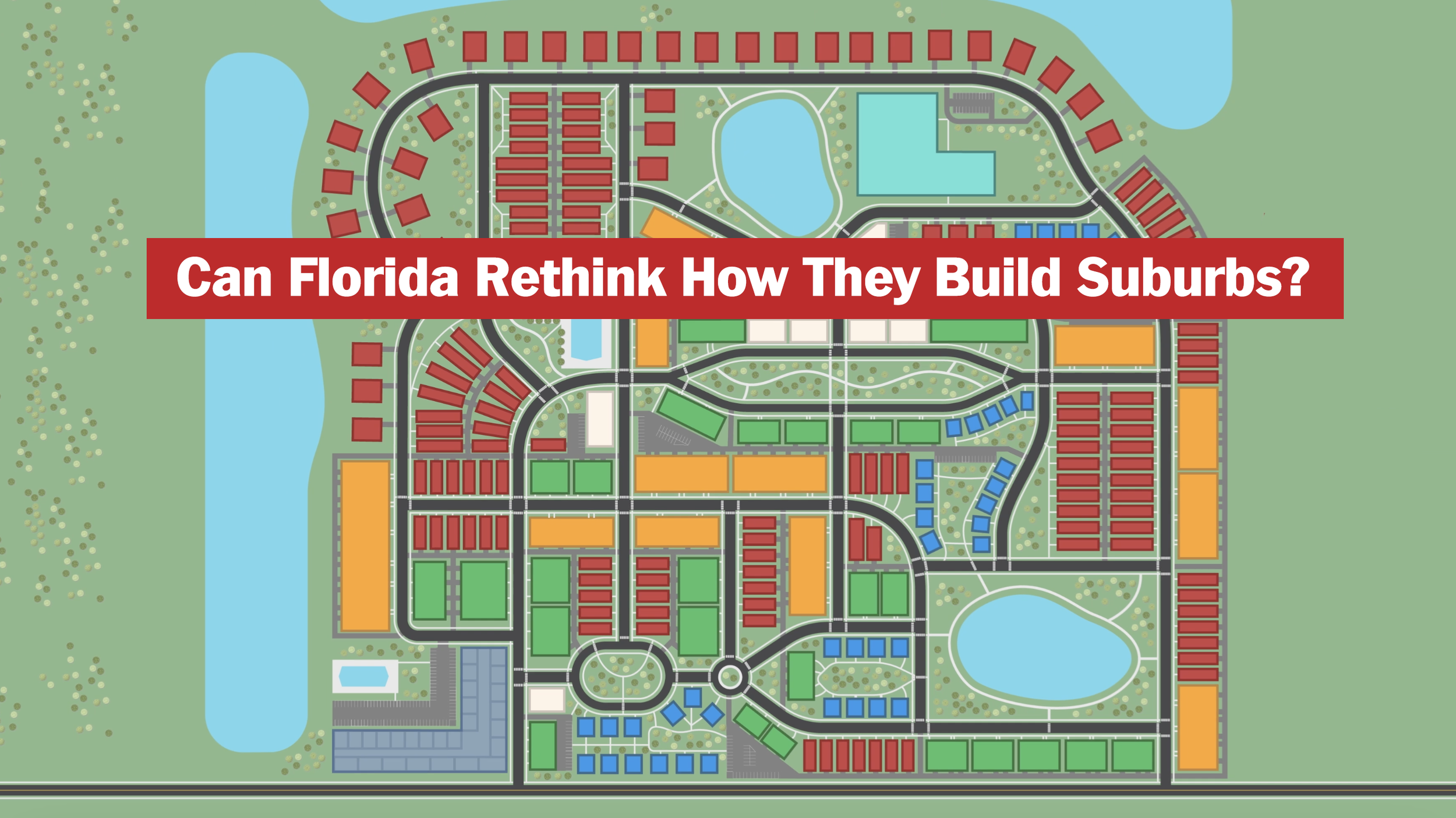
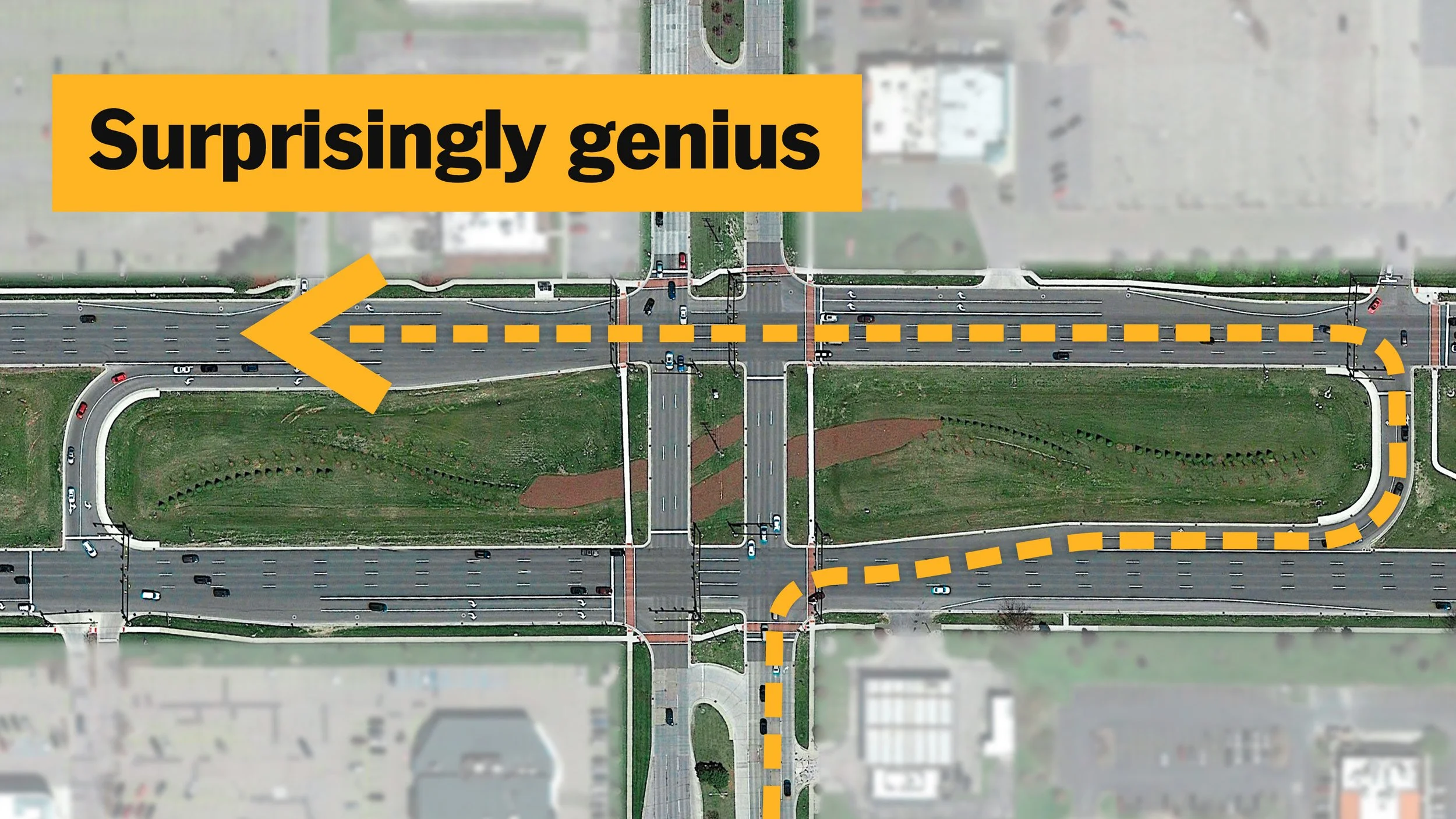
This week, David and Marina of FAME Architecture & Design are joined by Noah Roth, Founder of Streetcraft. The three discussed Noah’s background and education, starting Streetcraft, the cause of traffic, types of interchanges, human experience of urban planning, online comments, urban design advocacy & communication, business of Streetcraft, solutions to improve streets & how architects can help, strangest intersection, and more. Enjoy!









ABOUT NOAH
Noah Roth is the founder of Streetcraft, a platform that uses visual storytelling and urban design to explore and improve our built environment. As a leading voice on social media, Noah creates solution-oriented videos that simplify complex urban planning and transportation issues, sparking conversations about change. By combining animation, design, and compelling narratives, his work helps people see how streets and places can be transformed, inspiring audiences to think differently and take action toward creating better places.
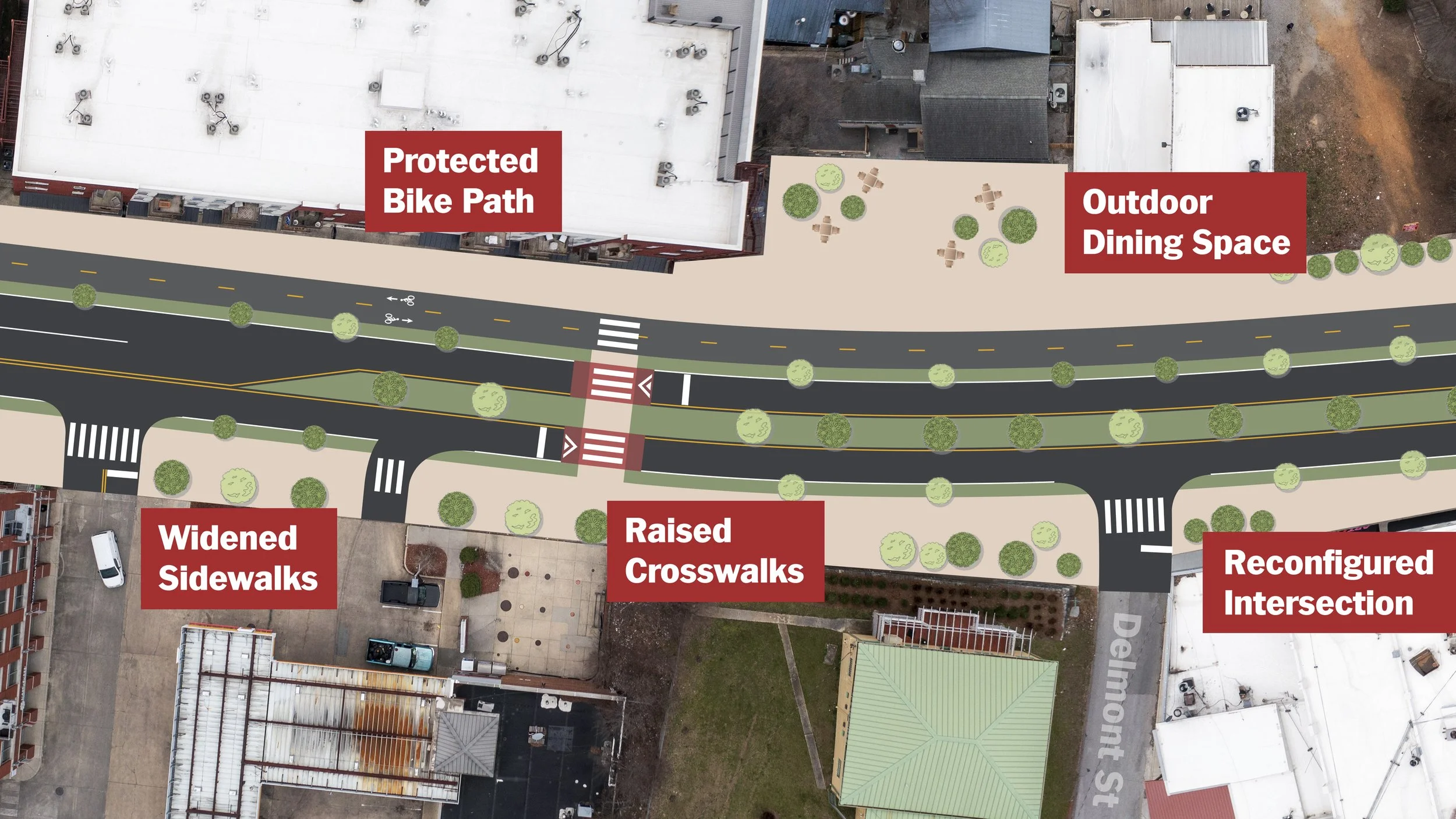
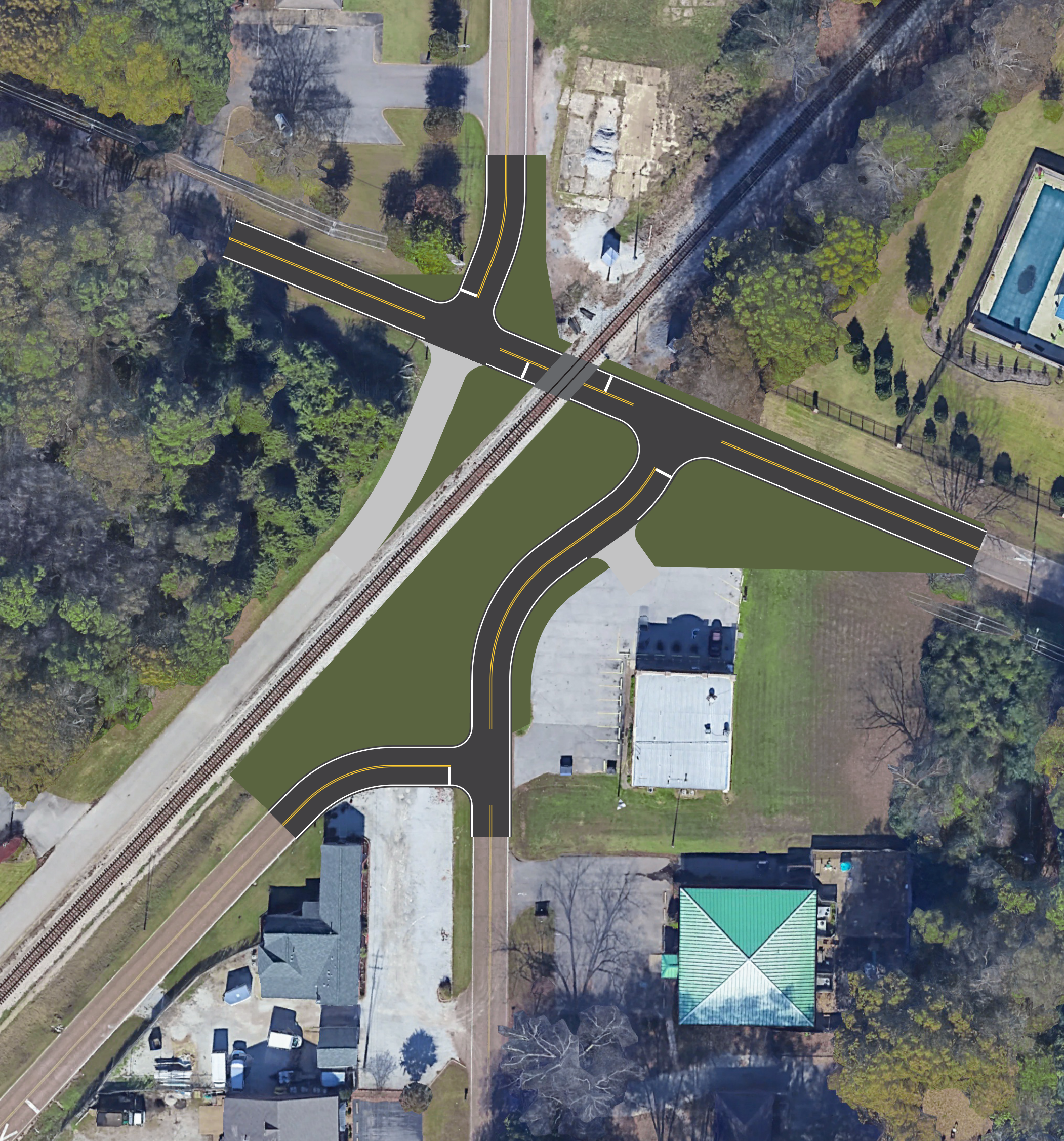
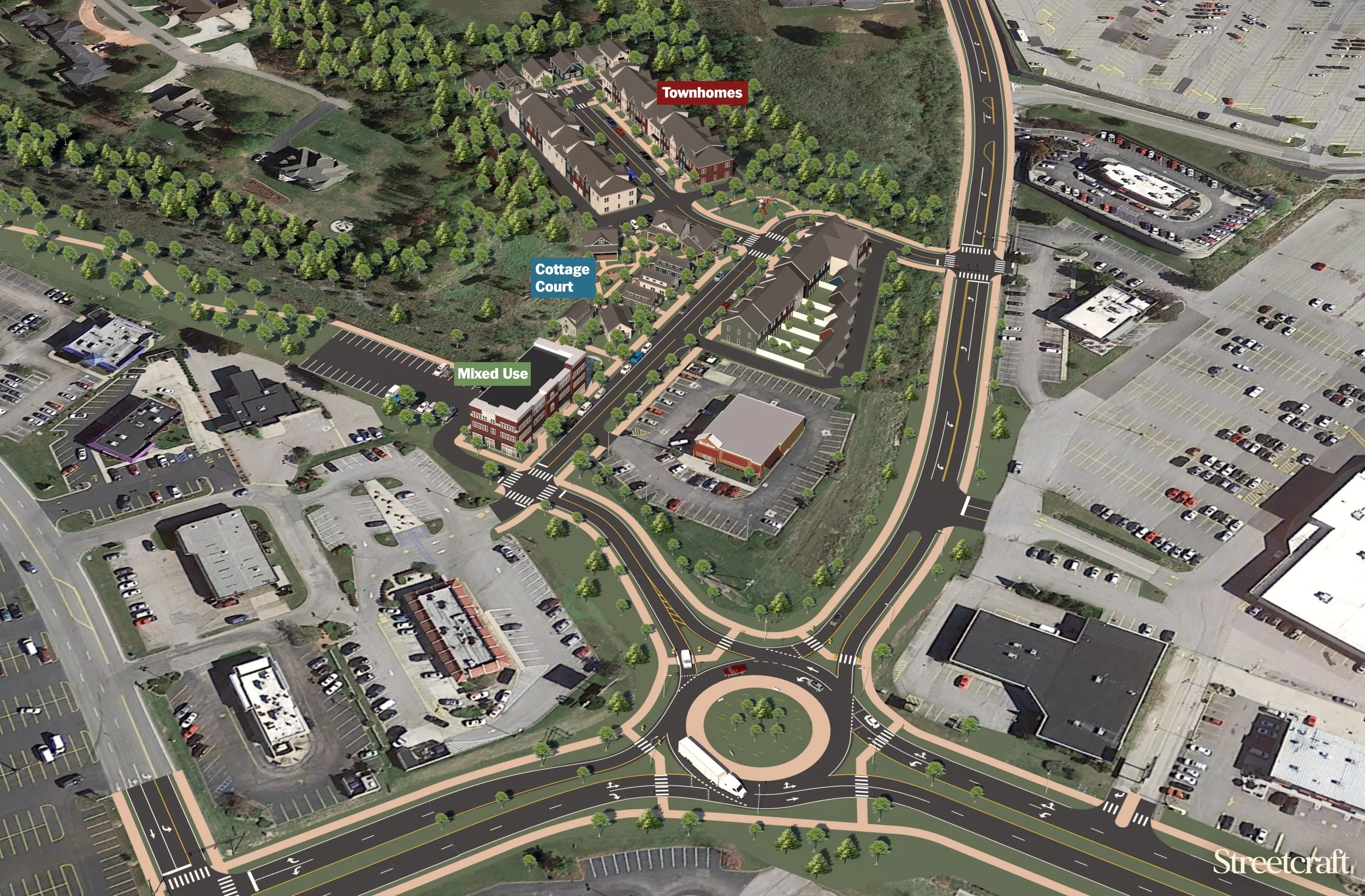
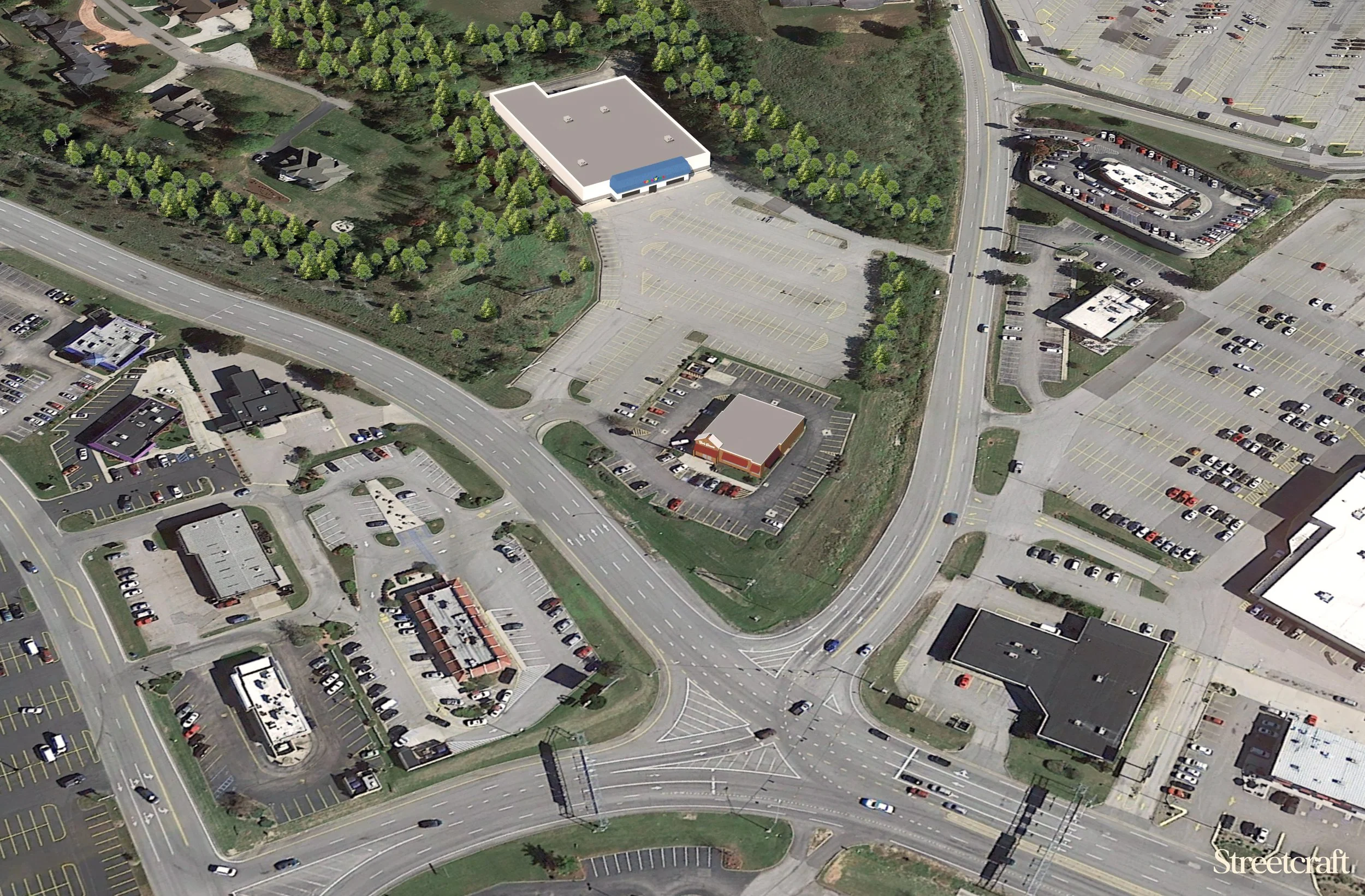
TIMESTAMPS
(00:00) Noah's background & education.
(05:04) Starting Streetcraft.
(09:15) What is the cause of traffic?
(11:40) Types of interchanges.
“So much of [engineering] is right or wrong. There's no room for grey areas there. But with traffic engineering, there's the entire human psychology aspect of it. How is it actually going to function when you put people into it? Because everyone sees things differently and responds to things differently. It's really fascinating, but it also makes that type of engineering so much more difficult. How do you get better compliance, and how do you make sure that it is going to do what you want it to actually do?” (23:26)
(24:53) Human experience of urban planning.
(40:29) Online comments.
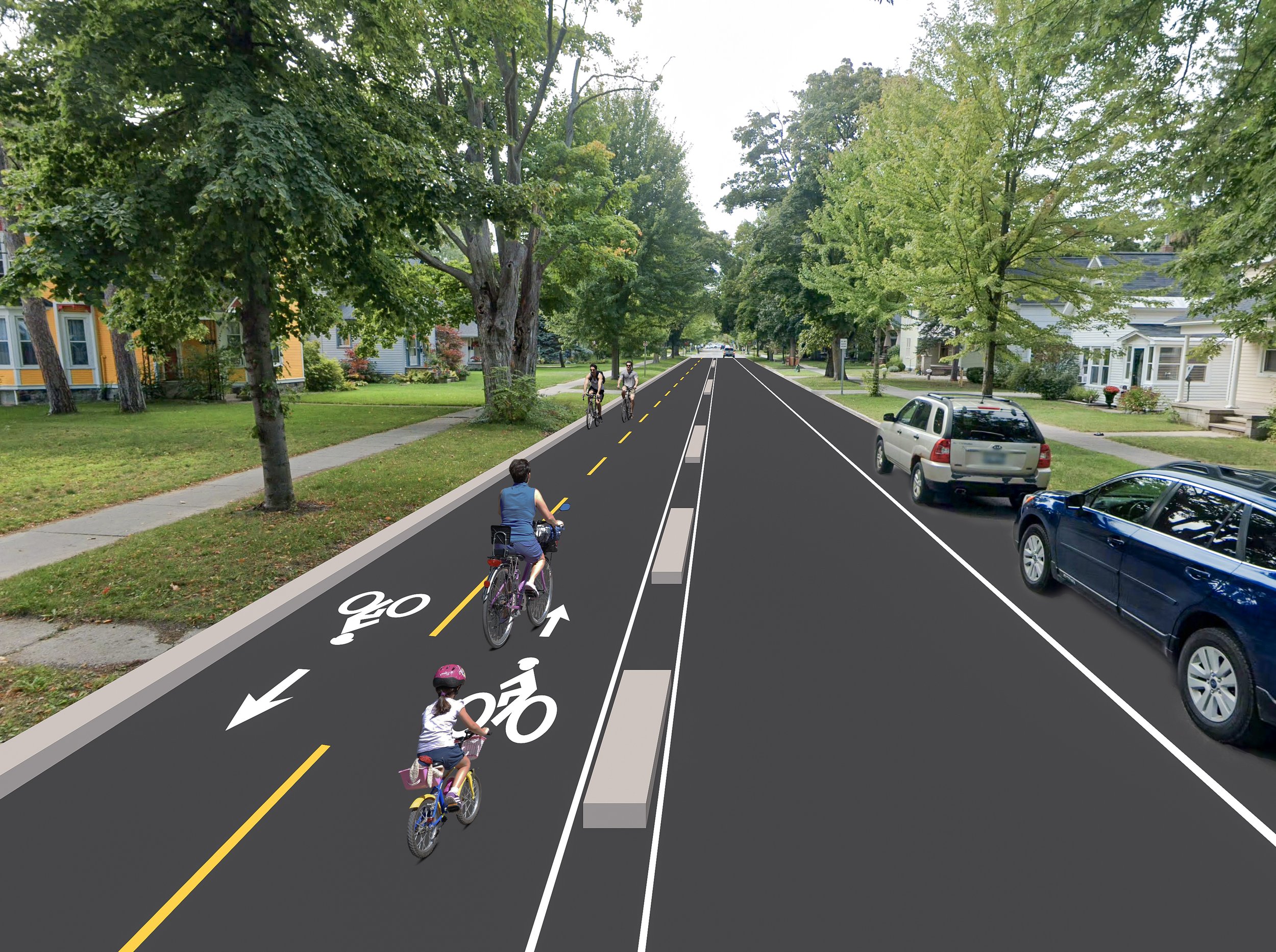
“Bike lanes seem to always trigger people. [I would say,] “There could be space for bike lanes here.” And people are like, “But I don't own a bike, and I hate biking.” And it’s like, maybe you don't have to use them. It could be for other people. “But what about when it snows?” Then get in the car and drive. Just because a bike lane is built, that doesn’t mean that everyone has to use the bike lane all the time for every trip. It's the all-or-nothing mentality, I guess.” (44:03)
(44:42) Urban design advocacy & communication.
“You're not building a house to sell. You're building public infrastructure that is going to benefit or hurt everyone who uses it. It's a very fine line, and it's something that the public gets involved with. So, you're basically selling to the public and coming up with a way to communicate that to people. The average person is not a traffic engineer. If they don't have an understanding of the why behind the infrastructure solution, I think that scares a lot of people. They might think, “Why are we changing this? It's worked fine forever.” But maybe there’s been a significant number of crashes due to this specific design feature, and by changing it, we expect there to be significantly less accidents. If people can’t understand something, they don't know why they even hate it or love it.” (51:41)
(53:47) Business of Streetcraft.
(55:21) Solutions to improve streets.
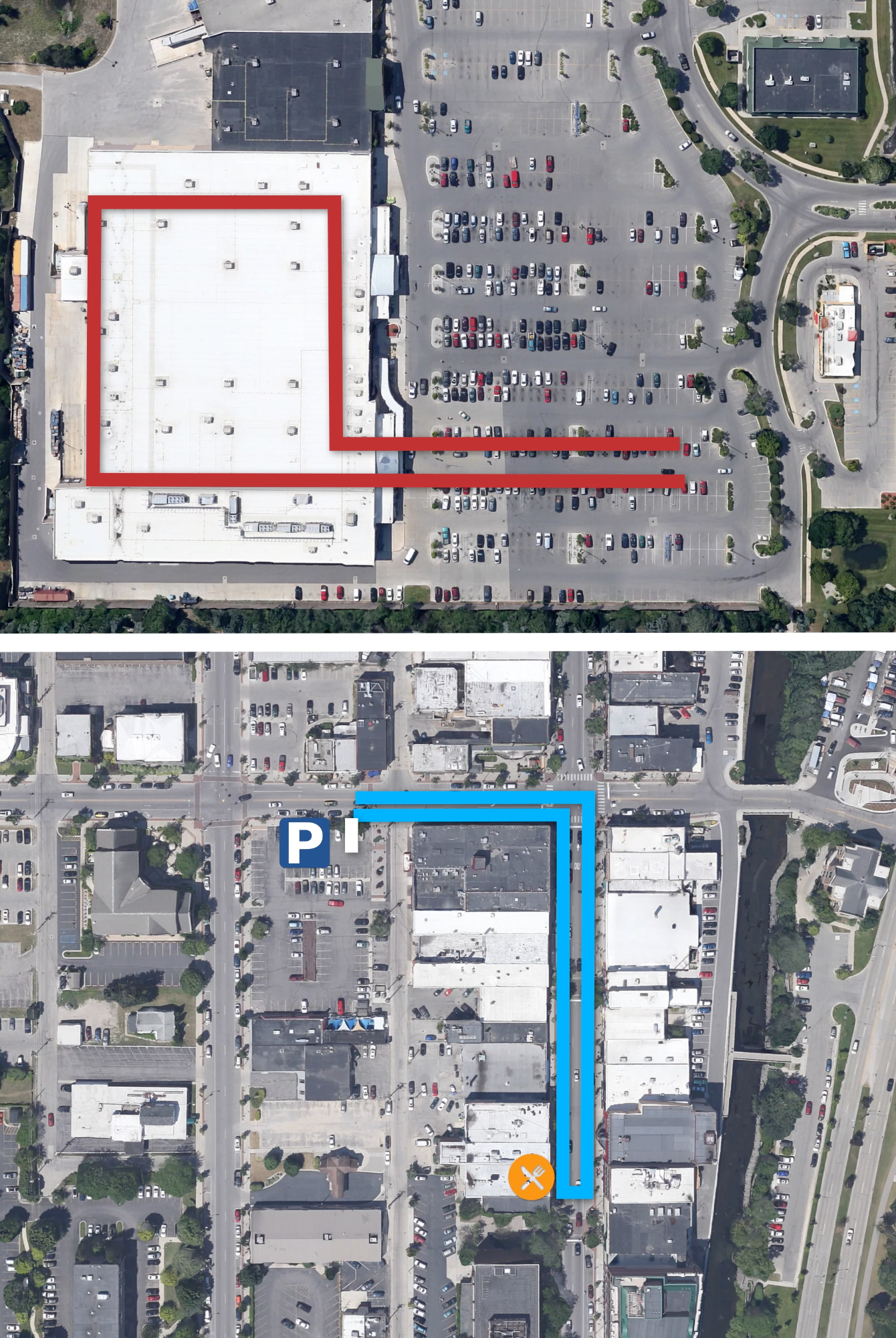
“How does architecture actually impact road use? If you make things pedestrian scale versus car scale, it's going to feel more like a pedestrian environment, and it also changes what the designation of the place is. If you have a bunch of pedestrian-scale buildings that are fairly close to the sidewalk, that space is going to feel more like a traditional urban downtown setting, versus if you offset it by a huge parking lot with a strip mall, that place will feel like a commercial corridor. It just continuously reinforces the idea that it's a car space, and I shouldn't see people walking. If you see people walking, you're probably going to be less likely to stop for them or look out for them in general. So, I think some of that really ties back to how the architecture is designed.” (01:01:10)
(59:45) How Architects can improve the streets.
“The reason why it [road design] becomes so subjective is that it all comes down to how people feel and what they want to prioritise when it comes to the built environment. When people are sitting in traffic, that doesn't feel good for them. So they want to do something that will eliminate that feeling, and that might look like adding more lanes. But now someone else feels unsafe walking along it, or the people who live there feel uncomfortable with the level of noise that is produced. It really does come back to how people feel, and it's a competing aspect of how we can make sure that there’s something that feels best for everyone. There's usually never a perfect solution. There's always compromises to be made, for the most part, if there's money and space involved.” (01:08:49)
(01:10:20) What's next for Noah?
(01:12:24) Strangest intersection.
(01:15:11) Noah's favorite place.