SUMMARY
This week, David and Marina of FAME Architecture & Design are joined by Eran Chen, Founding Principal of ODA Architecture. The three discussed Eran’s background and education, moving to New York, early career, the business of architecture, establishing ODA, ODA design approach, multidisciplinary architect, exciting projects, maintaining design quality in a large office, his favorite building, and more. Enjoy!









ABOUT ERAN
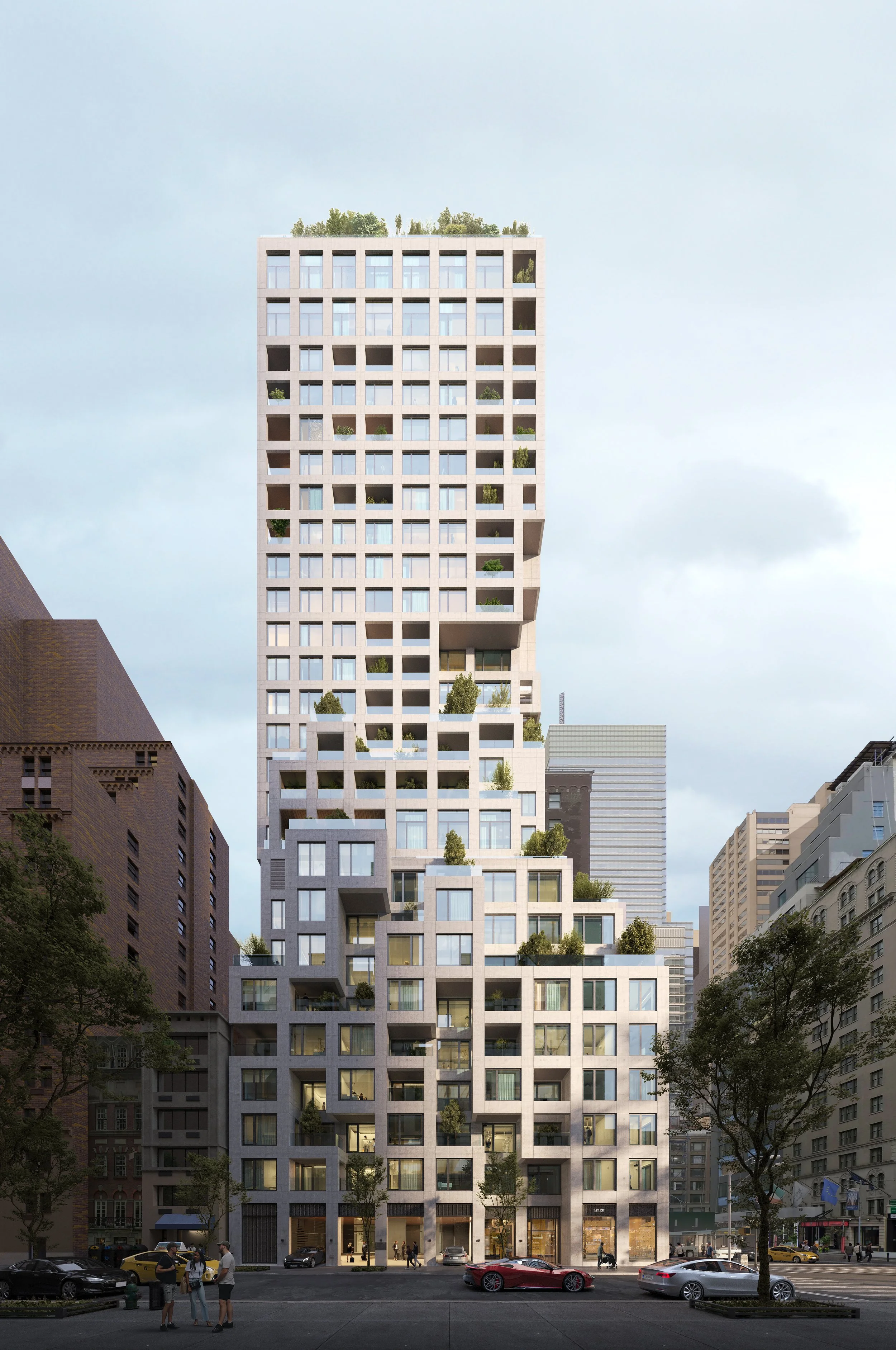
Since establishing ODA in 2007, Eran Chen has earned a reputation for mold-breaking designs that will deliver a better urban future. Having completed more than 50 buildings in just over a decade, he has become one of the most prolific architects in New York. Chen's work has been widely published around the world and recognized by the AIA, the Society of American Registered Architects and others. In addition to guest lecturing globally, Eran is also an Adjunct Professor at both Columbia University and New York University.
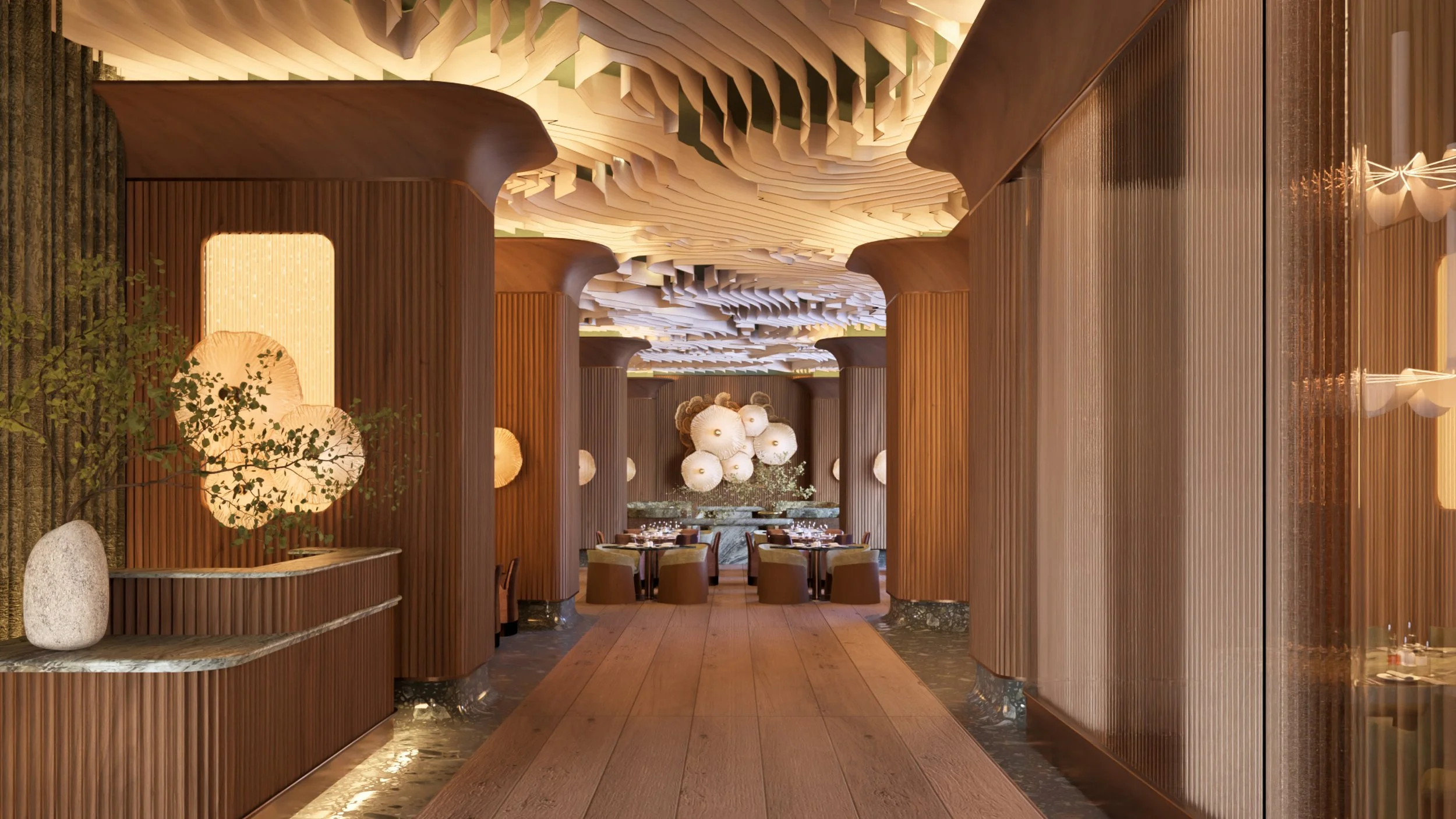
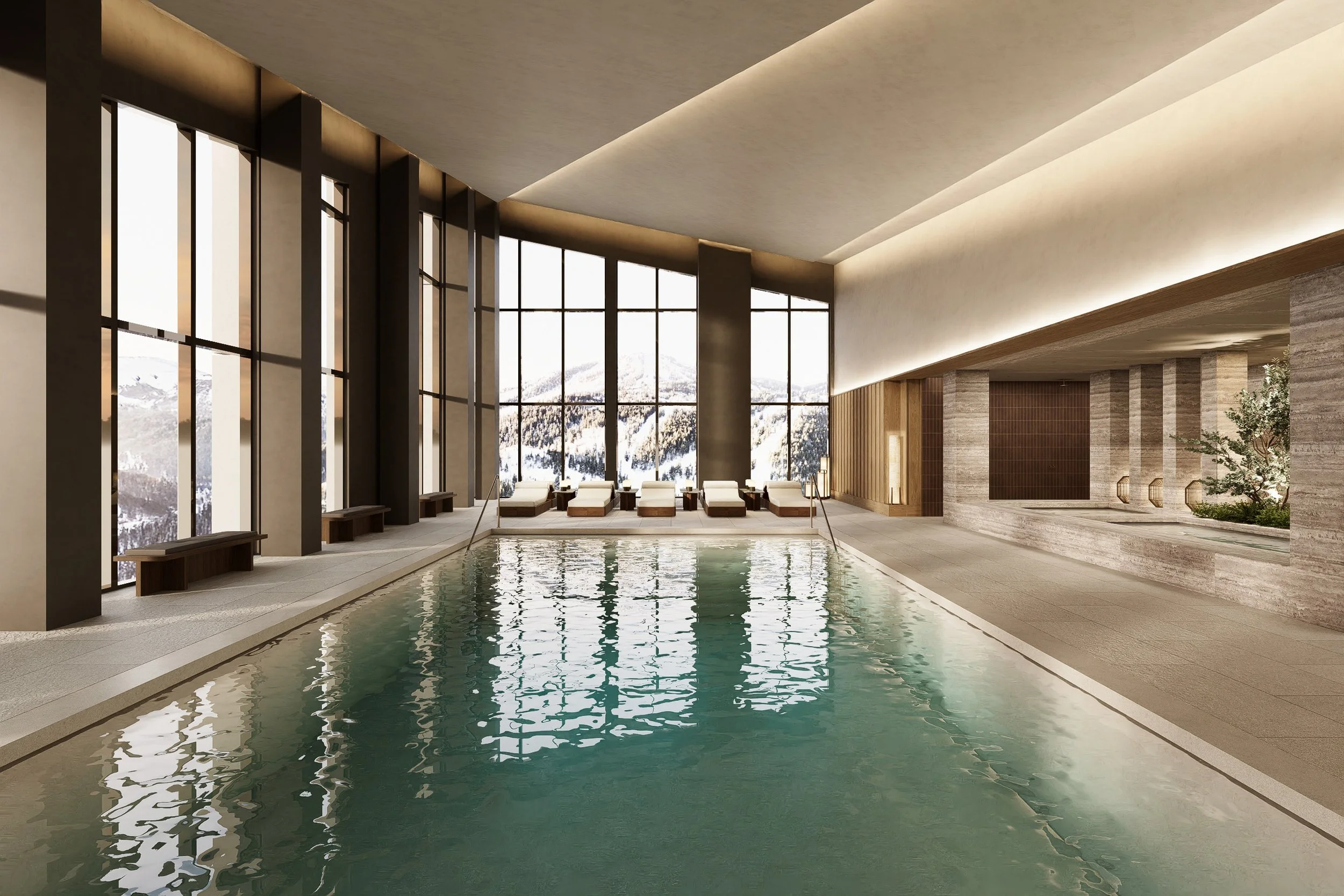
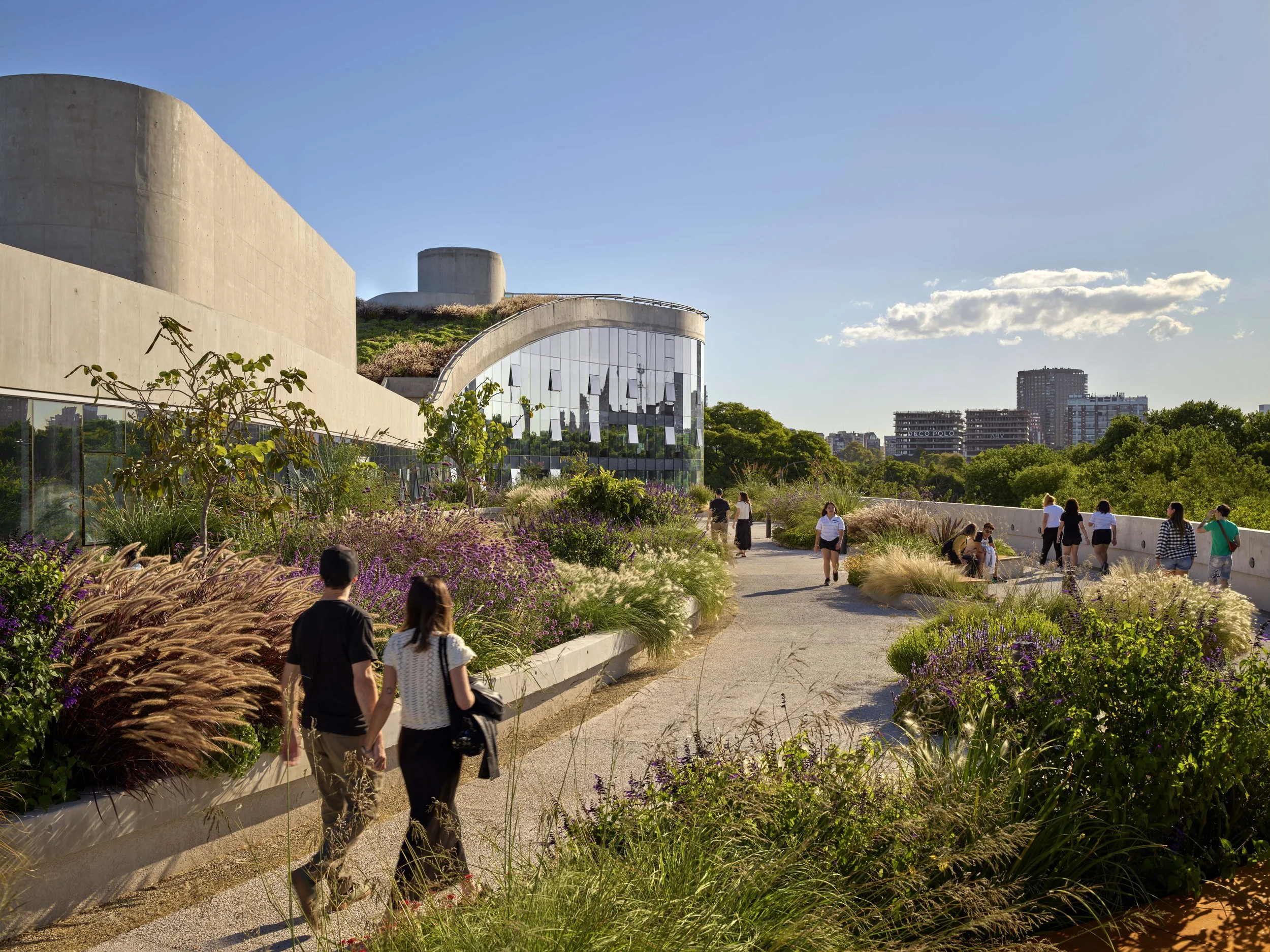
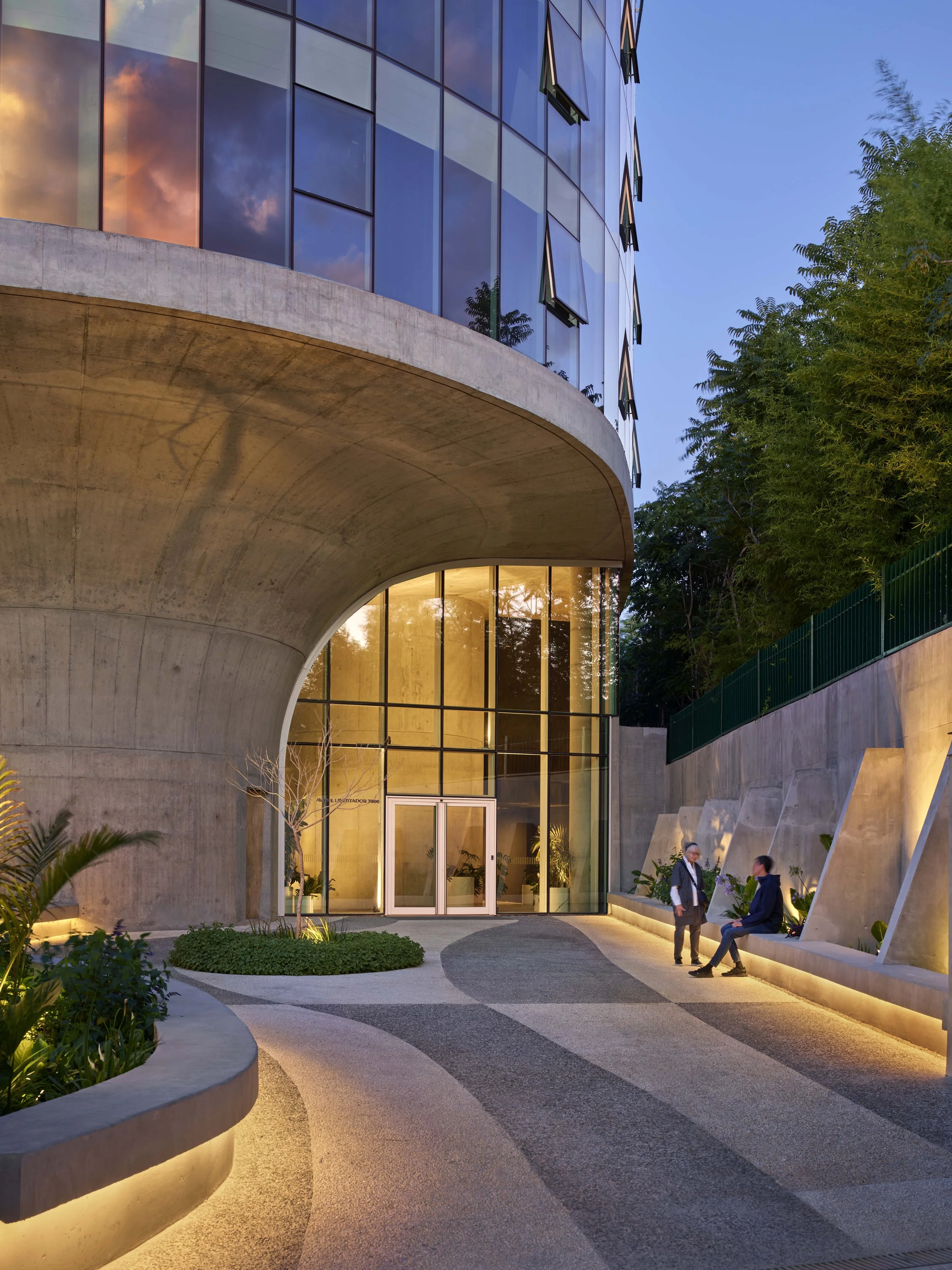
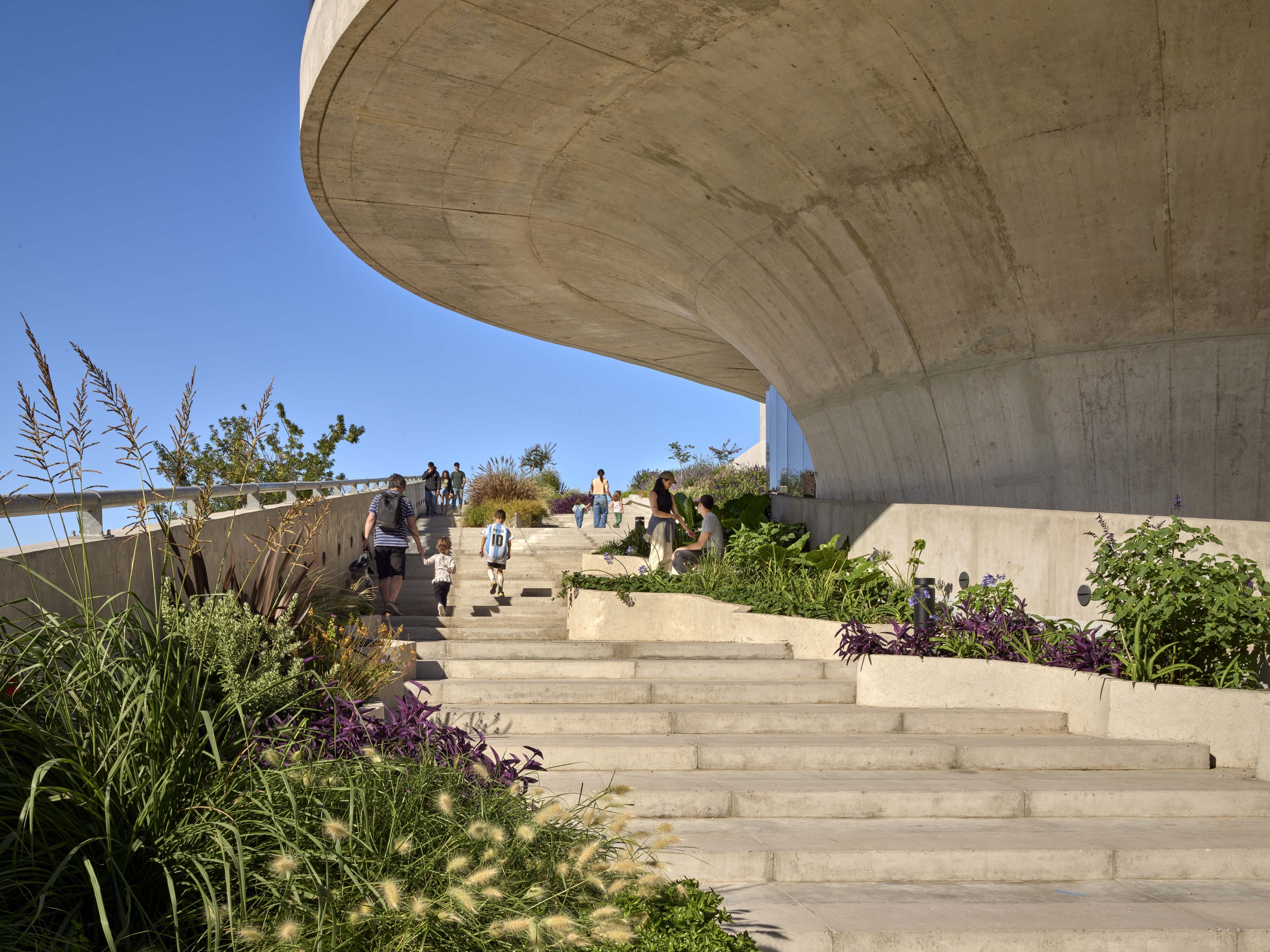
His recent projects include the renovation of the former Postkantoor in Rotterdam, an urban plan in Chicago, and the conversion of a defunct parking garage into a public park and class A office building in Buenos Aires. His writings on architecture have been published in ODA’s book, Unboxing New York.
TIMESTAMPS
(00:00) Eran's childhood & background.
(04:22) Architecture education.
(09:25) Moving to New York.
(12:37) How Eran found success in New York.
“My philosophy is connected to these principles: clear vision and relentless pursuit. You need to have a clear vision and know exactly where you're going. Even if you change paths throughout, every time you change the path, at least you need to convince yourself that you know where you're going, because there's no time for hesitation. You have to have real clarity about your priorities and what’s important because it's so easy to lose focus. Everybody's trying to push you away from your vision. The second thing is pursuit, because a lot of people have that great vision, but they don't actively pursue that vision. The last and most important part of it is to be relentless. You have to be relentless.” (14:22)
(17:43) Early career.
(25:37) Success in the business of architecture.
“We can be great designers, but we can also be good business people. We should be able to look our clients in the eyes and sell our talent. I think our profession has a pretty severe challenge, where we come out of school, and we feel like we're not as convincing as the people who are working in industries of money. We're intimidated by that. We feel that because we care about design, how does that line up with the idea of business? It's a huge mistake. I didn't feel that way. I went to the developer, I looked him in the eye, and I felt equal. That feeling has allowed me to project a certain confidence on their behalf that I can get it done.” (26:39)
“The business part of architecture is not the goal, but it's an essential tool for us to be independent. It's an essential tool for us to stand strong behind our ideas and to be able to pursue them. It's very hard to do all of that if you don't have the backbone of business understanding. It doesn’t matter what you build; they all cost money. Somebody needs to pay for it, and people need to trust you with their money. It doesn't matter if it's institutions of private clients, you have to take them through this, and you've got to have the understanding of where they're coming from in order to be able to be successful.” (32:02)
(32:53) Establishing ODA.
(46:39) ODA design approach.
“We have now made what was intuition into philosophy. The first is that the human experience is the driving force for the design, not the function or the form. Every aspect of a building we design, we're not just thinking about how the building would satisfy the program or the function, but what type of human experiences can it generate that is unique? I call it form follows experience as opposed to form follows function. I think that in the modern world, the function is becoming secondary. You can do anything from anywhere. Right now, cities are not built based on what function they're giving, but the type of experience that it provides to the people who would propel them to go out, to gather, and to meet each other. That's the leading factor. So we ask ourselves, "What is this building going to do to enhance the human experience?”” (48:14)
(51:20) Multidisciplinary architect.
“It would be a mistake to not do it [architecture, interiors & landscape] under one umbrella, because the narrative needs to be one. How many times have you come up with an idea, a narrative, or an ideology for a building, and then they bring in interior designers who come up with totally different ideas? How they live together, to me, is a very weird situation.” (54:48)
(55:23) Projects that Eran is excited about.
(01:01:12) Maintaining design quality in a large office.
(01:03:38) Becoming a developer?.
(01:04:56) Eran's favorite building.