#487 - THOMAS ROWNTREE, Architect & Founder of Tomrowstudios
SUMMARY
This week, David and Marina of FAME Architecture & Design are joined by Thomas Rowntree, architect & founder of Tomrowstudios. The three discussed how Thomas got into architecture, advice to prepare for architecture school, experience of architecture school & avoiding burnout, why Thomas started posting on social media, architecture marketing & social media presence, career timeline, Thomas’ book “Architectural Influence", why architecture profession is misunderstood, and more. Enjoy!








ABOUT THOMAS
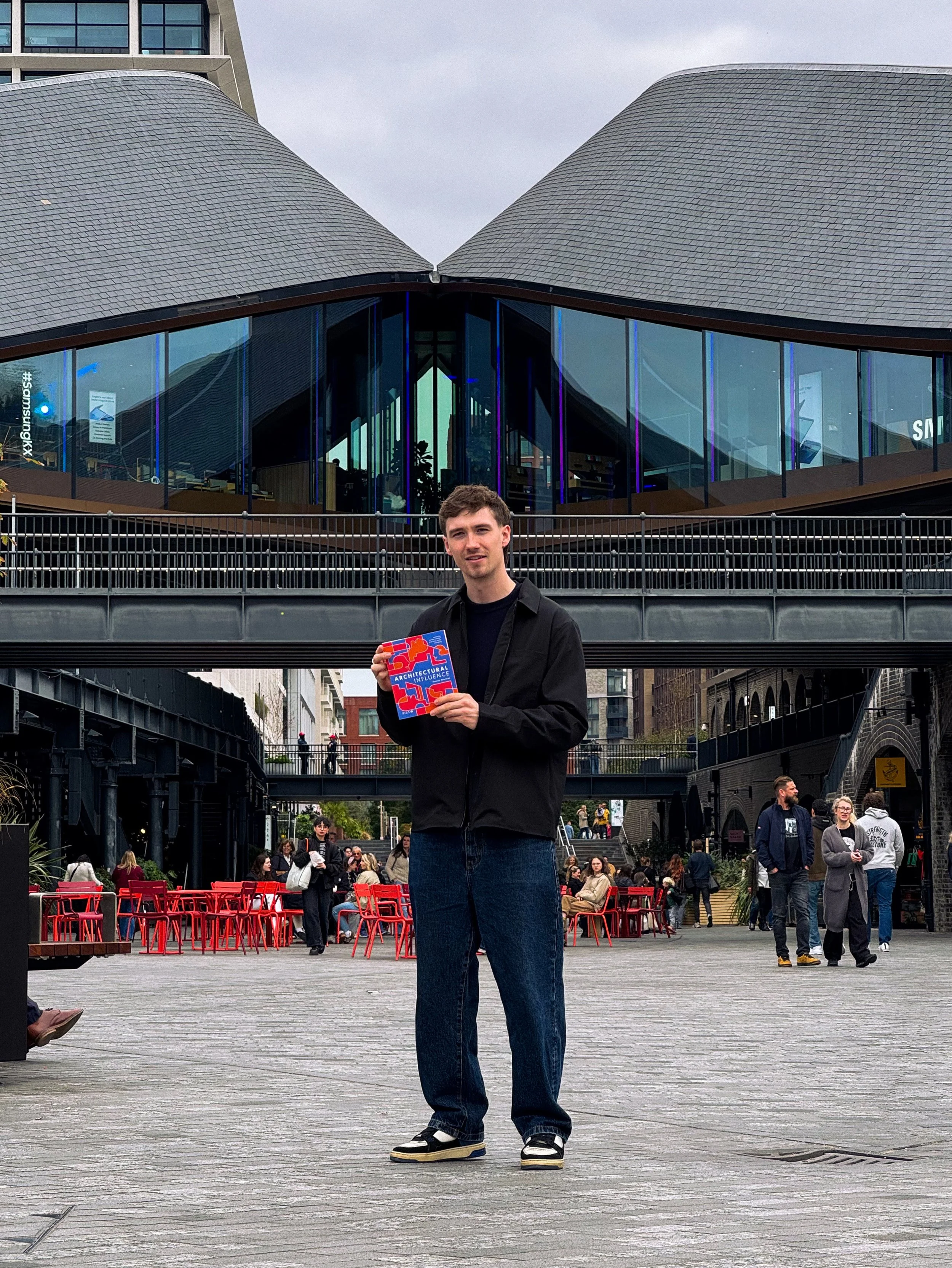
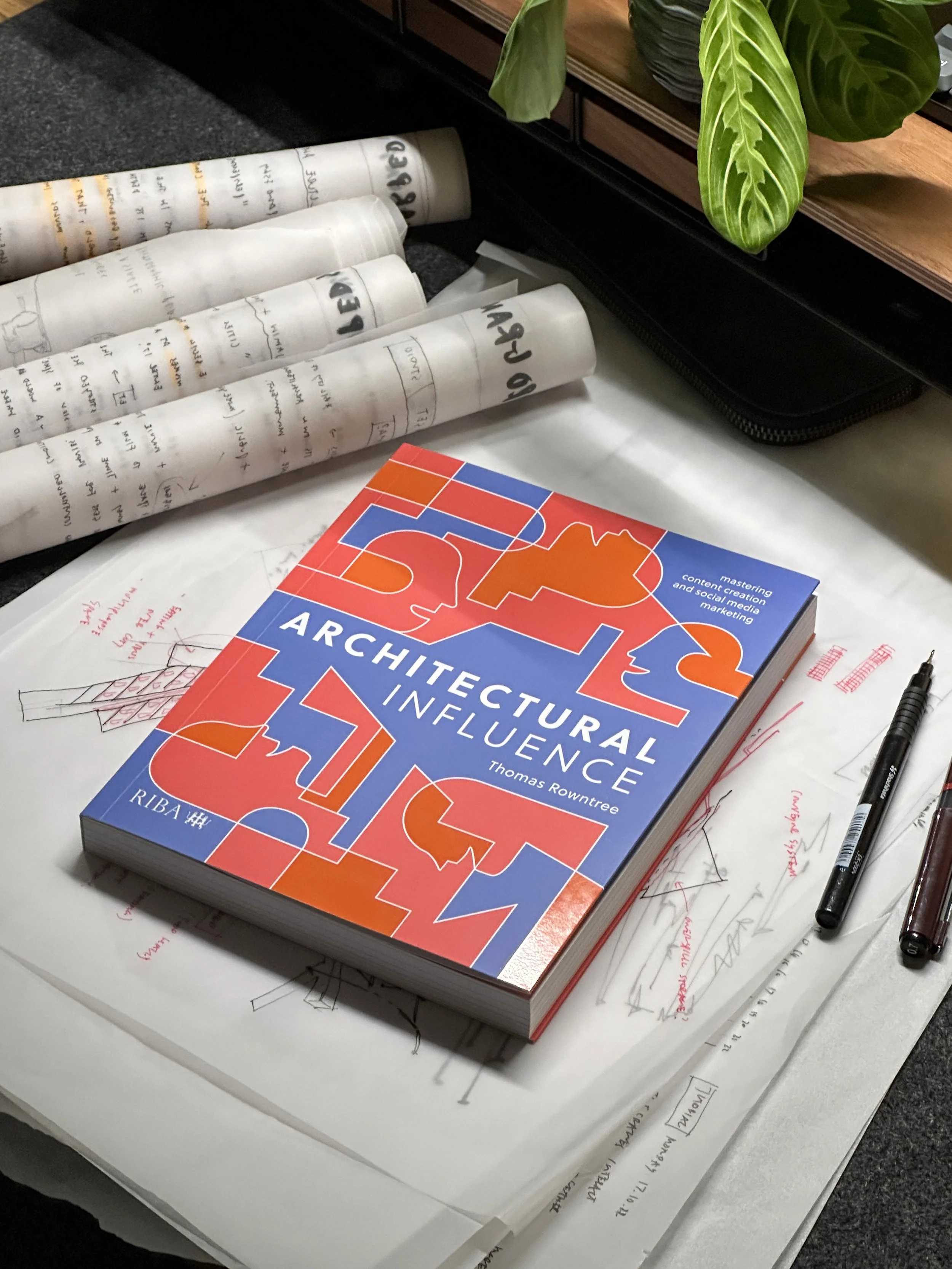
Thomas Rowntree is an architect and the founder of tomrowstudios, and one of the first and largest architecture-focused personal brands on social media. He has produced viral content that has reached millions of views, using digital platforms to inspire, educate, and guide designers around the globe. Thomas is also the author of Architectural Influence, a strategic guide to building an effective online profile and communicating the value of architectural work in the digital age.

TIMESTAMPS
(00:00) How Thomas got into architecture.
“I went into architecture with no preconceived ideas. I could go into it fully open-minded and think with a clean slate, with no one telling me this is how it normally works in practice, this is how we design buildings. I went into it fully clean and not really knowing what I was getting into. In so many ways, it benefited me, and it made me want to be curious about the profession and curious about what architecture even is. I still ask that question to this day. What is architecture? What is the role of the architect? That is a real purpose to the work that I do, which is that I'm still trying to question that.” (05:36)
(07:20) First year of architecture school.
(12:47) Advice to prepare for architecture.
(18:30) Architecture school experience.
“In the first few months of architecture school, I developed insomnia. I'd struggled to sleep for about three months because I put so much pressure on myself to do well and to be successful. But also, I'd got so caught up in the whole machine of all-nighters and everyone spending time in the studio until really late in the morning. You want to spend time with people, and in the studio, you want to be a part of that culture. But I realised pretty quickly that I couldn't sustain it. I couldn't finish my degree and go into a master's degree with this kind of mentality and way of working. I realised that I'm going to have to start building some systems and routines for me to start studying at certain times of the day to make sure that I can get my work done, so I'm not working late. So literally after the first year of university, I didn't do a late night after 2 a.m. for the rest of my architecture career.” (20:52)
(24:27) Avoiding burnout in architecture school.
(32:40) Why Thomas started posting on social media.
(40:51) Architecture marketing & social media.
“Practices that are more developed and mature, they have their own ways of getting clients on board. They're used to doing that, they understand that process, and it works for them. But they could be doing so much more with the opportunity of a free tool like social media. You can reach almost anyone anywhere in the globe in an instant. Obviously, it's huge; there's billions and billions of active users on social media. But for some reason, practices don't necessarily lean into it to build their clientele and to build their portfolio. Instead, they almost use it as a portfolio piece and a repurposing of website content. They just publish images, rather than leaning into it as, we can show you our value and the service that we can offer you. What is your unique selling proposition is as a practice?” (41:36)
“Confidentiality. When I've been working in practice, they've been very careful not to show the process. We can't necessarily show the behind-the-scenes because this is a confidential project. They don't want to give away the secrets to what makes their projects unique. You almost have to do the content after the fact. So once the process and the project is done, you then go back in time and then you talk through the process and document the process. I do think it's a massive shame. You are confining something that is useful for a client to see and understand how you work and your processes. By building a brand identity and a brand reputation, what it does is it gives you not only exposure to your brand and to grow your brand, but also to encourage potential employees to work with you. So it can attract talent as well.” (46:06)
(49:30) Social media presence & working in a practice.
(54:15) Thomas' career timeline, social media vs practice.
(01:03:57) Thomas' book ‘Architectural Influence’.
(01:12:27) Lessons learnt from writing the book.
(01:16:09) Architecture profession being misunderstood.
“There is a real opportunity for the general public to have an interest in architecture and generally understand how buildings are, how they work, and how they impact people. Then you have architects who are struggling to communicate it. I find that sometimes it's about simplifying it and just putting it down to the bare bones of the process, how you would build something. For an individual who was trying to build their practice, if they stood in front of a construction site and talked through the process of how it was actually being built and certain elements of the design, the general public would understand and be interested in that. Then it gives them exposure and it shows their expertise and also proof that they're actually building something.” (01:19:51)
(01:22:48) Thomas' favorite building.