#489 - ANTHONY LANEY, Architect & Founding Partner of Laney LA
SUMMARY
This week, David and Marina of FAME Architecture & Design are joined by Anthony Laney, Architect & Founding Partner of Laney LA. The three discussed the making of Laney LA’s monograph, Genius Loci vs Tabula Rasa, when to respond to context, Laney LA’s design process, convincing clients to trust the design process, concept vs schematic design, client & architect co-authorship, how producing a book impacts the design process, and more. Enjoy!









ABOUT ANTHONY
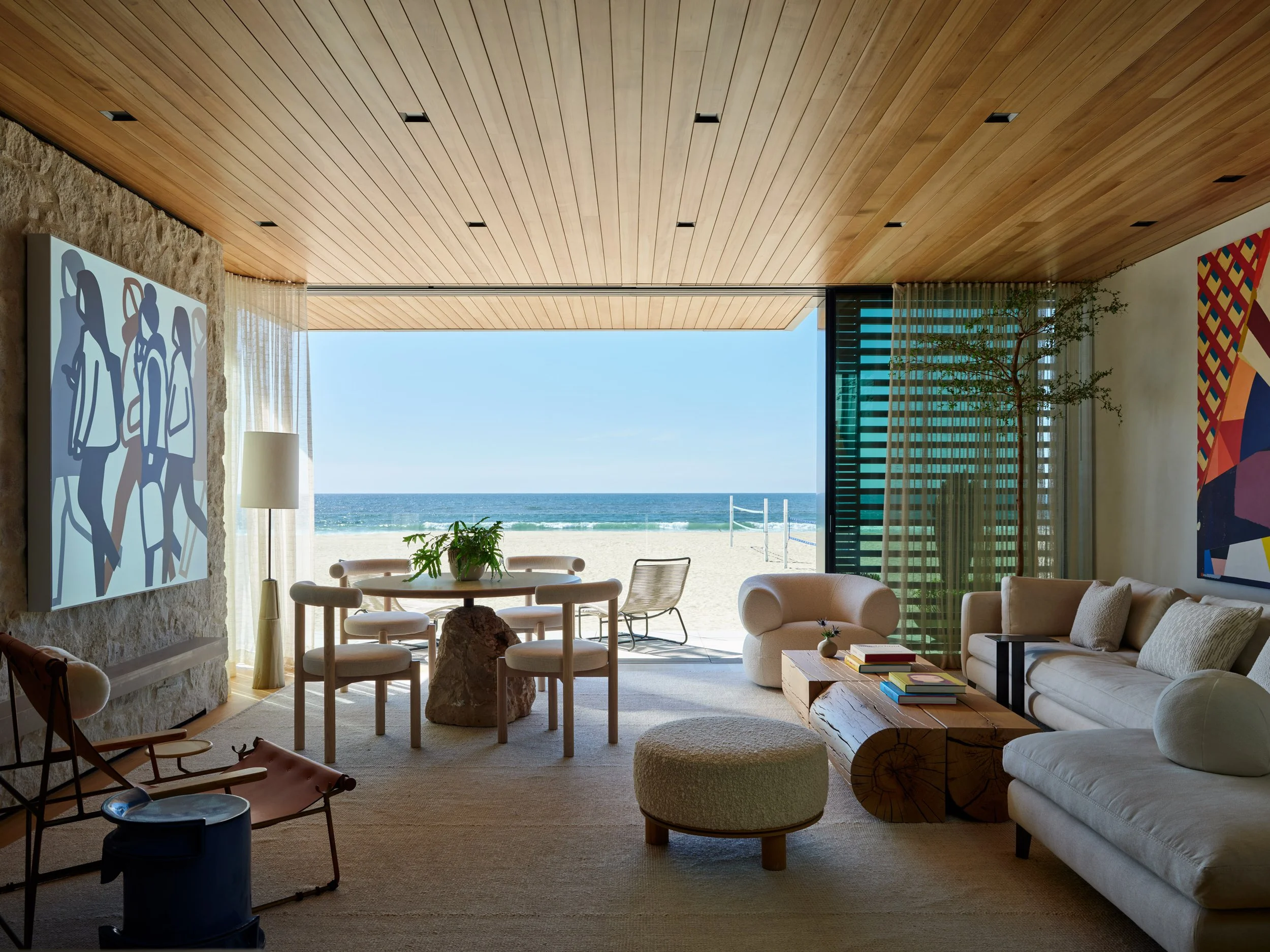
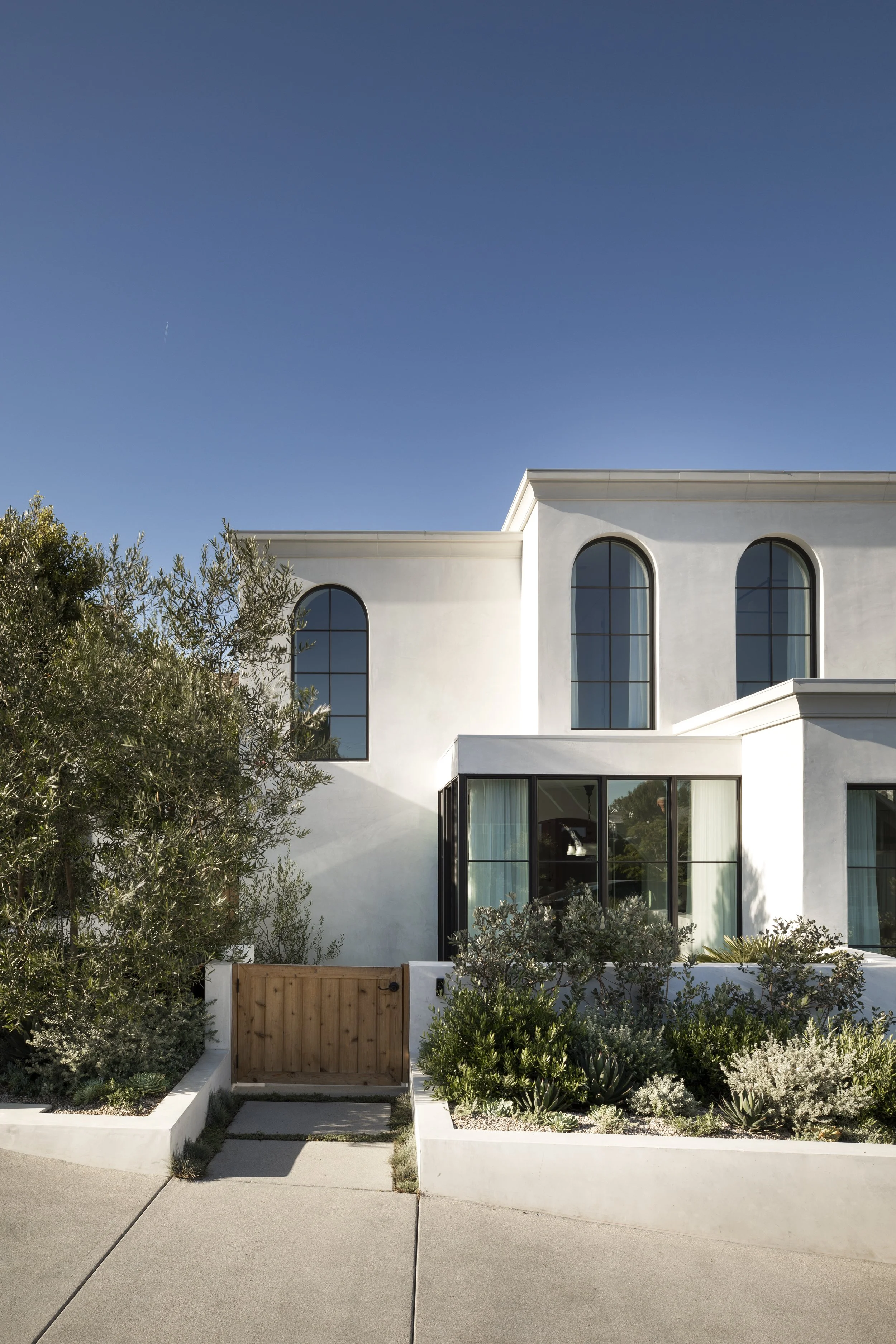
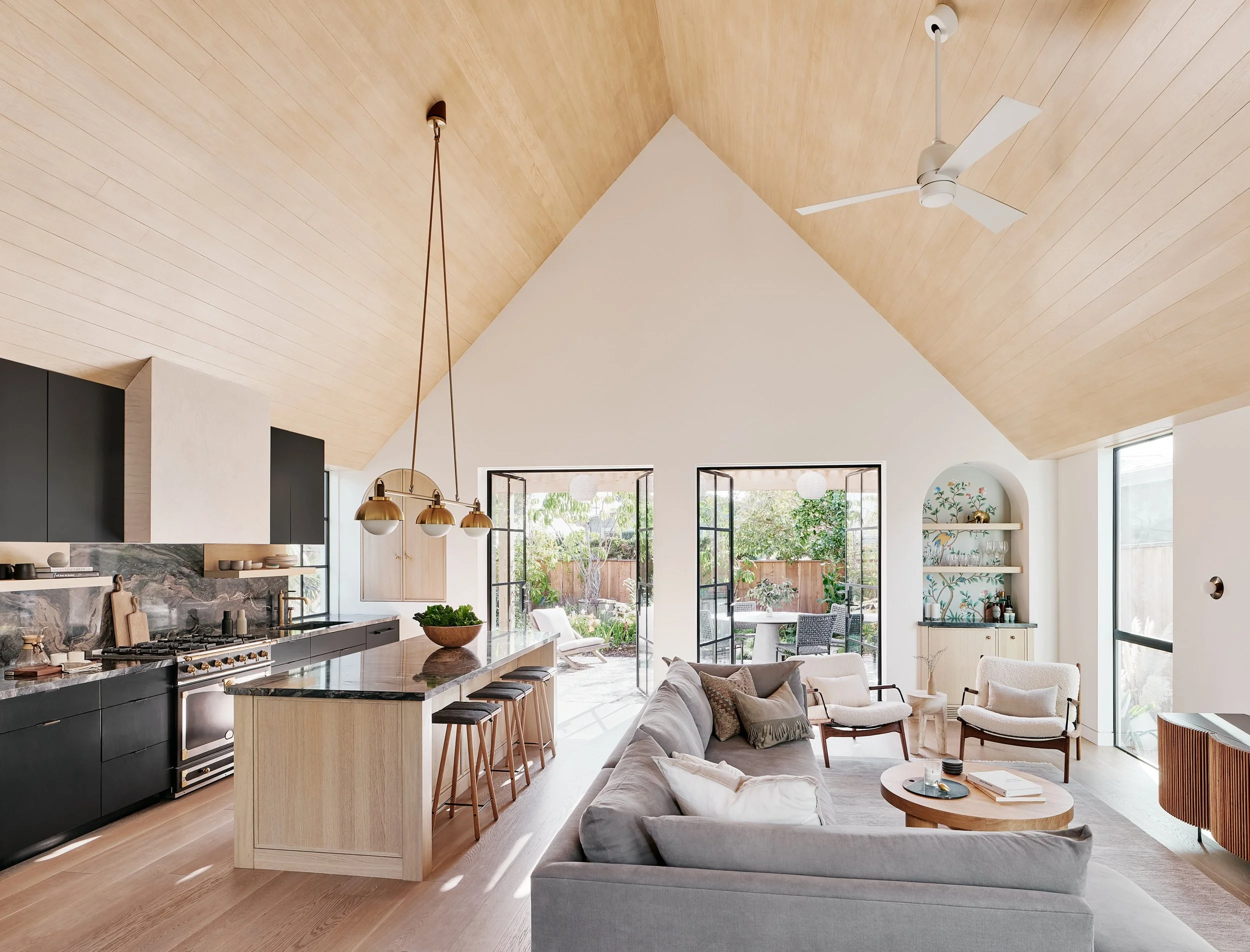
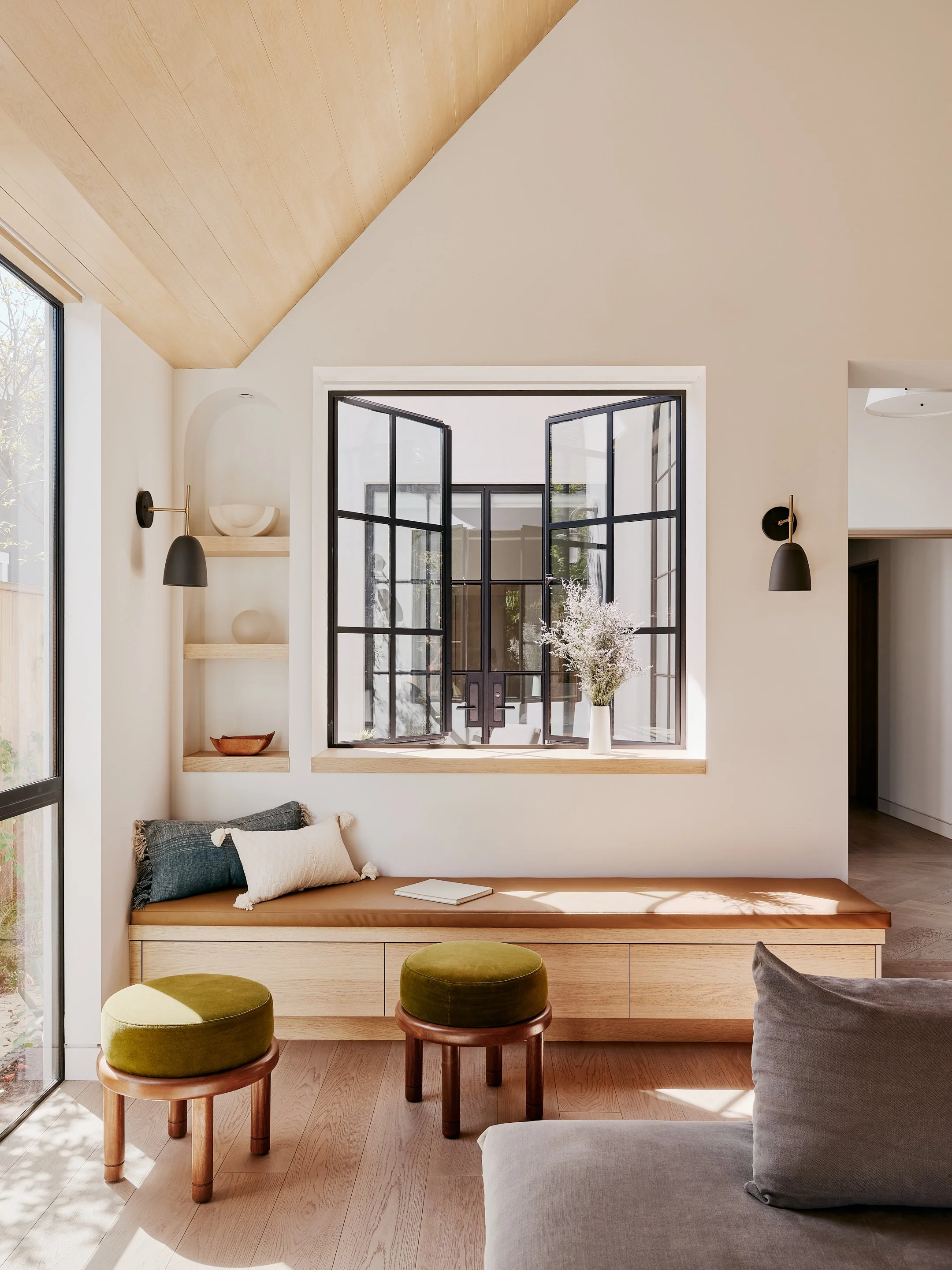
Anthony Laney is the founding partner of Laney LA, a Los Angeles–based architecture studio focused on designing thoughtful, enduring homes. His work explores how clarity, craft, and collaboration shape the experience of living, placing equal value on design rigor and human experience.
Anthony’s leadership also extends beyond design. He is a compelling voice on creative entrepreneurship and design process, frequently sharing insights about how rigorous thinking and empathetic collaboration drive enduring work. His recent monograph, Poetics of Home, offers a visual meditation on how architecture connects with identity, memory, and belonging.
Under his guidance, Laney LA’s work has been recognized with honors from the AIA and featured in Architectural Digest, Dwell, and Dezeen. A passionate advocate for design communication, Anthony has taught at the USC School of Architecture and through his practice, continues to inspire emerging designers to approach architecture as and exploration of clarity, craft, and human experience.
TIMESTAMPS
(00:00) Making a Monograph.
(09:43) Reflecting on previous projects.
(14:08) Genius Loci vs Tabula Rasa.
“In a suburban context, I'm not always proud of the place. So we are trying to erase or edit the context and create these little walled gardens. Because I don't know if the genius loci, the spirit of the place, in a true suburban context, is timeless and rich in a way that is worth always celebrating. Sometimes it is. But when you're in a natural environment, that's where I think the genius loci can be so palpable and often become one of the most relevant starting points for a design. I think the most interesting blend for us is where you have some significant natural feature, meeting an urban or semi-suburban context.” (18:45)
(22:44) Difficulty of responding to context vs not.
(26:10) Laney LA's design process & discussion.
“One of the books that inspired our monograph is called ‘The Poetics of Music’ by Igor Stravinsky. He has this wonderful quote that says, “My freedom will be so much greater and more meaningful the more narrowly I limit my field of action and the more I surround myself with obstacles. So in a renovation, those obstacles are visual and very clear. But when working with more of the Tabula Rasa, a blank slate, those can be present, but they might be harder to find, harder to see. They're more intuitive. That's where I think it's so important to pause and identify the constraints. Otherwise, we're designers, and we're happy to just start drawing.” (31:59)
(34:25) Convincing clients to trust the design process.
“The ‘knowledge attachment correlation’ means we tend to grow more attached to things that we understand well. In other words, as comprehension grows, appreciation and affection grow. Architectural concepts can sometimes be too esoteric, and we lose our clients. But if I can keep a client not only interested in the concept, but if they can fall in love with it because they understand every piece of logic behind it, they become such an invested partner in the creative process. We want to make sure that both in the discovery phase and the concept phase, our clients are growing in their attachment to the main ideas because there will be many forces; scheduled, budget, and practical forces, that are going to threaten it. So if we have a good idea, it will stand the test of time. If we don't, let that idea be killed and let a better one be discovered later on.” (35:21)
(38:07) Concept vs schematic design.
“I'm not going to be dogmatic about fighting for the original concept. I will be dogmatic about fighting for a good concept. Sometimes it comes in the middle of the project, sometimes it comes in the beginning, sometimes it comes later. But we want to find it eventually because, in my opinion, great architecture is both intellectually stimulating and meaningful in the embodied experience. In other words, my favorite homes have a great story, and I don't need to walk inside them to be inspired. I can be told about the premise and the process, and I can admire that.” (39:53)
(43:38) Client & architect co-authorship.
“It's a combination of discipline and flexibility. The discipline is to find something poetic. That's dogmatic. But the flexibility is the humility to say we think we know what it is, reality is going to test and confirm or change that, and we're going to learn more. You can't imagine a 500-page novel on the first day. There's going to be surprises along the way. So I feel like architects are in this dance with the reality of attempting to predict the future, but also, hopefully inventing when we don't get it right.” (44:17)
(49:28) Sense of home & book audience.
(52:24) Rhythm of Home.
(54:43) Process of creating a Monograph book.
(01:03:32) How producing a book impacts the design process.
(01:06:08) Feedback on book.