SUMMARY
This week, David and Marina of FAME Architecture & Design are joined by Charles Durrett, Principal Architect of The Cohousing Company. The three discussed Charles’ education background & research project, influencing culture change through co-housing, what is co-housing, how does a co-housing project start, leading a co-housing project as an architect, what draws people to co-housing, building community, cost of construction, how to increase no. of co-housing projects, maximum and minimum of co-housing residents, and more. Enjoy!









ABOUT CHARLES
With a career dedicated to designing sustainable, community-oriented spaces, Durrett is widely recognized for his contributions to cohousing and collaborative living environments. His expertise merges architectural excellence with socially responsible design, making him a leader in shaping inclusive and sustainable communities.
In 1985, Charles Durrett coined the term “cohousing” based on the Danish concept of bofællesskaber, which translates to "living communities." After dedicating years of research in Denmark, Charles Durrett, with Kathryn McCamant, introduced the concept of cohousing to the United States with the seminal book Cohousing: A Contemporary Approach to Housing Ourselves. Now with 40 years of experience, Durrett is dedicated to supporting the growth of new and diverse community-orientated housing projects. As an architect, he realized long ago that developing healthy environments requires starting with the culture and seeking a much wider array of issues than just the sticks and bricks.
Durrett and his team at The Cohousing Company have designed over 55 cohousing communities around the world, including Muir Commons in Davis, California, the first cohousing community in North America. His work has been featured in Time Magazine, The New York Times, The Los Angeles Times, The San Francisco Chronicle, The Guardian, Architecture, The Wall Street Journal, The Economist, and many other publications.
Charles Durrett has received numerous awards, some of which include the World Habitat Award presented by the United Nations, the Silver Achievement Award for Active Adult Community by the National Association of Home Builders (NAHB) 50+ Housing Council, the Silver Energy Value Housing Award by NAHB, the Mixed Use/Mixed Income Development Award presented jointly by the American Institute of Architects and the United States Department of Housing and Urban Development and a recipient of the Global Over 50’s Housing/Healthcare award. He was also recently declared as a “visionary of the Sierras” by the Sierra Business Council, and the International Property Awards.
In 2023 Charles had the honor of personally meeting with the President of Iceland, Guꝺni Thorlacius Jóhannesson, to present his book One Life, Live It! He continues to devote his efforts to public presentations including two to the United States Congress and the American Institute of Architects. Along with scores of presentations to universities such as Princeton; Stanford; UC Berkeley; University of Oregon; University of Wisconsin-Milwaukee; University of Minnesota; Oklahoma State University; and his alma mater, California Polytechnic University. The Royal Danish University, School of Architecture, The University of Lund in Sweden; The Art and Architecture Institute of Iceland in Reykjavik; Simon Fraiser in Canada, and a dozen universities in Germany, and many more.
Continuing his commitment to education, Charles Durrett shares his expertise in architecture and affordable housing developments through teaching and presenting as a keynote speaker. His academic focus on community architecture and participatory design encompassing the development of affordable housing, mixed-use projects, public buildings, institutional and educational infrastructures, cohousing communities for neurotypical individuals, neurodiverse individuals, seniors, families, and facilities designed for children. All while addressing socio-economic and environmental challenges.
TIMESTAMPS
(00:00) Charles' background.
(06:23) Charles' education & research project.
(11:57) Influence culture change with co-housing.
“I believe everybody has a little bit of Architect in them, and everybody comes to the table with values and experiences. So, my job is to get that to resonate with each other. They learn so much about themselves during a project, but what they mostly learn is how they manifest their beholding goals around living in a more sustainable place. We had finished a project where 23 out of 26 people were first-time homebuyers. We're constantly in the position of beer budget, champagne taste, and the champagne usually runs around sustainability. They had it in them; all it took was a little conversation about, “Has anybody been to a clear-cut forest lately and seen what it does to the habitat, watershed, and air quality?” Then all of a sudden the conversation was in short order. I offer them all sustainably grown lumber, and it costs about $2,500 a house, but they consent to that and we saved money on so many other things.” (14:20)
(16:50) What is Co-Housing?
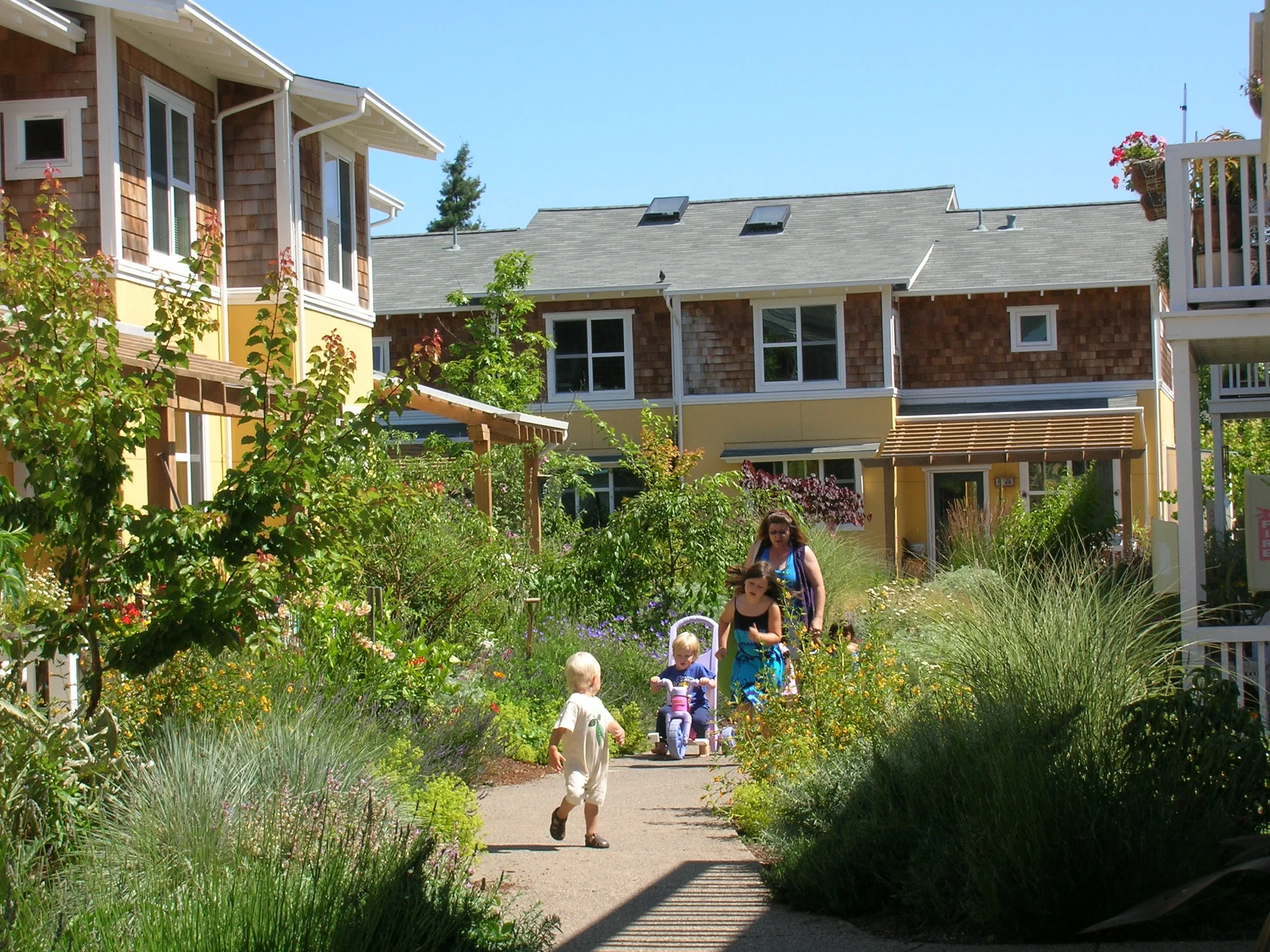
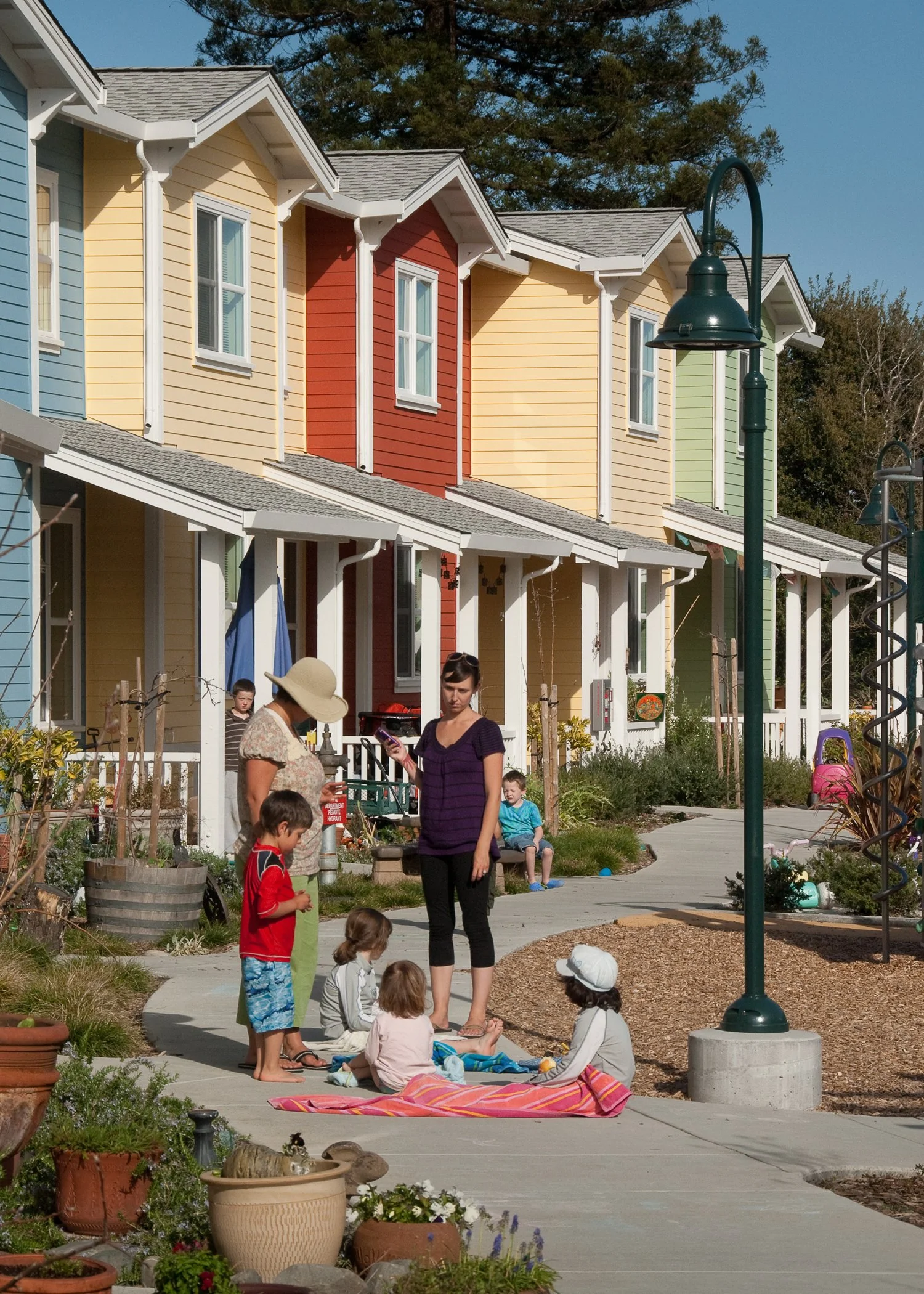
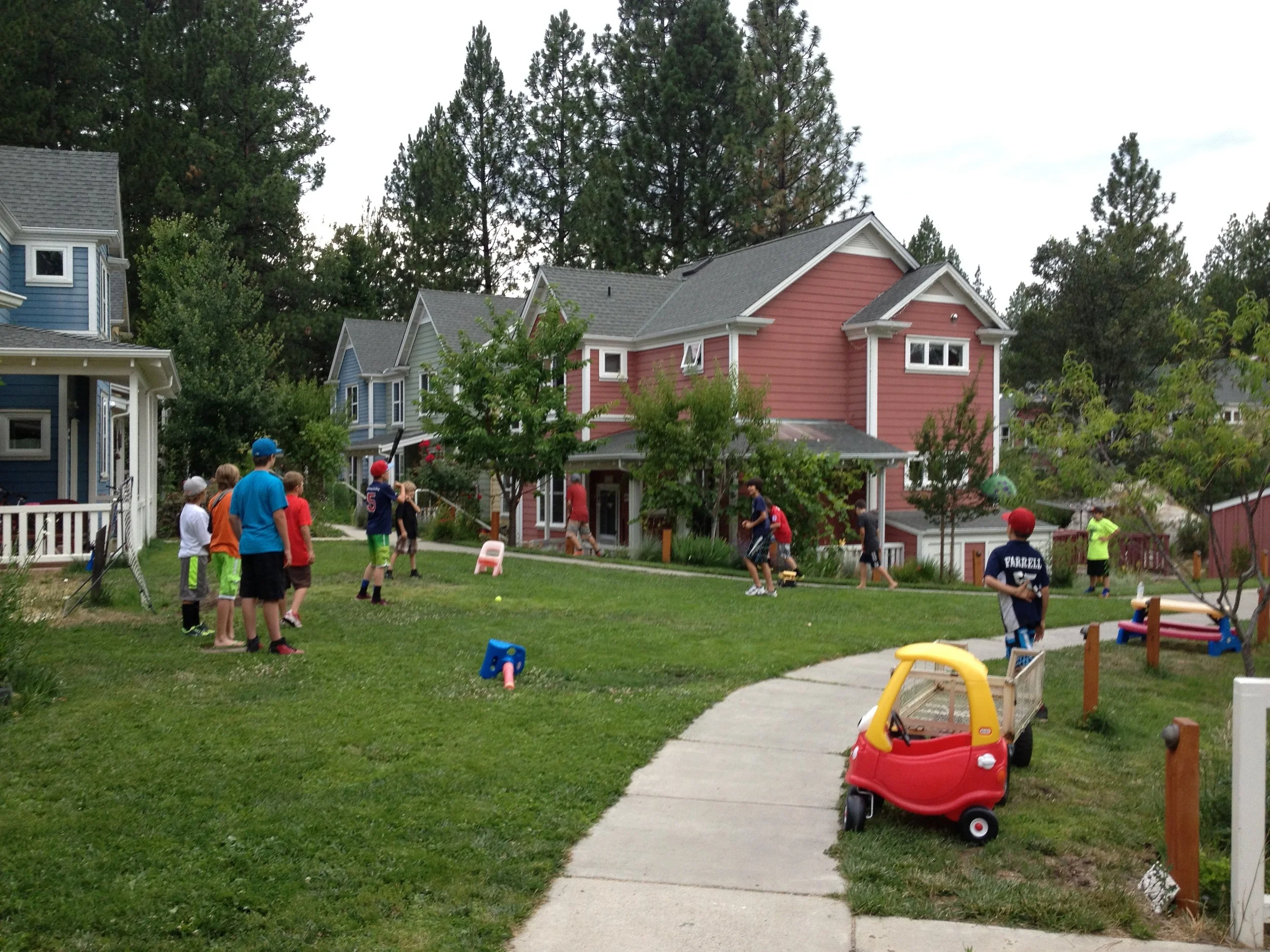
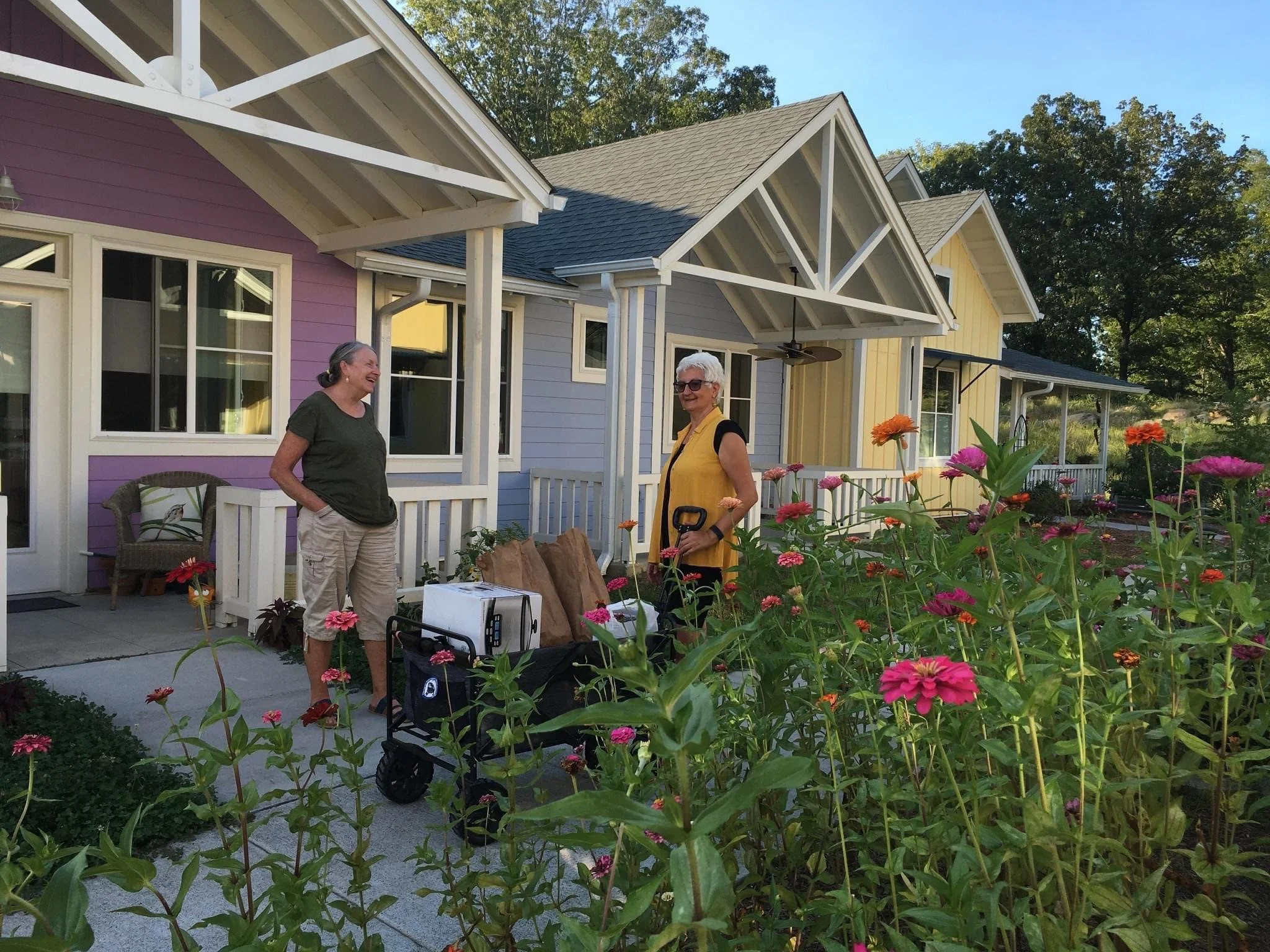
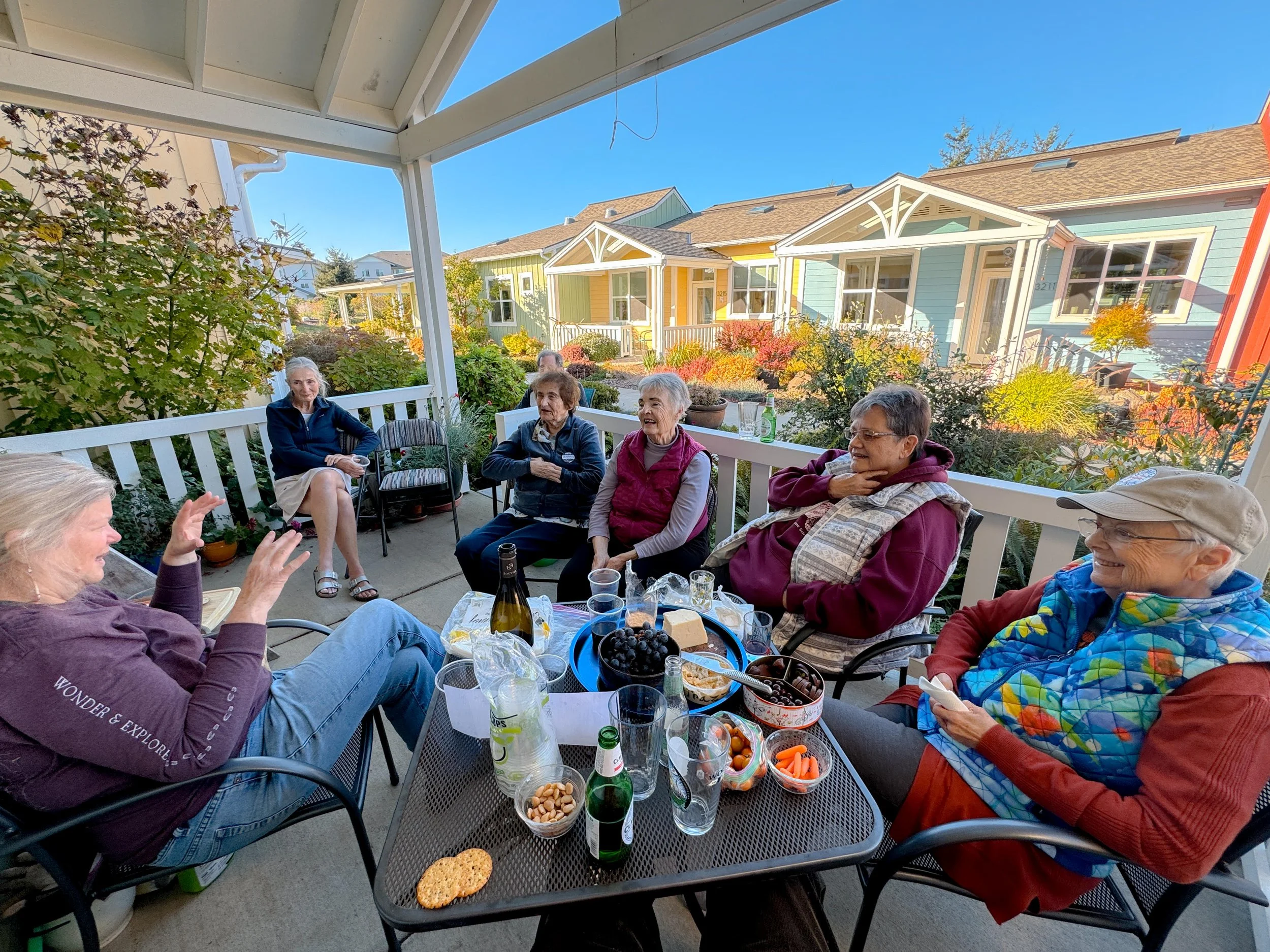
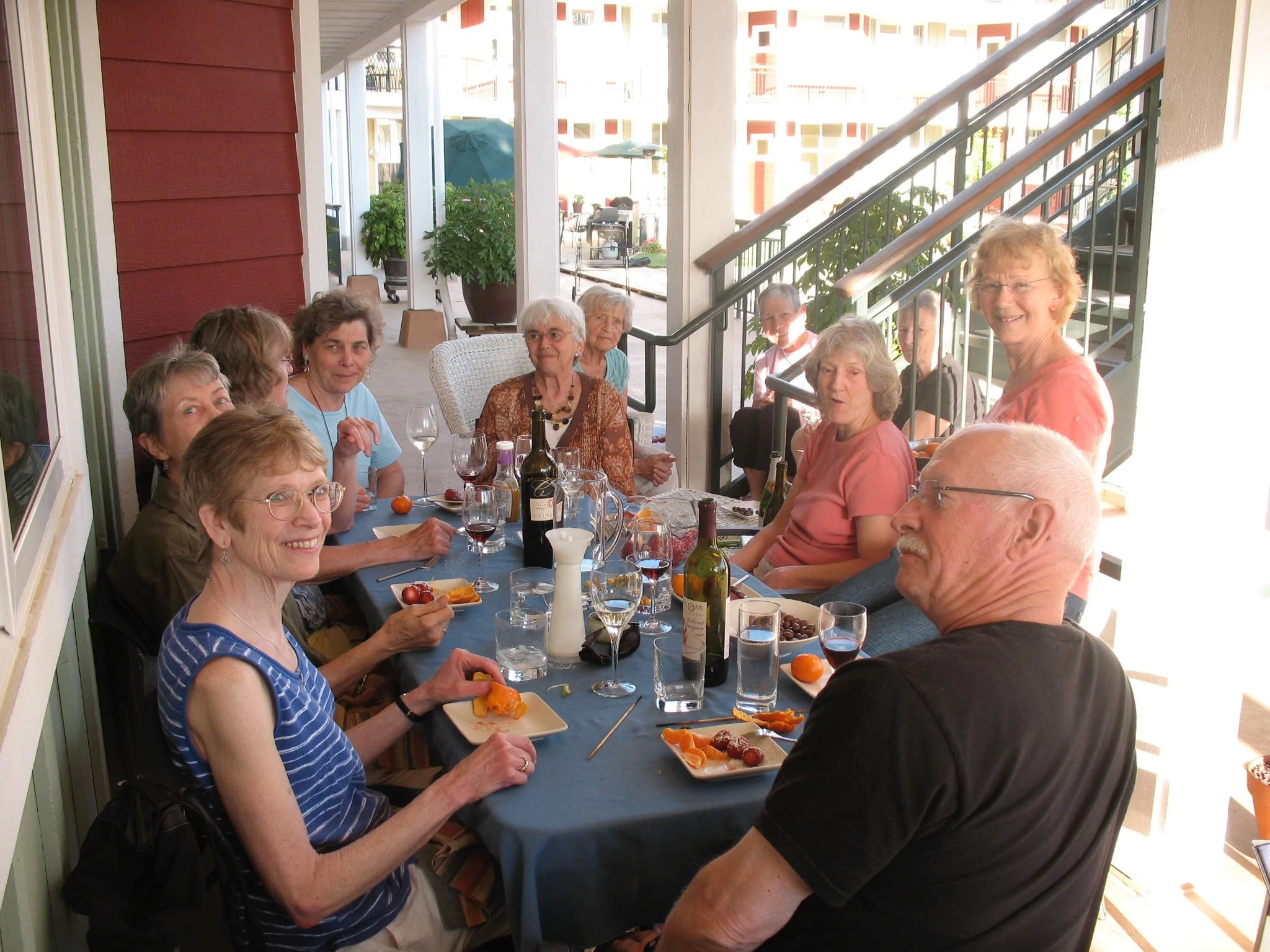
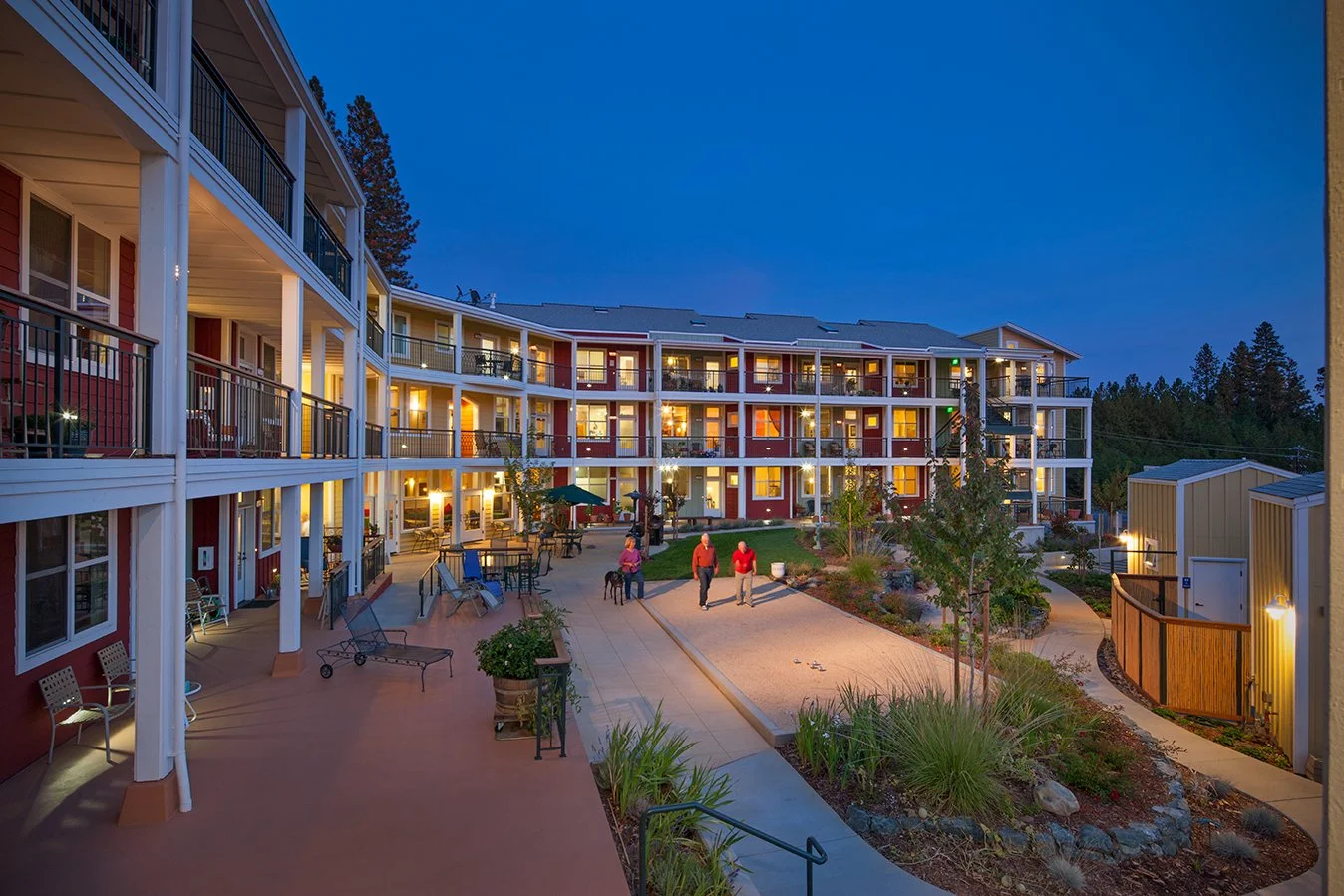
“By definition, co-housing is about knowing your neighbor, caring about your neighbor, and supporting your neighbor. We have 3 acres for 34 houses, and we park all the cars on one side. Everybody has to walk some distance to get to their house, and the older people live closer to the common house. But we had an elderly woman who moved further away from the car park, and I asked her why she had moved. She said, “I find that my life is better if I know my neighbors, and I know my neighbors because I walk home.” There are also extensive common facilities to supplement the private houses, like we have two guestrooms, and we have dinners 4 or 5 times a week. Moreover, it is entirely self-managed. There's no management and every adult is on the board. Every decision is made by consensus. We meet two hours a month to accomplish that.” (18:44)
(23:33) How does a co-housing project start?
(30:45) Leading a co-housing project as an architect.
(36:06) What draws people to co-housing?
(47:17) Building community.
(51:00) Building co-housing through community cooperation.
“The only way you're going to be able to afford housing is if you get organized. And if you get organized, you'll get things done so much easier, so much better than if you go it alone. We have so much pull yourself up by the bootstraps in this culture that we make it harder, a lot harder than we have to be. When we started that project, the average house in Vancouver was $778,000. We had to make houses for 2 or $300,000. We could only accomplish that by cooperating and being super organized. What they did was buy two single-family houses and had it rezoned. Rezoning is challenging. Co-houses do it a lot, but it's very, very complex. This was a very old traditional single-family house neighborhood. We had 0.61 acres, and we had to make 31 houses on it. And, we did, it's affordable, lively, and beautiful. But they only did that by lobbying politicians, etc., because they knew how to organize. Most people don't even know how to begin to get organized.” (52:10)
(57:32) How co-housing members are replaced.
(01:00:12) Cost of construction.
(01:05:23) Distance between work and home.
(01:10:35) How to increase the number of co-housing projects.
(01:16:47) Maximum & minimum of co-housing residents.
“Don't build a co-housing community with more than 50 adults. You don't want to try to get a consensus with over 50 adults. But at the same time, try to get as close to 50 adults as you can, because that way every individual living there has 4 or 5 really great friends over the years. In other words, it all comes down to probability. The second reason is that, if you don't cap it at 50, the responsibilities get delegated a little bit too much and you start to feel like you have a mini city government. Of course, we have a lot of allocated responsibilities here, but the brainstorming and decisions happen a lot at the common meetings. The minimum no. of households should be 15. I’ve been to about 385 co-housing and any time there were less than 15 households, they would always say, I wish it was a little larger. It has to do with the probability of building close relationships. At 50 people, you're going to get that kind of probability working for you.” (01:17:35)
(01:19:37) Favorite building.