#495 - EKATERINA SOLOMEINA, Creative Director & Co-founder of Future London Academy
SUMMARY
This week, David and Marina of FAME Architecture & Design are joined by Ekaterina Solomeina, Creative Director & Co-founder of Future London Academy. The three discussed Ekaterina’s background, the creative vs logical brain, working with Michael Wolff, talent vs learning, entrepreneurship as creatives, starting Future London Academy, FLA programs, participant selection process, designing a learning program that works, AI & adaptability of the program, and more. Enjoy!







ABOUT EKATERINA
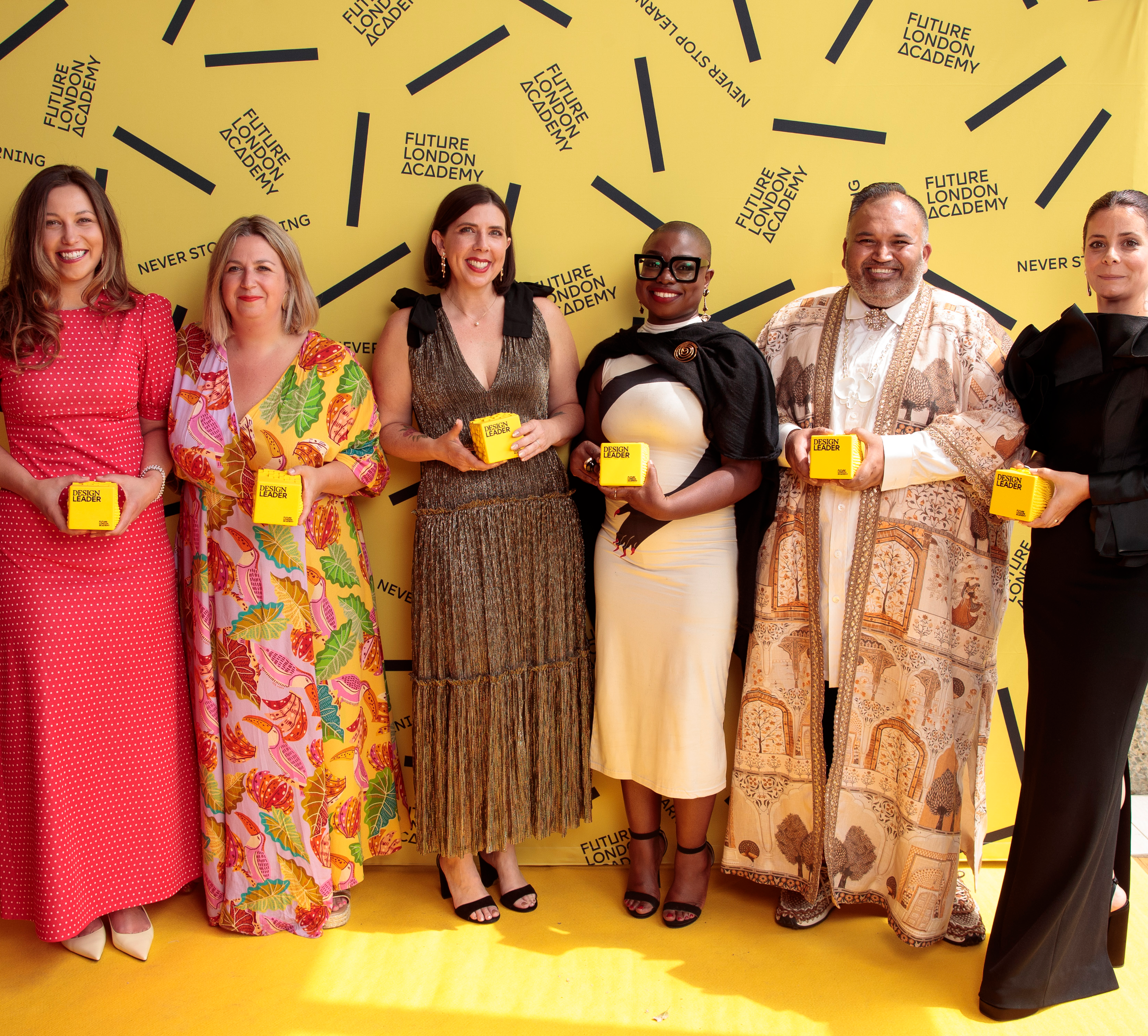
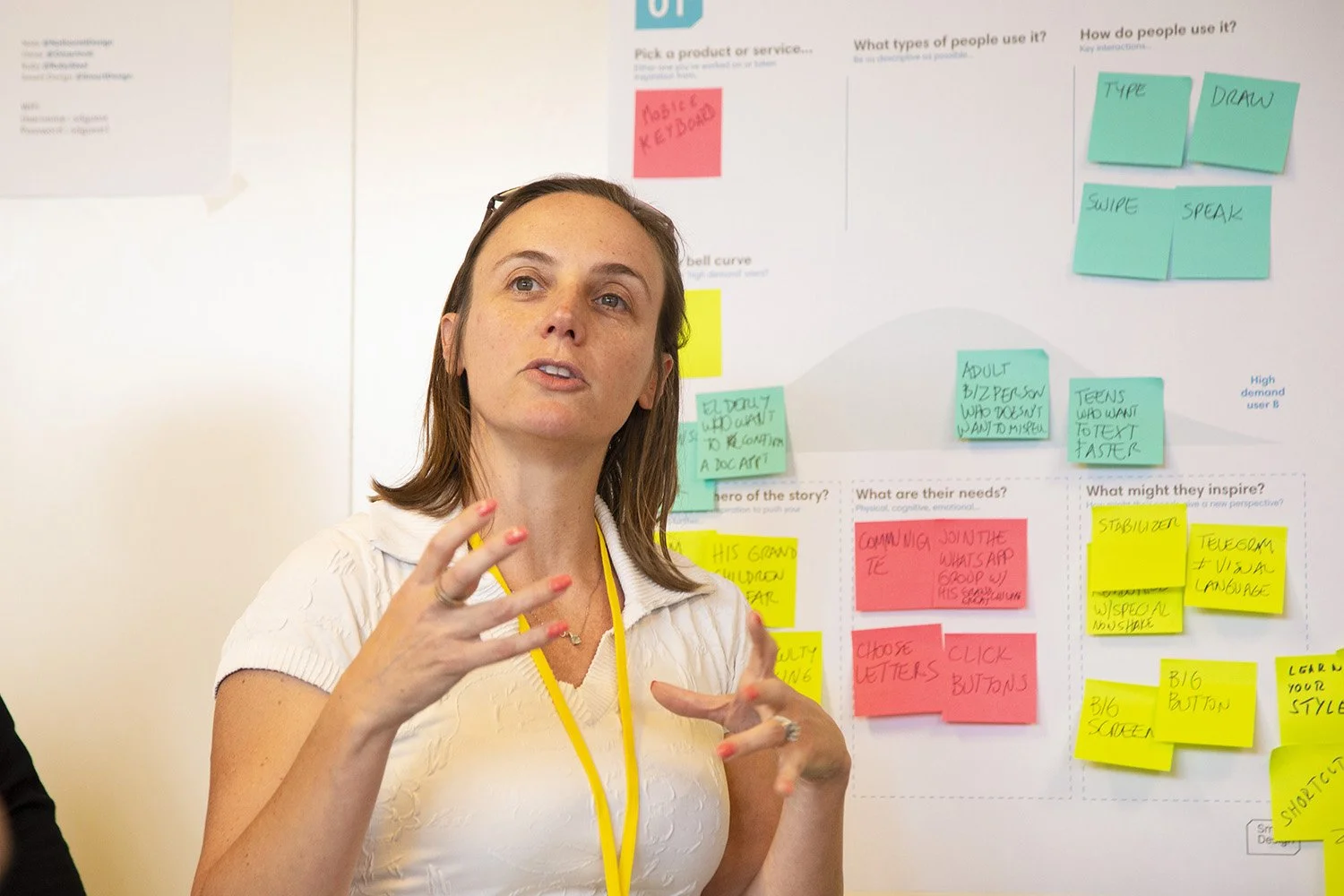
Ekaterina Solomeina is a creative director, TEDx speaker and co-founder of Future London Academy - an executive school for creatives recognised by Don Norman Design Award, It's Nice That, Dezeen and AIGA.
For 20 years, she worked as a creative director with icons like Michael Wolff and Donatella Versace and co-wrote a book about British Design.
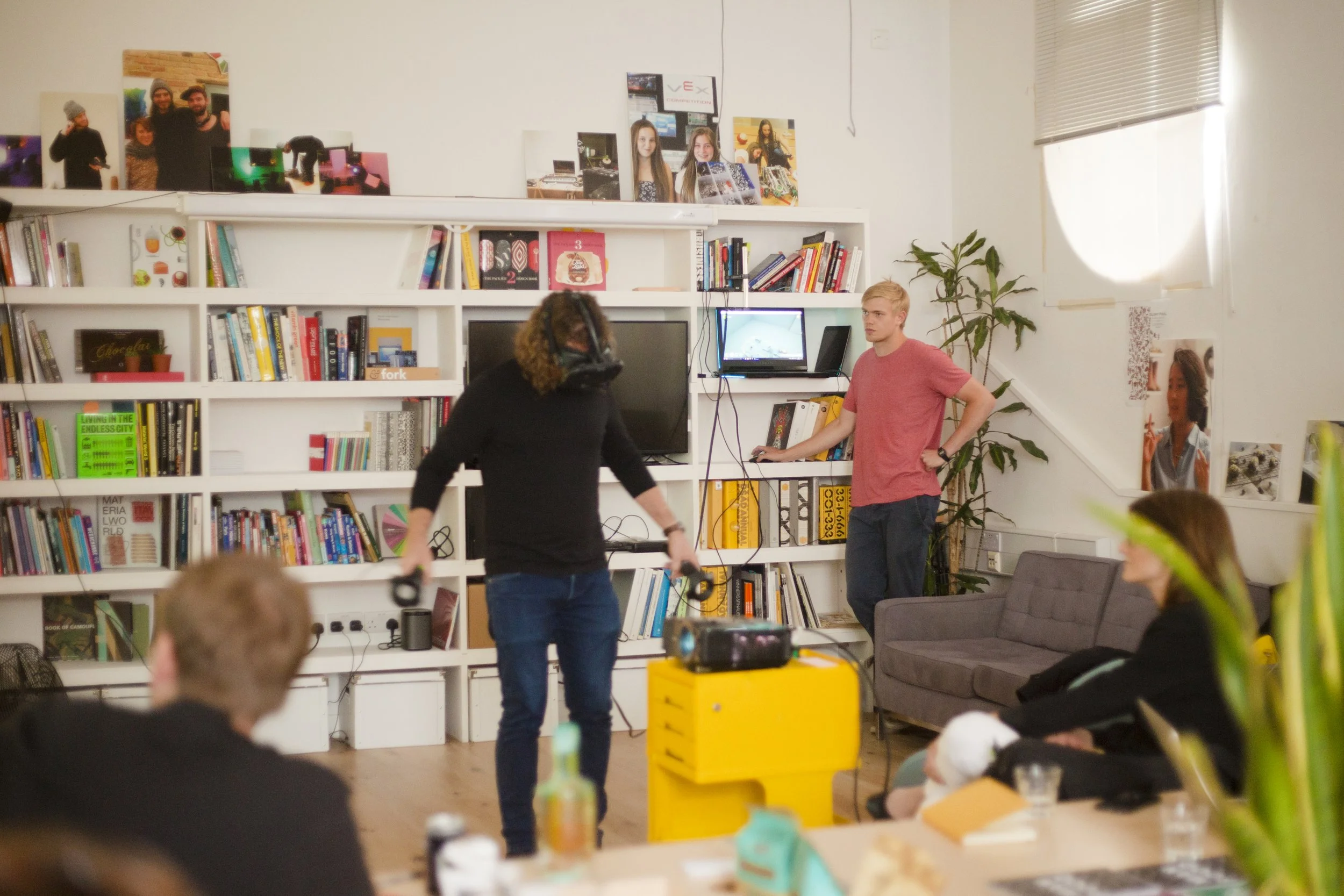
In 2013, she co-founded Future London Academy, revolutionising how creatives connect, learn and lead – uniting thousands worldwide and inspiring them to scale their impact. Future London Academy's alumni lead design at the most iconic companies, including Apple, Nike, Netflix and BMW.
She also hosts Creative Capes, named top design podcast by Wallpaper and Smashing Mag, where she interviews icons like Don Norman, John Maeda, Maria Giudice, Kate Stanners and Stefan Sagmeister.
TIMESTAMPS
(00:00) Ekaterina's background.
(04:09) Creative vs logical brain.
“In architecture, you need a combination of creative and analytical skills, and I believe that is the best combination for any job. You’ll have situations where you need to come up with new ideas and solve problems creatively and non-linearly, and you have to have this ability not to be afraid of something that is so fuzzy and unknown. On the other hand, you have to have these divergent thinking where you can analyze ideas, decide on things, and come up with solutions. The best people out there have some sort of combination of both. That translates into entrepreneurship as well. When you are a founder, you have to be very creative in many situations because there are problems that you've never solved before. But you also need to have some sort of structure and system.” (04:37)
(10:46) Working with Michael Wolff and Versace.
“Michael Wolff said that, “The number one muscle you need to train as a creative is curiosity.” When you sit in a restaurant with him, he will notice 5 million things that you didn't. That ceiling, that window has this color; that waiter’s earrings are so beautiful. He would constantly notice things everywhere. He always said that every time he leaves his house, he sees the world for the first time because he has never seen this version of the world before. I think it's so incredible to have this mindset of never being bored of what you see, even if you're taking the same route, even if you live in the same house. To constantly be surprised by something you haven't seen, because yesterday was a different day. He still has this mentality, even when he's over 90, he cannot be bored. I think that's how we should live our life, to be creative at any age.” (16:09)
(19:22) Storytelling skills talent vs learnt.
(25:19) Entrepreneurship as creatives.
“There is this extra set of skills that is needed when you reach a certain point in your career. Roughly 15 plus years in, you’ve nailed your craft and succeeded within your creative field, but then you feel like you’ve hit the ceiling. Knowing more design skills are not going to take you anywhere further. But you also don't know what you don't know. What do I even need to learn to get to the next level, whether it is to become a Chief Design Officer, or whether it is to scale my company? That was the question that I had in my mind and I didn't have an answer. So I went and spoke to the top CEOs and CFOs, understanding how they got to where they are, what did they need to learn? I also talked to the top academic institutions, understanding what MBAs are, and what is actually helpful and what is not important. It was very helpful to understand what a more holistic approach to design leadership, scale, and next level career looks like.” (27:21)
(37:46) Starting Future London Academy.
“We had a few people who did MBAs and then went to study our program. They basically said that everything you learn on a traditional MBA can be Googled. In any traditional MBA, you are given case studies from 20 years ago, you are given frameworks from books that you could read and download, it's all out there, there’s nothing new. But the thing that's missing is how does it apply to real life? How do you use these things to grow your business, or to run your team, or to hire people? That's why everyone who goes through our program says that it is actually incredible to see real CEOs teaching you how they look at metrics, or what their day to day life looks like, how they make decisions, and how they frame everything to make sure that they prepare for growth or different seasons in the company. That knowledge can't be found anywhere, because these people are not really interested in sharing or writing blogs and books about it.” (41:10)
(43:13) Future London Academy program.
(50:26) Future London Academy participant selection process.
(57:01) Designing a learning program that delivers results.
(01:04:06) Future London Academy cohort size.
(01:07:14) Relationships built in the academy.
(01:10:56) AI & adaptability of the program.
(01:12:51) Ekaterina's favorite building.