SUMMARY
This week, David and Marina of FAME Architecture & Design are joined by Ben Uyeda, Designer at Large & Co-Founder of Reset Hotel. The three discussed Ben’s educational background, cost-effective modular homes, mediocre built environment as a point of inspiration, balancing conceptual & practical thinking, launching a successful firm, the business of architecture, why Ben left architecture, designing for the masses, a solution to wasted intellectual work, an alternative approach to affordable housing, and more. Enjoy!









ABOUT BEN
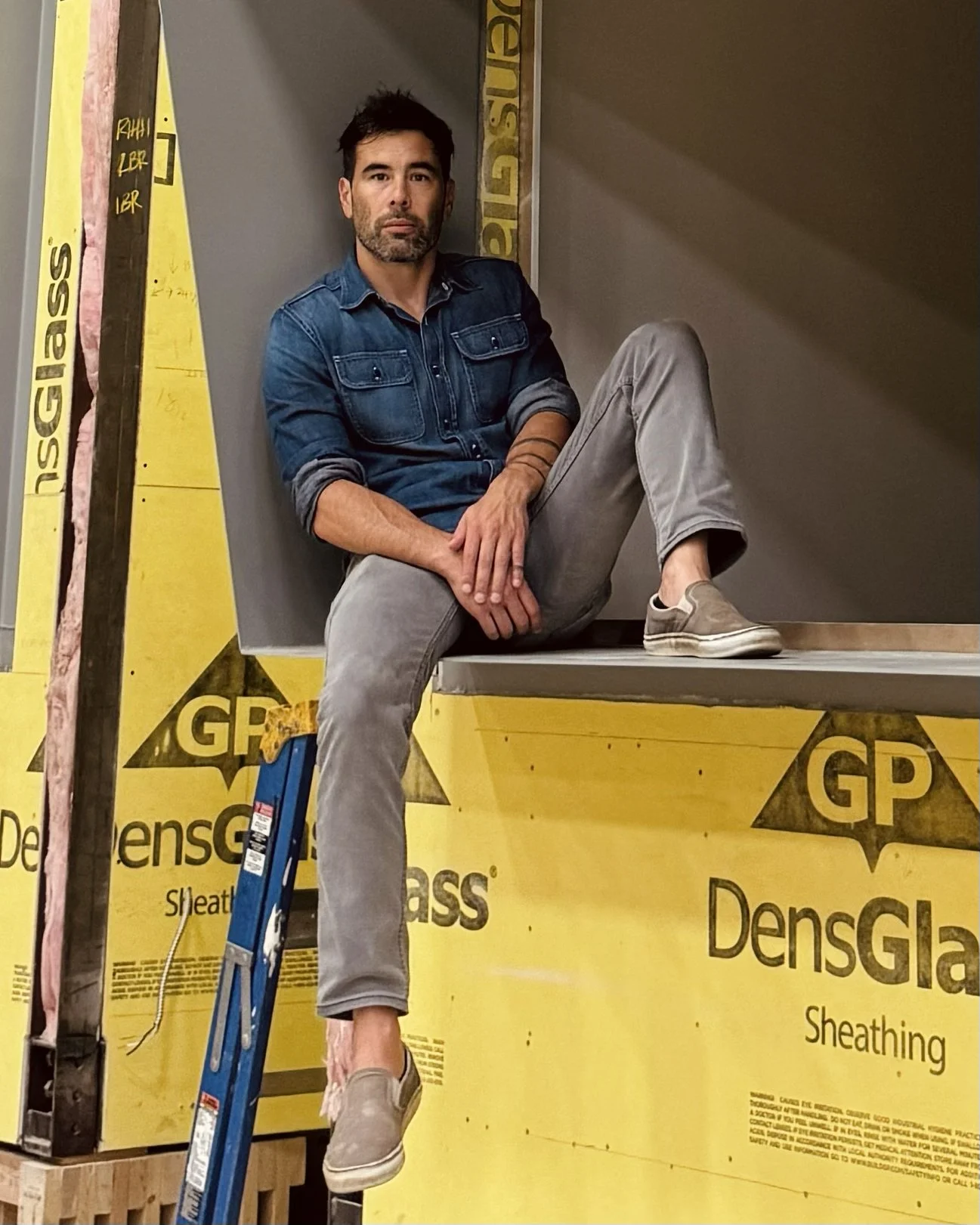
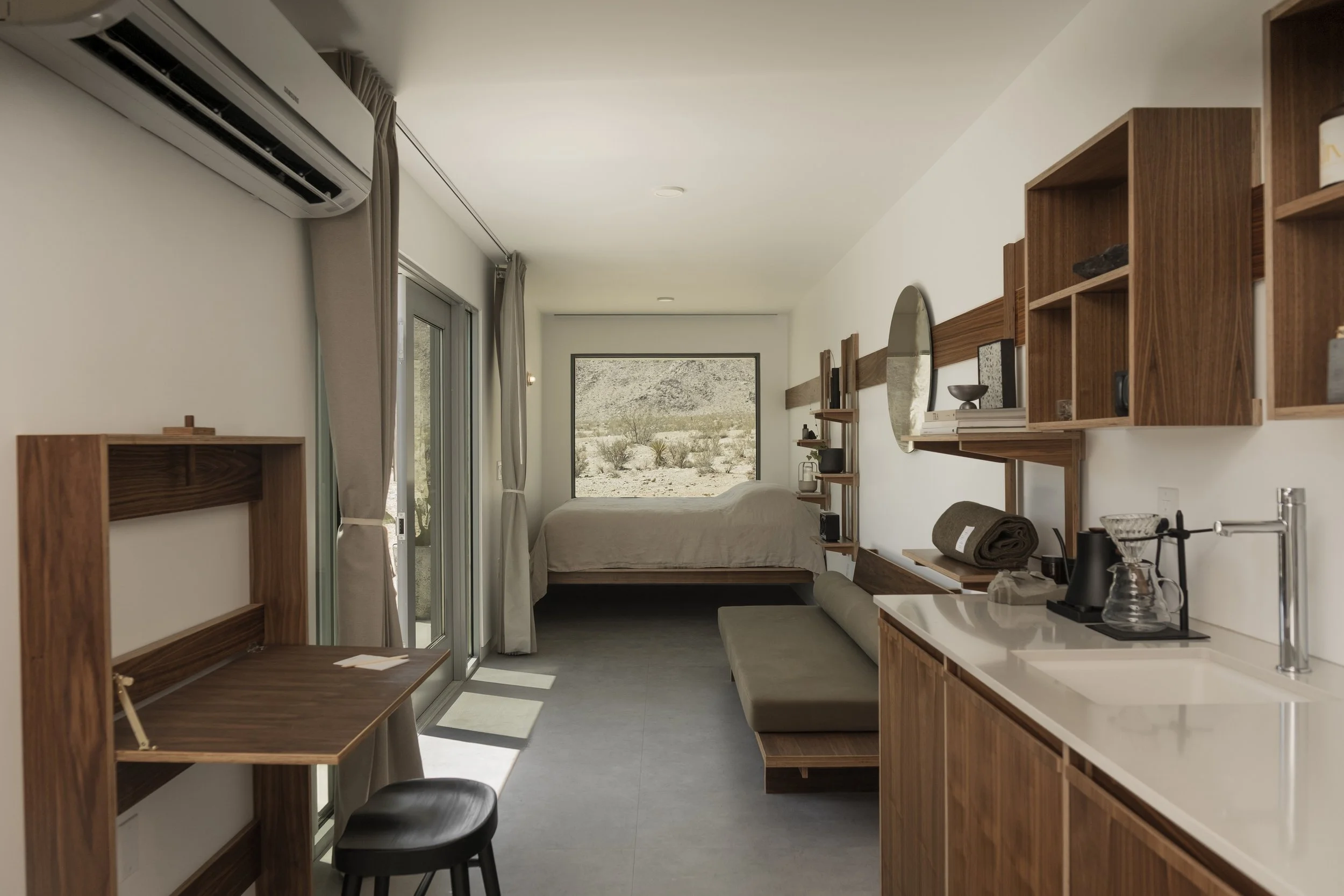
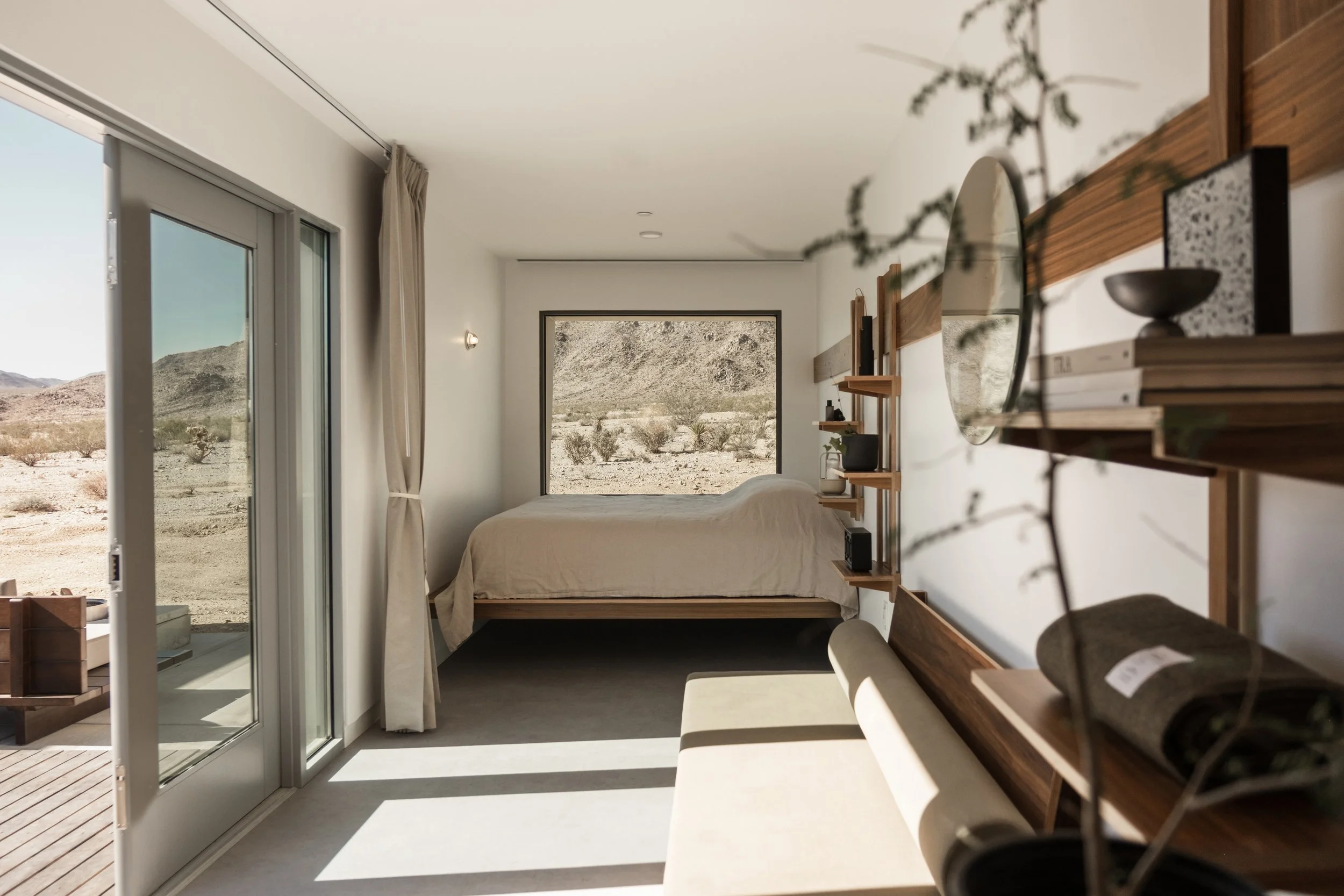
Ben Uyeda stepped away from the award-winning architecture firm he co-founded, as well as academic positions at Cornell and Northeastern Universities, to directly deliver affordable designs to the masses via digital media. In the last 10 years, Ben’s design ideas have reached more than 500 million people and the free designs he gives away have been built on six different continents. Despite the populist and affordable nature of his work, Ben’s designs have been featured in exhibitions at the Vitra Furniture Museum in Germany, the Anchorage Museum, and the Egyptian Museum in Tahir. Ben is a co-founder of the RESET Hotel which is a 65-room modular hotel right next to Joshua Tree National Park.


TIMESTAMPS
(00:00) Mediocre built environment as a point of inspiration.
“In architecture school, all of our case studies would be these magnificent pieces that were rare commissions. You're looking at success that was derived after the commission of a lifetime was given. I always felt that when you finished a building, you kind of want to be like, “Wow, this is amazing! We created this.” But you're not really factoring in that if our firm didn't exist, another firm would have gotten the project. Our actual impact is only how much better we are than the other firm. In some cases, they might have been better. Where we should look for inspiration is towards what's not being designed. I think less than 5% of the houses built in America have direct involvement from an architect. About 30% of them came from stock house plans. If you're looking for how to make the built environment better, you should look at where it's being neglected, not where there's this bottleneck of all these talented creative designers trying to compete for the same commission.” (01:55)
(05:43) Cost-effective modular homes.
(08:49) Ben's educational background.
(25:20) Practical vs theoretical focused universities.
(35:00) Balancing conceptual & practical thinking.
“The comparison for architecture that I really like is food, because when it comes to dining, we actually like all levels of conceptual ideas versus just craftsmanship that has very little coherent thought into it. We want all aspects of design. We just want them in different proportions at different times, and everybody's formulation of how esoteric they want their design world to be versus how practical and efficient, I think that all has a place. In the profession, I think sometimes we may take it as too zero-sum. If we think about the best experience we had with food or travel, I think that’s another type of inspiration for how we don't have to commit to one of these lanes. We actually might want to explore the esoteric thing once every couple months or years periodically, but not have to have it be the centerpiece of every project that we do. ” (37:56)
(40:37) Launching a successful firm.
(43:20) Business of architecture.
“Architecture is not an art form, it's a profession. It's classified as such so you have to think of it that way, especially if that's what you're going to do for a living. When we look at the history of art, design, and architecture, we often remove the business components that were essential to things happening. When we separate business from art and design in the past, we tend to be really frustrated with the present. But really, I think these dynamics are much more eternal.” (43:33)
“The unfairness of the systems in the world can be inspiring, but it can inspire more of a desperate survival kind of climb. You know someone’s smart when they can see a system as unjust but separate out the part that they disapprove of and not take any action because they're so upset by it. For me, I’ve always observed all these things as, “Okay. The rich kids are going to have an advantage because they're being supported while they can get their credentials polished by working for one of these prestigious firms. Great. Not good or bad. I just have to do something else.” As long as you take that mentality of eliminating options that aren't right for you, you don't have to judge them. You just have to say, “This isn't what I want to do. I'm going to do something else, and I'm going to try this. Oh, that doesn't work. Now I'm going to try this.” Because the more time you spend wallowing in the unfairness of it, the more you set yourself back.” (46:16)
(47:59) Why Ben left architecture.
“We produce so much intellectual waste with every design we create. Every time an architect designs a house, they actually design like 20 to 30 houses in various stages of completion. You may meet with a client, get their brief and interests, and present three different schematic designs. They pick the one that they like the best, or they always want to combine things from both. Then you do another three options to develop that, and you're trying to steer it and get more of that intellectual purity back in there. So over the months of meeting with them and getting a design that they're comfortable with, you've actually produced all these fragments of designs that were actually probably more conceptually pure and focused than the resulting project that was picked by their specific lifestyle. So, you have a ton of intellectual waste.” (49:28)
(52:05) Designing for the masses.
(59:15) Solution to wasted intellectual work.
(01:06:55) Alternative approach to affordable housing.
“One of the fundamental challenges that architecture has as a profession is that at the residential level, people think they're paying for a house plan. They think they're paying for the drawings and not for the service. Architecture is a professional-grade service that helps you manage one of the most important investments you're ever going to make, your residence. Having that kind of check and balance so you don't get taken advantage of, quality control, helping you deal with the administrative bureaucracy of permitting, etc, that is a comprehensive, valuable service that deserves compensation. All of those things add up to a level of care that's not affordable for the vast majority of people. If you put the burden on architects to make that cheaper, they're in a really tough place where they want to maintain their ethics and quality of service, but for a fraction of the price. If you try to scale everything down, everything gets diluted, and the pressure and constraint build. When you try to value-engineer an expensive building into a cheap building. I almost feel like you should start from scratch and just design a cheaper building, because the value engineering of the expensive thing into nothing is exhausting, and it's painful because all of those things are in there for a good reason, and you're better off starting from scratch.” (01:09:33)
(01:18:33) Ben's favorite building.