#499 - STEVEN FLEMING, Architect, Author, and Design Educator
SUMMARY
This week David and Marina of FAME Architecture & Design are joined by Steven Fleming, architect, author, and design educator. The three discussed Steven’s background, Platonist & utopian architecture, architects & visionary work, famous architects’ commissions and client relationships, issue with architecture teachers, Steven’s career journey, books & bikes, mission as a teacher, architecture tutor, teaching high schoolers design thinking, and more. Enjoy!









ABOUT STEVEN
Dr. Steven Fleming is an architect, author and design educator. He began his career in Singapore in the 1990s, contributing to public housing projects and the design of a major public park. In the 2000s he was an academic in architecture and urban design, teaching and researching design education, including a funded project in 2006 observing design critiques in architecture schools in New York and Australia.
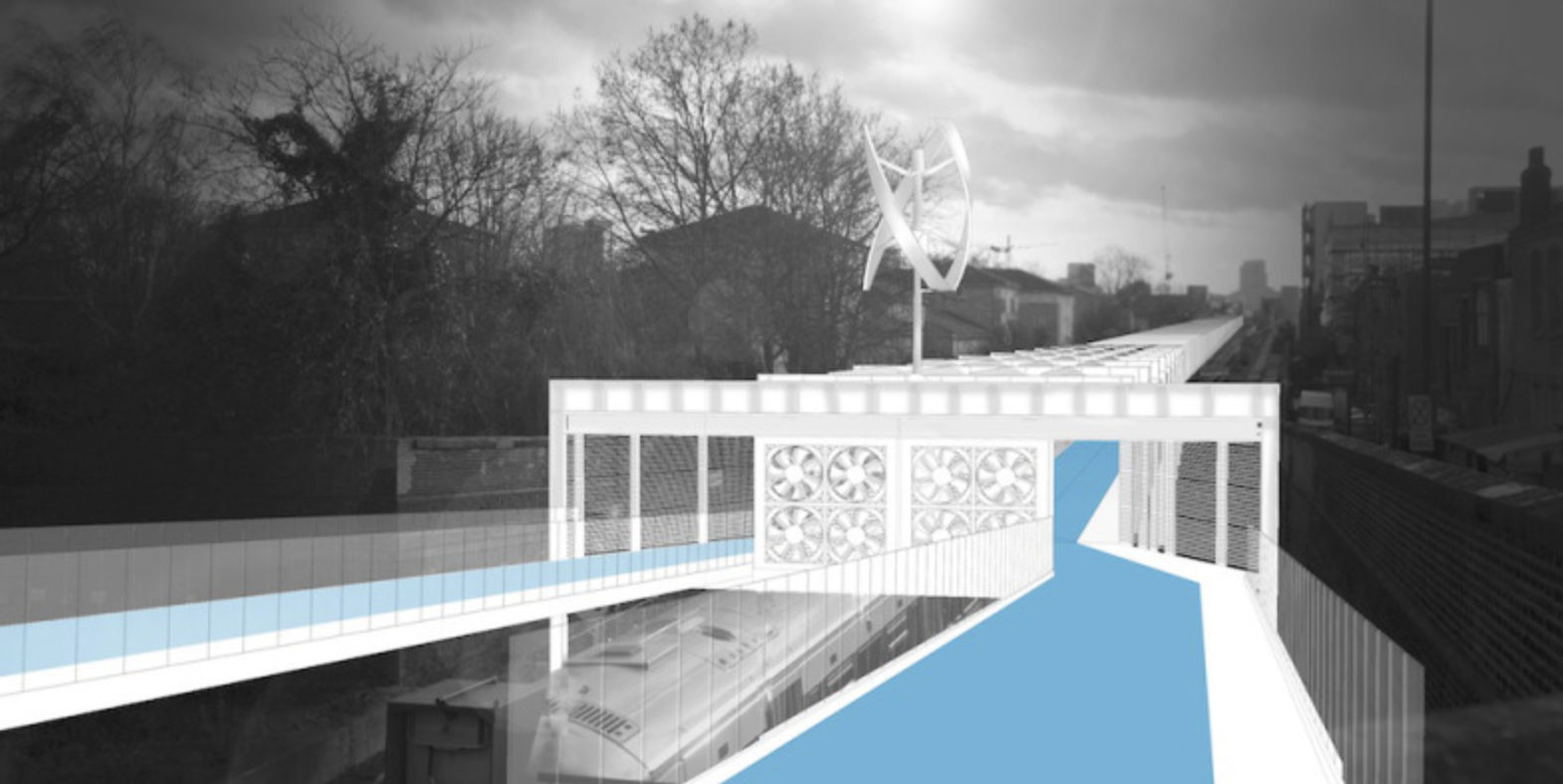
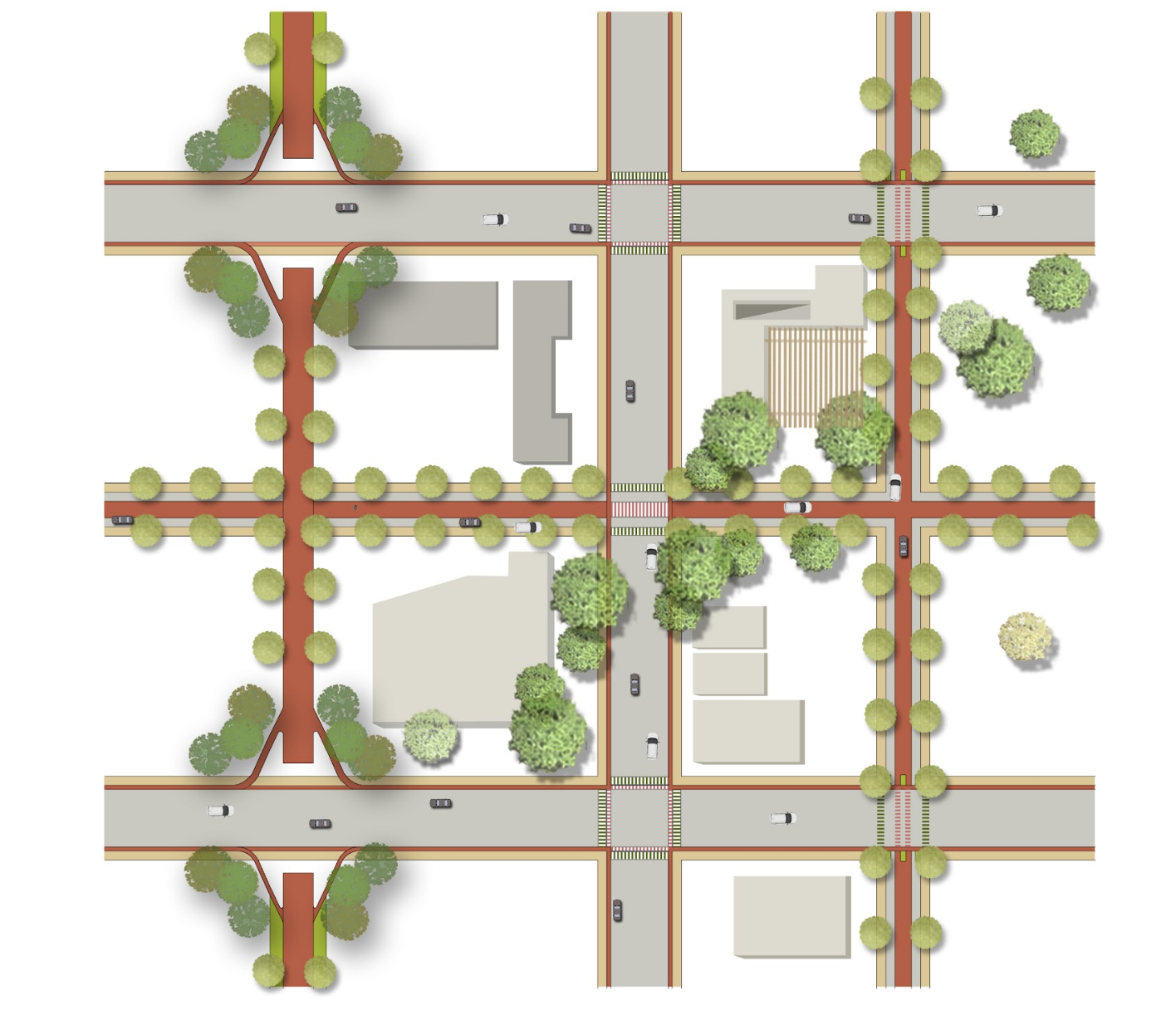
In the 2010s his books Cycle Space and Velotopia made him an international speaker and consultant, advising governments on how bicycle-oriented development and architecture can increase cycling without provoking the political backlash often associated with reallocating road space.
During the pandemic he launched a fashion label producing tailored, avant-garde swimwear in Australia.
The constant thread through his career, however, has been teaching. Fleming now tutors architecture students internationally and is completing a Master of Teaching, with the aim of becoming a secondary Design and Technology teacher and pursuing research into how designers are formed through education and culture.





TIMESTAMPS
(00:00) Steven's background.
(09:03) Platonist & utopian architecture.
“Sometimes, I joke that all architects are Platonists. Because in the back of our minds, whether we admit it or not, there’s a utopian vision, some idea about how the world could be and how this particular building is an installment in that world. The more you design a particular building type, a classic example is apartment buildings, you start to see generic or universal types. I think it's an inescapable part of the architecture discipline that we would see universals. The interesting part is when you start becoming an advocate or a lobbyist for different parameters, and you start trying to push those boundaries. Sadly, there's this reticence that has crept in where architects are really afraid to do anything lest we mess it up.” (10:13)
(16:07) Architects & visionary work.
(26:10) Famous architects' commissions & client relationships.
(32:11) Prominent architects as teachers.
“Students who were being asked to be creative and then just getting absolutely confounded with conflicting advice and very vague words that could all be dismissed. I think the right way to go is to fully understand the way an architect thinks, before you can actually come up with your own uniqueness. The particular problem in small schools of architecture is, on the one hand, students are asked to be conceptual and have their own idea to push through, but then they're going to be tortured for having that idea. That's why I always enjoyed running architecture studios as an architectural historian because I could recognize 3 or 4 different movements or styles from the past that a student was heading towards, and I could steer them into that. Then you get a diversity of different styles that come out of the studio.” (38:35)
(41:37) Issue with architecture teachers.
“Very few design studio teachers are prepared to talk about style. It is very hard to talk about, so they'll come up with these convoluted briefs that are all about function, and then ask students to be conceptual with their first line on paper about planning. How often do you see a design studio project where students are going around in circles and they've got their tutors still, at the 11th hour, talking about their goddamn plan, during the crit, looking at the plan. The computer is going to draw these plans for people within the next five years. Planning is the easy bit. Students are bogged down by the plan and sometimes the form too as though this is their contribution to the world. The whole time it's really because my colleagues are afraid to talk about style, because it's tricky to do. It's the hard part.” (42:16)
(53:29) Steven's career journey, books & bikes.
(01:03:08) Mission as a teacher.
(01:09:45) Architecture tutor.
“Educationally, what's happening is the students are getting problem based learning. They're also working in what's called the zone of proximal development. So they're working on the same project. He knows a bit more than them in some ways. They know things that he doesn't know. It's like a three year old learning from a five year old. But the three year old learn more from a five year old than they will from an adult who's just lecturing them that these are the facts. Working in the sand pit together with a master is a great way to learn. Accidentally, architectural education is very good. A lot of the time it's one of the best educations you can get because it is so involved. It might be bad or not pure motivation, but the teachers you're learning from are motivated.” (01:11:06)
(01:12:26) Teaching high schoolers design thinking.
(01:16:29) Michael Sorkin.