#505 - DANIEL GREEN, Founder of Blackbriar Development
SUMMARY
This week, David of FAME Architecture & Design is joined by Daniel Green, Founder of Blackbriar Development. The two discussed how David and Marina started the Second Studio Podcast, the creativity and design process, designing architecture experiences, cohesive design vision, construction phase, modern vs traditional, Daniel Green’s background and Blackbriar Development, hiring architects & contractors to solve problems, building a business & management, ideal project & client, managing budget & aesthetics, importance of pre-construction service, guiding clients throughout project, Pacific Palisades fire rebuild, and more. Enjoy!







ABOUT DANIEL
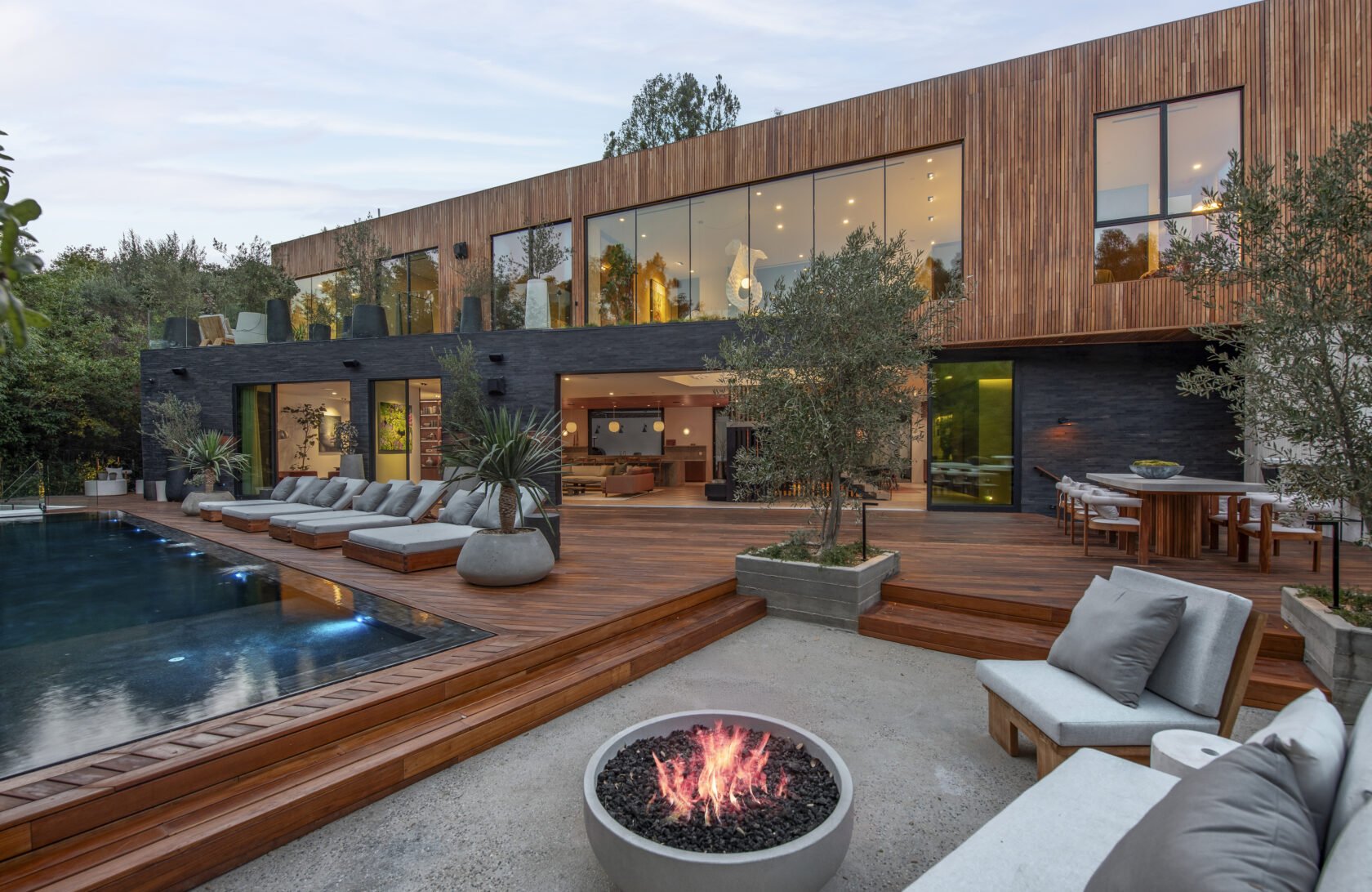
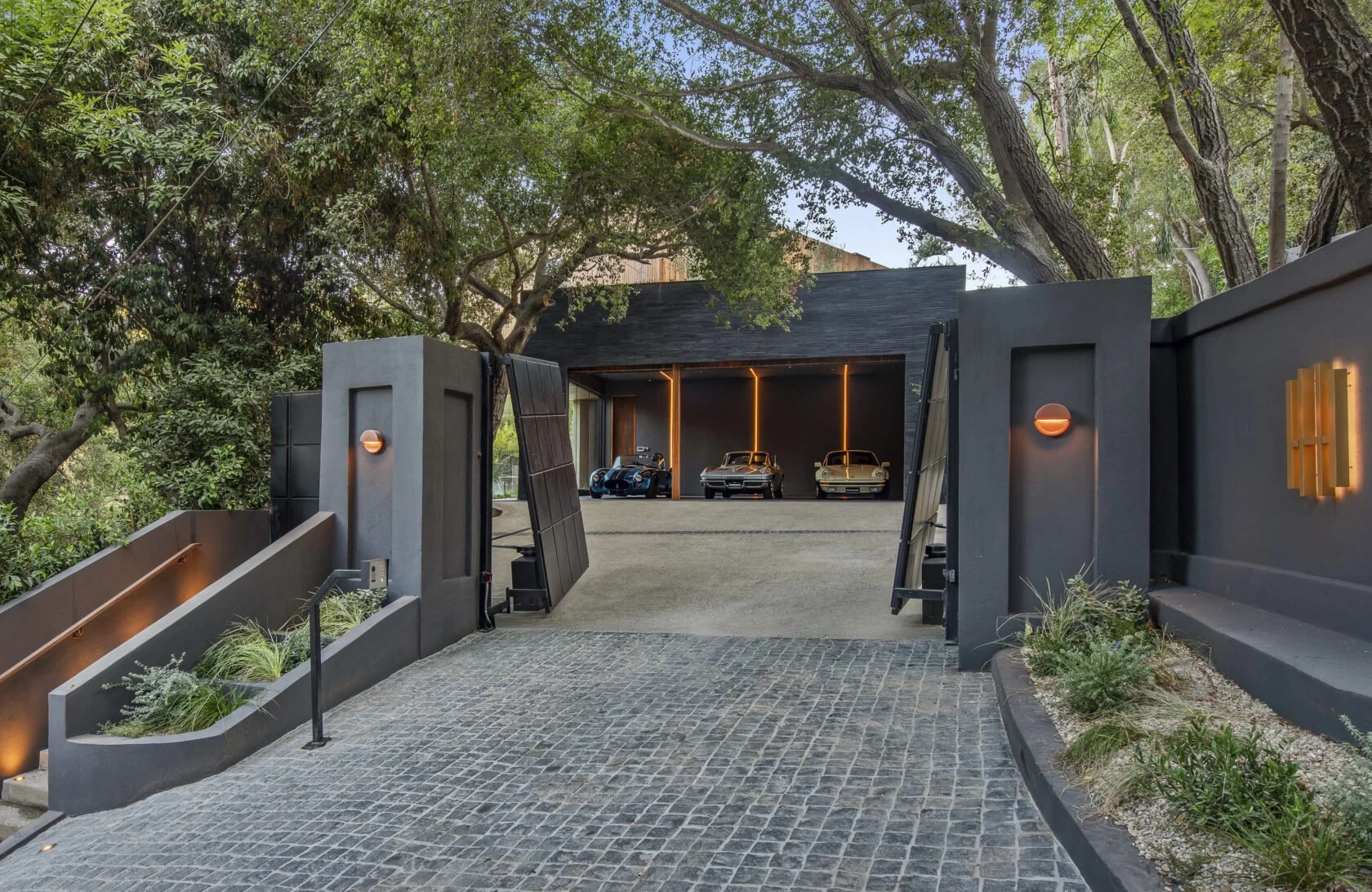
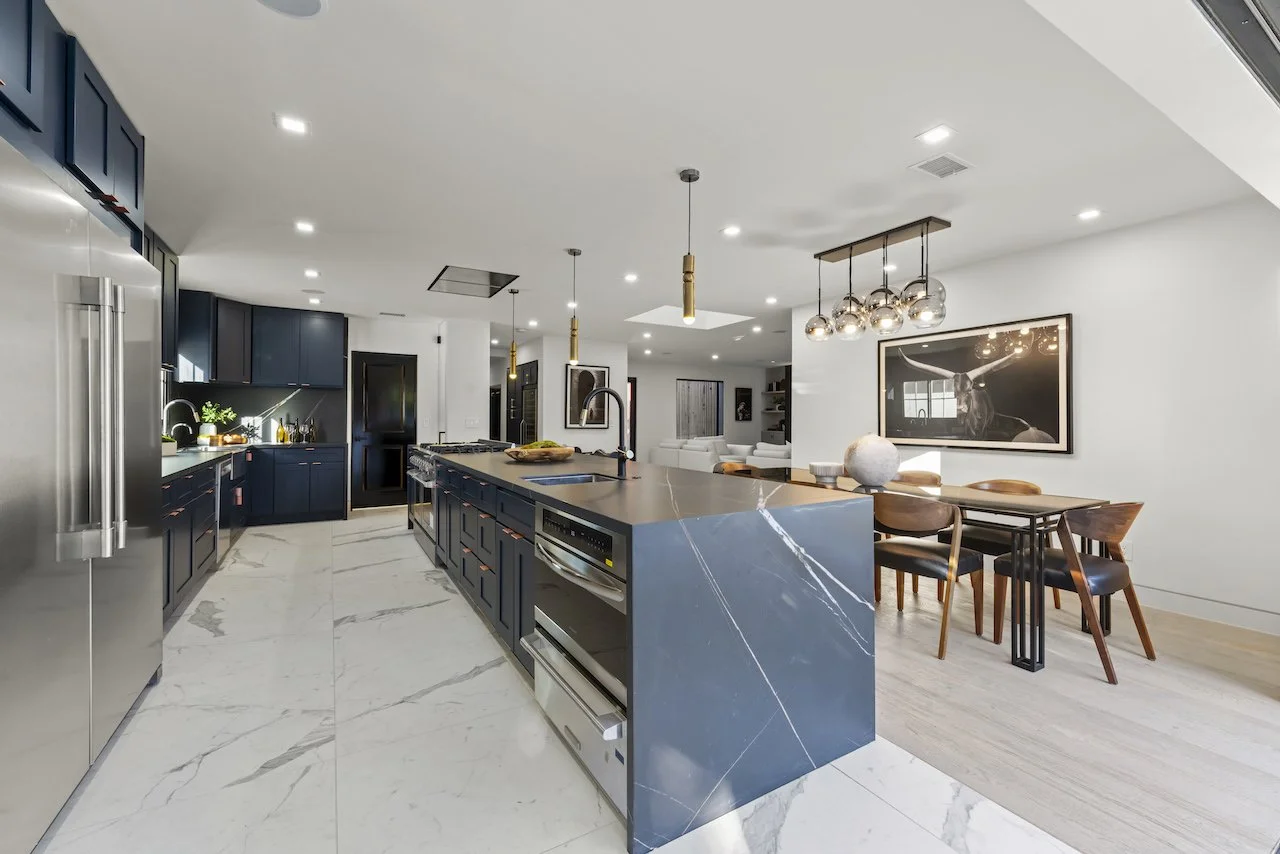
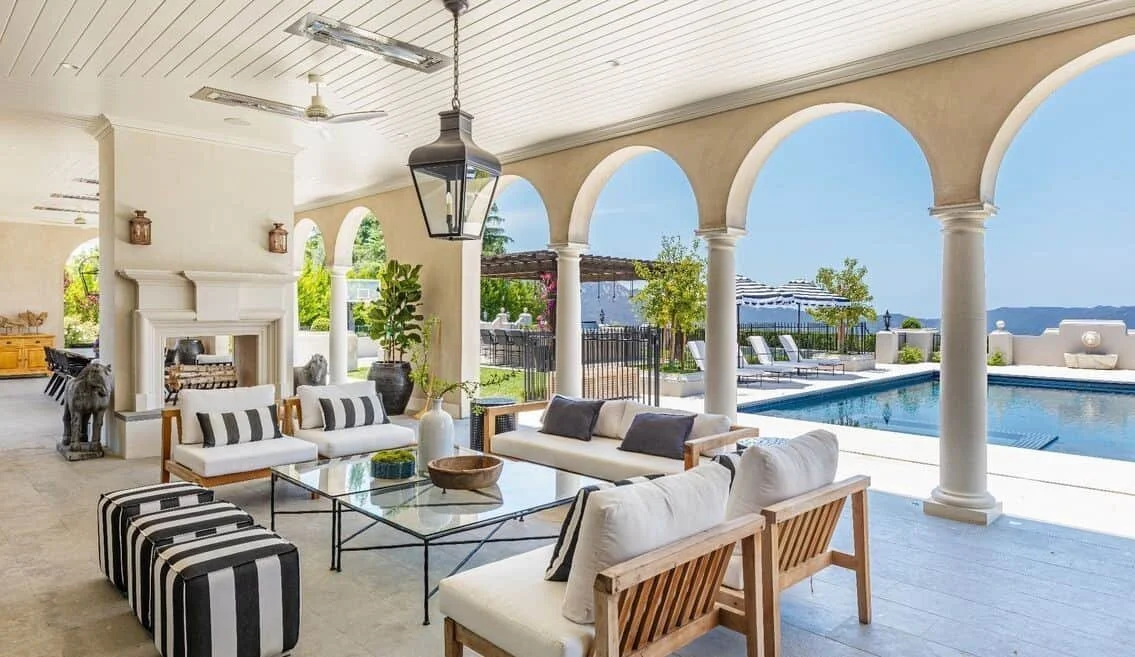
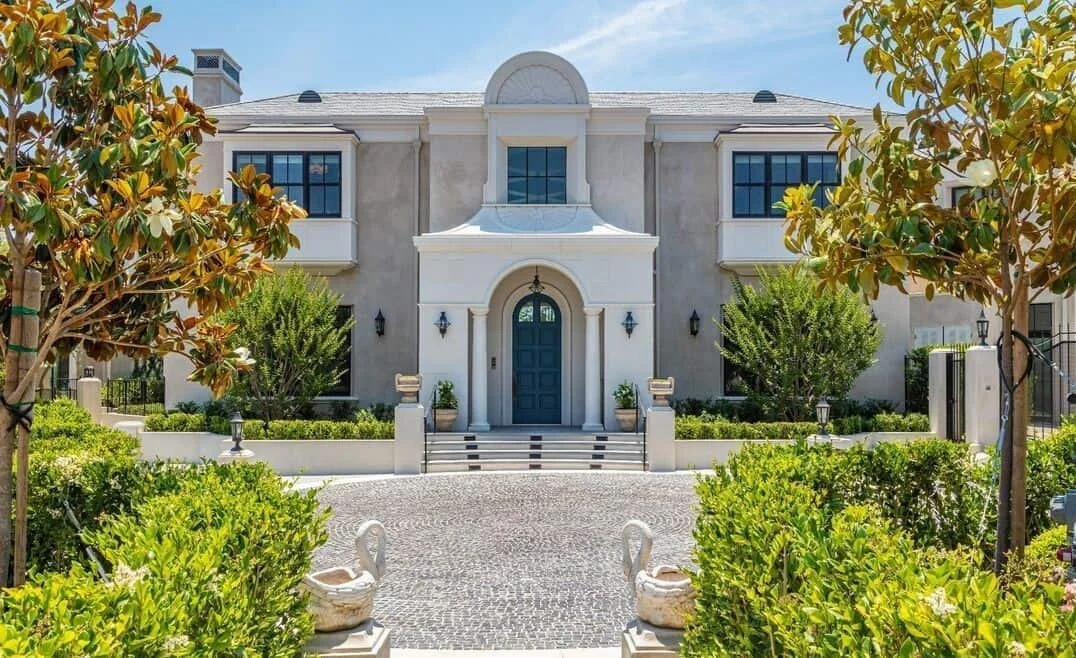
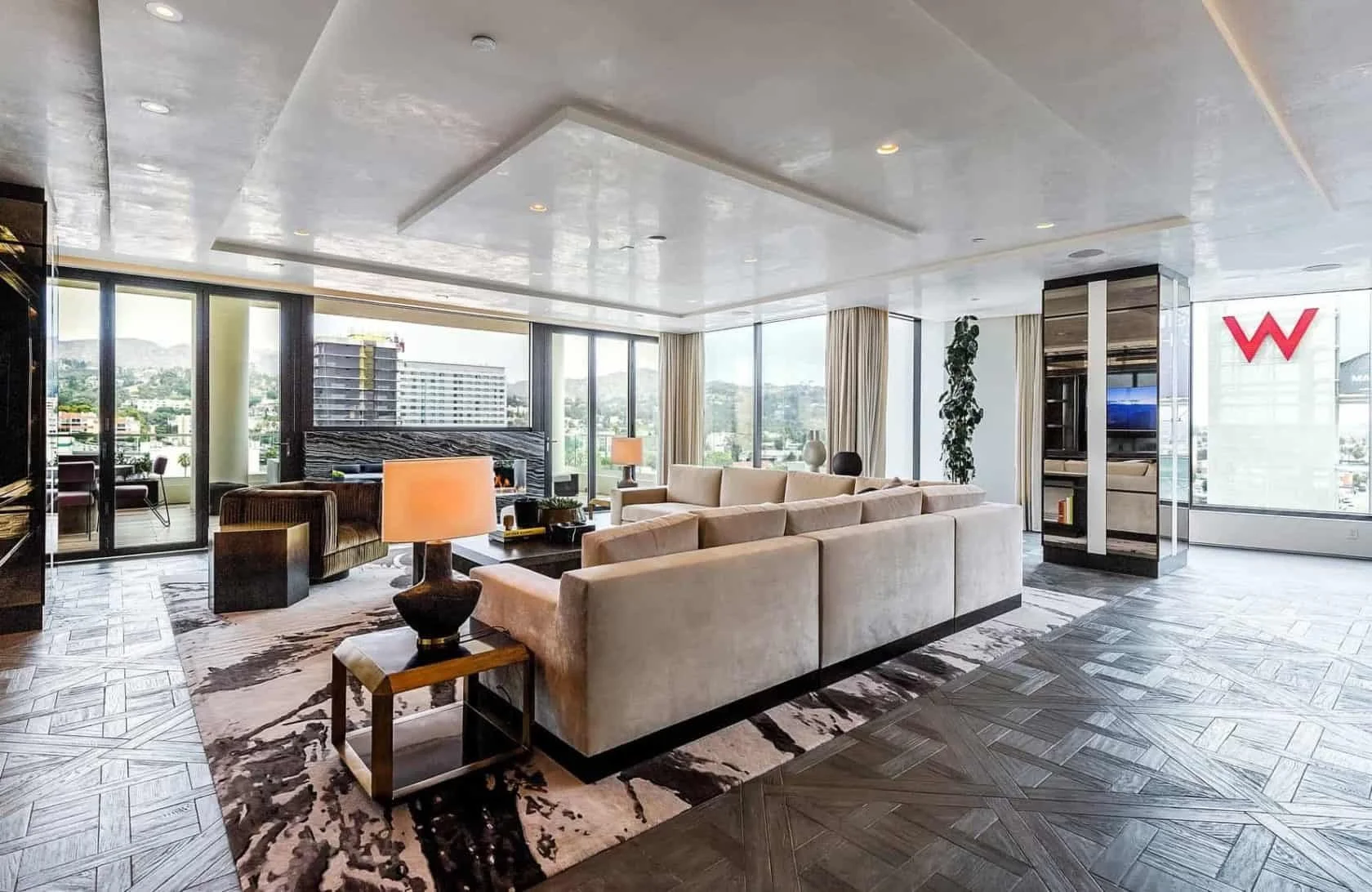
Dan Green, the legend behind Blackbriar Development Inc., is a premier Los Angeles-based luxury builder and developer. He specializes in constructing some of the most prestigious and exclusive custom homes in Beverly Hills and the greater LA area. He extends his industry expertise as the host of the High-End Fellas podcast, exploring all facets of luxury living: high-end homes, architectural elegance, smart home technology, jets, yachts, and bespoke craftsmanship. Both his physical builds and his digital content focus heavily on the intersection of timeless design, experiential architecture, cutting-edge construction processes, and the emotional value of carefully crafted environments.
TIMESTAMPS
(00:00) Introduction to podcasting.
(08:32) Creativity & design process.
“It goes back to storytelling. If you're a young architect looking for a job or you're presenting your work to clients, you have to have some emotion behind the presentation and you have to have a story behind it. There's so many things that can be extracted from a project to make it meaningful from an employer's perspective.The same thing can be applied to clients. What can we extract from this project and tell the client during the presentation so they're on board with what we're doing?” (21:13)
(24:56) Designing architecture experiences.
(36:27) Cohesive design vision.
“You need someone who has the design vision. You can have other teams, but they need to be orchestrated to work together. Too often, especially in LA, I see the clients hire individual professionals, but they don't talk to each other and it just produces these funky things. The word ‘fragment’ comes up a lot in our industry. We often get approached by clients who have already started a project with an architect, 2 or 3 months into the process. They find us and they say, “Hey, I like you guys. Can you take a look at this drawing?” And you're like, “What is going on here? We need to start again.” The clients would ask to tweak some stuff, but given their critique of the design, this is more than just a few tweeks.” (38:29)
“Sometimes the interior designer comes on board much later. In my experience, it's client driven. They don't want to pay for interior design yet. Let's get into plan check so that the project’s moving forward. Then they get the permit and they're like, “Okay, let's start construction.” And they still don't have an interior designer. One of the three recurring themes and principles that is unanimous across all the professionals is you do not fragment, you do not isolate, you do not silo, you do not put things off until later. You integrate. It drives me nuts when clients decide not to do that. I get it that they are trying to save a little bit of money. But if you have literally all the professionals telling you not to do that, what does that tell you? You want to spend a little more time and money up front to save 3 times the money later on. That's just how it works.” (41:20)
(42:54) Construction phase.
(49:01) Modern vs traditional style construction.
(54:43) Daniel Green's background & Blackbriar.
“Personal brand is also really important for what we're doing. People, especially on the build side, they're buying into your processes, your beliefs, and who you are as a person. If they know they can rely on you when the shit hits the fan, if something goes wrong that you're going to do the right thing. It's not how you handle things when they go right. It's how you handle things when they go wrong. This is the most important thing. Obviously, you try to do everything you can to avoid things going wrong, but mistakes will happen and things will happen. It's not necessarily always things that you can control. It tends to be a subcontractor that you can't control.” (57:48)
(01:01:13) Hiring architects & contractors to solve problems.
“You’re hiring the architect and the contractor for many reasons. Fundamentally, you're hiring them to problem solve for you, and often it’s problems that they haven't solved before. There’s a certain amount of faith that you have in that individual that they're going to help you solve problems that arise which they have not solved before. The value of the team you've hired is proven when you hit the first obstacle. This is what separates the men from the boys.” (01:01:26)
(01:03:20) Dan's business model.
(01:10:15) Building a business & management.
(01:23:13) Ideal project & client.
(01:33:21) Managing budget & aesthetic.
“You've got two different things conflicting with each other in budget and aesthetics. An architect or interior designer always wants to produce the best product. Sometimes that means that you ought to spend more to get what they're looking for. For us as builders, our job is to suggest ways to reduce costs but still ultimately get it to look or feel the same. It also means that there's a responsibility for builders to understand design. Because if you don't have some aesthetic understanding as a designer in a way, you're not well positioned to value-engineer. When you propose something, everyone's just like, “We're not going to do that, that’s a bad idea.” As opposed to something where it's like, “Okay, I see what your thought pattern is and how to achieve that.”” (01:33:26)
(01:39:56) Importance of Pre-Construction service.
(01:50:42) Guiding clients through the whole project.
“When clients approach us with a budget, one of my first questions is, “Is that your construction cost budget or your all-in project budget?” And they're like, “Oh, that's the total project budget.” That's very different from the construction cost budget. We will then give them a preliminary breakdown of all the different people they’re going to need based on the quality of house they're aiming for. Here's what I am seeing based on comps, what their fee is going to be like, so therefore, roughly speaking, this is what their soft cost is going to be like. We find clients who tell us,”Oh man, this is so helpful. No one has helped me think through all of these things.” Well, we're happy to do this within the knowledge that we have. Because if we don't help the clients and they don't find someone to help them with that, the project won't be successful.” (01:52:37)
(01:53:52) Pacific Palisades fire rebuild.