#509 - LUDWIG GODEFROY, Founder of Ludwig Godefroy Architecture
SUMMARY
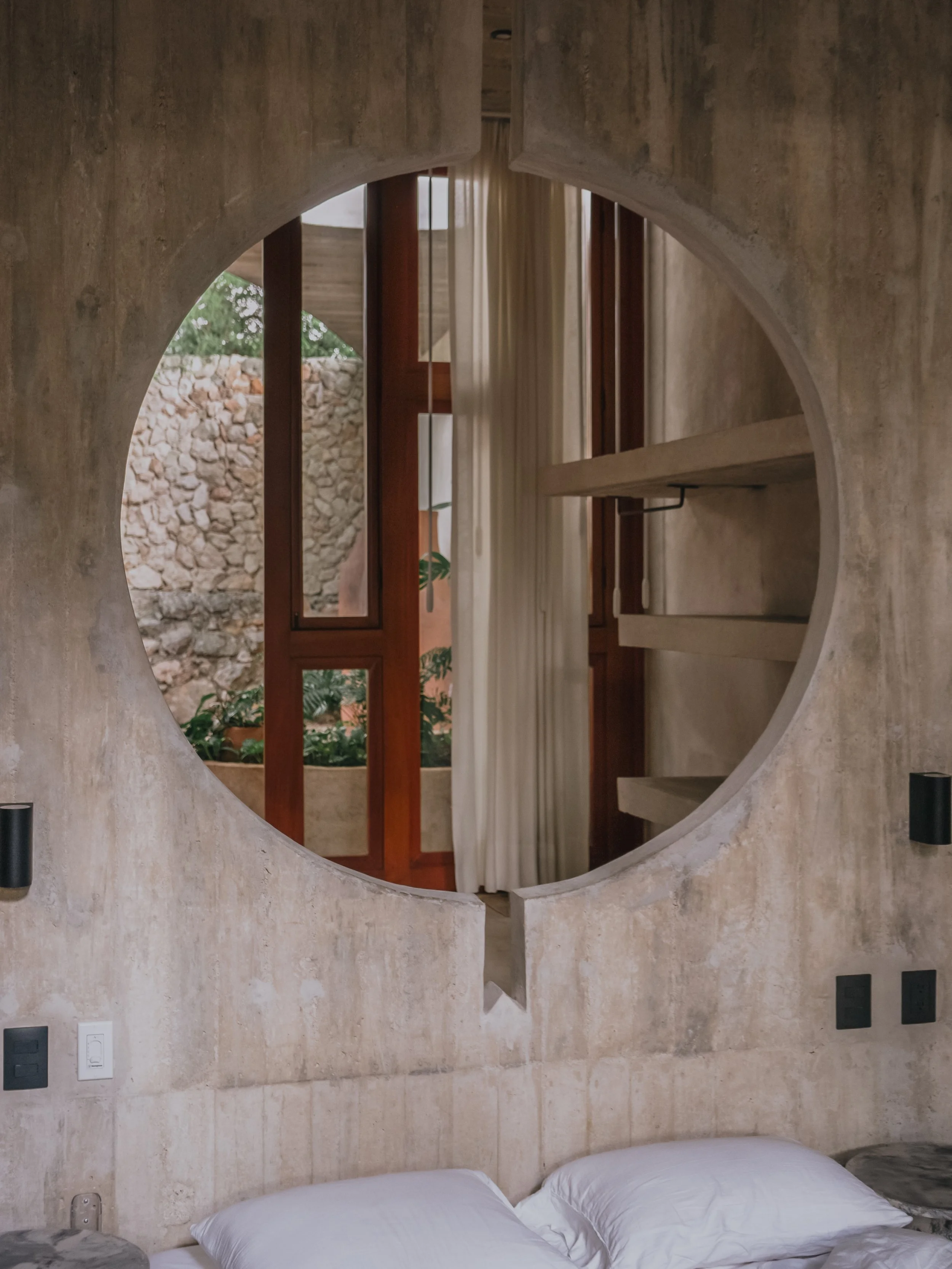
This week, David and Marina of FAME Architecture & Design are joined by Ludwig Godefroy, a French architect based in Mexico City known for his brutalist, concrete-driven work. The two discussed how building codes and construction culture differ between France and Mexico, the handcrafted construction methods that recall Le Corbusier's era, the technical challenges of building a brutalist concrete cabin in the extreme cold of Alaska, and more. Enjoy!









ABOUT LUDWIG
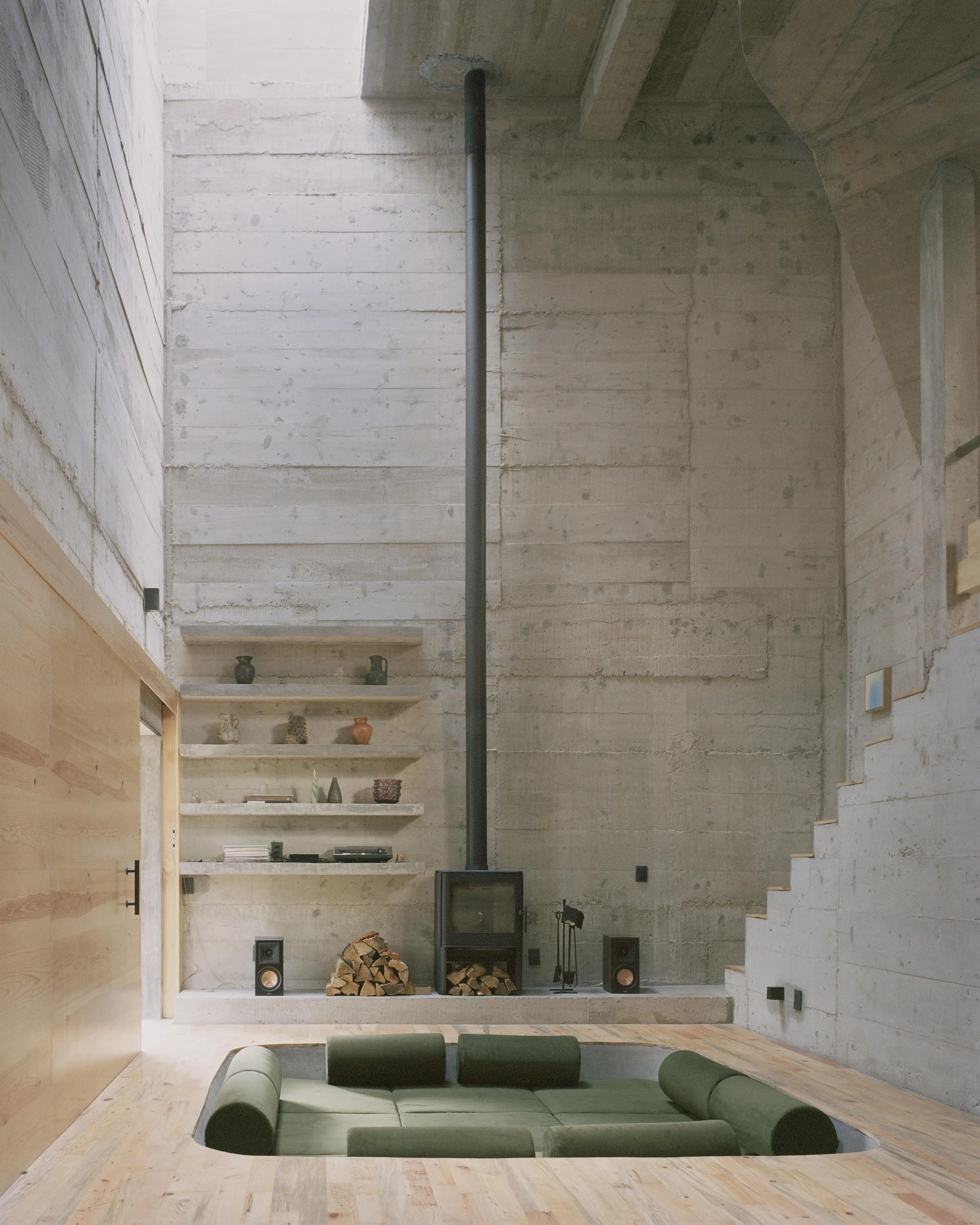
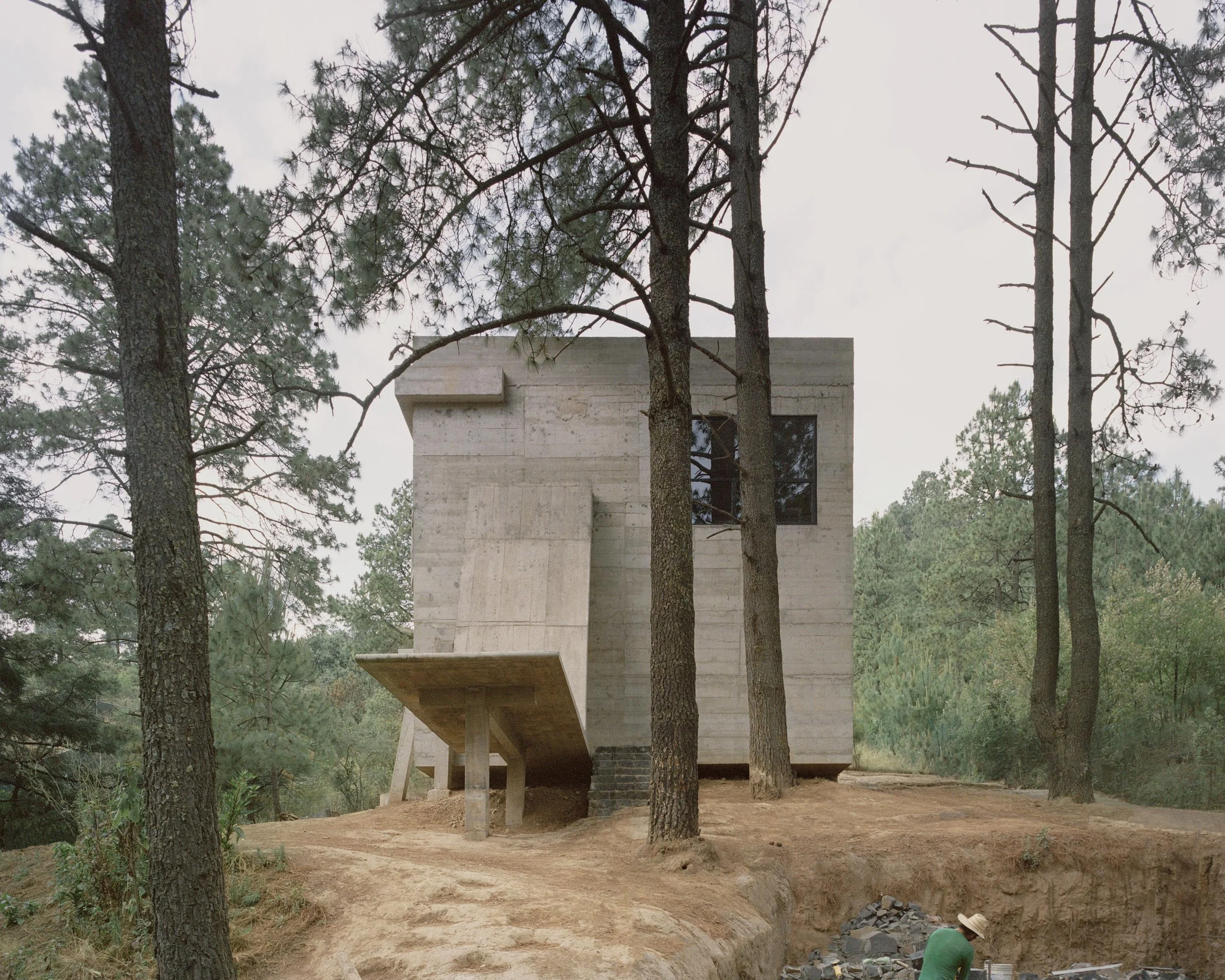
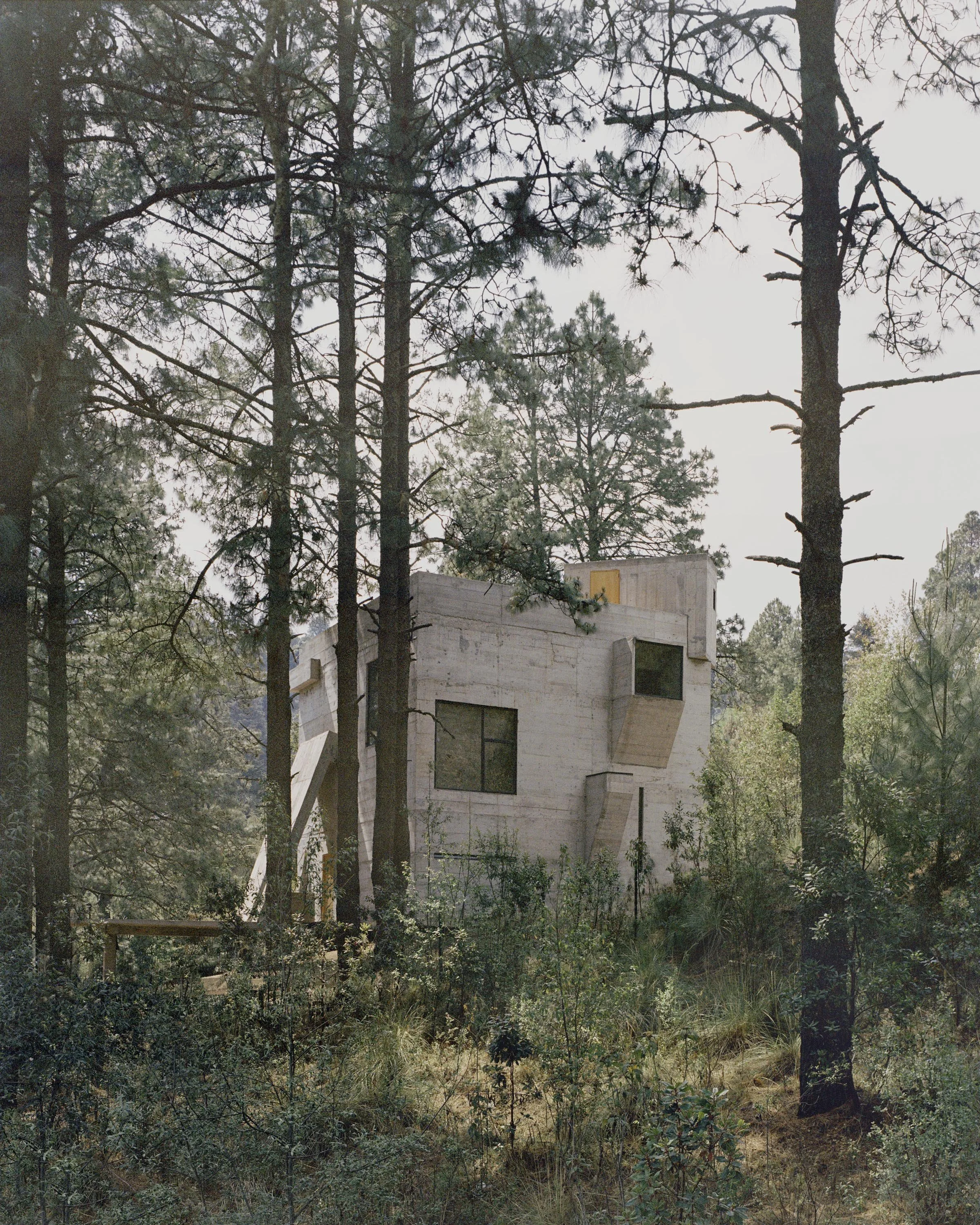
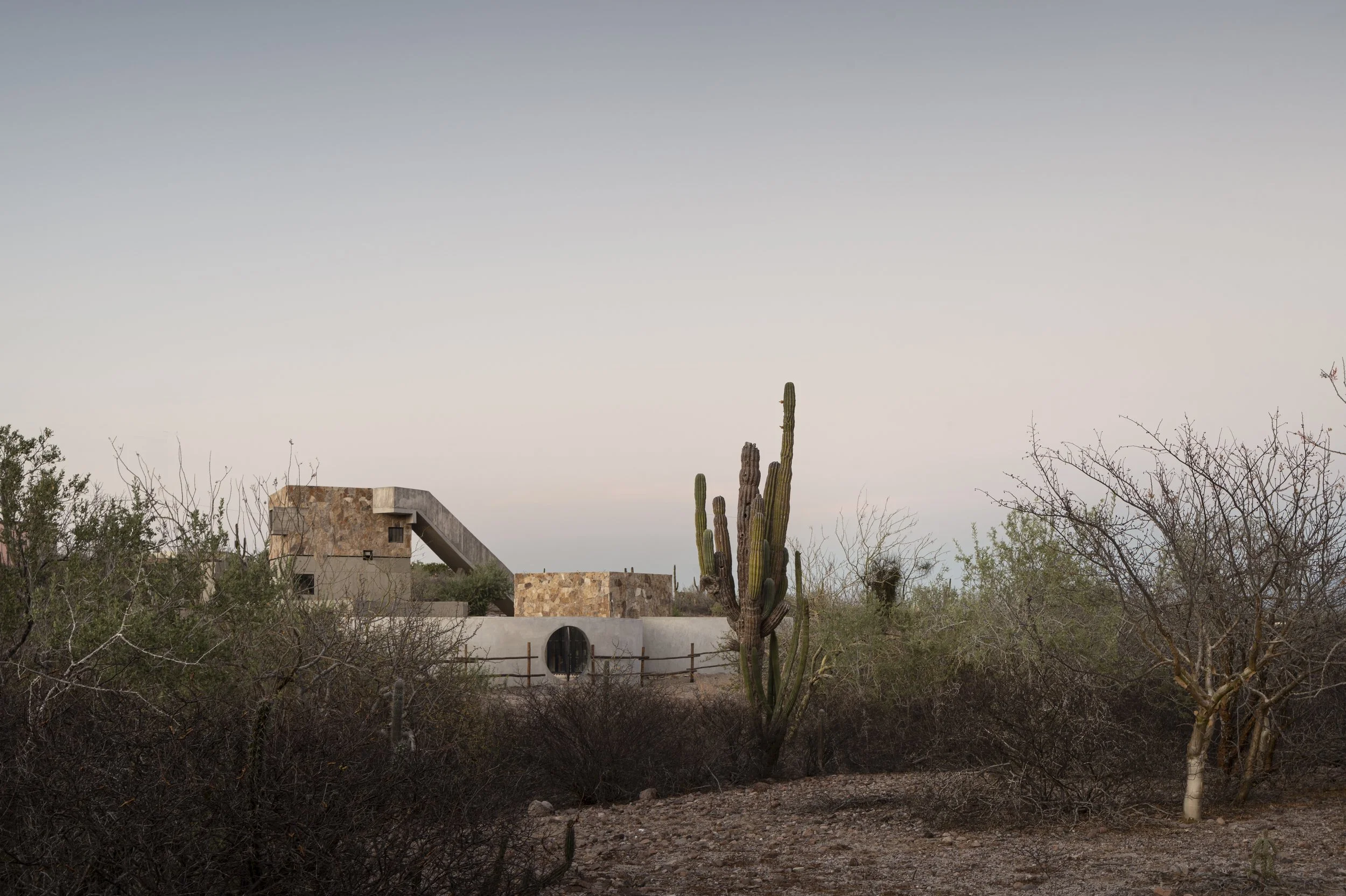
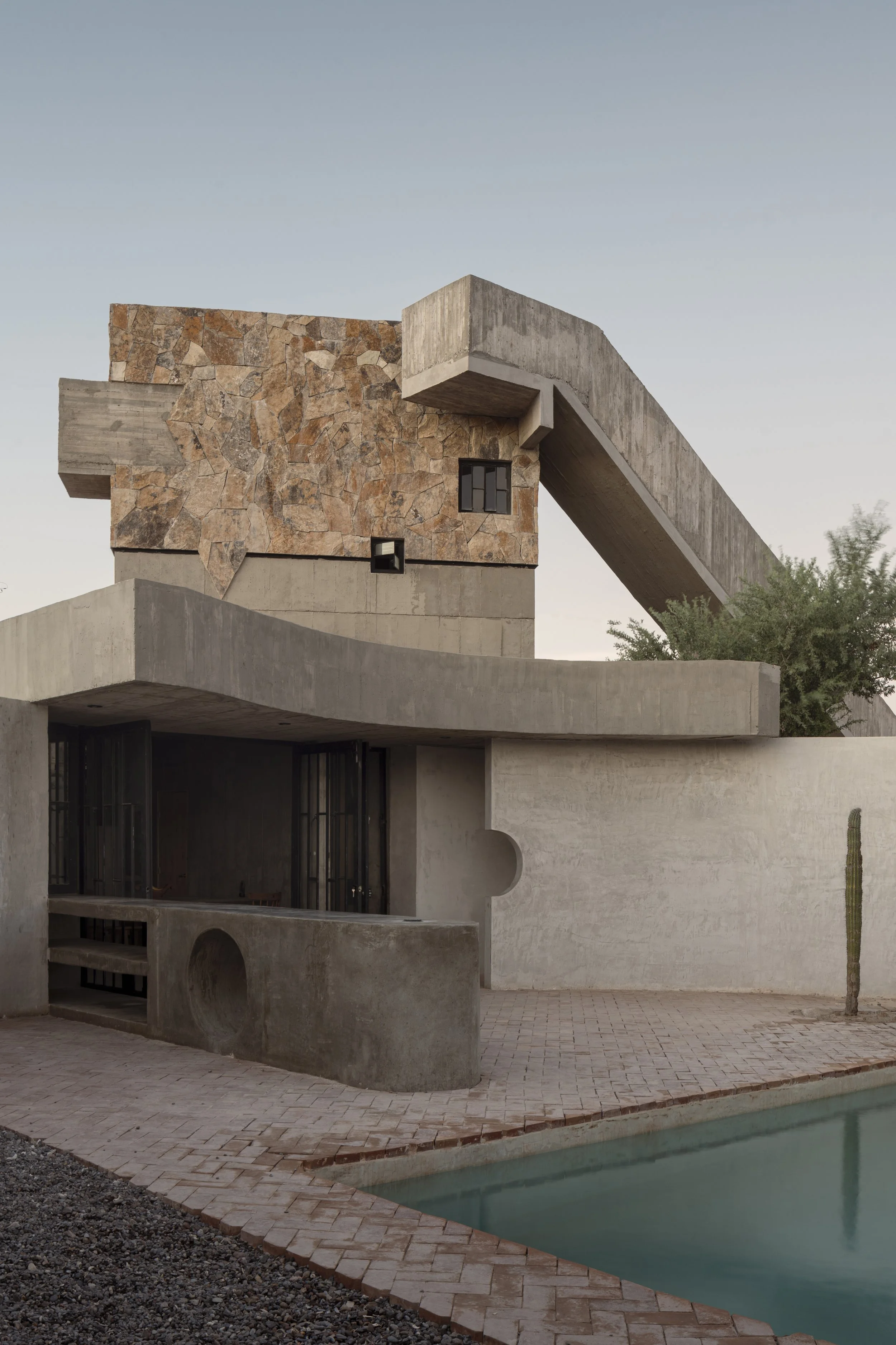
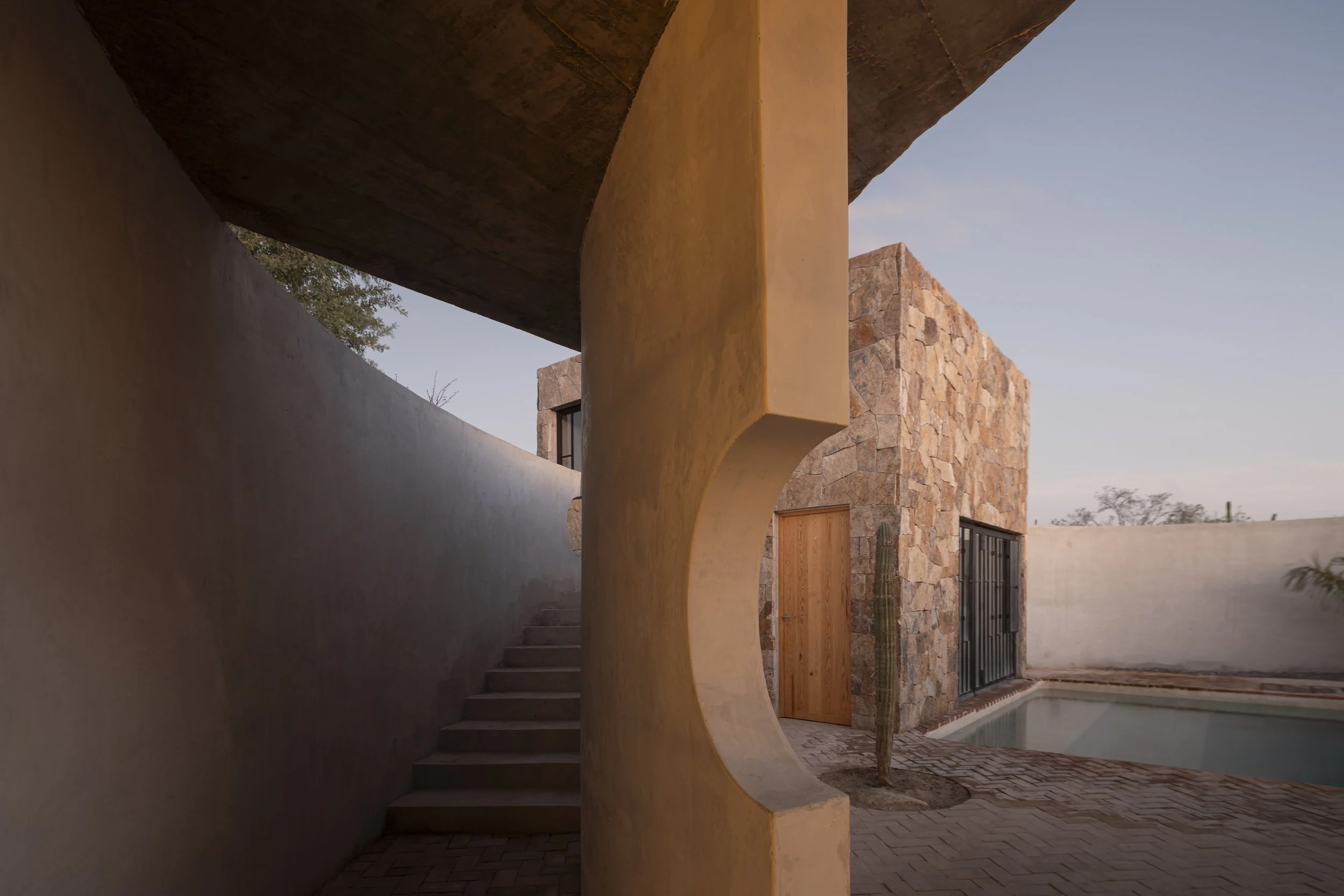
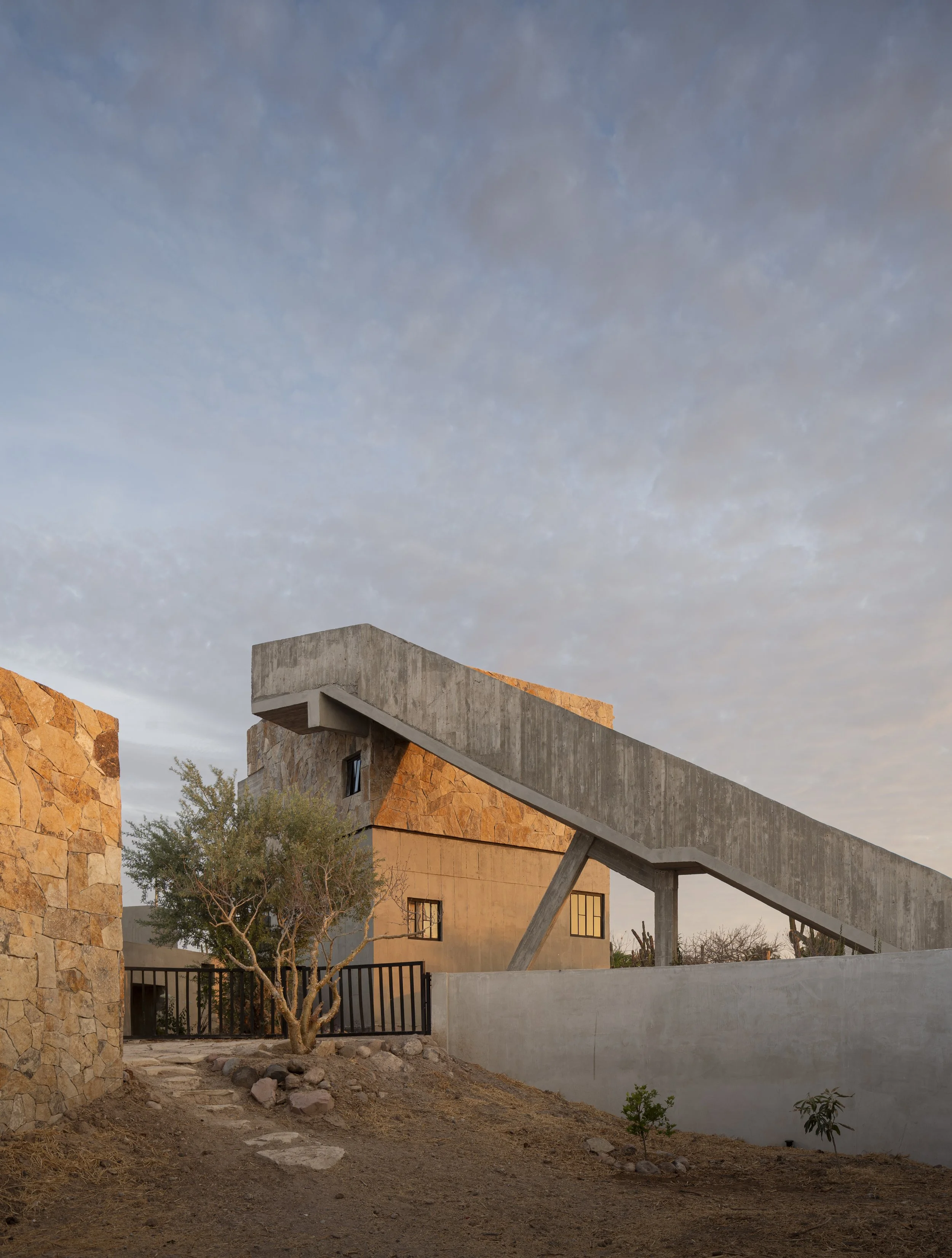
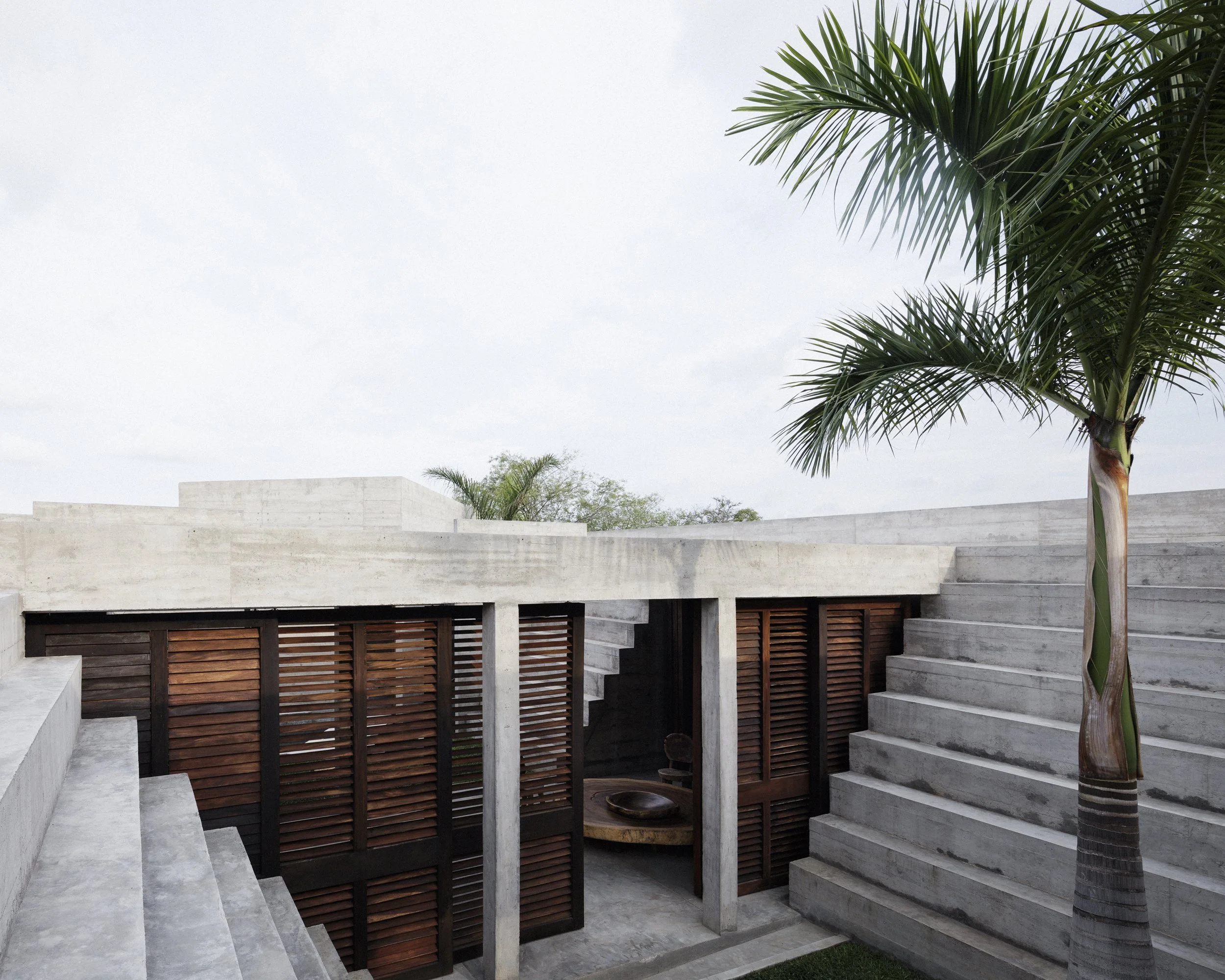
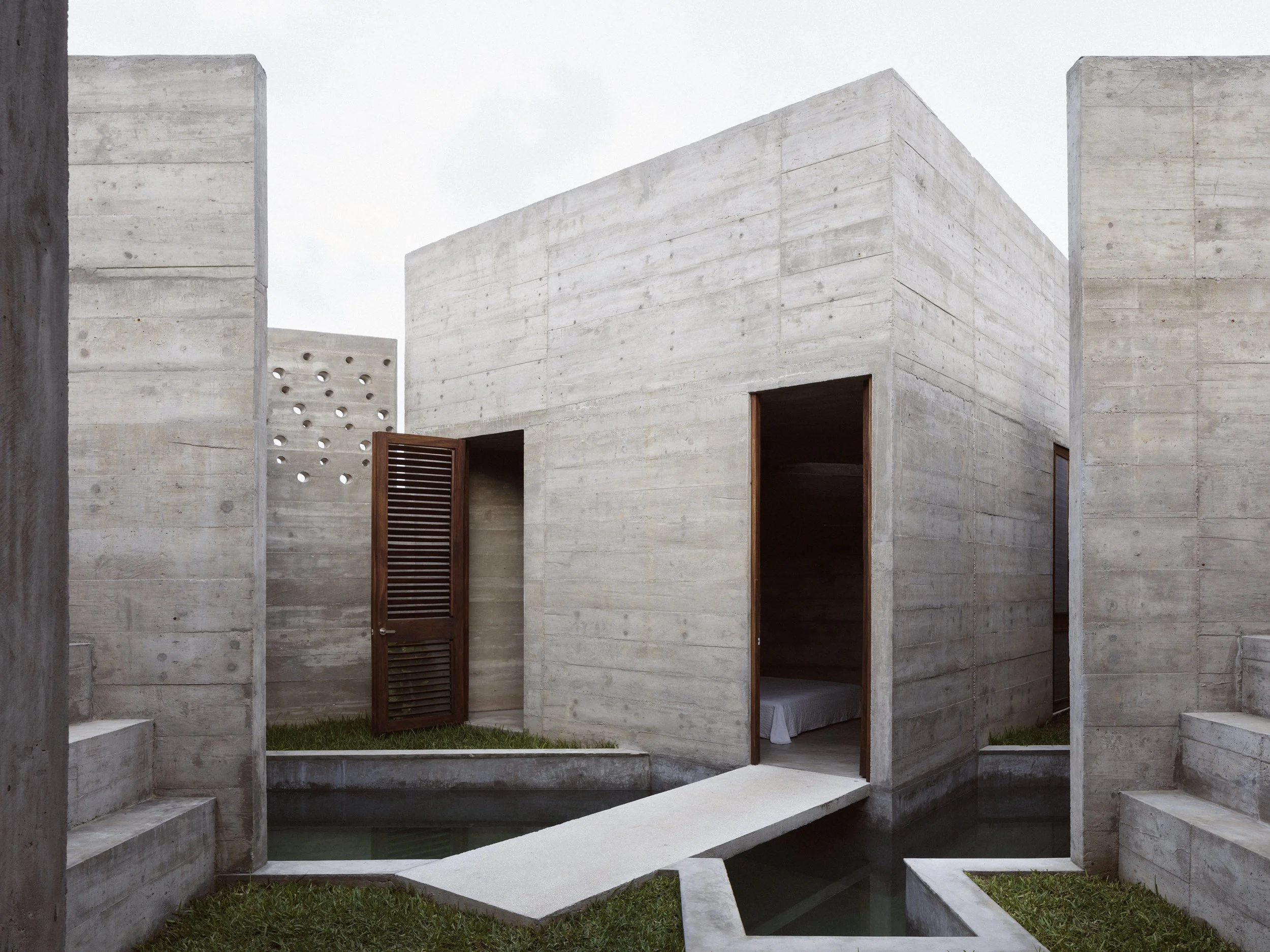
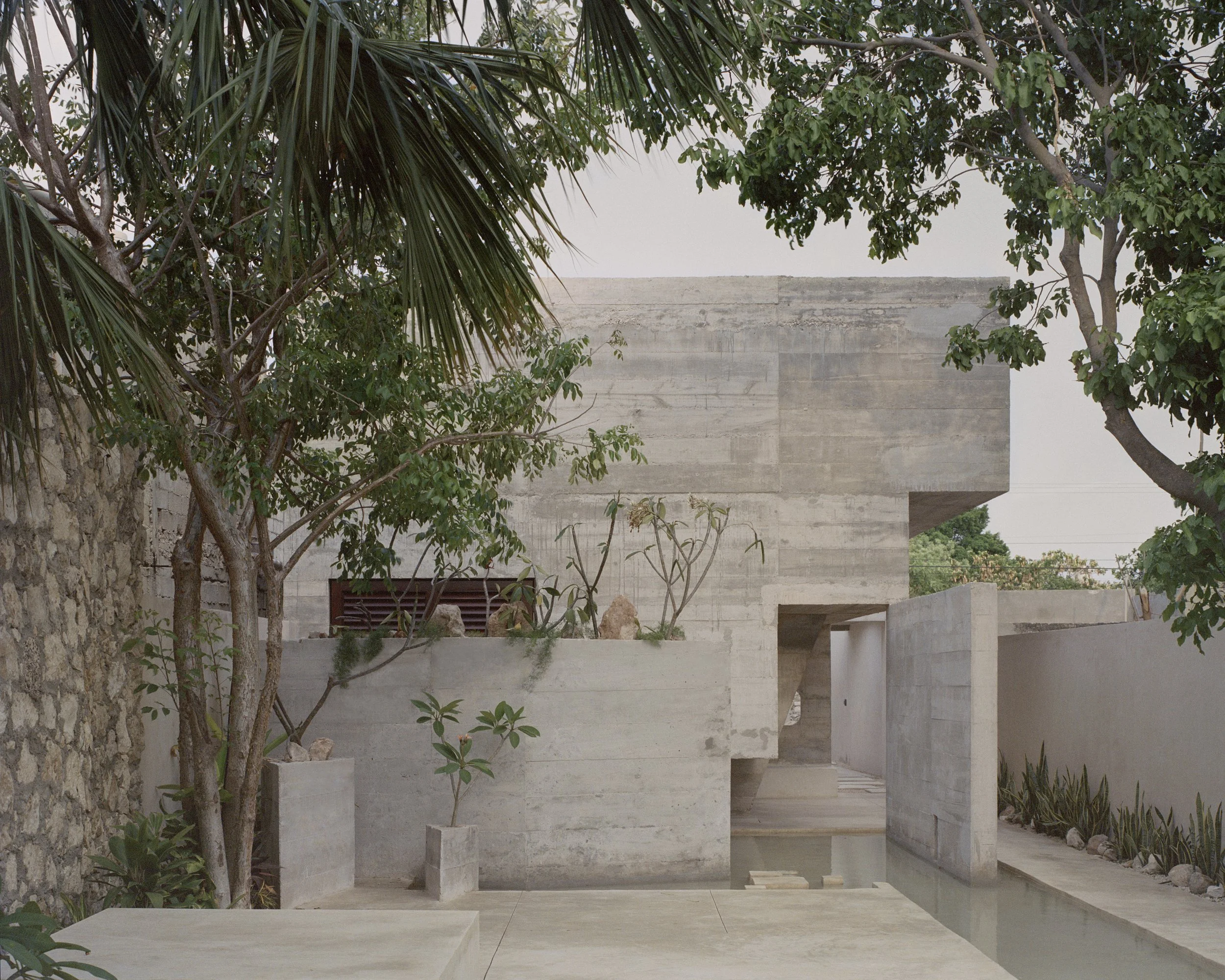
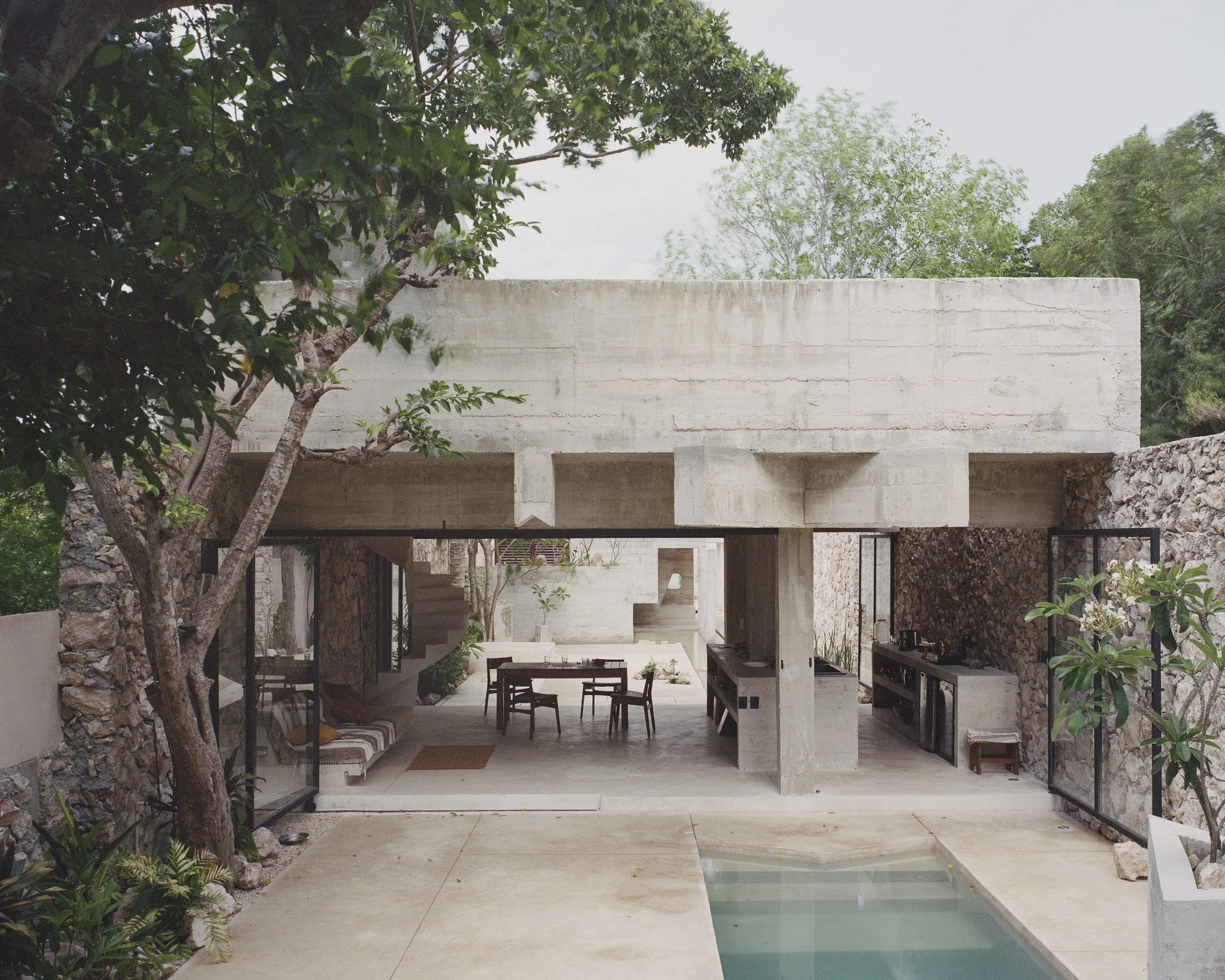
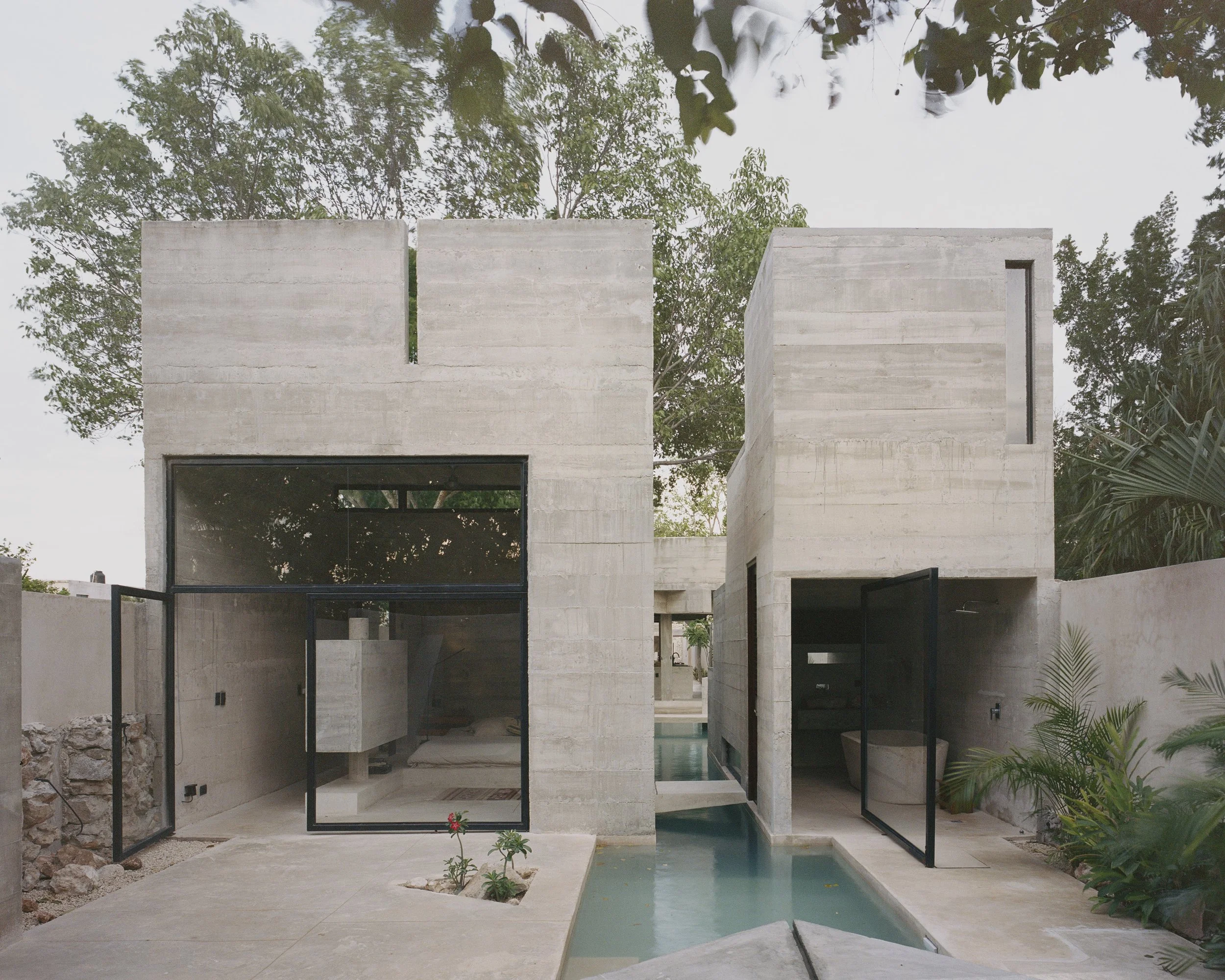
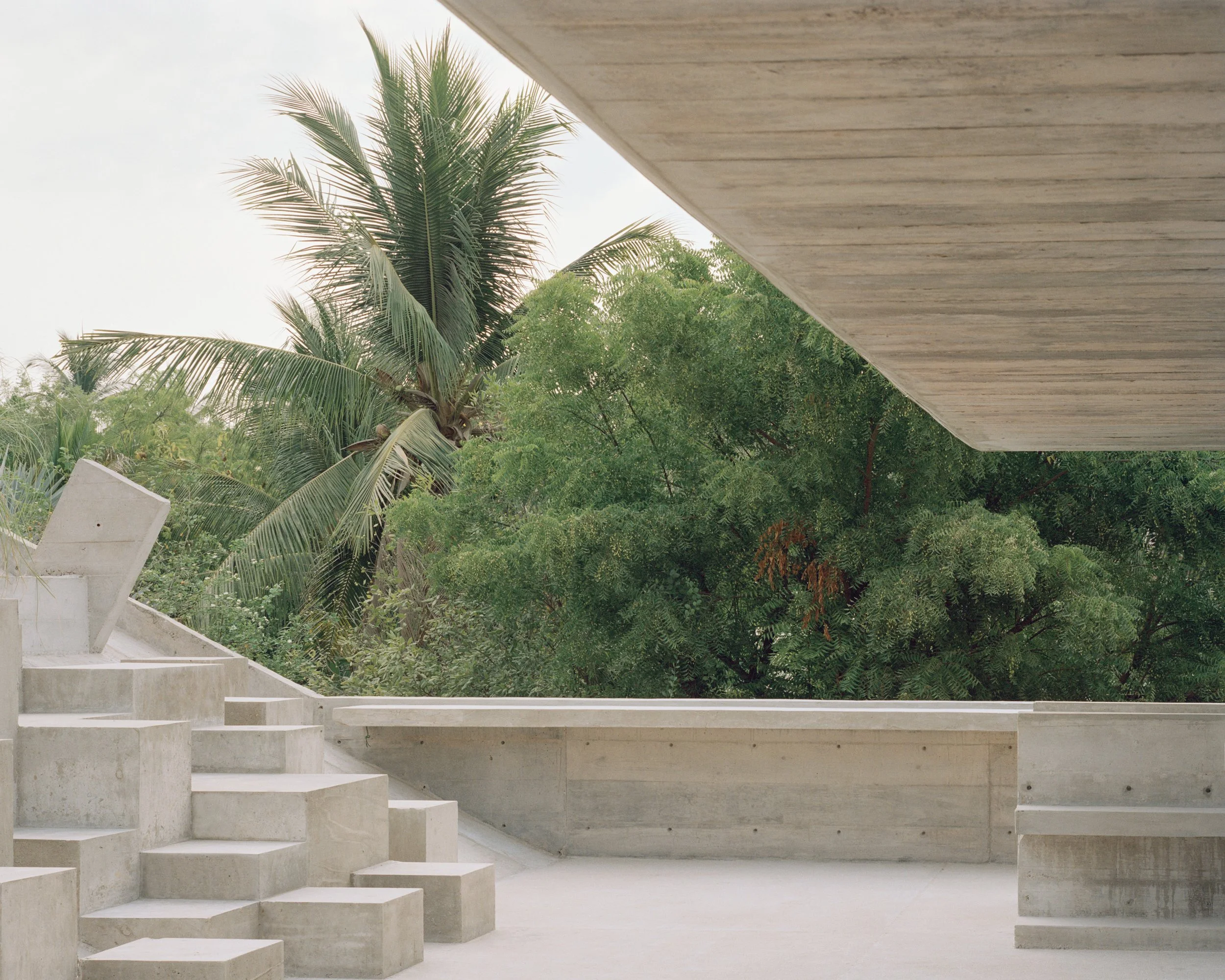
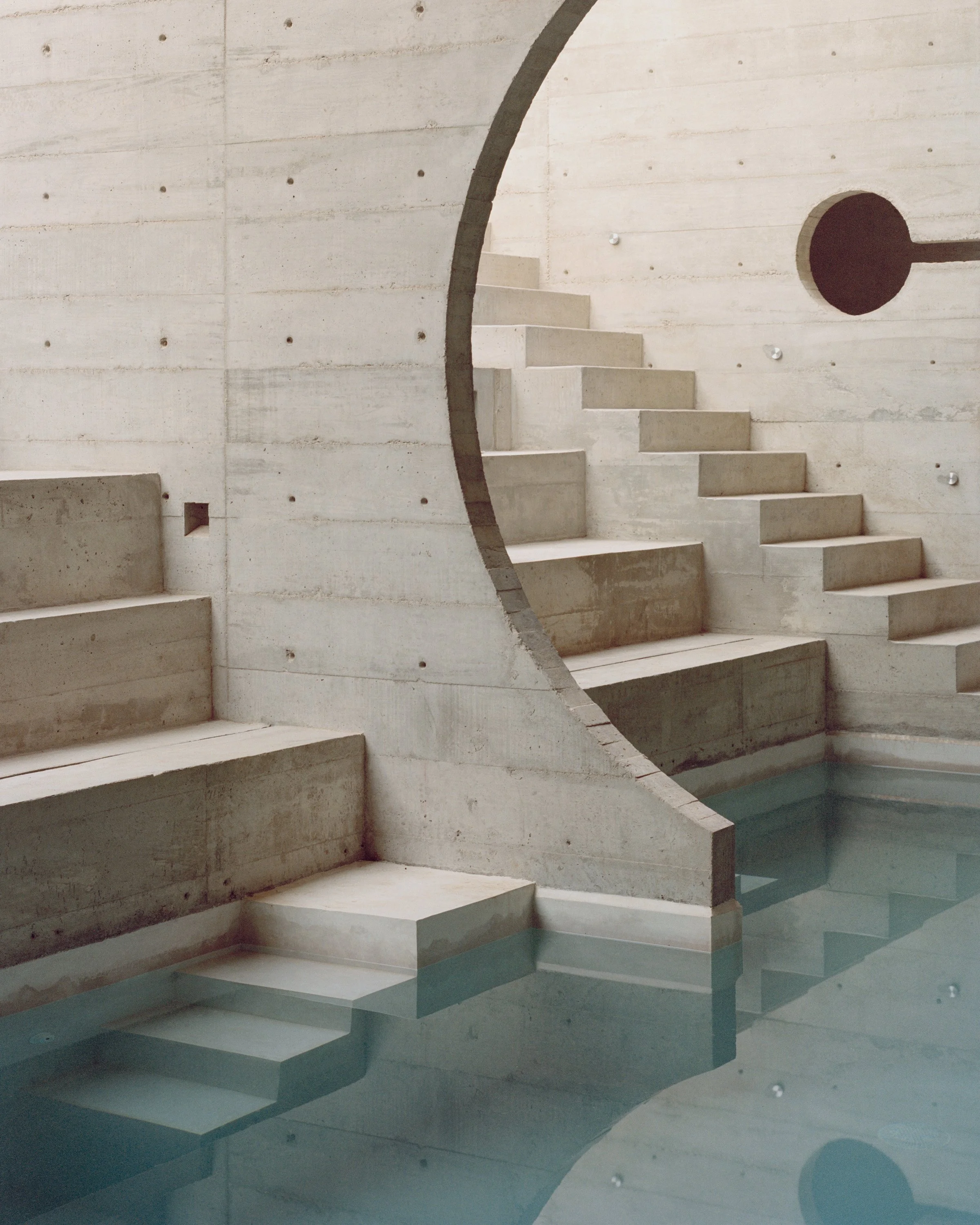
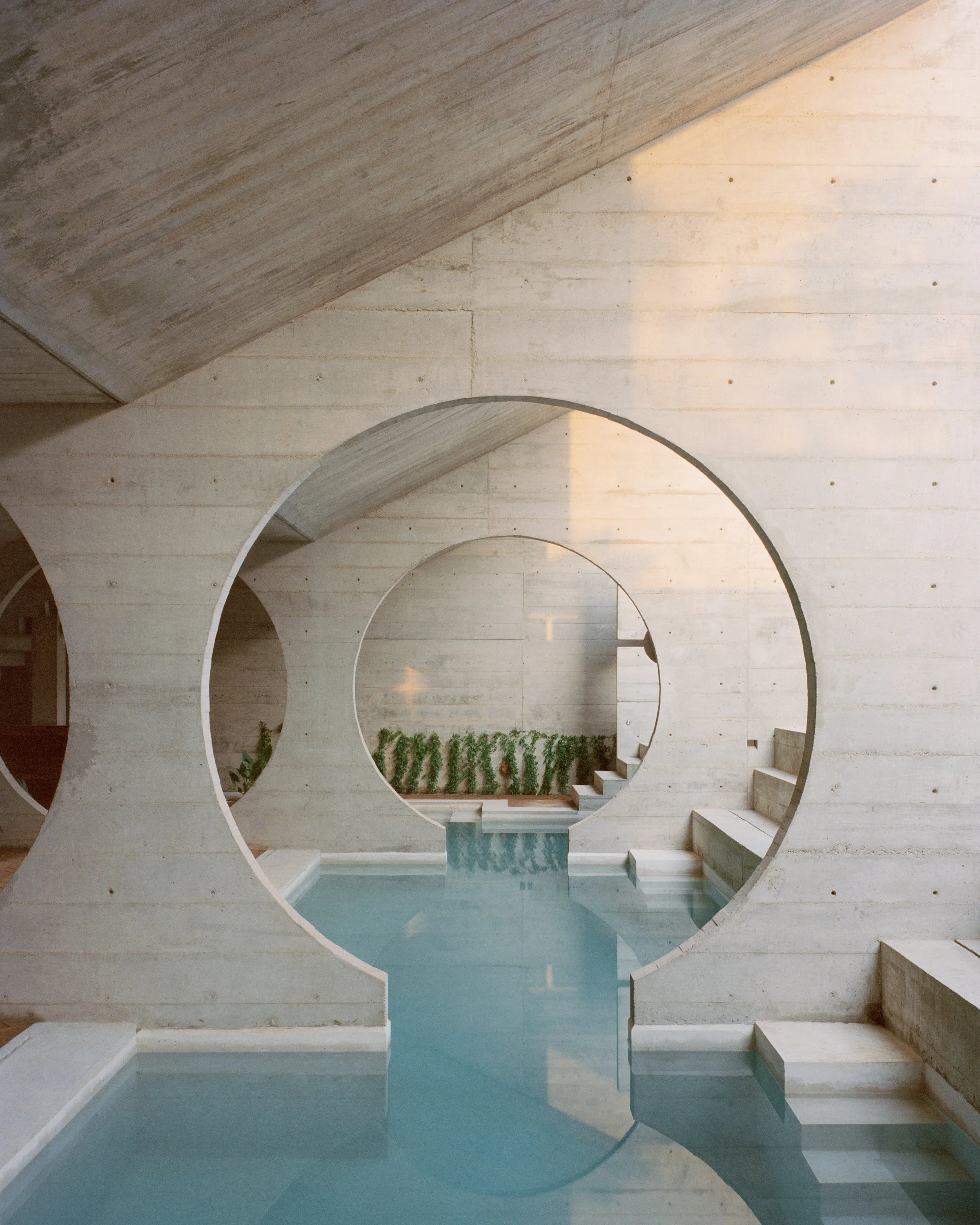
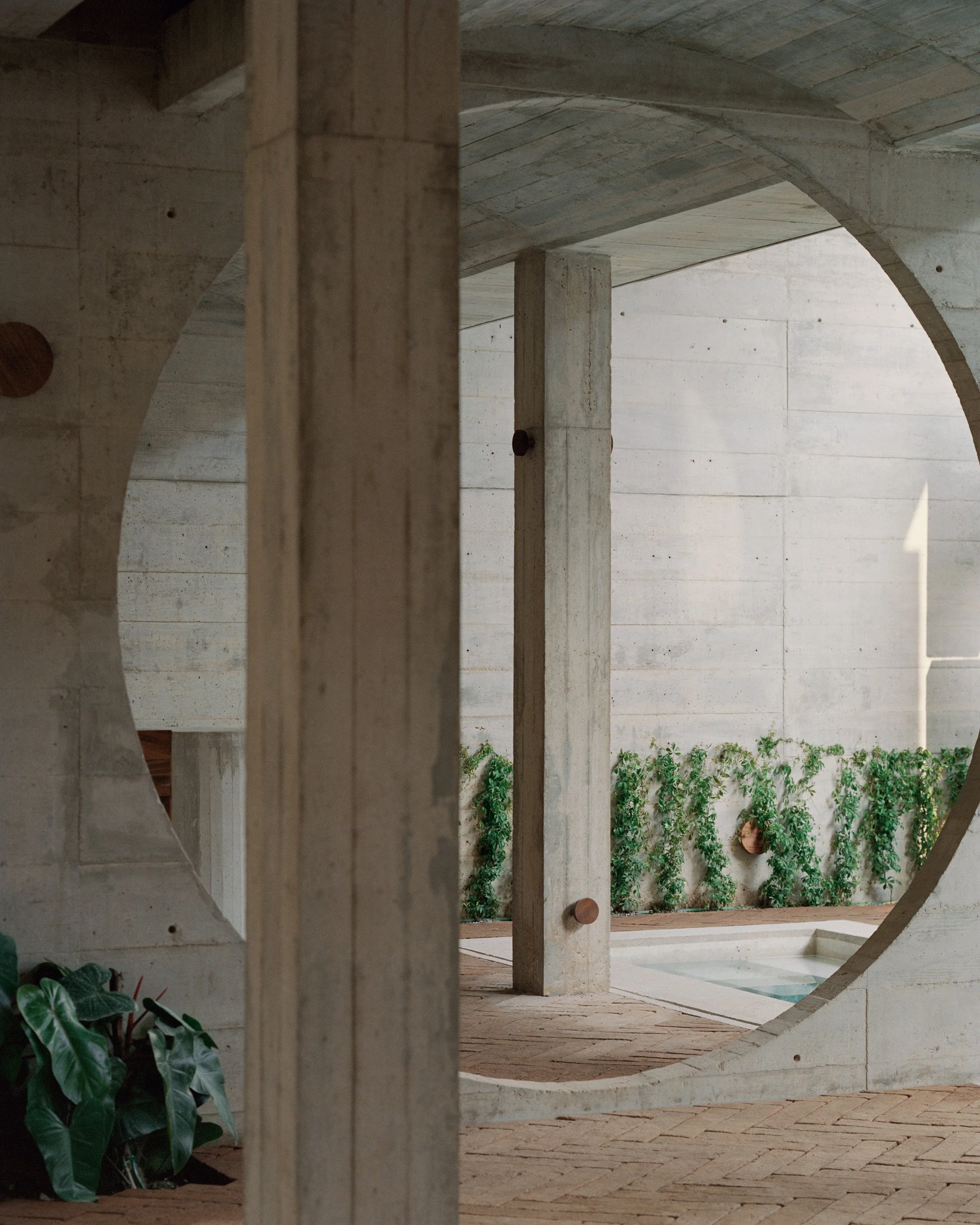
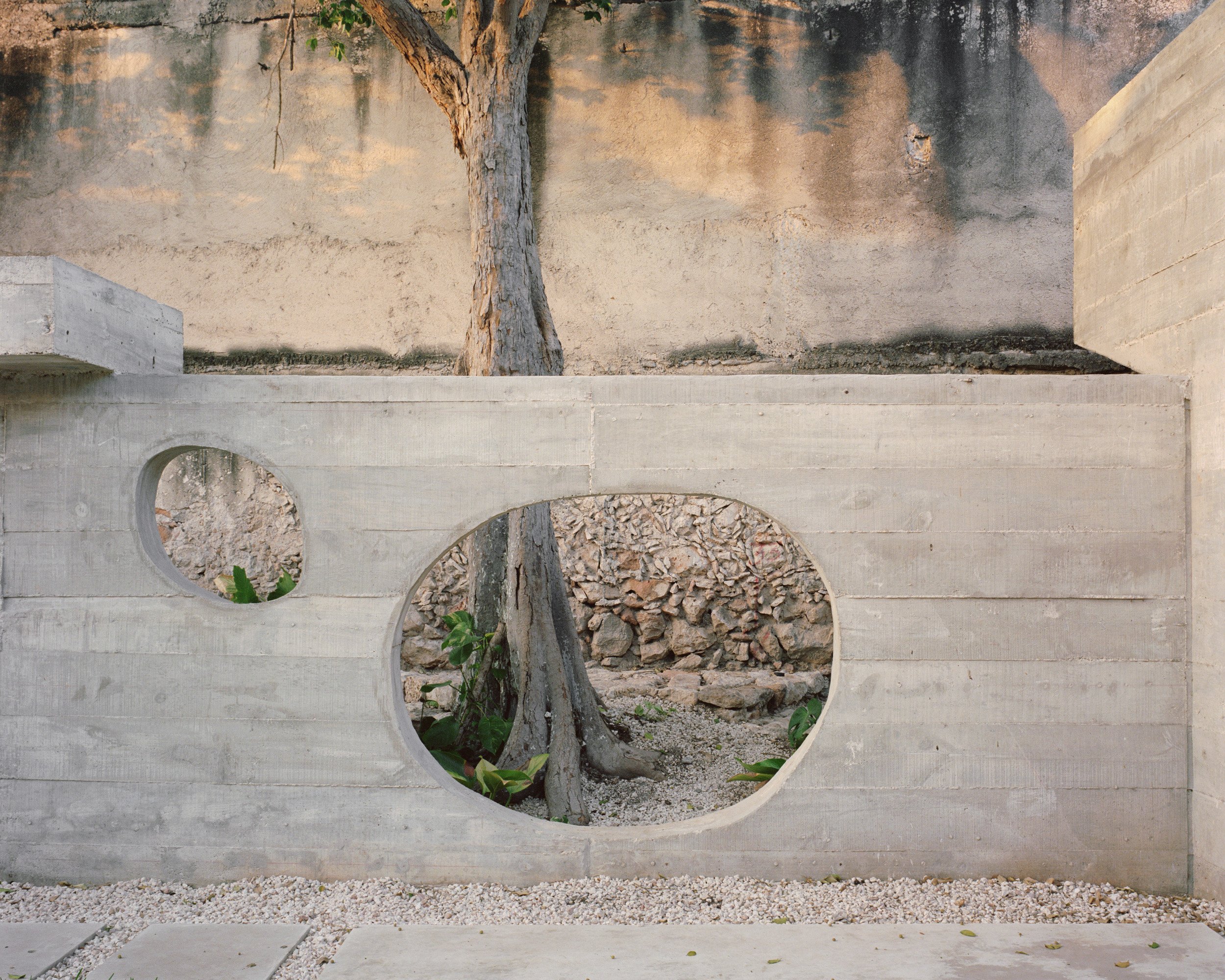
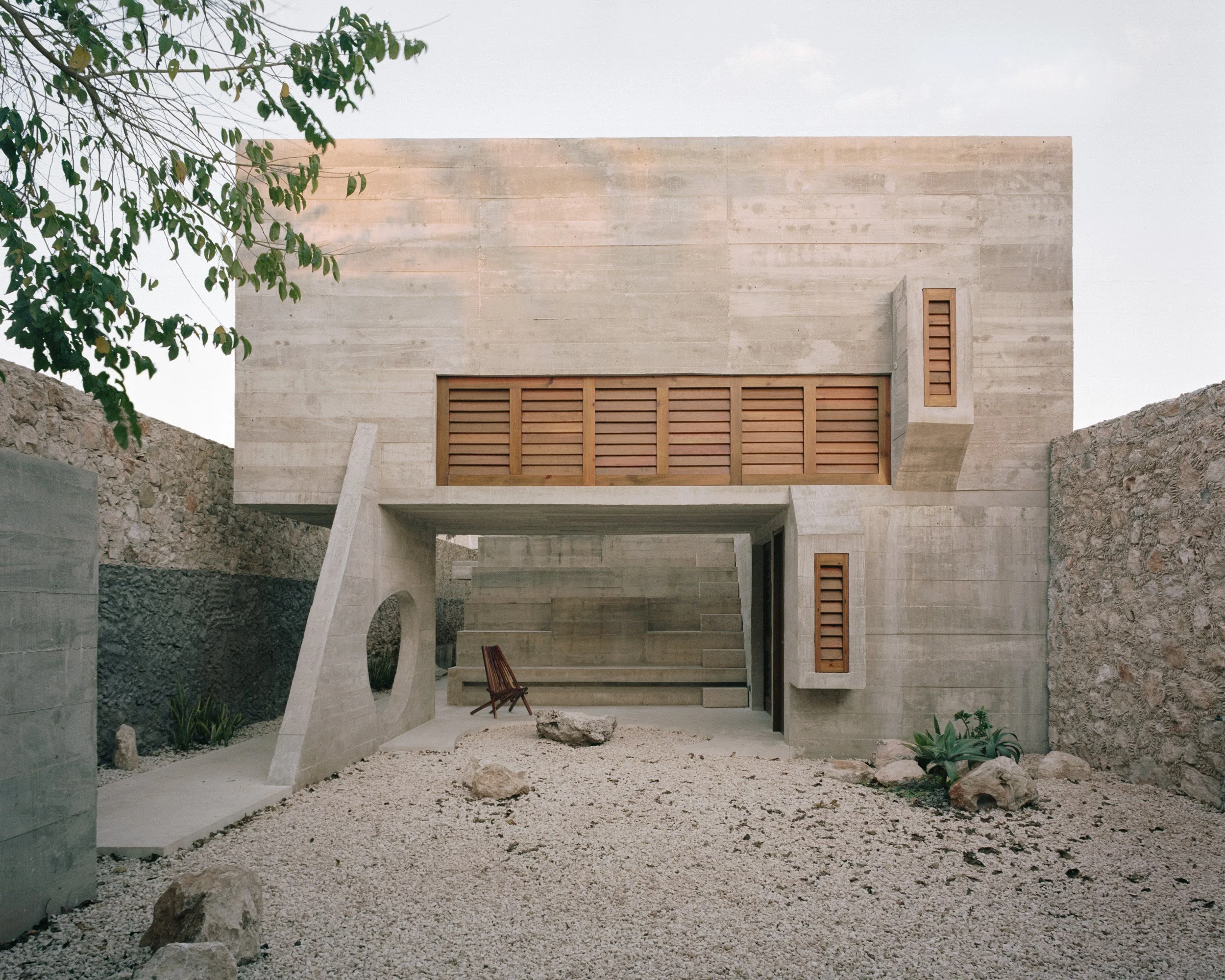
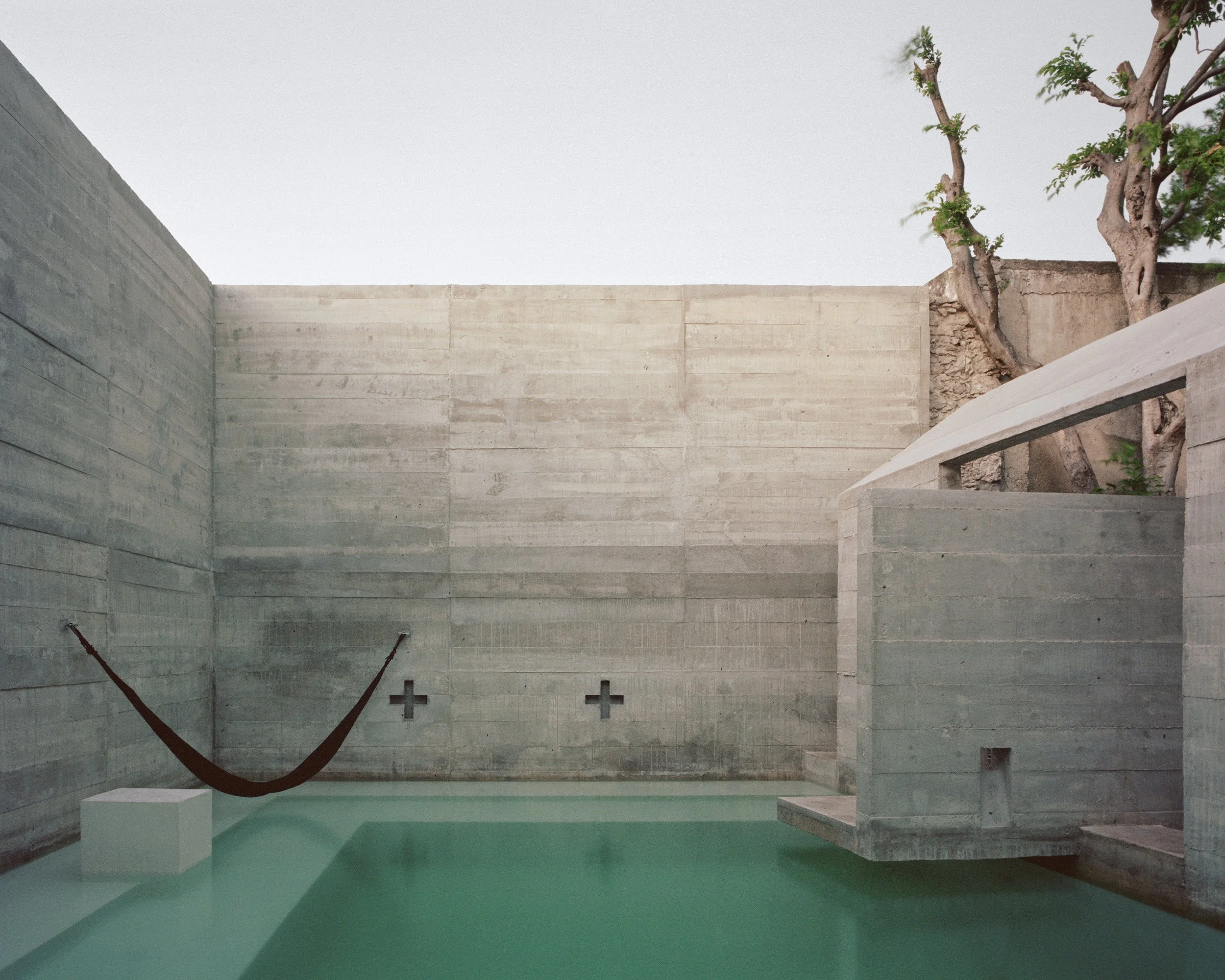
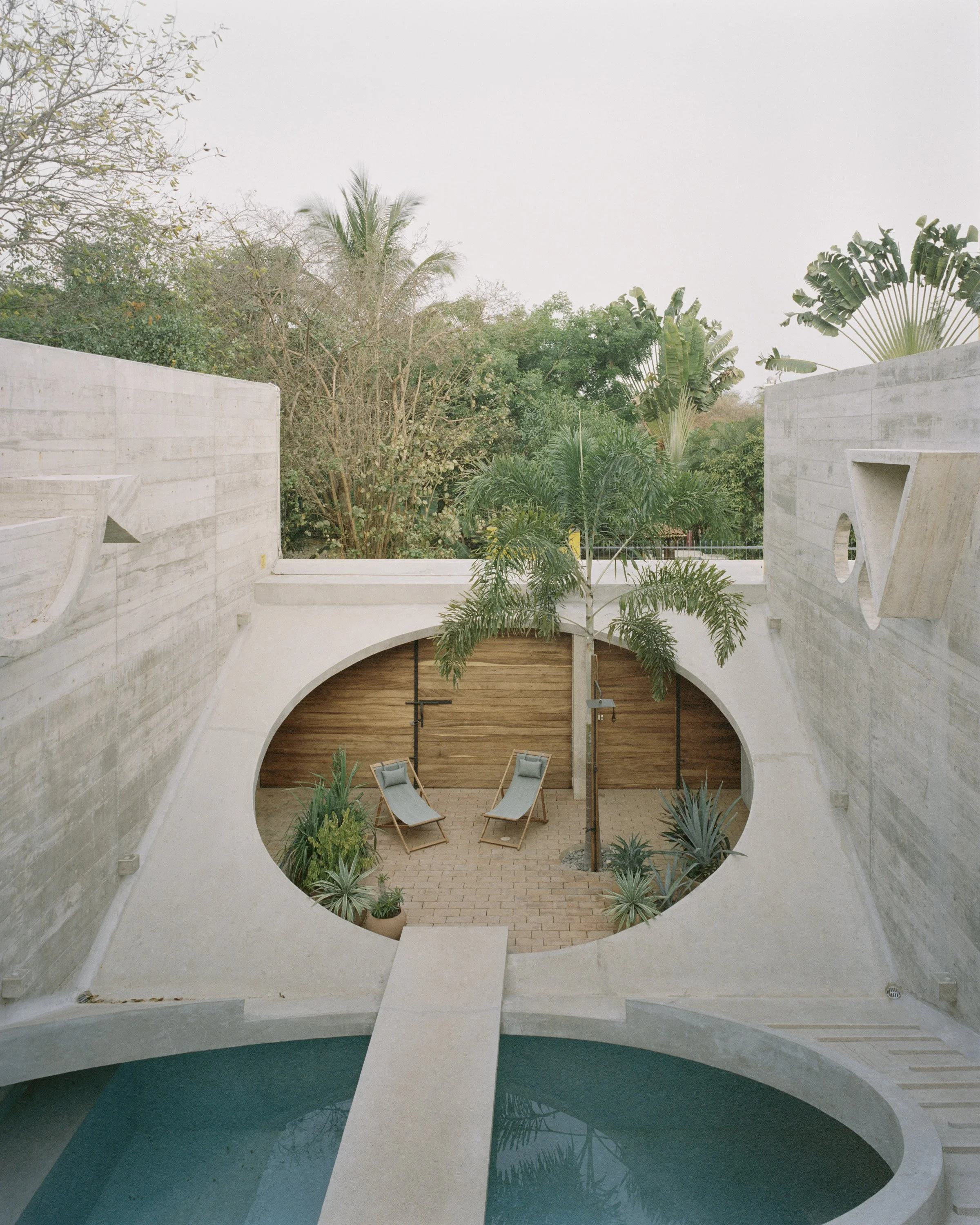
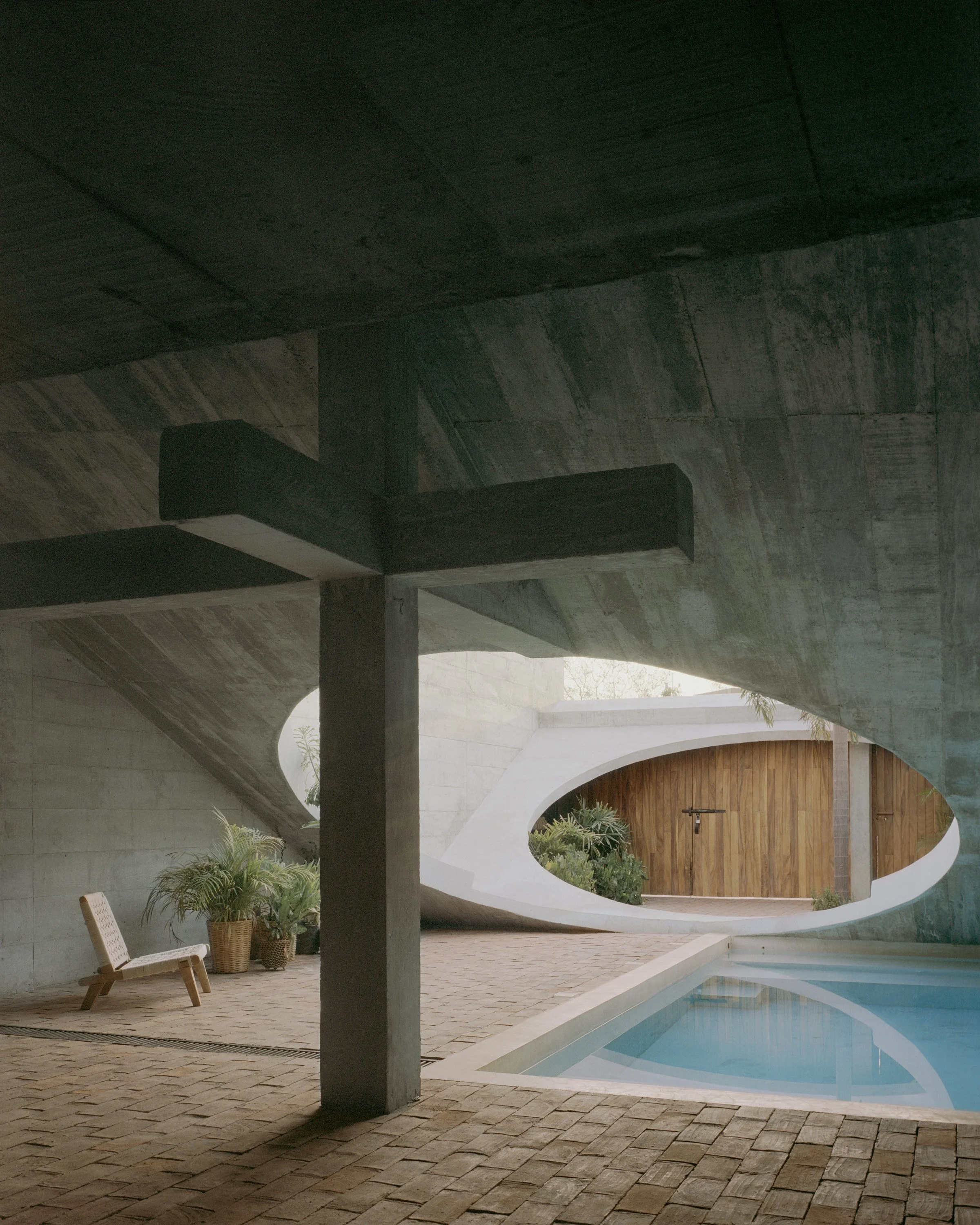
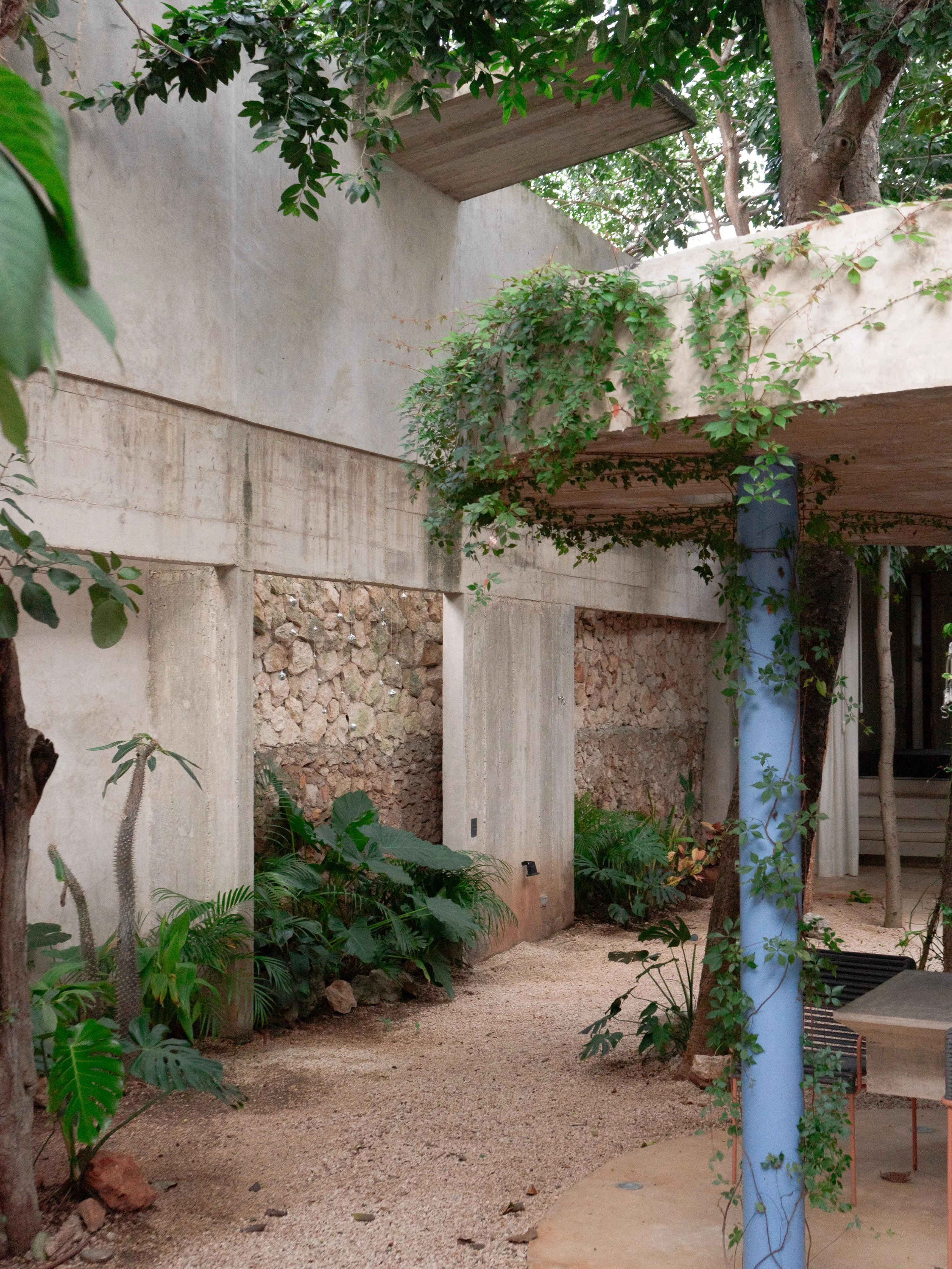
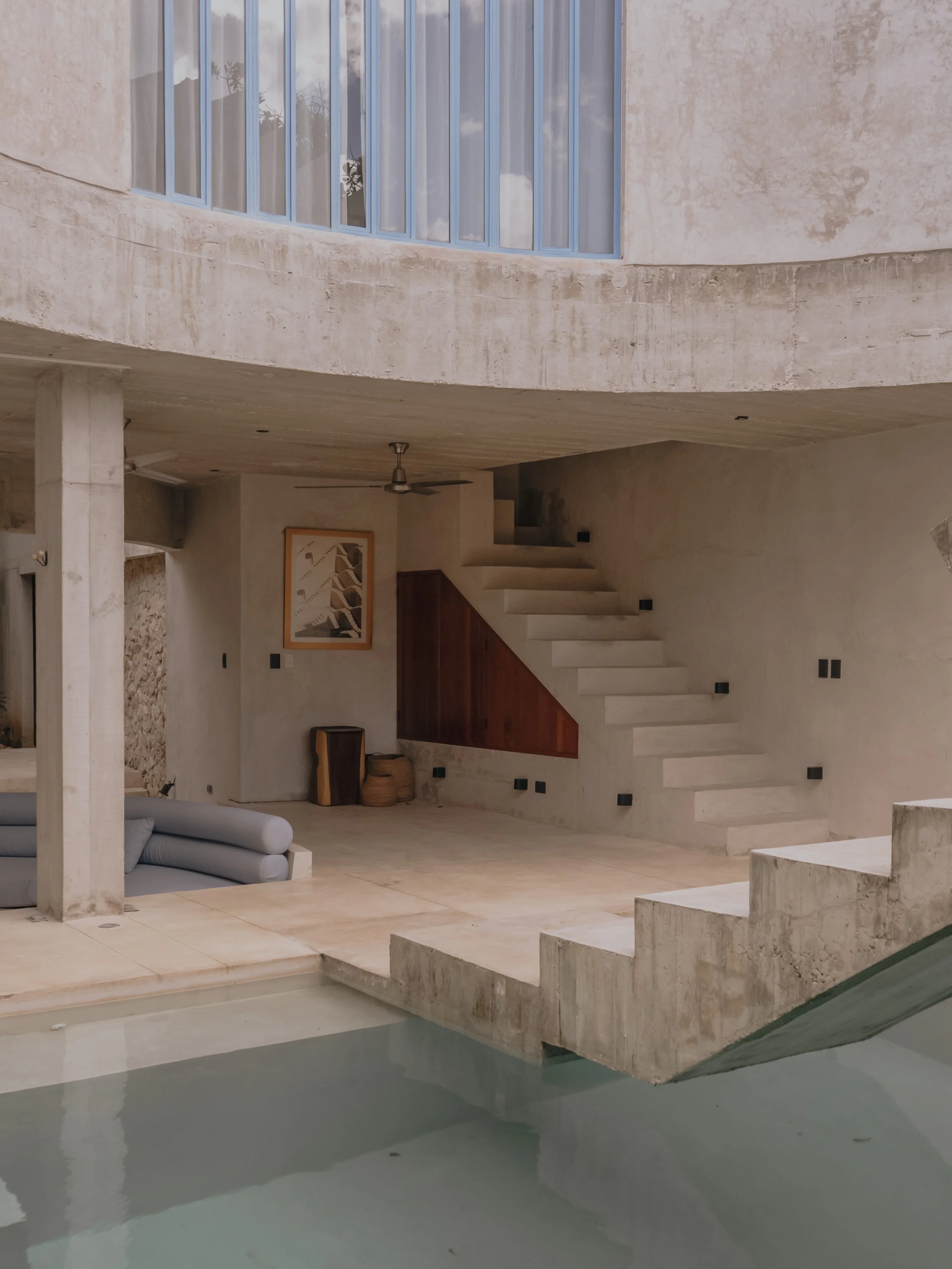
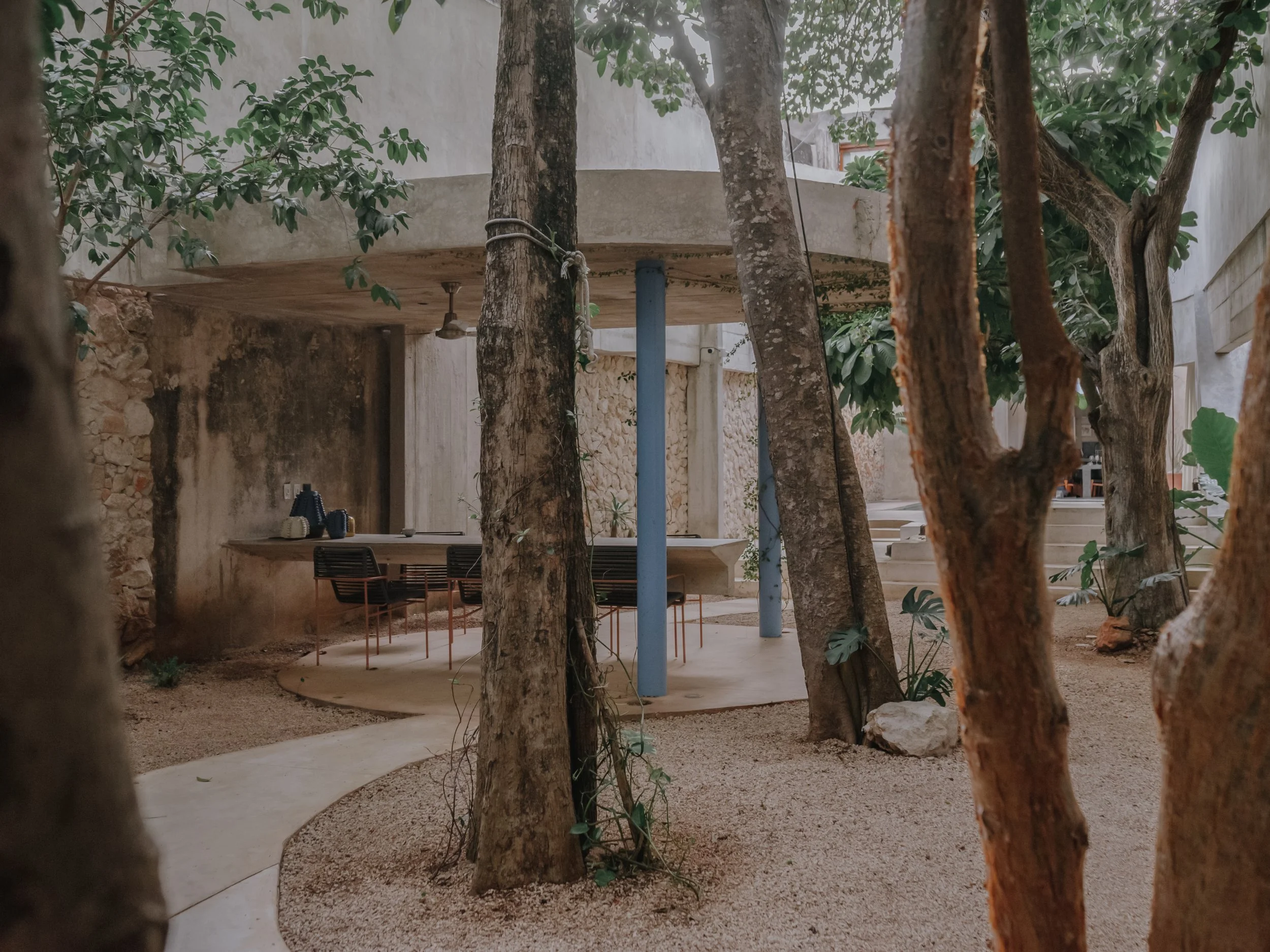
My architecture focuses on the relation between two countries; on one hand the country where I was born: France, my origin, and on the other hand the one where I live and work: Mexico, my inspiration. I titled this work : Concordance, in which I explore through my different architecture projects some subjective similarities I found between the bunkers of Normandy, where I come from, with the prehispanic mexican temples and pyramids. This relation between those two, a priori, disconnected worlds became my personal architectural signature and started to define a singular aesthetic. I explore the common points of monolitism and monomateriality, stone versus concrete, of those two different kinds of architecture, both blinds and based on such an elemental architecture artefact, the wall. However it’s the time and the common condition of ruins shared by bunkers and pyramids which link them on top of everything. The ruin is this contradiction of the time which has passed, but which is still remaining through the persistence of old elements from the past in our present, nevertheless in a state of recomposition. This is precisely this property of time i’m using in my architecture, the time as if it would be a material, following the idea of stepping back to this old and simple concept of “the patina of time”. In an opposite way of thinking from the “everything throwaway mentality” of our modern societies, i’m looking for the same simplicity and authenticity i find in the vernacular architecture. This research of simplicity is leading me to create a clean and abstract architecture, composed exclusively by massive materials, such as concrete, wood and stone. All those materials are able to get old and better looking under the action of time, rather than getting damaged. My architecture is willing to get rid of the unnecessary, to concentrate on the very essence of the structure of the building, where architecture could offer a contemporary reinterpretation of what could mean vernacular. My vision of architecture focuses on changing people habits rather than looking for technological improvements, towards a more simple way of living with less necessities, to minimize our impact on the ecology of our planet.
TIMESTAMPS
(00:00) Ludwig's background.
(07:29) Architecture school experience.
(17:23) Early career.
(32:51) What Ludwig learned from working in different countries.
(39:10) Working on international projects.
“When I face something that I don't understand, I'm like, “So how does it work?” It’s waking up curiosity for me, and learning about cultures and languages that I didn’t understand is really appealing to me. It's probably a result of who I am today because in France, they would label me as ‘the Mexican’ when I go back to visit my family. But in Mexico, because of my foreign accent, I'm still the French guy. I will never become a Mexican, but I'm not a French anymore. So, I'm somewhere in between floating. But in a way, I really enjoy it.” (41:47)
(43:13) Building in Mexico.
(47:16) Who loves brutalist architecture?.
(52:12) Is contemporary architecture too precise?.
“There is no space for accident in a Western culture. In the United States, you would end up in front of the court. In Mexico, everything is a giant accident, and everything is possible thanks to this. Once you understand that an accident in the Latin culture is not the end of the world, like it is for Westerners, then you start to enjoy accidents, and it becomes a part of your process. You embrace those accidents because it's probably the beginning of something you were not expecting or you were not even thinking of.So, we have a very different relationship to it.” (52:49)
(55:41) Ludwig's design process.
“What I like about physical models is that when you look inside of the model, you will have the final result of the project. If you like it, it's because you like your project. If you don't like it, you have to go back to work. This is not something that you can do with those very powerful tools like Lumion, D5 render, and AI right now. You're falling in love with an image; you're not falling in love with the project. When you work with a physical model, we’re talking about the project, not the presentation of it through a beautiful image and some crazy light effects.You can make wrong assumptions with those images because you can fall in love with a mistake, which is pretty difficult with a physical model.” (56:52)
(01:01:38) AI in architecture.
(01:05:34) Office size & project types.
“My goal is to not have an office. So right now, I only have two people working with me. I don't want to be the owner of an architecture office. What I want is to do architecture, which is pretty different to when you have 20 employees and you have to pay them at the end of the month. At some point, you cannot choose the project you're working on. I want only work on projects that I really like, so I have to keep it small. Otherwise, I would have to accept, like an office building that I don't want to do.” (01:06:30)
(01:10:08) Favorite architect.
(01:14:19) Favorite building.
“The key part is what is evoking emotion. I think that's the difference between an architect and a real estate developer. For example, they can work as good as we do on a floor plan, the bathroom, the working closet, the bedroom, and the core, and staircases etc. What they don't do is they don't put emotion into a space. So, a space is something that they will sell, and how many dollars they can spare if they do this and this. It’s more like a logic of commercial value. But an architect needs to bring some sort of surprise and emotions into a space. So that's what I'm trying to do most of the time.” (01:15:43)