#513 - JOSHUA RAMUS, Founding Principal of REX
SUMMARY
This week, David and Marina of FAME Architecture & Design are joined by Joshua Ramus, founding principal of REX. The two discussed Joshua’s background, designing for performance, best approach to client meetings, design competitions, office size & structure, interior design, being involved in all projects, design philosophy, project types, being flexible in design thinking, defending design concepts, and more. Enjoy!








ABOUT JOSHUA
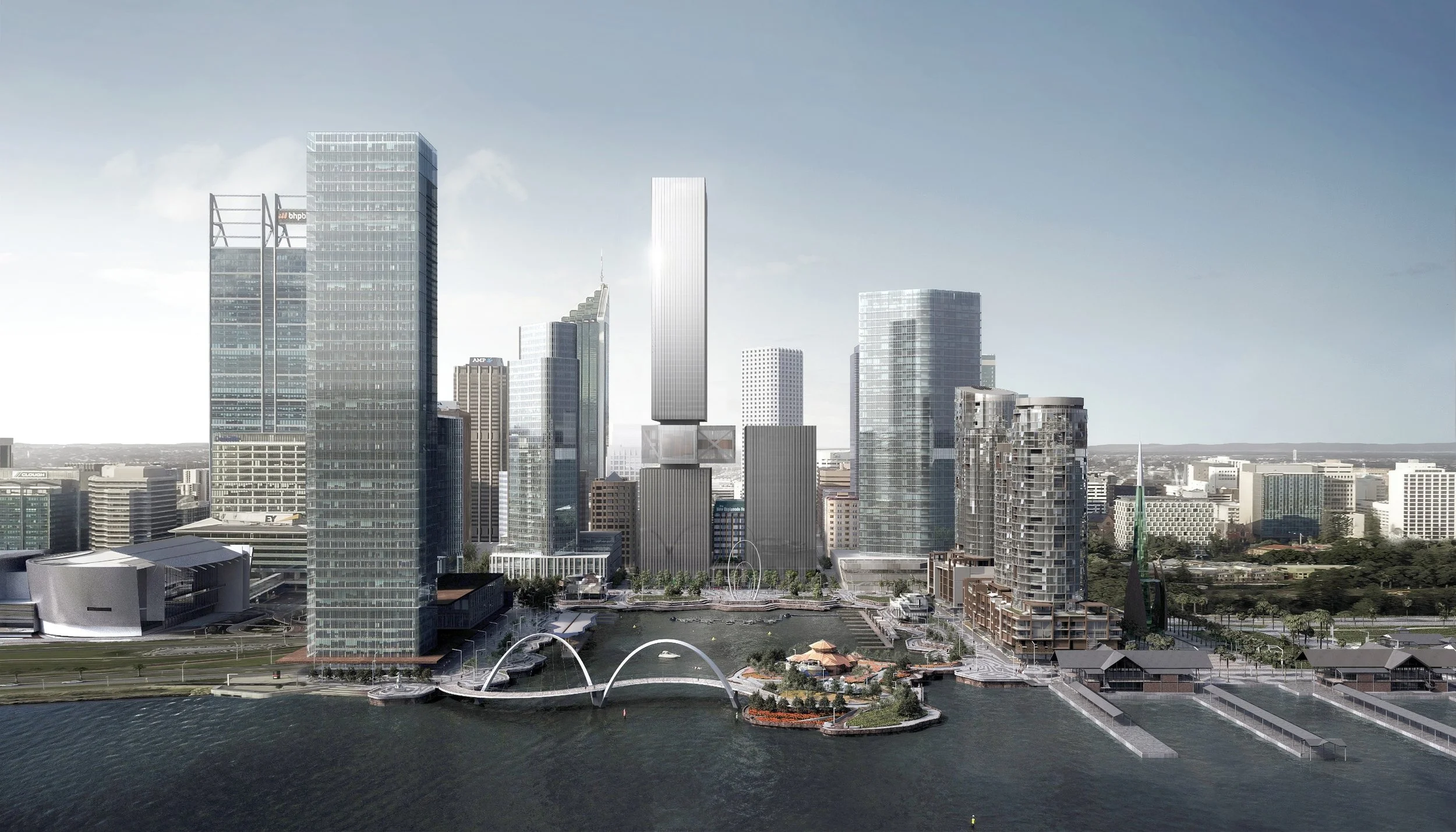
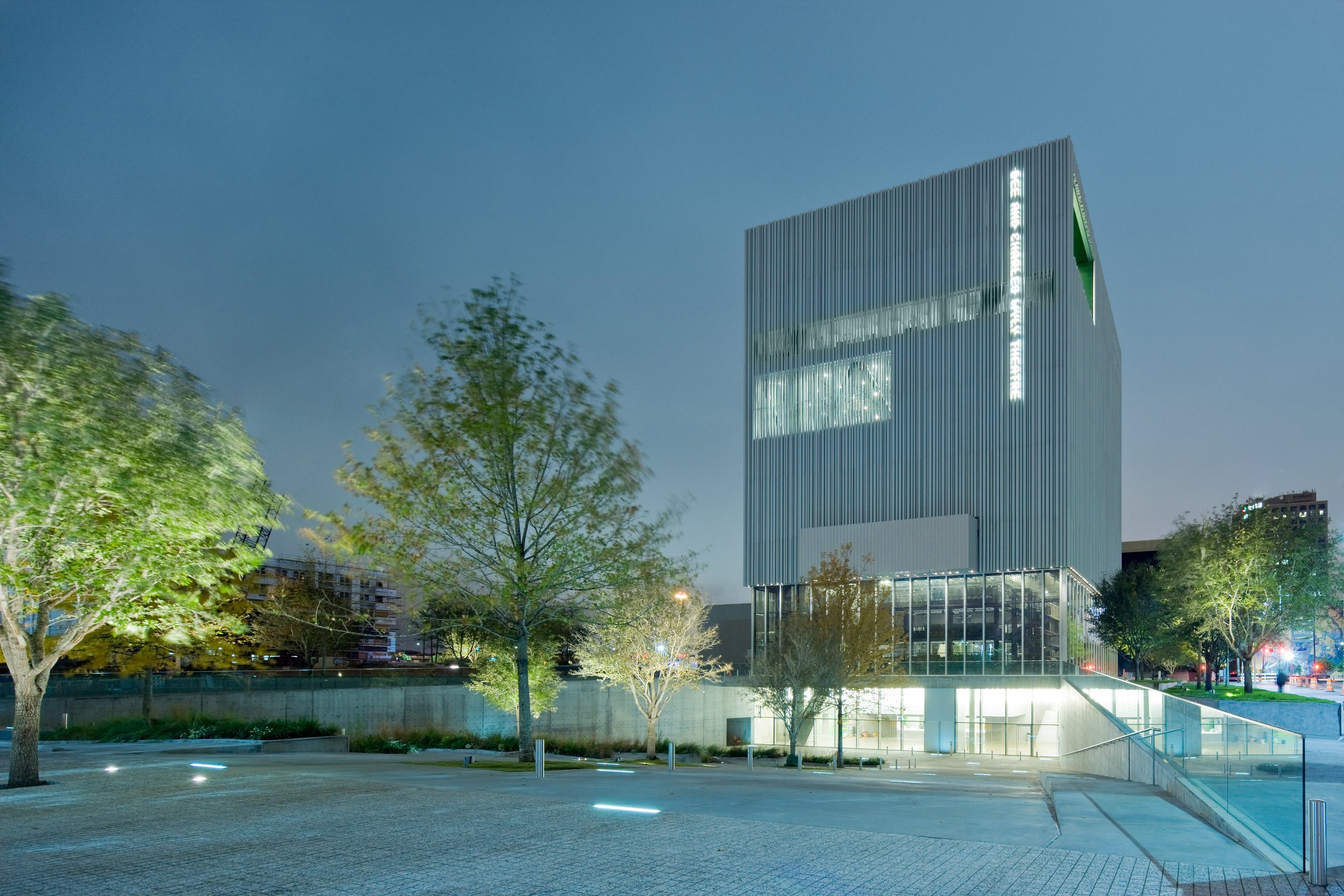
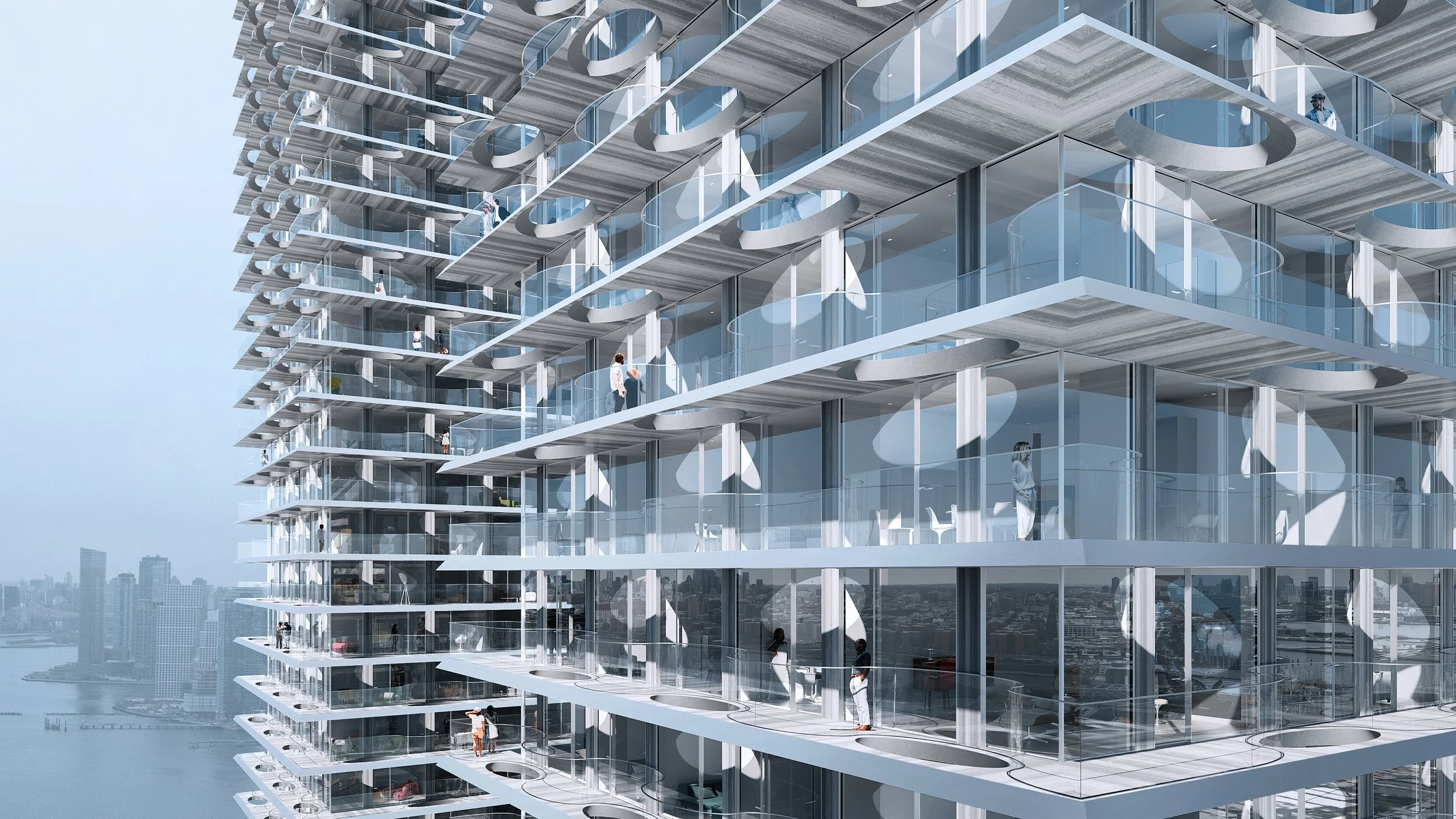
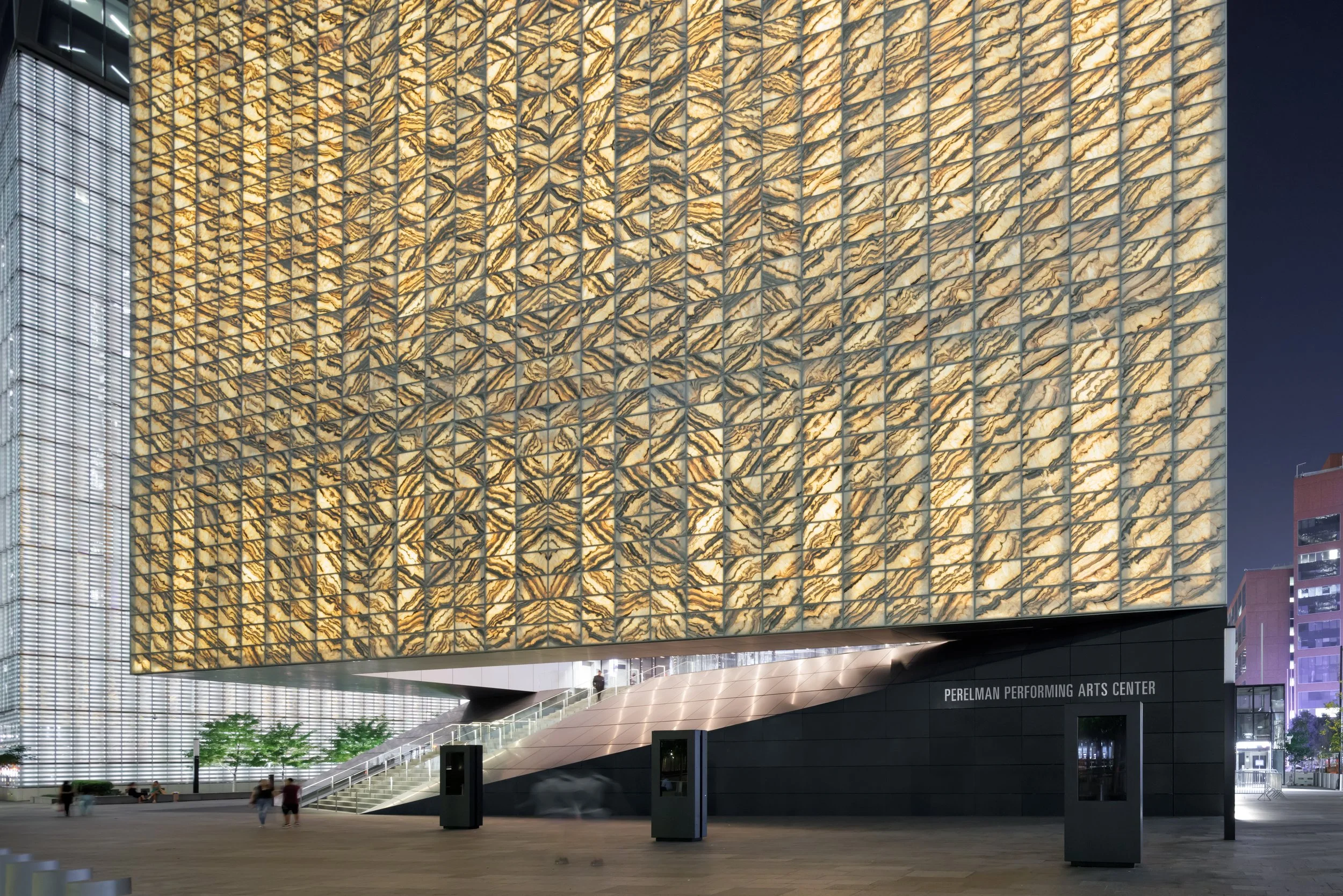
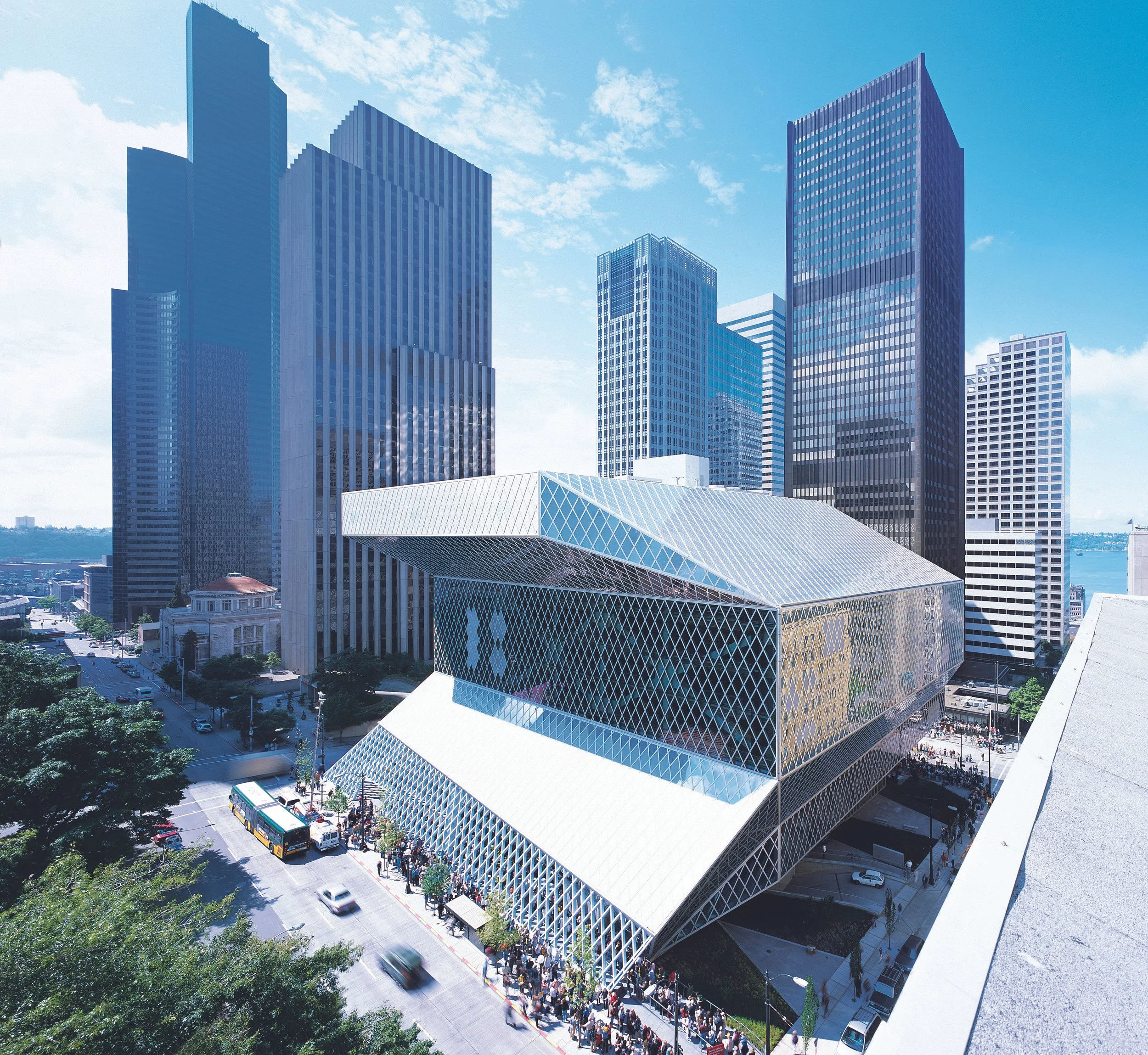
Joshua is founding principal of REX, an internationally acclaimed architecture and design firm in New York City. Believing architecture should actively empower its users and communities—not simply be a representational art—Joshua’s work advances building paradigms and promotes the agency of architecture. Over his 30-year career, he has led the design of projects celebrated worldwide, such as the Perelman Performing Arts Center at the World Trade Center (“Lower Manhattan could have hardly asked for a more spectacular work of public architecture,” The New York Times); The Lindemann Performing Arts Center at Brown University (“Takes theater architecture into new territory, pushing the notion of flexibility to its limits; to the point where you wonder if the whole idea of a theater—or any building for that matter—might be changing with it,” The New York Times); the AT&T Performing Arts Center's Dee & Charles Wyly Theatre in Dallas; and the Seattle Central Library (“The most exciting new building it has been my honor to review in more than 30 years of writing about architecture,” The New York Times).
Joshua was the first American recipient of the biennial Marcus Prize, and has been named one of "The 5 Greatest Architects Under 50" (HuffPost), "The World's Most Influential Young Architects" (Wallpaper*), "The Twenty Most Influential Players in Design" (Fast Company), "The 20 Essential Young Architects" (ICON), and "The Best and Brightest" (Esquire). His projects and firm have won two AIA National Honor Awards, an American Library Association National Building Award, a U.S. Institute for Theatre Technology National Honor Award, Time's Building of the Year, the International Design Awards Building of the Year, and a spot on Architectural Digest's AD100. In 2024, Fast Company named REX to its World's 50 Most Innovative Companies list.
Joshua is the John Portman Visiting Critic in Architecture at Harvard and has held visiting professorships at Columbia, The Cooper Union, MIT, Rice (Cullinan), Syracuse, and Yale (Eero Saarinen). An early member of the TED Brain Trust, he has presented REX's design methodologies at several TED conferences and lectures widely at universities, cultural institutions, and symposia worldwide.


TIMESTAMPS
(00:00) Joshua's background.
(06:26) Designing for performance.
“While beauty is incredibly important to me, I'm not naïve enough to make it the focus of the conversation. Joy, beauty, and inspiration all matter in architecture, but I don't think they should be its primary purpose. What matters more is how architecture impacts people's everyday lives. What can it actually do for them? When I think about the projects I'm most proud of, they're the ones that became a tool for the people using them, transforming their ability to do what they do every day.” (06:57)
(17:30) Great clients.
“The thing I'll always say about great clients is that they're willing to take educated risks. The library board was wise and confident enough to keep pushing, questioning, and interrogating ideas, but once the work met the high standard they had set, they were willing to move forward with it. When we first presented the design, it was complete silence. They asked Rem and me to step outside and take a walk on the dock, which felt like we were walking the plank. We looked at each other and thought, "Maybe we went too far." When we came back, one of the board members said, "We don't know what this is, but we know it embodies every idea and every decision we've discussed up to this point. You've shown us how it reflects everything we need, so we're going to move forward with it." That, to me, is what makes a great client.” (19:47)
(25:08) Best approach to client meetings.
(29:25) Design competitions.
(34:19) Office size & structure.
“I think once a firm grows beyond about 50 people, its collective intelligence starts to get diluted. You often see firms begin to plagiarize themselves. They reach a size where the people doing the work feel entitled to the firm's legacy, but they don't fully understand it or have control over it. The result is work that imitates the firm's past projects without capturing what made them successful. If another firm produced that same work, it would be criticized as plagiarism. But because it carries the original firm's name, it gets a pass.” (36:17)
(42:45) Interior design.
(44:48) Being involved in all projects.
(46:52) Design philosophy.
“We've started focusing more on phenomenology than form, creating buildings, wall systems, and experiences that change dramatically throughout the day and across the seasons. Think about the Perlman illuminated at night, or the way light moves across the façades of the Lindemann. Those are powerful experiences. I'd much rather invest in those kinds of moments than in a dramatic formal gesture that's likely to go out of fashion.” (54:21)
(56:20) Project type that is interesting.
(01:00:02) Being flexible in design thinking.
"Unless you're wildly independently wealthy, the only things you'll put into the world are the things you can argue for. If you want to be a paper architect, that's a perfectly valid path. There have been extraordinary architects who did incredible work that was never built, and there's nothing wrong with that. But if your goal is to build, you're only going to build the ideas you can successfully argue for.” (01:04:02)
(01:05:16) Defend design concepts.
(01:11:49) Favorite Building.