#515 - BRENT BUCK, Founder and Principal at Brent Buck Architects
SUMMARY
This week, David and Marina of FAME Architecture & Design are joined by Brent Buck, founder and principal at Brent Buck Architects. The three discussed Brent’s background, architecture education, inspiring buildings during his travels, what’s consistent in his work, efficiency in design details, making compromises, starchitects & interior designers, how architects can communicate better, the Clinton Hill project, favorite building & experiences, and more. Enjoy!









ABOUT BRENT
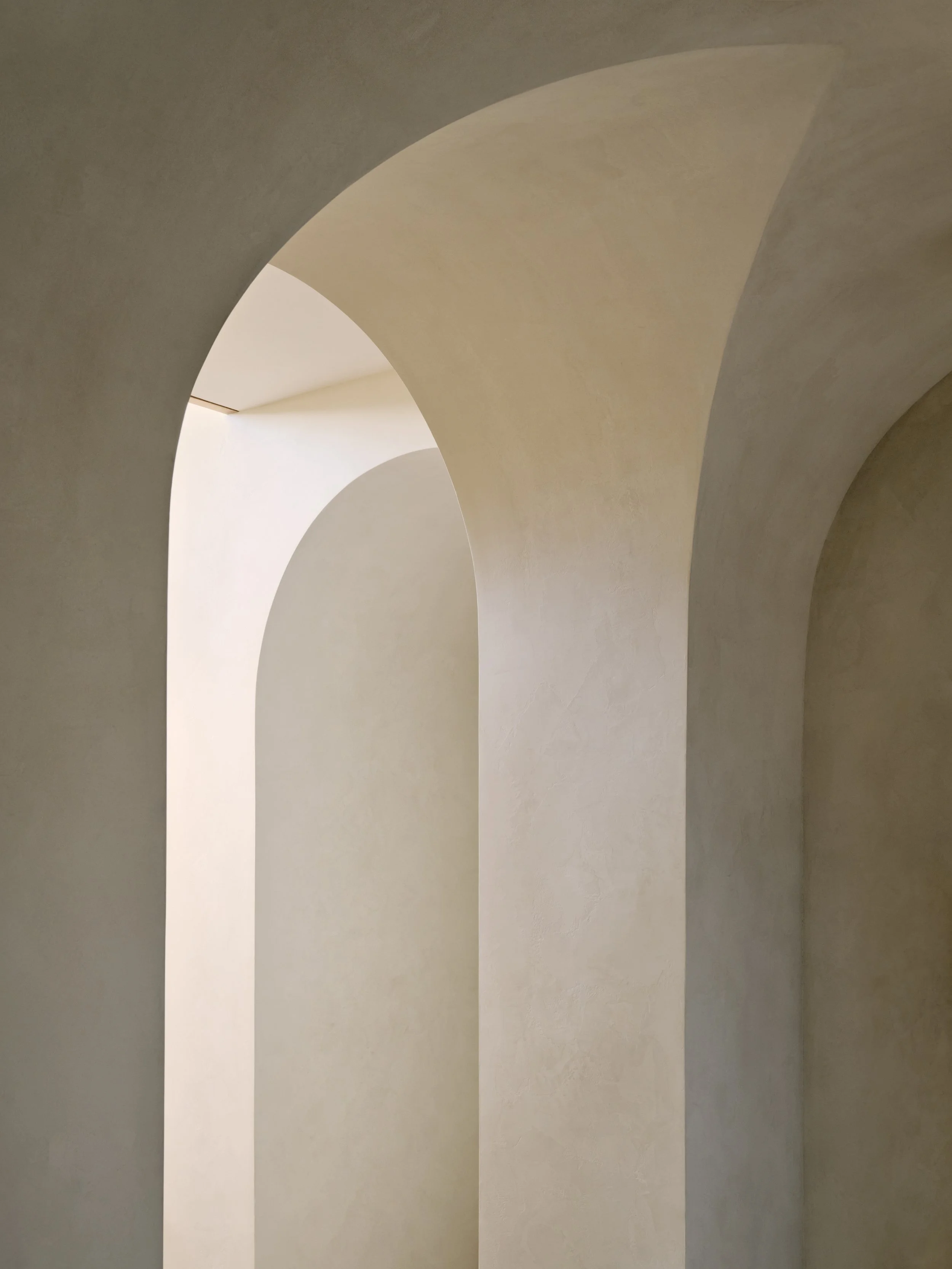
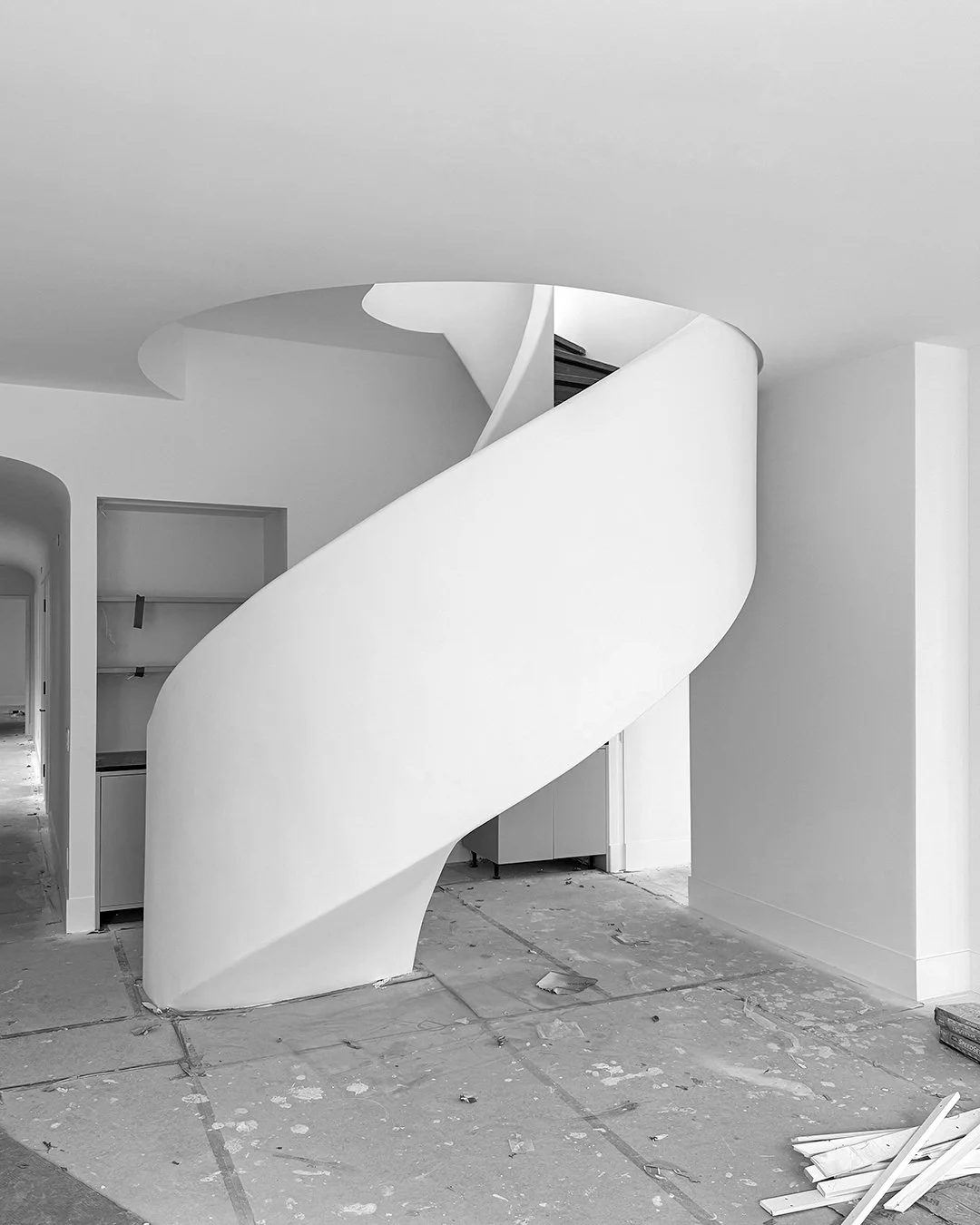
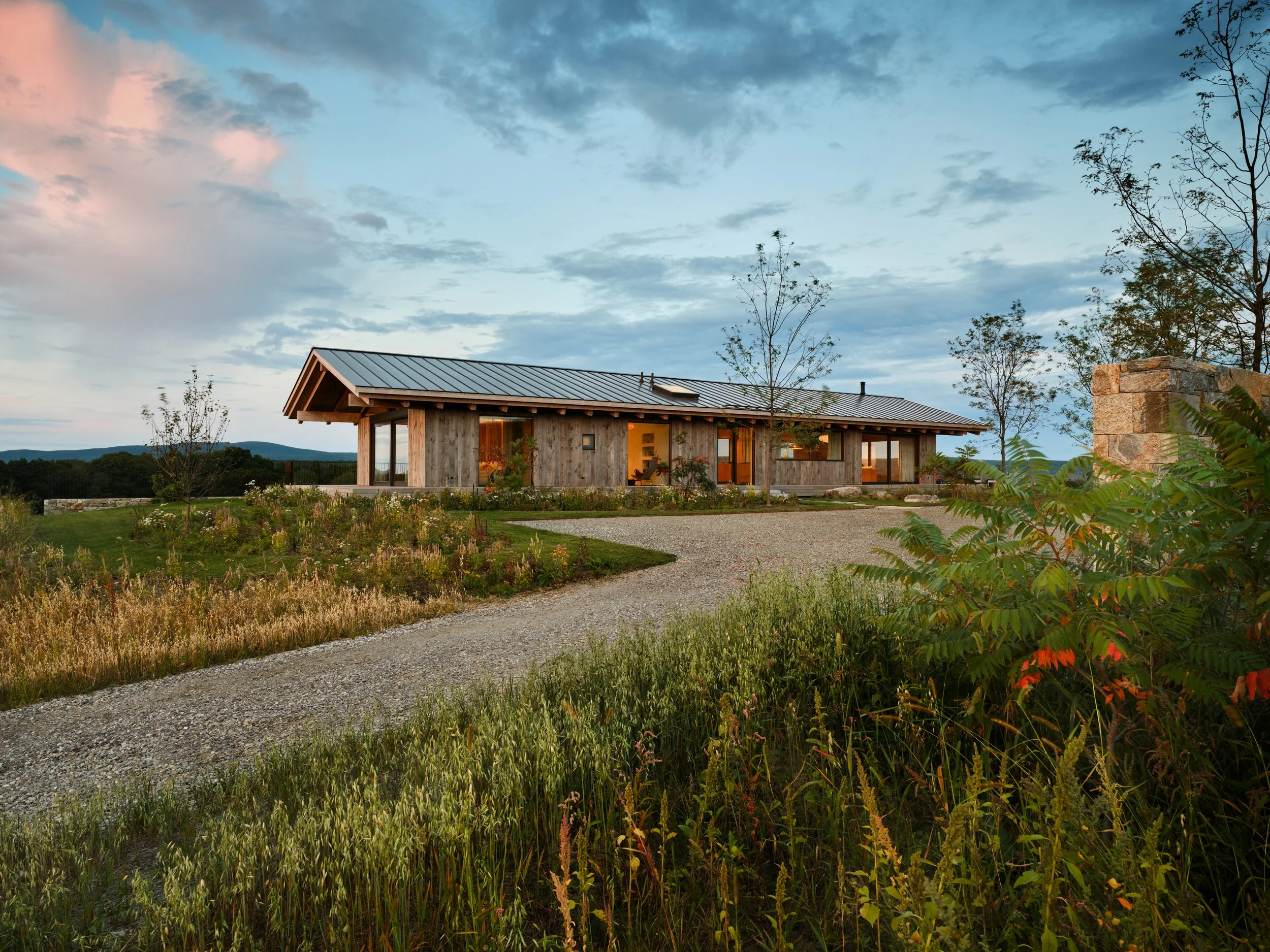
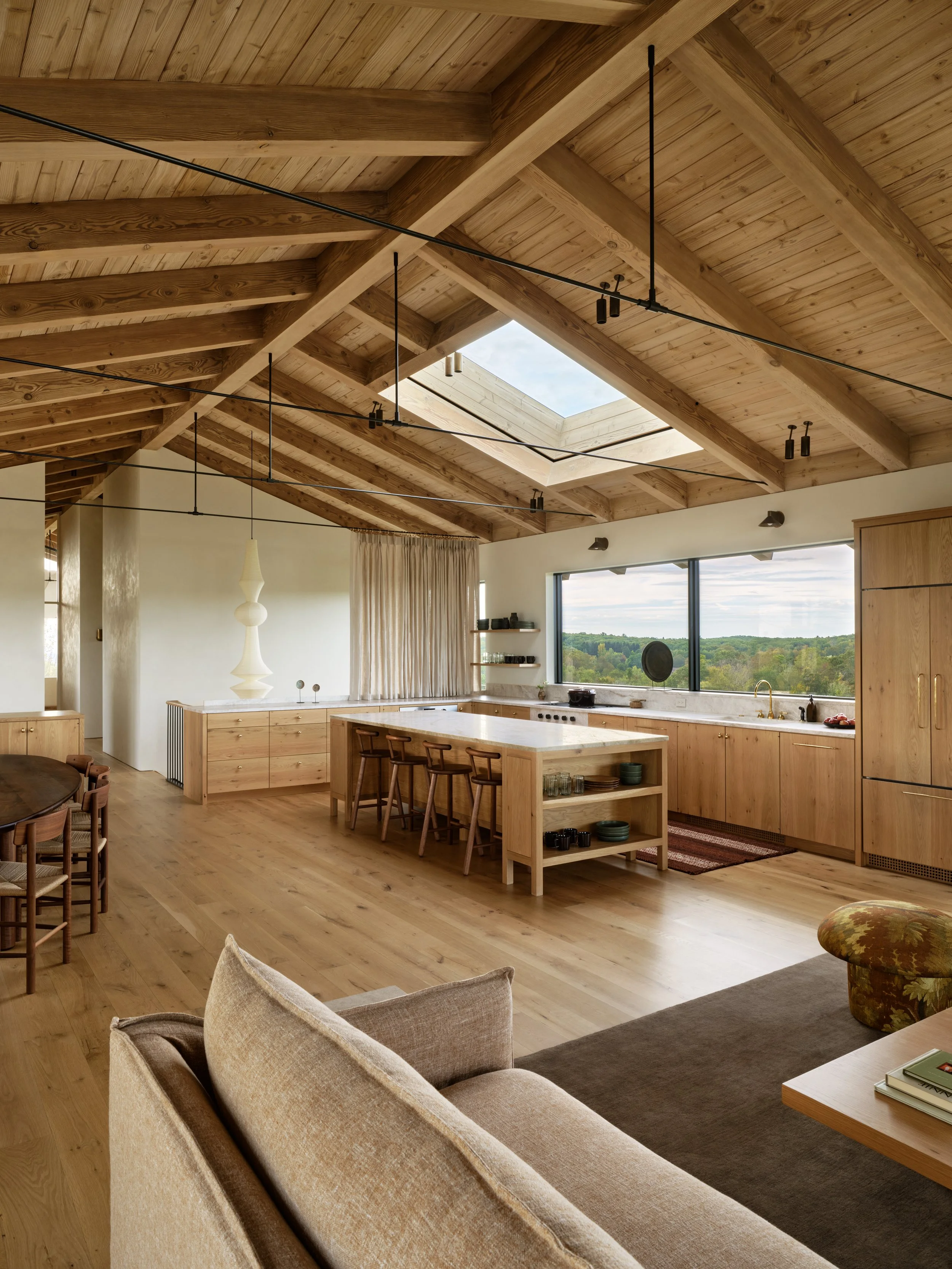
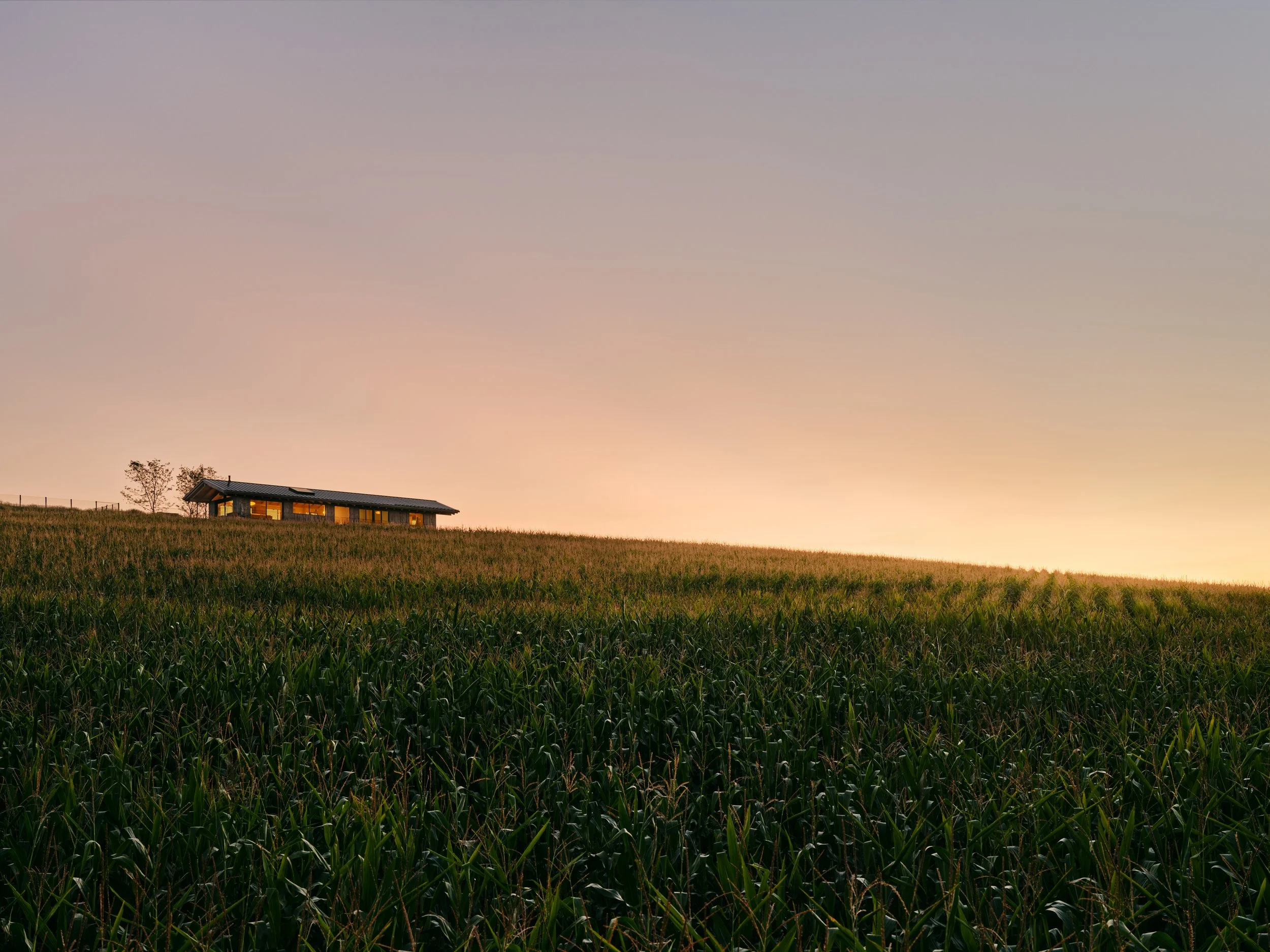
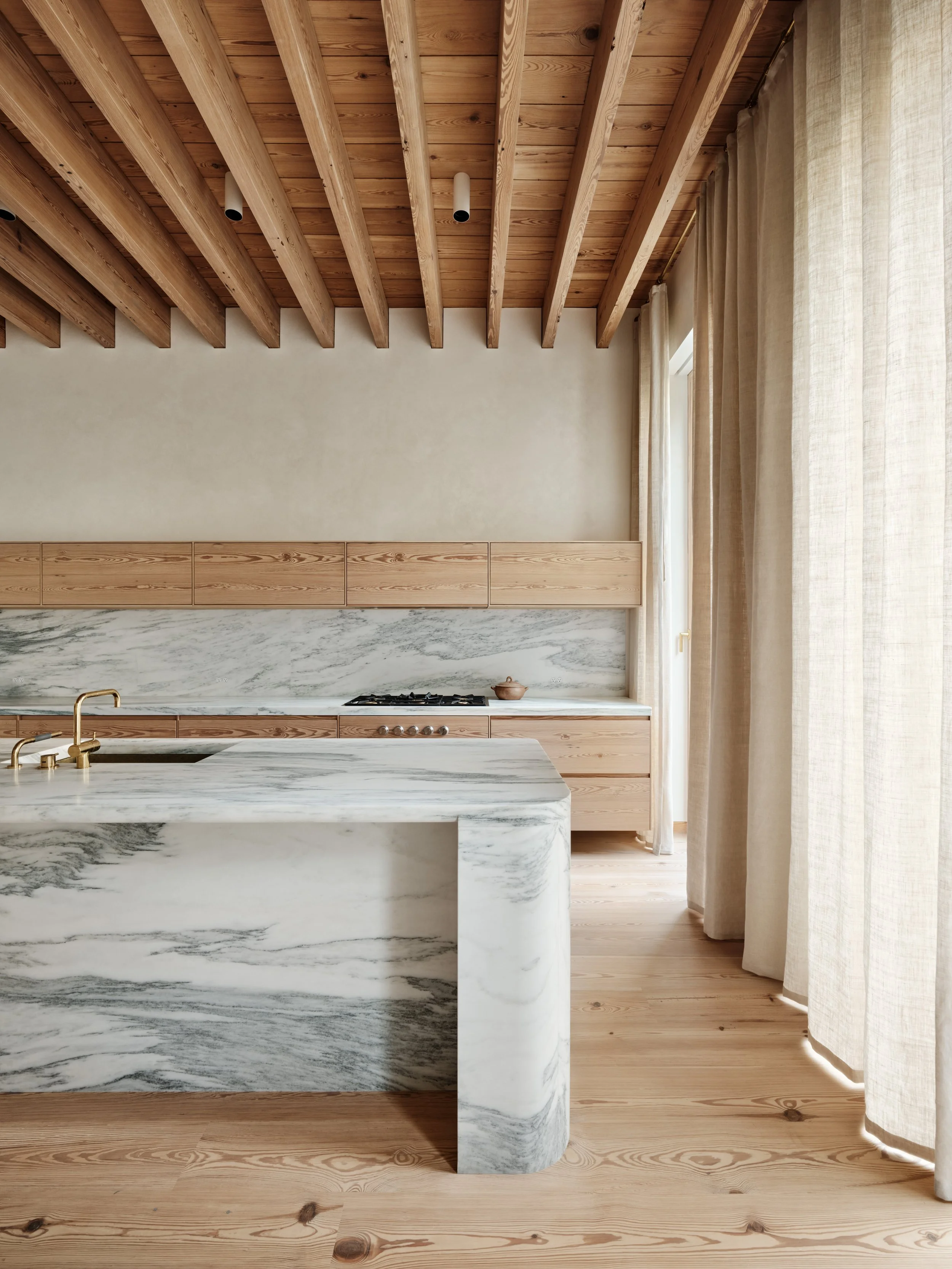
Brent Buck is founder and principal at Brent Buck Architects, a full-service architecture and interiors practice working throughout the United States on projects of multiple scales—from furniture to multi-family buildings. The firm believes that architecture is a conversation between many to create simple, timeless solutions— we not I. They begin by listening to their clients, their program and the site. They prefer to start by hand—sketching or by taking inspiration from the texture of a material or object. Their interest is to work on projects that value collaboration, context, detail and curiosity about the use of materials. Their goal is an architecture that combines rigor with the warmth of craft to create spaces loved by those who occupy them.

TIMESTAMPS
(00:00) Brent's background.
(06:20) Architecture education.
(13:36) Inspiring buildings during travels.
(19:23) Working at Tod Billie Architects.
(24:21) What's consistent in Brent's work.
“We understand that we're going to solve the details as we go, so it's important to step back and think more holistically about the project. We want the schematic design to be as strong as possible with the time we have, and to think about the architectural experience without relying too heavily on the details. Those details are becoming increasingly complex and difficult to execute. If we can make the architecture successful at the level of the overall experience, that's something we're becoming much more interested in as a studio.” (25:48)
(26:54) Design details.
“Is that detail really critical to the project? I think as architects, we can fall into the trap of thinking, "Here's the detail, and here's the detail, and here's another detail." It's worth stepping back and asking what's actually central to those moments. Those specific things we touch and the materials we use are still very important to us, but we have to make sure they're more forgiving in their installation. Something that's perfectly imperfect can be more interesting to us now than something that's perfect. It might be the difference between a beautifully polished Mies van der Rohe column and a highly textured brick wall with intentionally sloppy mortar. There's more feedback and character in that material than in something that implies a kind of false perfection.” (28:19)
“In addition to the initial act of creating architecture, architecture exists in the world. People use it, and people have to take care of it. If we're too specific as architects and designers, especially when it comes to details, who's going to maintain them? As we've gotten a little older and I have more grey hairs, I've started thinking more about what a building or project will look like five, ten, or twenty years from now. Are we designing something that will hopefully be timeless? And are there people who can actually maintain it? If there's a very specific detail, how does that detail get maintained over time?” (32:37)
(35:27) Efficiency in designing details.
(40:15) Making compromises.
“Compromise isn't necessarily a terrible word, although it's difficult for all of us, especially young architects, to understand. But oftentimes, compromises can lead to really amazing solutions to problems. As we've become more established as a studio, we've realized that compromise isn't a bad word. I think architecture needs more of it. Rather than believing there's one pristine, perfect idea that represents one person's voice, there's a more interesting story that can emerge from something larger and more holistic. Hopefully, that's something a new generation of architects can put forward.” (41:06)
“The general concept of "we," not "I," is a founding principle of our studio. I would think about the lectures I'd heard and the way architects talked about their work. So many people refer to projects involving ten, 100, or 1,000 people by saying "I." But architecture is absolutely a team sport. We all have good ideas. Our clients have wonderful ideas, and our consultants have wonderful concepts and thoughts. The more of those ideas we can absorb into a project, the better it can become. If we hone our ability to edit those thoughts, we can construct a whole that brings all of those ideas together.” (43:44)
(44:53) Starchitect & interior designers.
“My advice to architects is to have that conversation and educate ourselves about how we can become better at interiors as well. I think they're different mindsets and different ways of thinking about space, so there are really two different ways of approaching the work. Our long-term dream as a studio is to do holistic projects. In some of our recent projects, we've been able to do that, and we've never had a project where the interior design was done by a third party. We want to continue that trend and keep refining both the architectural and interior design sides so the projects feel like they're designed by one hand, or at least feel cohesive. Sometimes these types of projects can become oil and vinegar.” (50:24)
(56:18) How can architects communicate better?.
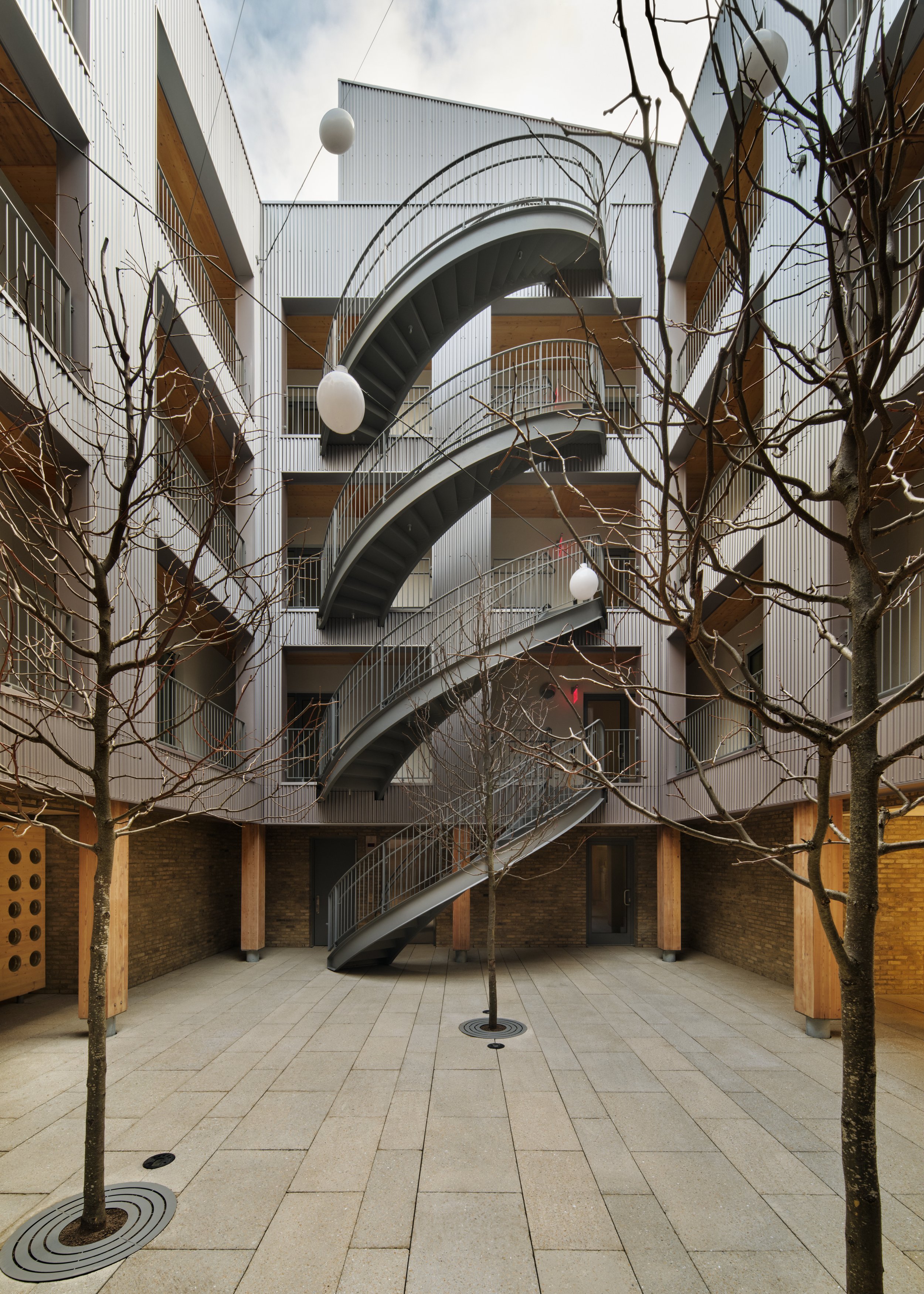
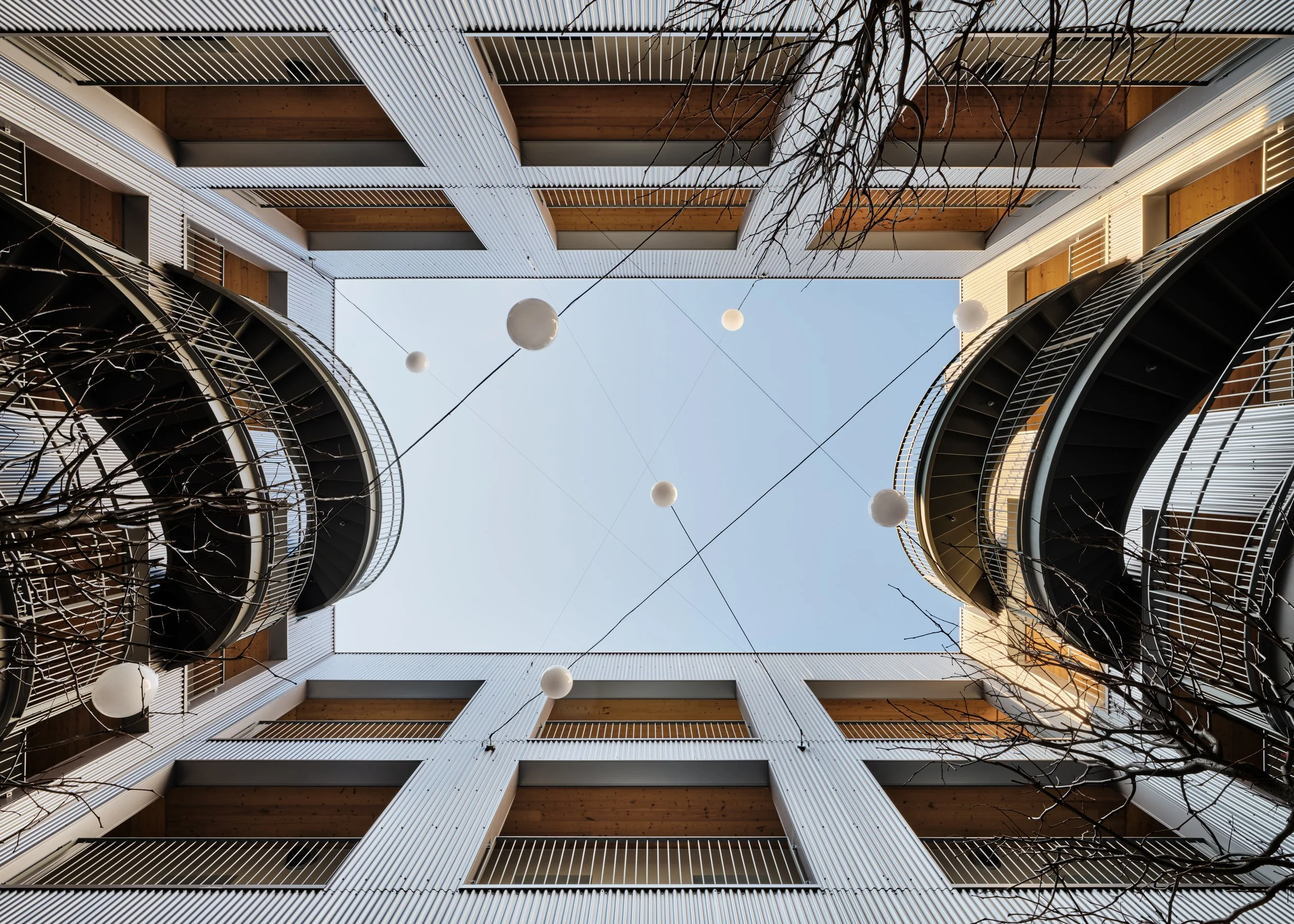
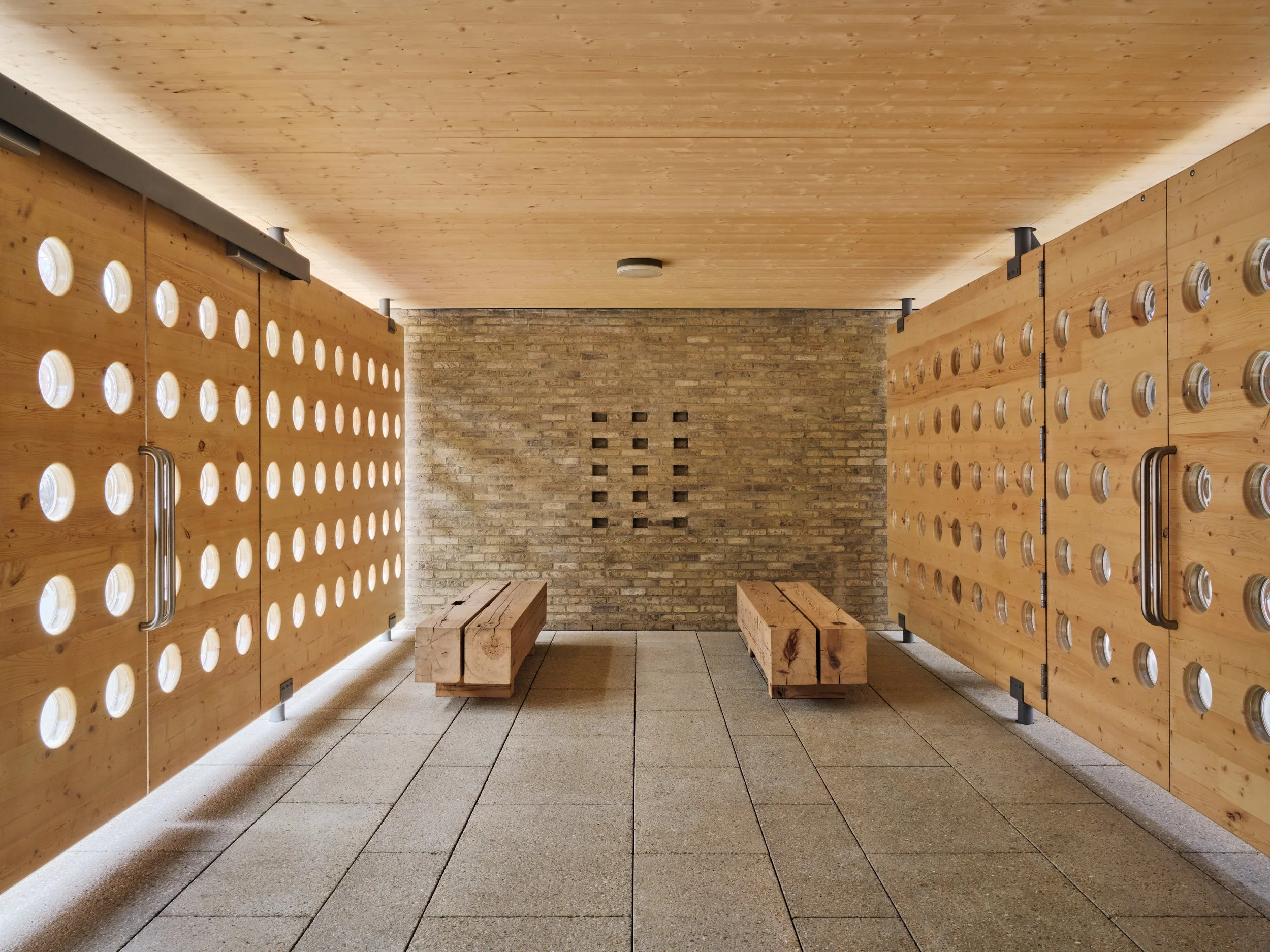
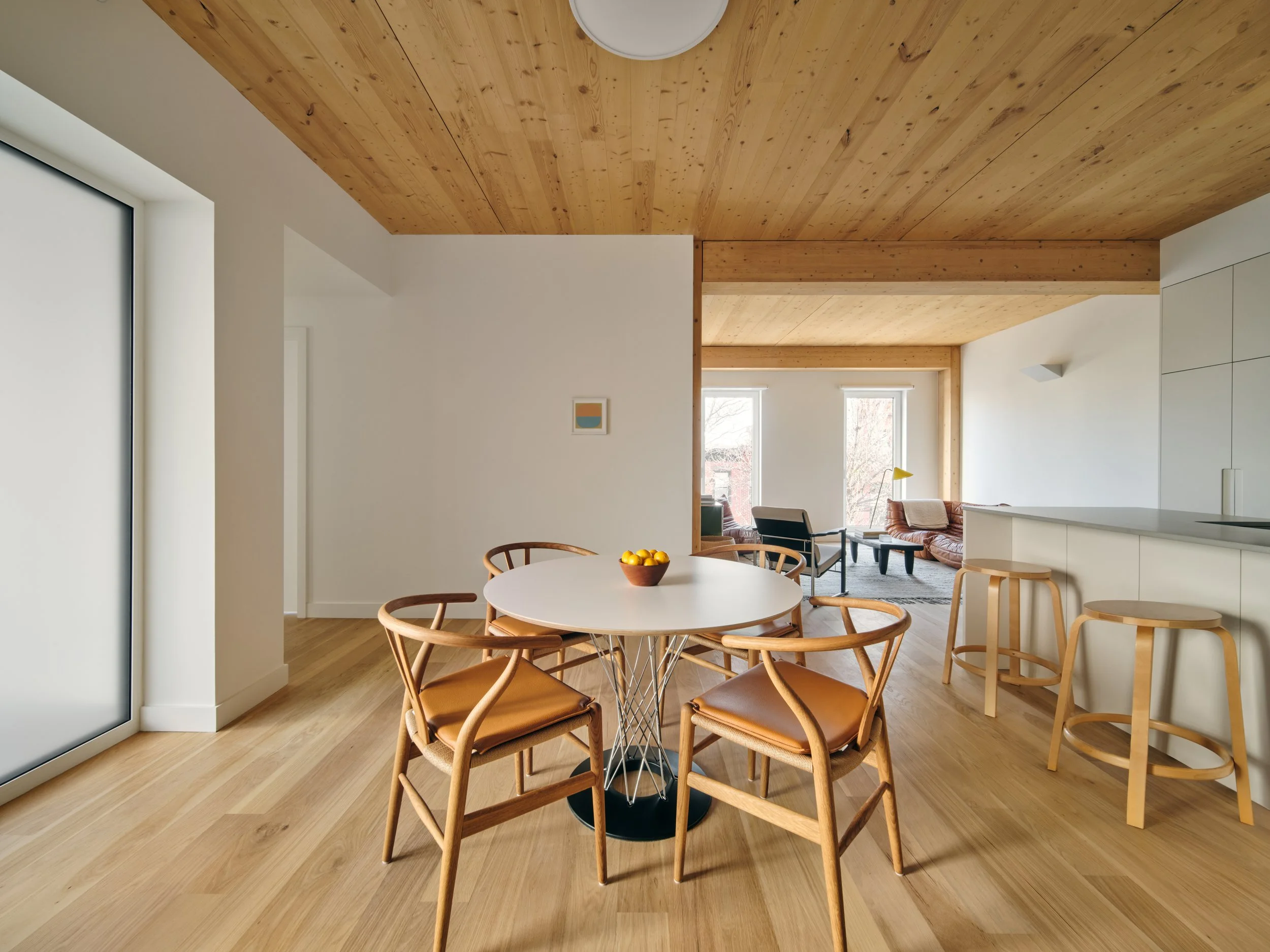
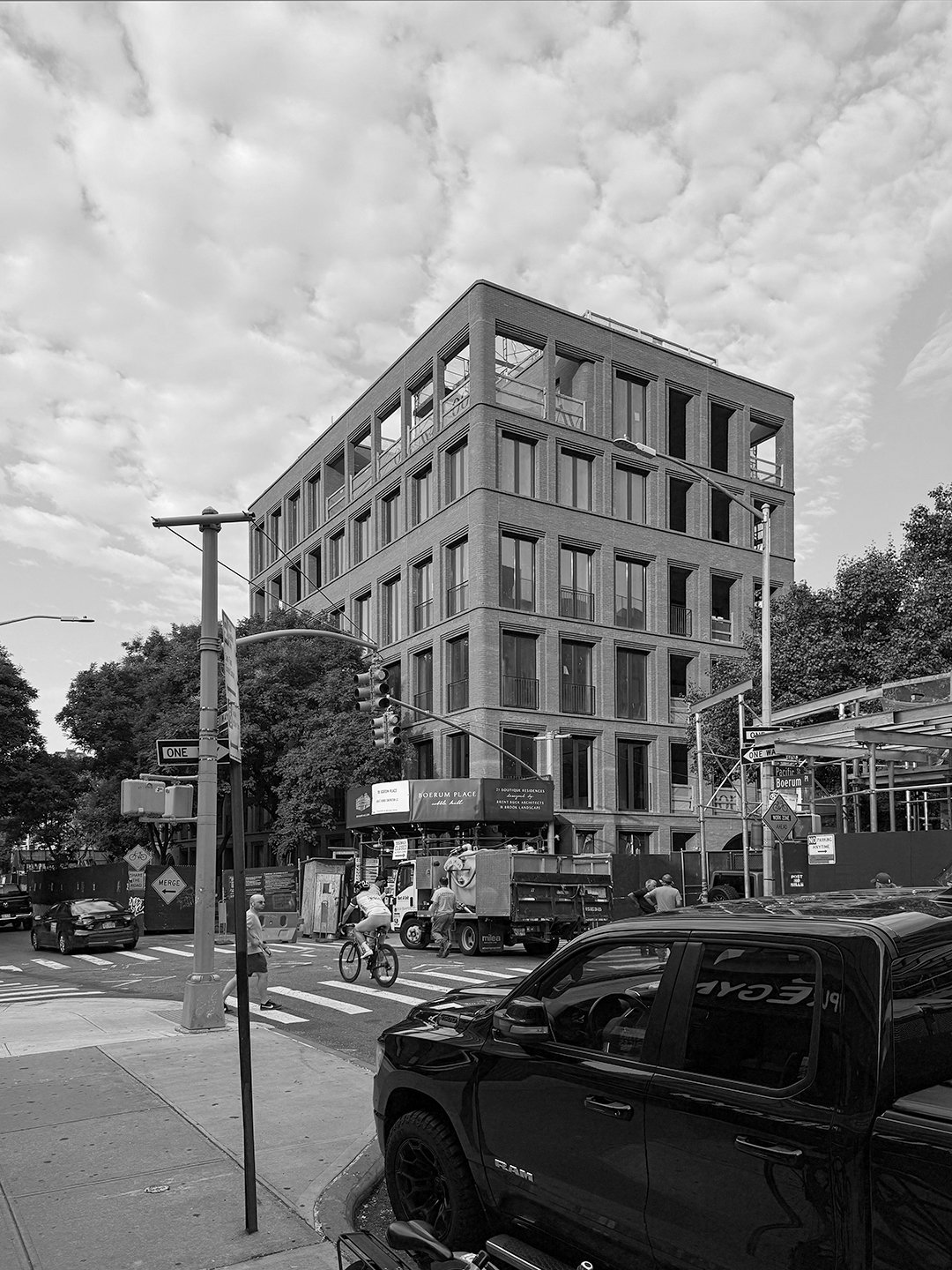
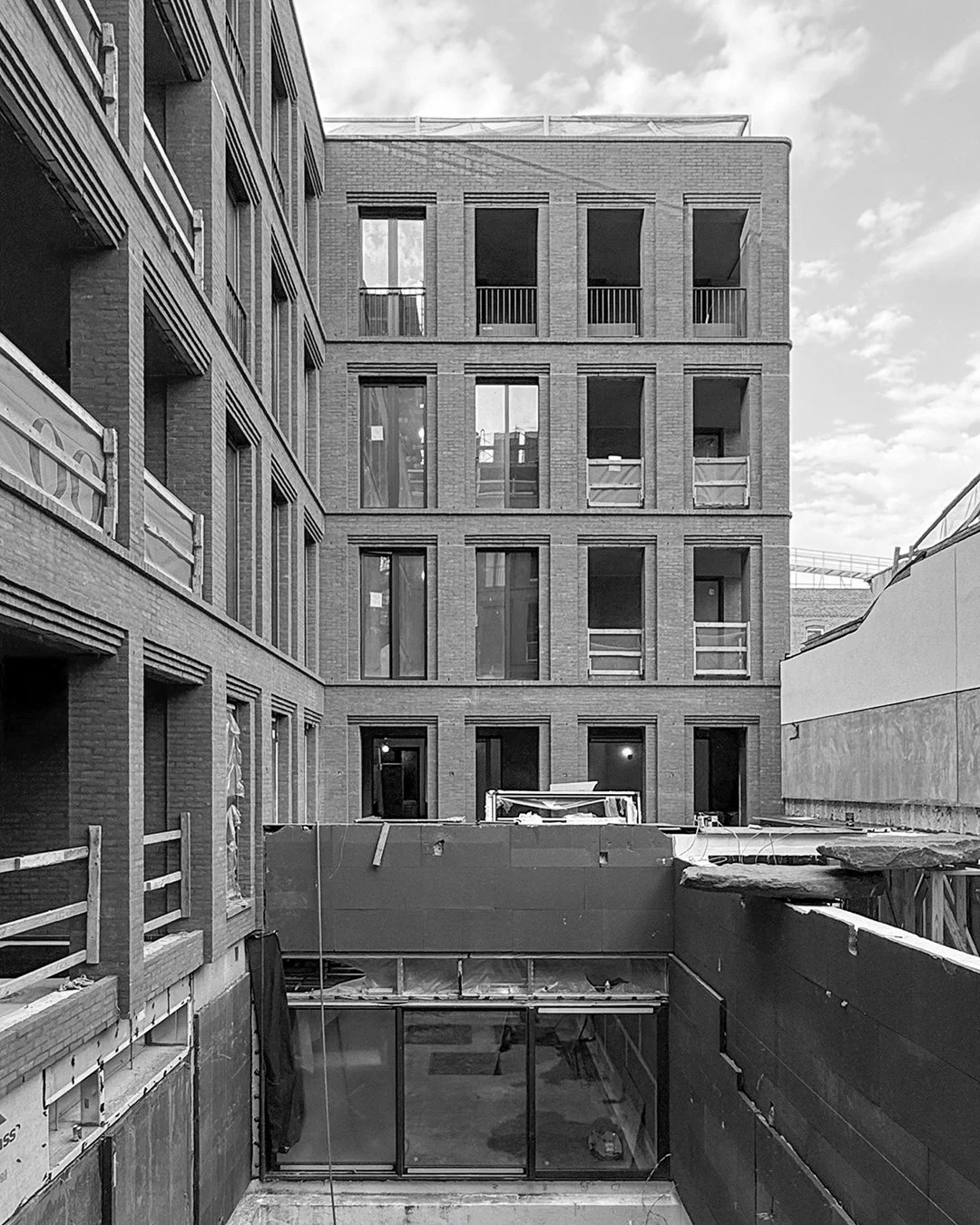
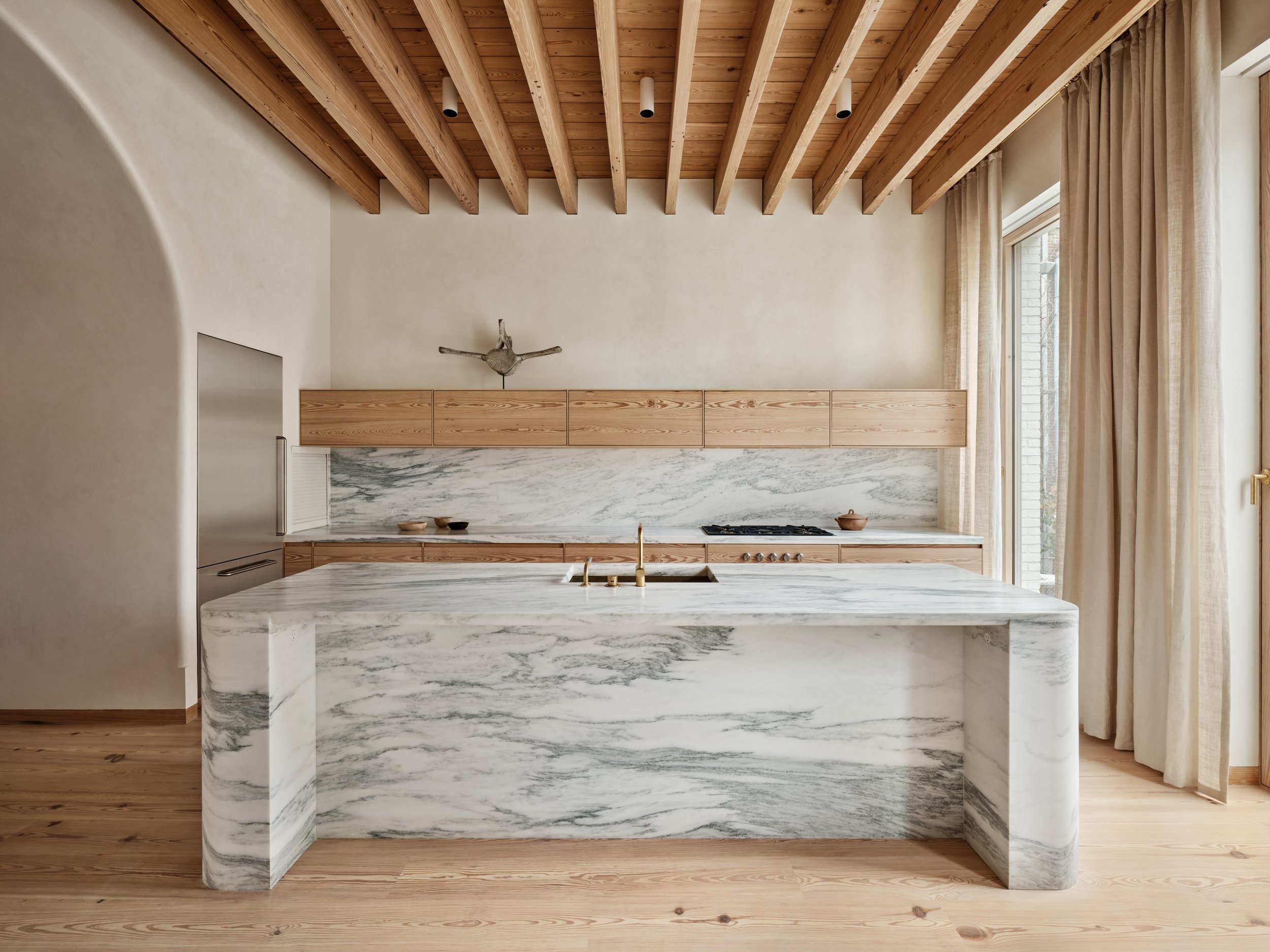
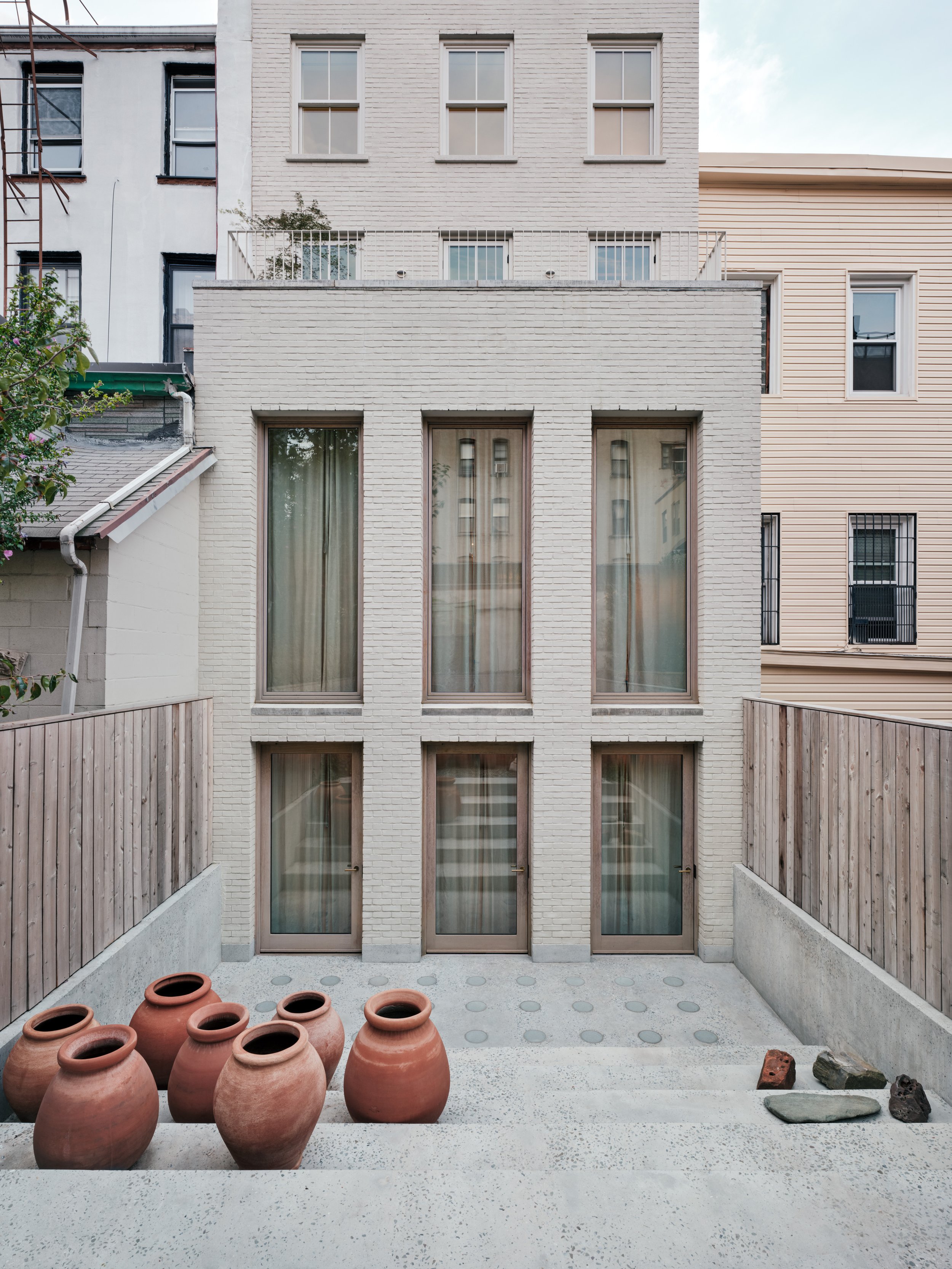
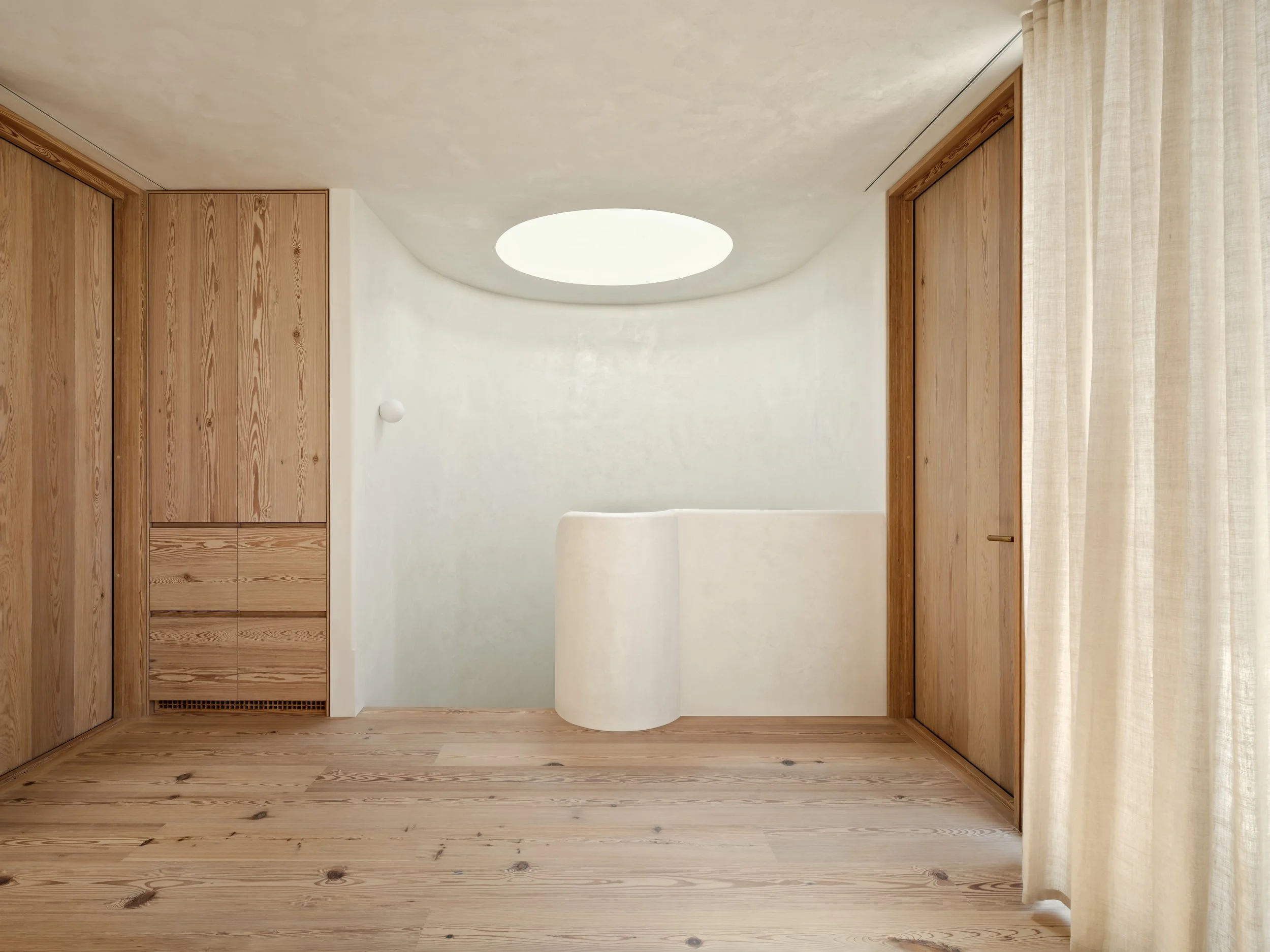
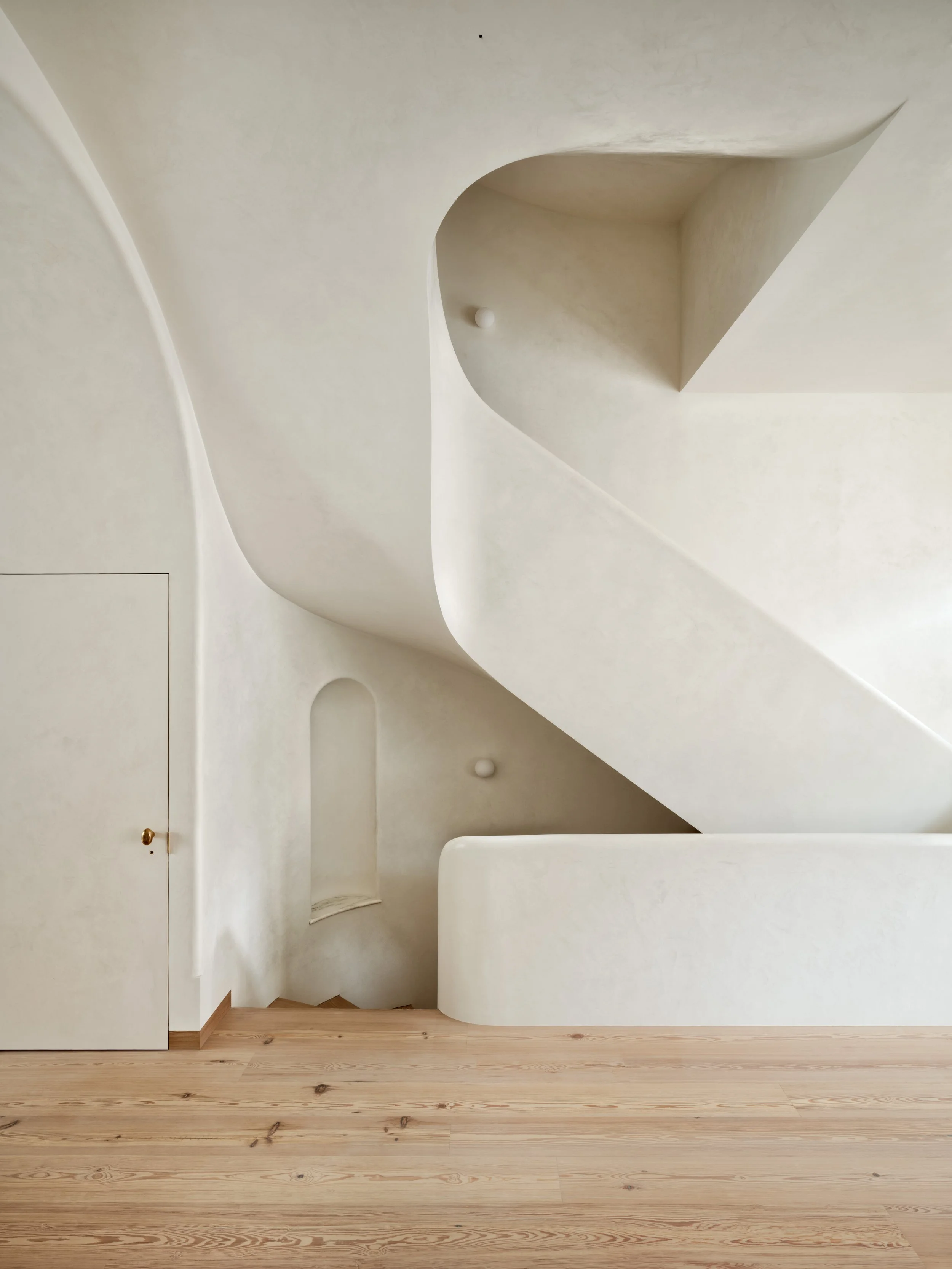
(59:51) His Clinton Hill project.
(01:08:11) Favorite building & experiences.