#522 - HARPER HALPRIN, Principal & Co-Founder of AAHA Studio
SUMMARY
This week, David and Marina of FAME Architecture & Design are joined by Harper Halprin, Principal & Co-Founder of AAHA Studio. The three discussed Harper’s background, getting into architecture, taking a gap year, architecture school and education, early career decisions, New York vs Los Angeles architecture practices, starting her own practice, transitioning from solo practice to AAHA Studio, studio operations and project types, design philosophy, educating clients about the role of architects, favorite buildings, and more. Enjoy!









ABOUT HARPER
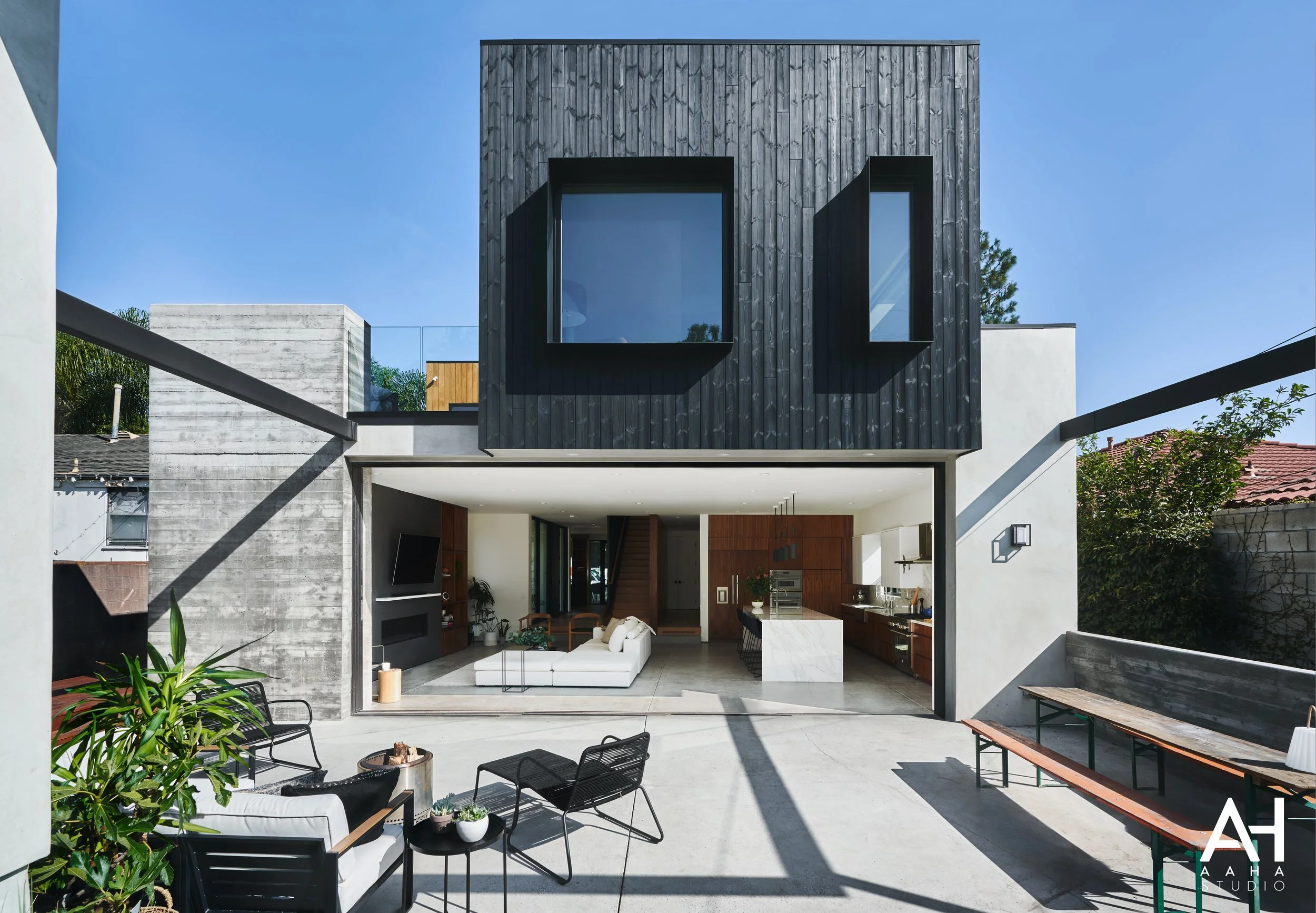
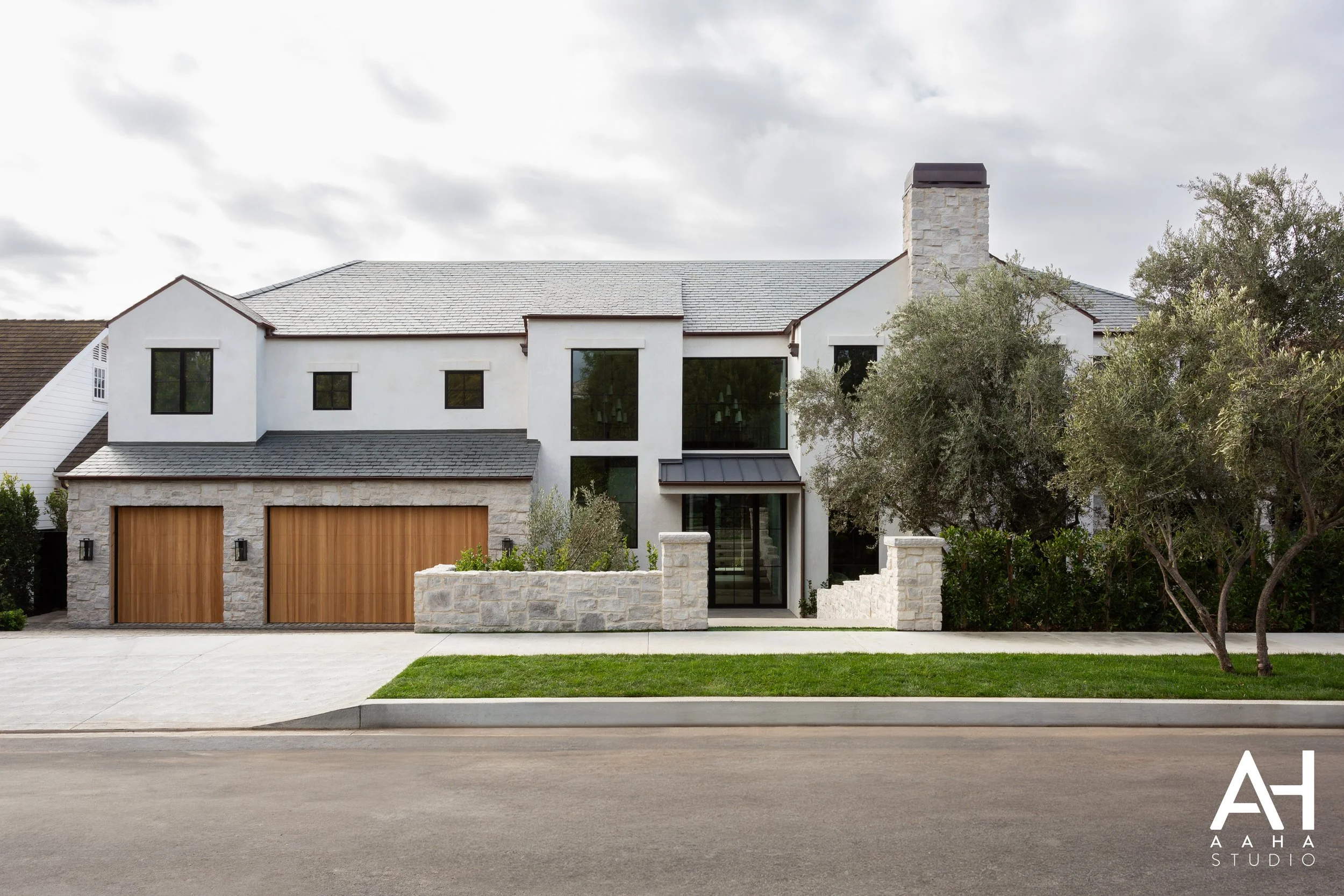
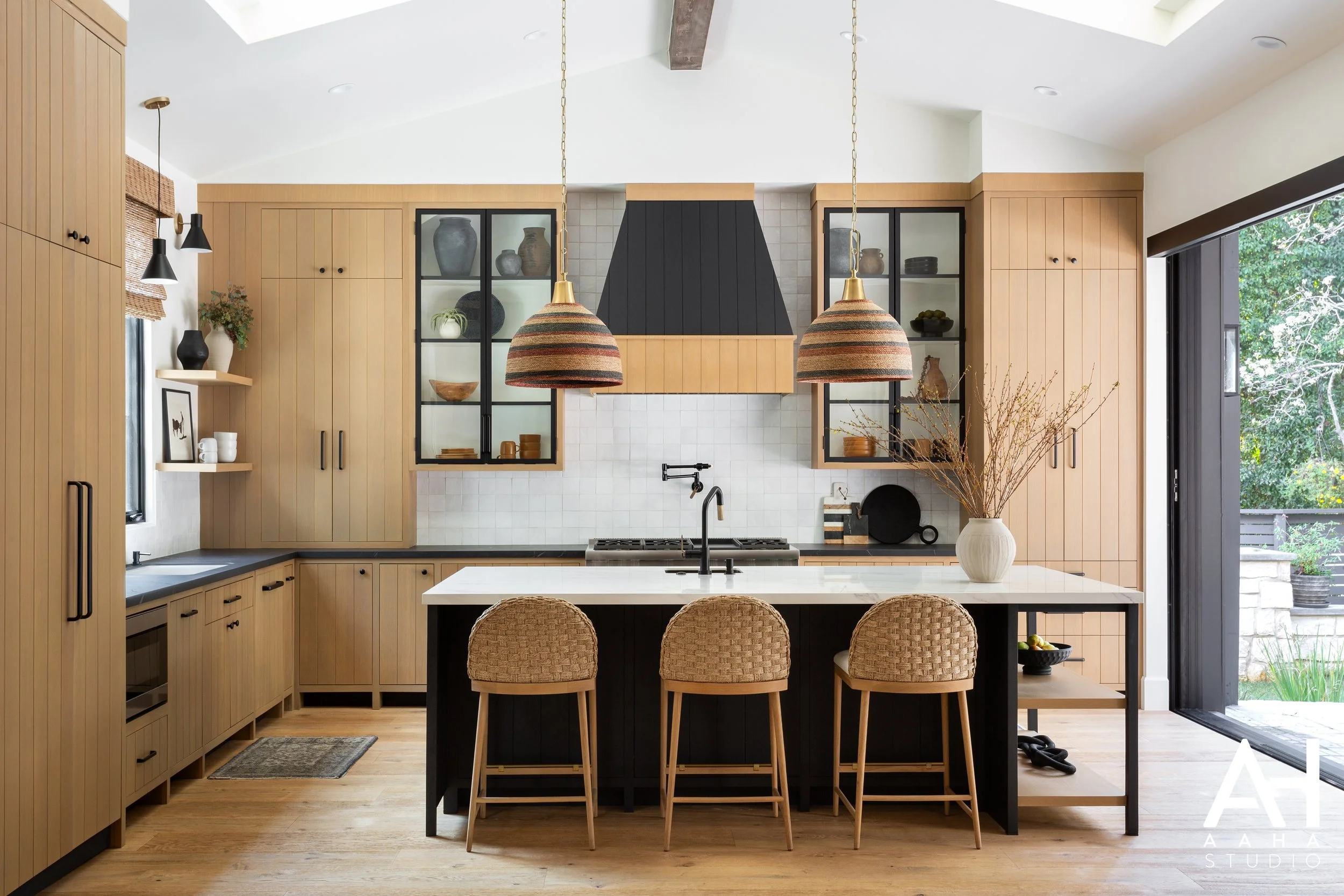
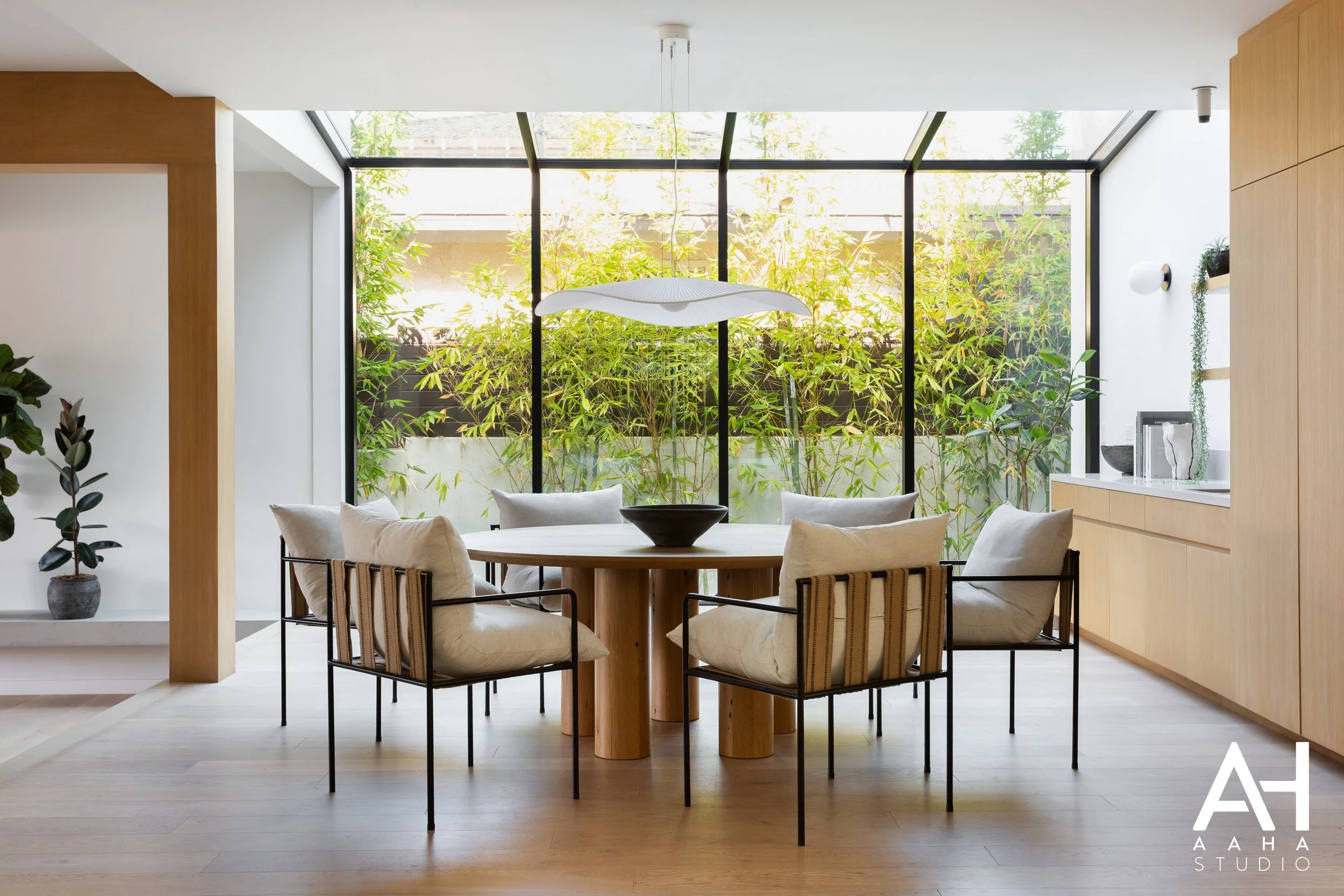
A California licensed architect, Harper has spent nearly two decades immersed in high-end residential, hospitality, and retail work, a foundation that continues to shape her evolving design sensibility today. A graduate of USC's School of Architecture, she trained in New York under Bill Sofield and S. Russell Groves, leading domestic and international retail rollouts for clients including Tom Ford and Tiffany & Co., and developing an exacting eye for how a brand's identity translates into physical space.
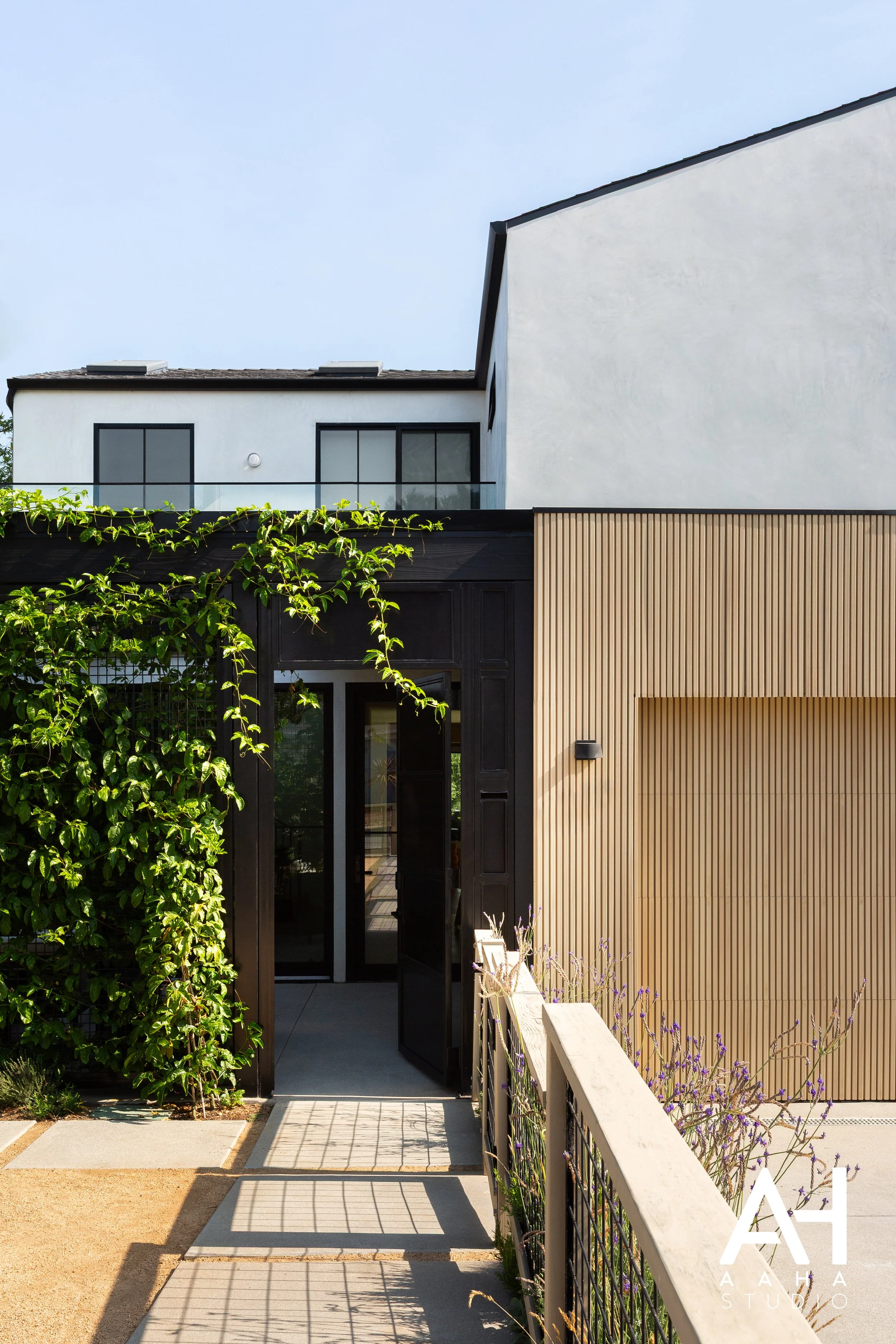
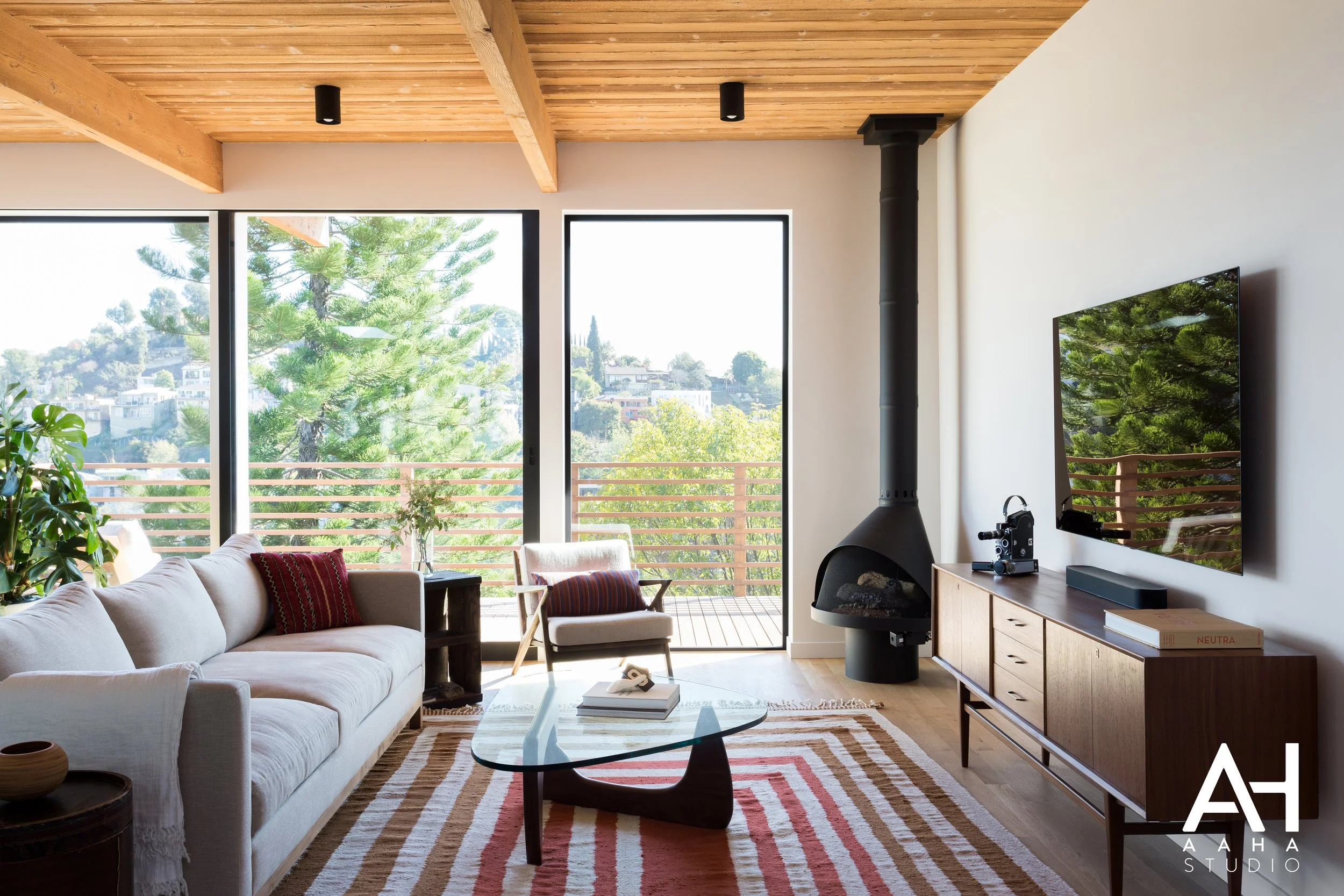
Harper founded her own practice, HHD LA, in 2016, before partnering with her husband, Aaron Leshtz, to co-found AAHA Studio in 2018 — a full-service architecture and interior design studio based in Los Angeles. The studio takes on residential, commercial, hospitality, and retail projects across Southern California and beyond, with a concierge-style approach that keeps clients closely involved from first conversation to final walkthrough. Harper leads the studio's client relationships and business strategy while remaining hands-on in design herself. She also serves as President of the LA Department of Building and Safety's Disabled Access Appeals Commission, is an advocate for housing density and the missing middle, and has been active in grassroots efforts to rebuild homes lost in the 2025 Eaton and Palisades fires.
Harper has spoken at architecture and design conferences nationally, and has been featured alongside AAHA Studio in Sunset Magazine, Design News Now, Domino, Design Milk, and the LA Times, among others. Outside the studio, her time revolves around her four kids, a love of design, food, and travel, and a well-documented weakness for vintage shopping.
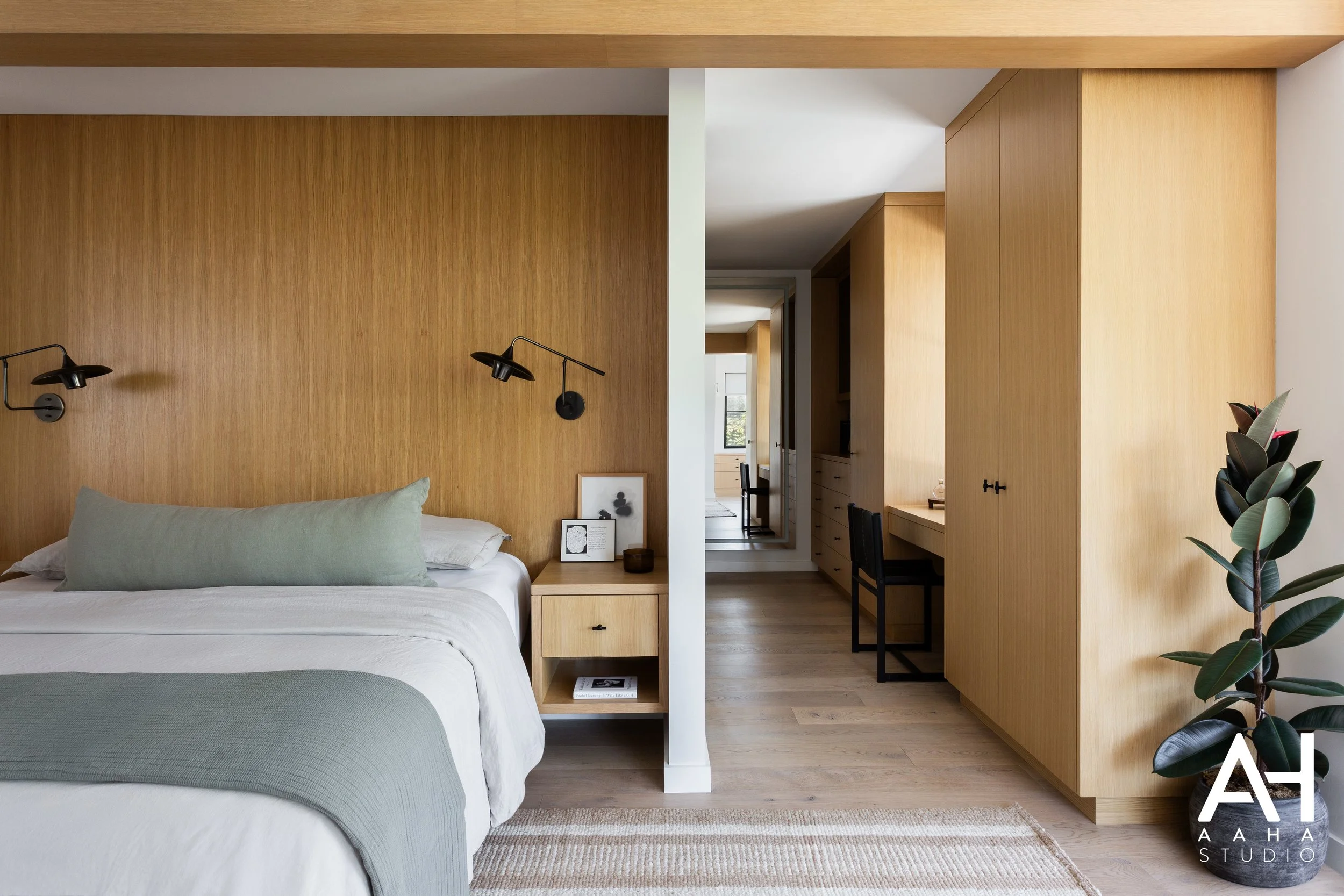
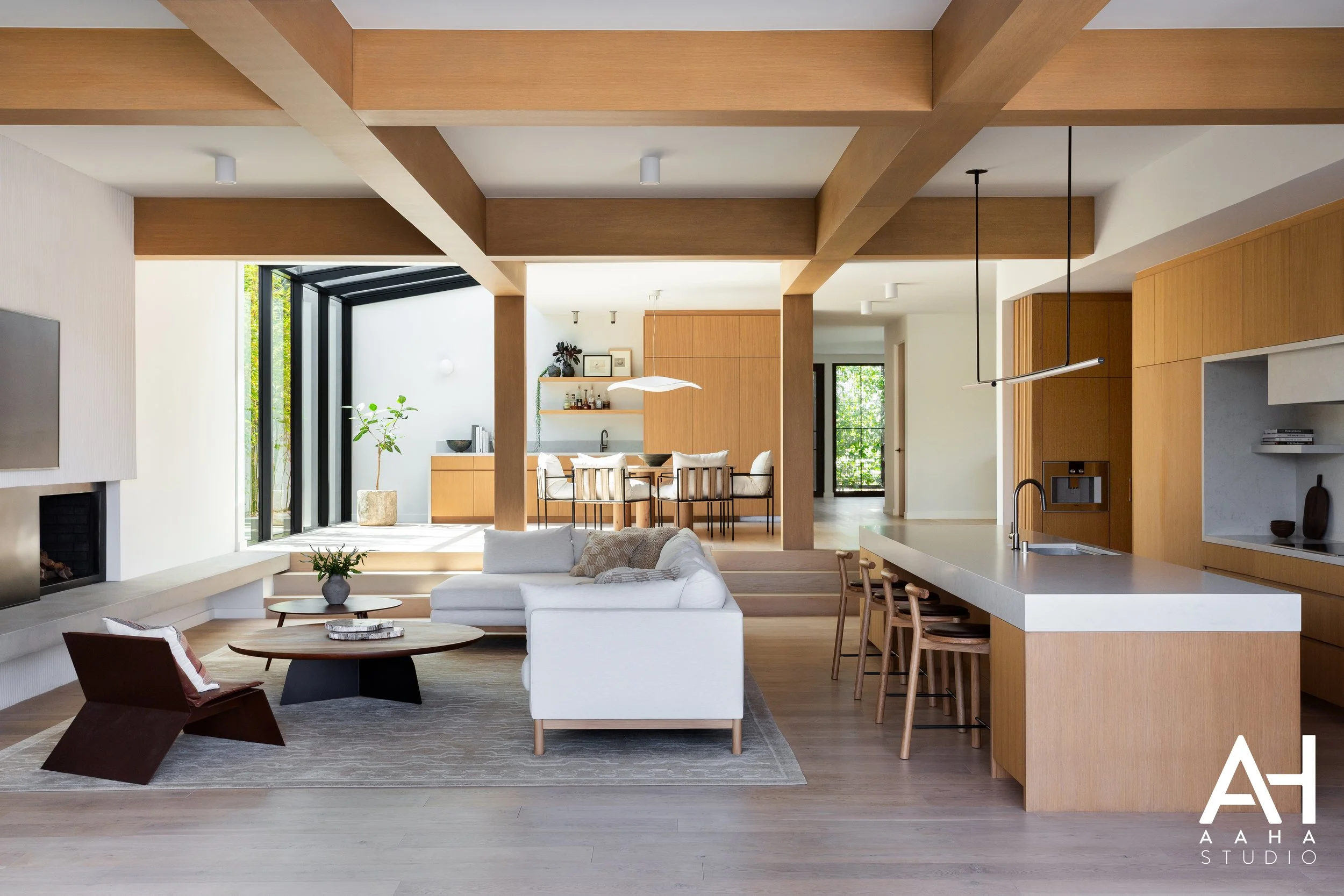
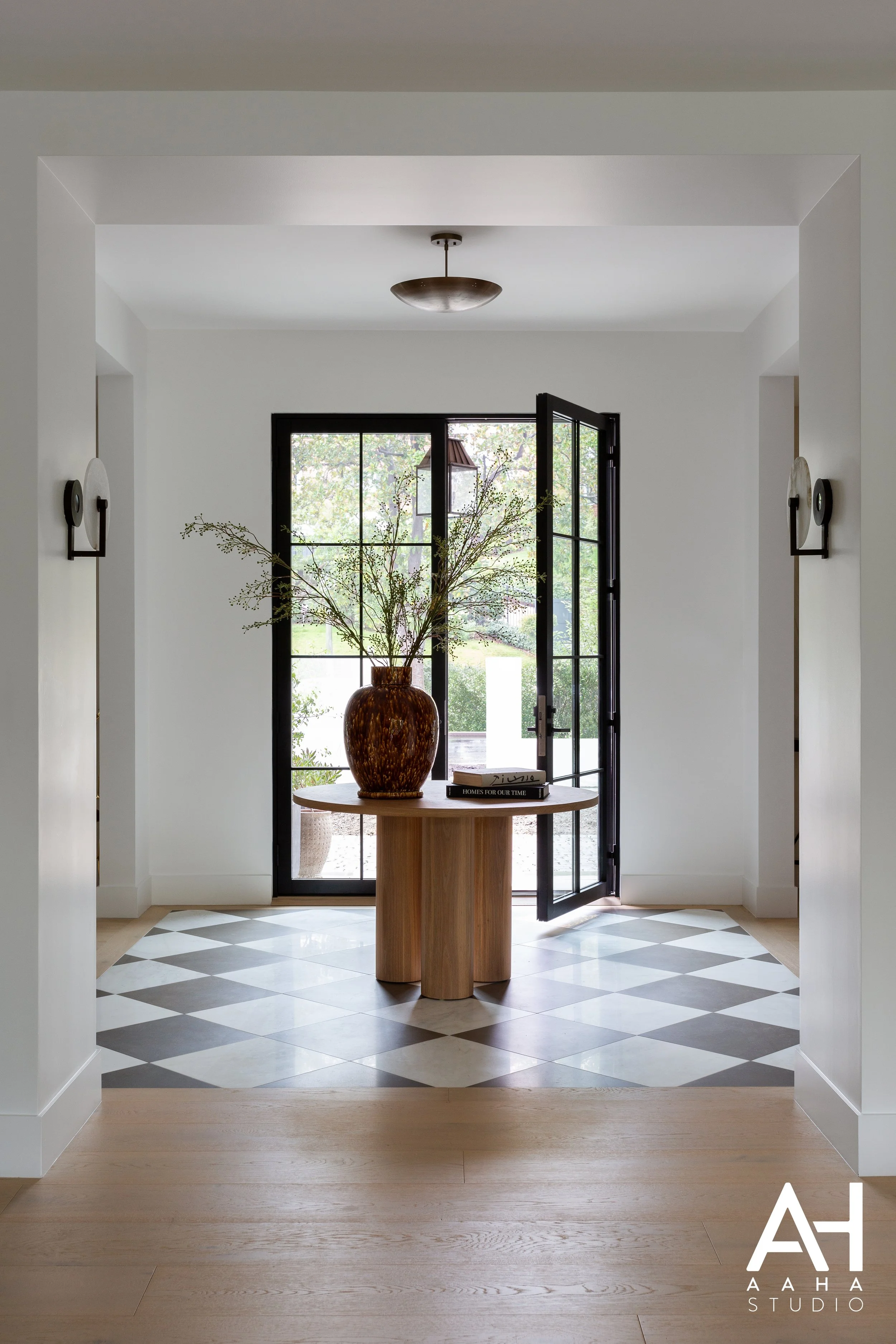
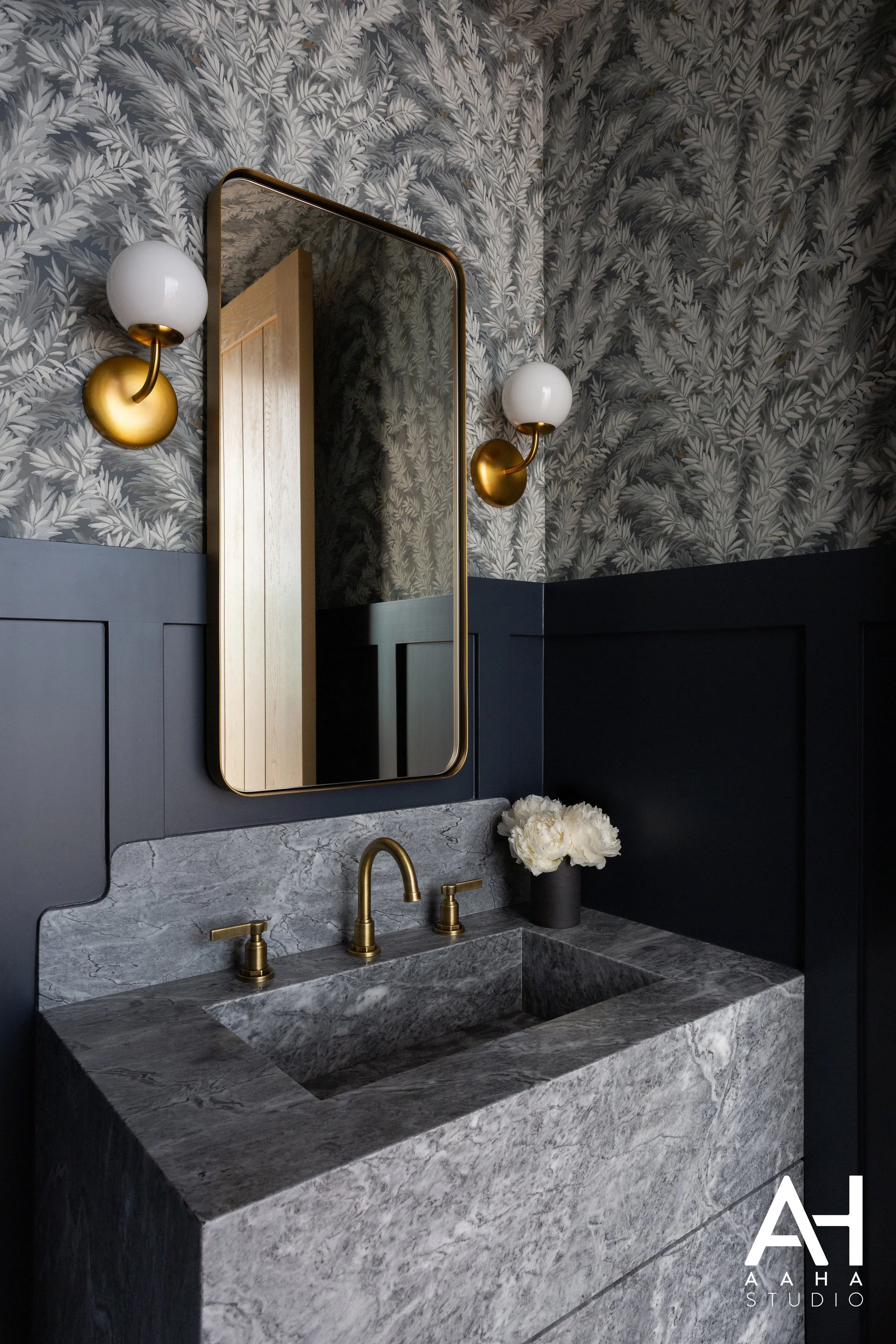
TIMESTAMPS
(00:00) Harper's Background.
(06:37) Getting into architecture.
(14:06) Gap year & Architecture school.
“Architecture school is intense, to say the least, and it's purposely so, right? I don't say that in a mocking tone. I think it's really good that it's intense because it makes you change the way you think, adapt, and problem-solve to an incredible degree. But as a result, you lose sight of all the other components of academia that are hugely beneficial, and everything becomes about architecture. When you step back, you realize that architecture is so well informed by other disciplines. If we took a year or more to travel, make art, develop who we are as people, and think about outside influences, it would make architecture school that much more robust.” (15:27)
(18:20) Architecture education.
“I think a lot of people who go into architecture are high-functioning individuals. They're used to being good at what they do and getting high marks. But you can't go into architecture expecting to be good at it automatically, because it's very different from the traditional Western education we've had, where you learn something, memorize it, and regurgitate it. Architecture school is nothing like that. When I started, I thought, "Oh my gosh, this is so outside my comfort zone." I'm not just learning, internalizing, and regurgitating. It's nothing like that. It took me a long time to realize that the process was what I was trying to get to, not the final answer.” (21:10)
(26:33) Early career.
(37:45) New York vs LA architecture practice.
“You forget, as a budding architect, that yes, your education is in the studio, but your real education begins right after school. What you do in those first few years can almost pigeonhole you into what you do later in your career. That's something I always tell people looking to get into architecture. They ask, "What do you suggest I do?" I say, try a lot of things if you don't know what you want to do when you get out of school. If you stick with one thing, you'll get stuck doing it. As you become more ingrained in your career, it's harder to pivot.” (39:16)
(45:52) Starting her own practice, HHD LA.
(51:56) Transitioning from solo practice to full AAHA Studio.
(58:13) Studio operations & project types.
(01:08:30) Design philosophy.
“In our design process, we're incredibly client-driven. We want to understand who our client is, what their goals and desires are, and what they're trying to achieve. It's less about listening to the client's brief of "I have to have this" or "I have to have that" and more about asking, "Well, why?" We're a very inquisitive studio, and we like to question things. More is not better. Flashier is not better, especially with the budgets we're dealing with and the world of construction we're living in right now. It's bananas. Our manifesto is to trust the process. Whatever comes out on the other end, our goal is not to have preconceived notions about it, and we tell our clients the same thing. You have to surrender to the architectural process. It will go so much more smoothly as a result.” (01:09:53)
(01:15:46) Educating clients about the role of architects.
“Going to McDonald's for fast food versus having a fine dining experience, one isn't right or wrong. They're offering very different services, and we've been educated as consumers to understand that difference. But if you ask a very well-educated person who's going to build a home what an architect does versus what a draftsman does, they have no idea. They don't understand the difference. Then they're working with a draftsman expecting a custom home, and they're like, "Oh God, no, this doesn't work.” (01:18:14)
(01:20:52) Favorite building.