SUMMARY
This week, David and Marina of FAME Architecture & Design are joined by Michael P. Murphy is an architect, educator, and writer, and is the founder and president of AMMA Projects. The three discussed what is urban renewal, architecture & politics, Michael’s journey to become an architect, architecture education, social impact of architecture, business of architecture, GSD non-profit, founding of AMMA, building a successful team, and more. Enjoy!








ABOUT MICHAEL
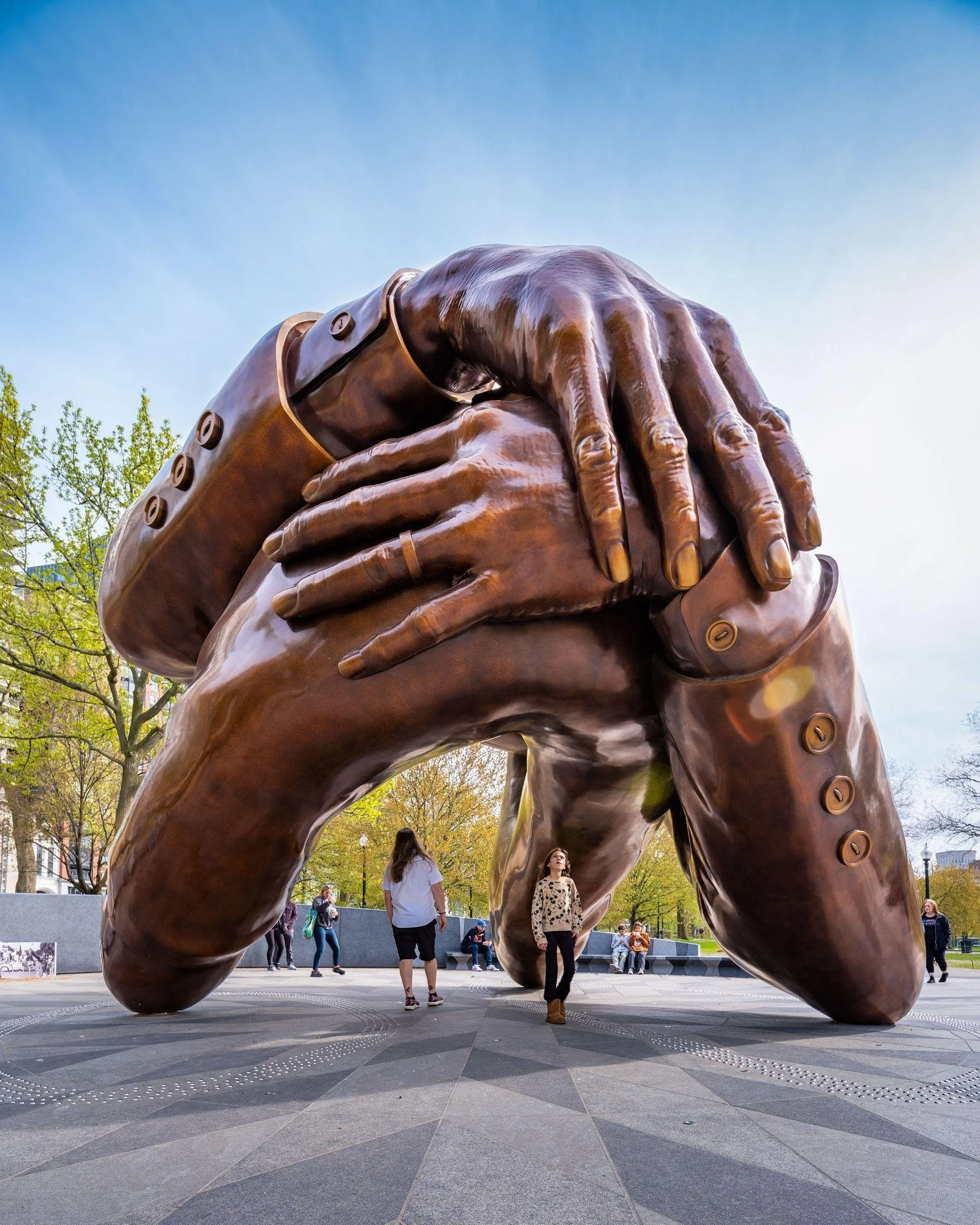
About the Author: Michael P. Murphy is an architect, educator, and writer, and is the founder and president of AMMA, a design and development collaborative focused on the ways in which space shapes our minds, bodies, and communities. In 2007, he founded the architectural non-profit firm, MASS Design Group, and was CEO until 2022, leading the design of their projects including the Butaro Hospital and The National Memorial for Peace and Justice to name a few. He is currently the Thomas Ventulett Chair of Architecture at The Georgia Institute of Technology. Originally from Poughkeepsie, New York, he lives in Los Angeles with his wife and children.
About the Book: We've been led to believe that purposefully designed spaces are something reserved only for those that can afford them. But in reality, all the spaces we inhabit—to work, to learn, to heal, and to live—have been planned and built to influence our lives. They sway our emotions, nudge our behaviors, protect us from disease, and do more, or less, to support shared prosperity and our sense of the common good.
Our World in Ten Buildings unpacks this hidden but ever more important element of our lived experience. As author and architectural designer Michael Murphy takes us through ten milestone projects in his career he lays bare the physical, political, and intellectual labor at work shaping the world we live in.
With rare insight, access, and passion, Murphy braids the history of architecture with his own iconic projects to show the power of urban design and how it revolutionizes our homes, minds, workplaces, safety, and health care. Profound, and accessible, Our World in Ten Buildings will change the way you look at and think about your surroundings.
TIMESTAMPS
(01:09) What is urban renewal?
(15:46) Architecture & Politics.
“Future generations are going to have a harder time erasing the world around us. Everything from his image on buildings to the handles hanging from federal buildings, using architecture as a means of creating imagery and producing a kind of legacy project, is also a frightening part of what we do. Our field can be weaponized for outcomes that we may not have intended to be part of. The work we do can have a negative effect on the places around us and on generations to come, even when that wasn't our intention. We have to be quite clear-eyed about our complicity and the responsibility and care we bring to our work.” (17:36)
(18:40) Michael's journey to become an architect.
(26:40) Architecture education.
(35:00) Architecture & social impact.
(41:57) Architecture education time periods.
“How does one become that architect? I still admire the work of the architects we studied, but I come from a working-class background. I had student loan debt, and I didn't have a family member building a house that I could use as my first project. A lot of those architects had family houses as their first projects. That doesn't mean they weren't great practitioners, but we have to be honest about the privilege and financial backing that allow someone to practice that way. Otherwise, we're holding up an idealized form of architectural production without acknowledging the economic and political foundations that make it possible.” (45:17)
(48:19) Business of architecture.
(55:33) GSD Non-Profit.
“The nonprofit, much like the for-profit, has its own limitations. You can't raise investment, and eventually you're just another architecture firm trying to win commissions. What if we could raise capital, acquire land, and become an asset partner in developing these initiatives? By investing in housing and other revenue-generating assets, rather than relying solely on grants, we could rethink the financial model of architectural practice. I wanted to move toward ownership, link that to the design side, and have much more control over what we do.” (01:01:21)
(01:02:52) Founding of AMMA.
“That is the critical failure of our profession. If we don't have skin in the game, if our risk isn't tied to reward and we're just collecting our commission, our pittance of a fee, we're never going to have the agency necessary to make radically transformative change. Shifting from a vendor-based, patronage model to an ownership or collaborative partnership model is, I think, the way forward. It's how we can outpace what's happening with AI, respond to the diminishing value of our profession, and open up opportunities for more architects to have a transformative effect on places all over the country and around the world.” (01:09:33)
(01:11:52) Building a successful team in AAMA.
(01:17:25) Favorite building.