#500 - SAUL KIM, Director of Saul Kim Studio
SUMMARY
This week, David and Marina of FAME Architecture & Design are joined by Saul Kim, Director of Saul Kim Studio & Adjunct Professor at Hanyang University ERICA. The three discussed Saul’s background and architecture education, finding his own niche in architecture, pursuing a masters degree, anomalies experimental studies, teaching students to find their style, communicating conceptual architecture, simple yet captivating buildings, getting hired based on conceptual projects, translating an abstract concept to a build project, Saul’s latest work, and more. Enjoy!







ABOUT SAUL
Saul Kim is a designer and researcher working from an architectural foundation.
He began his architectural journey in Singapore, earning a Bachelor of Architecture from SCI-Arc and a Master of Architecture from Harvard University Graduate School of Design.
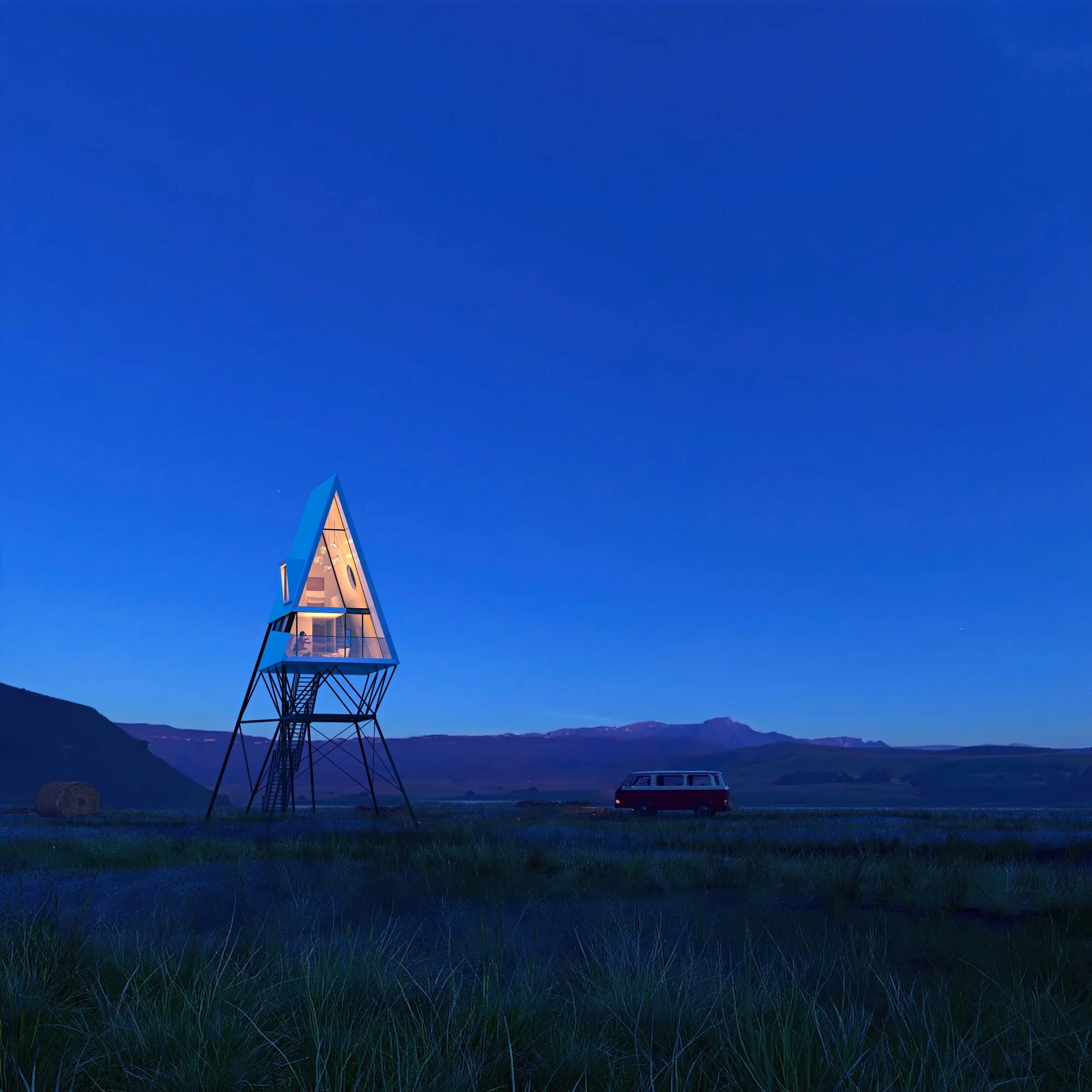
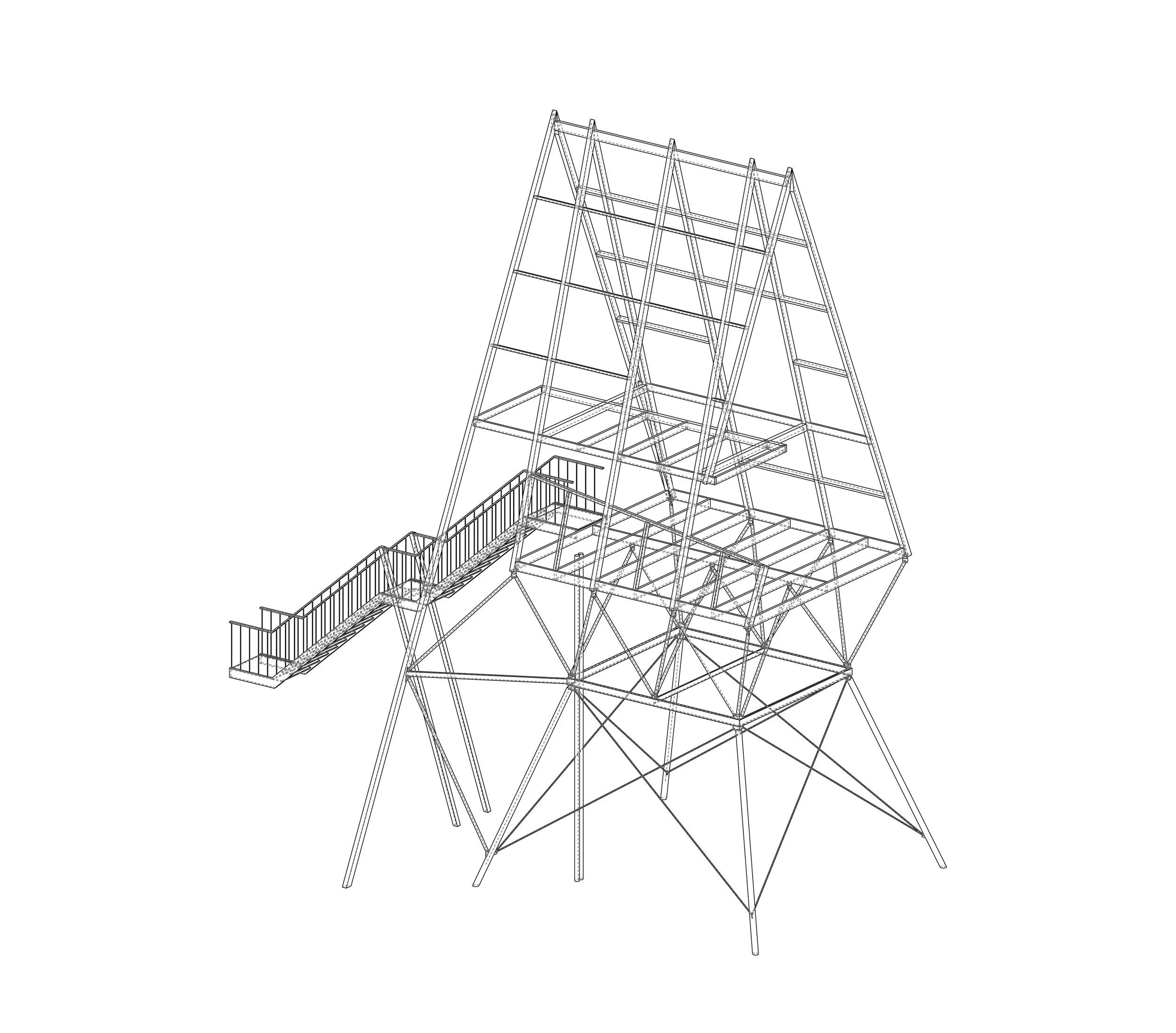
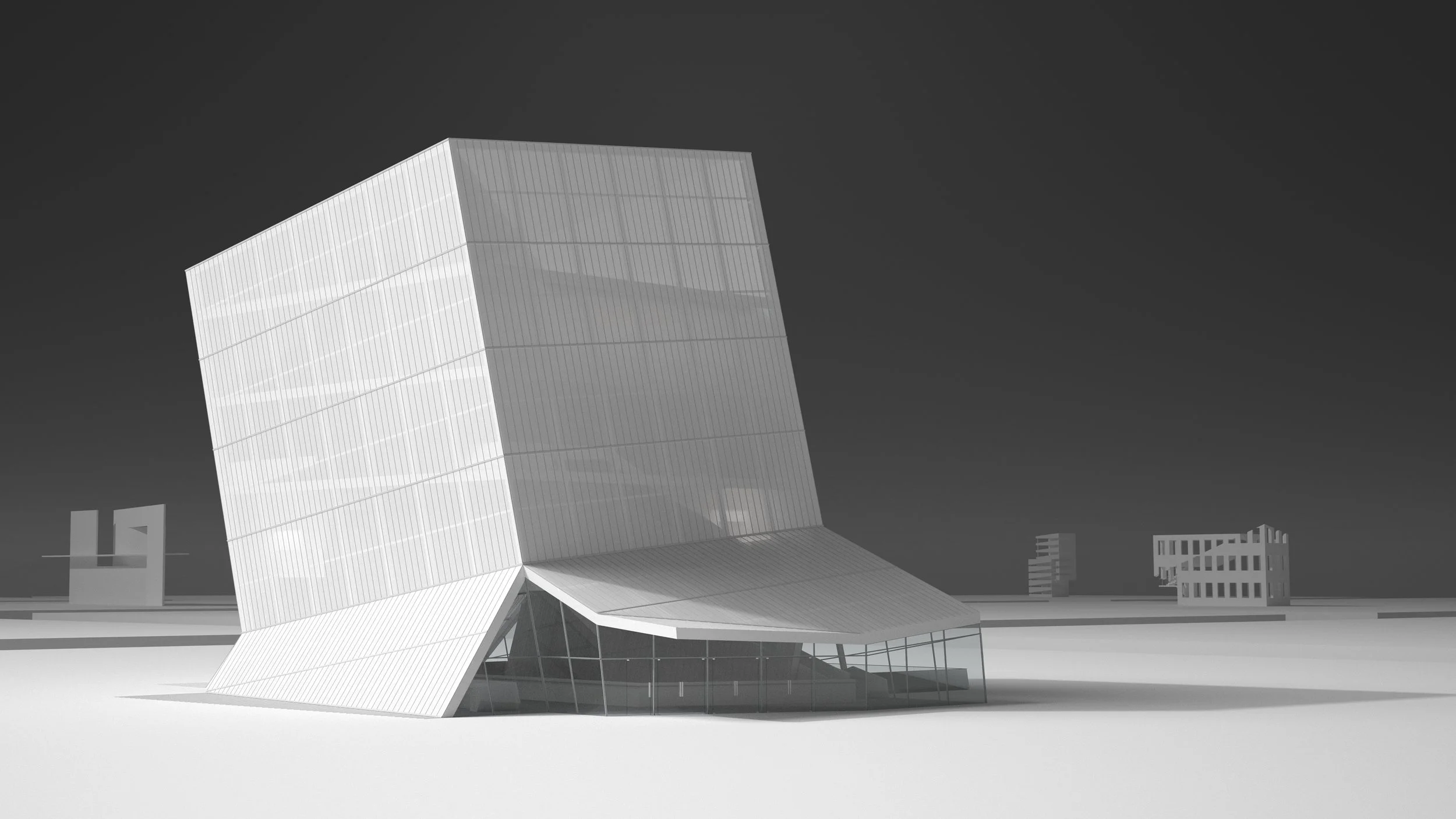
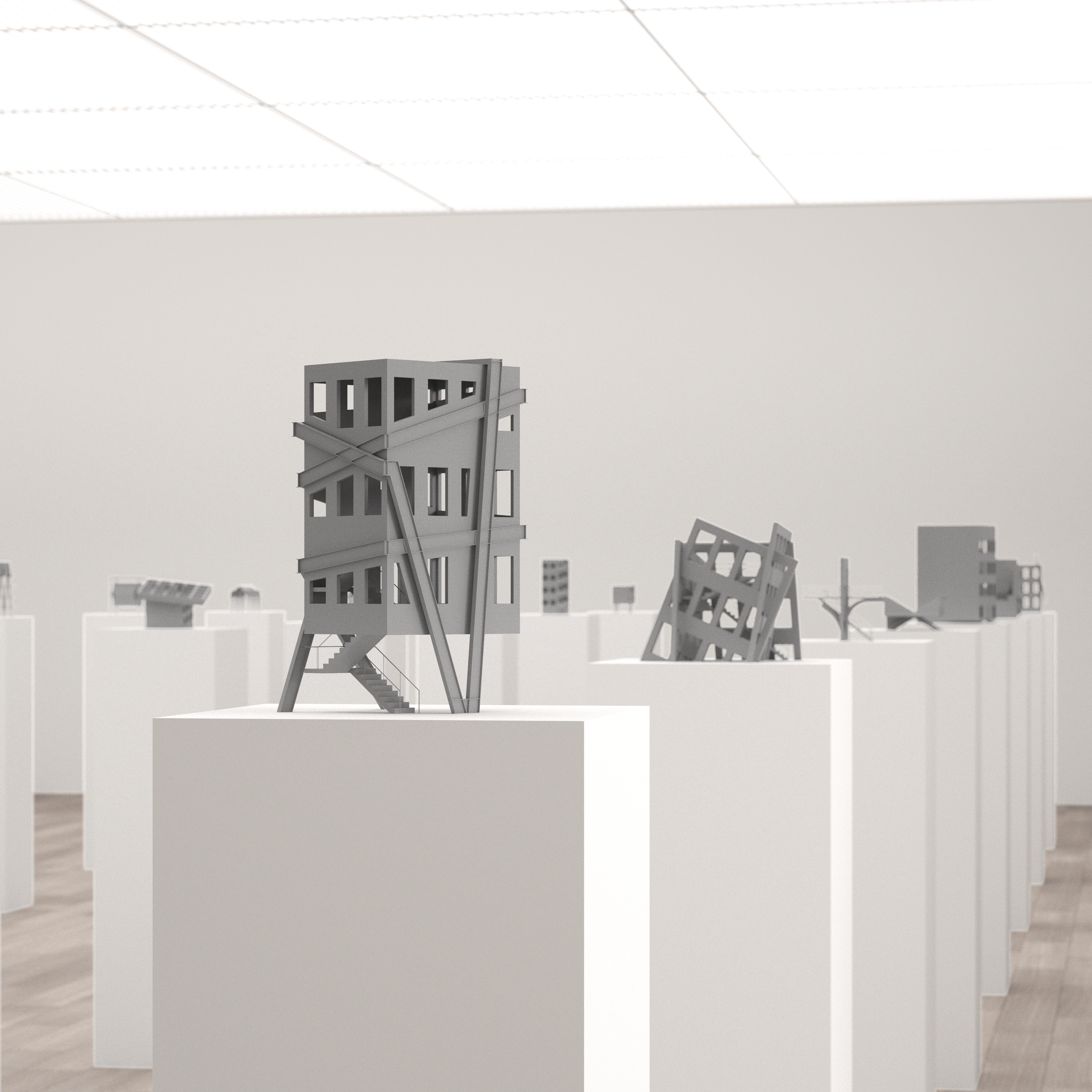
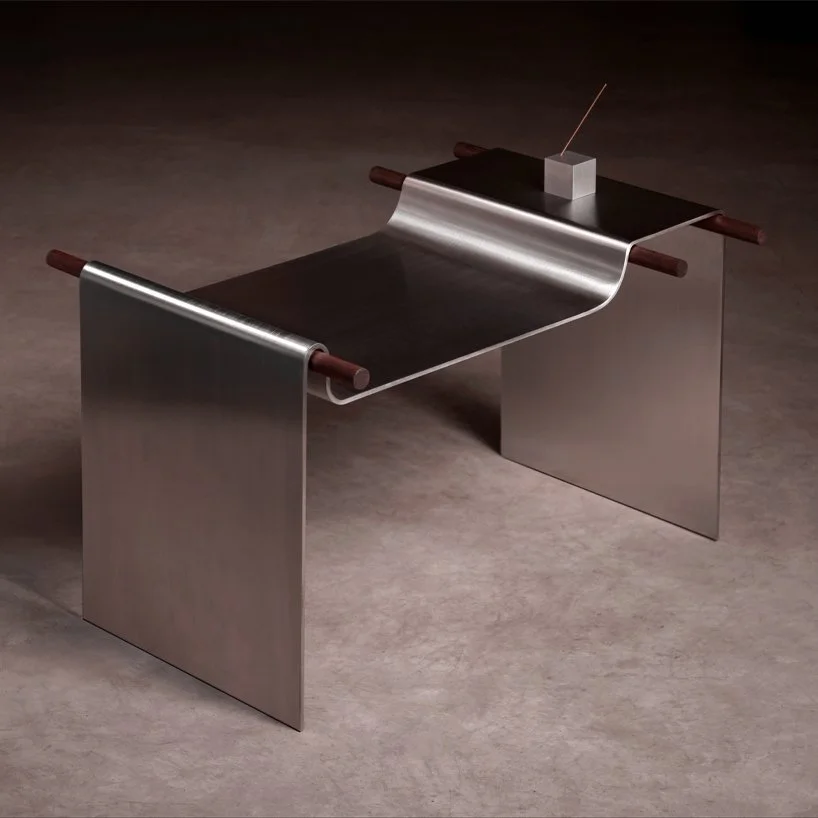
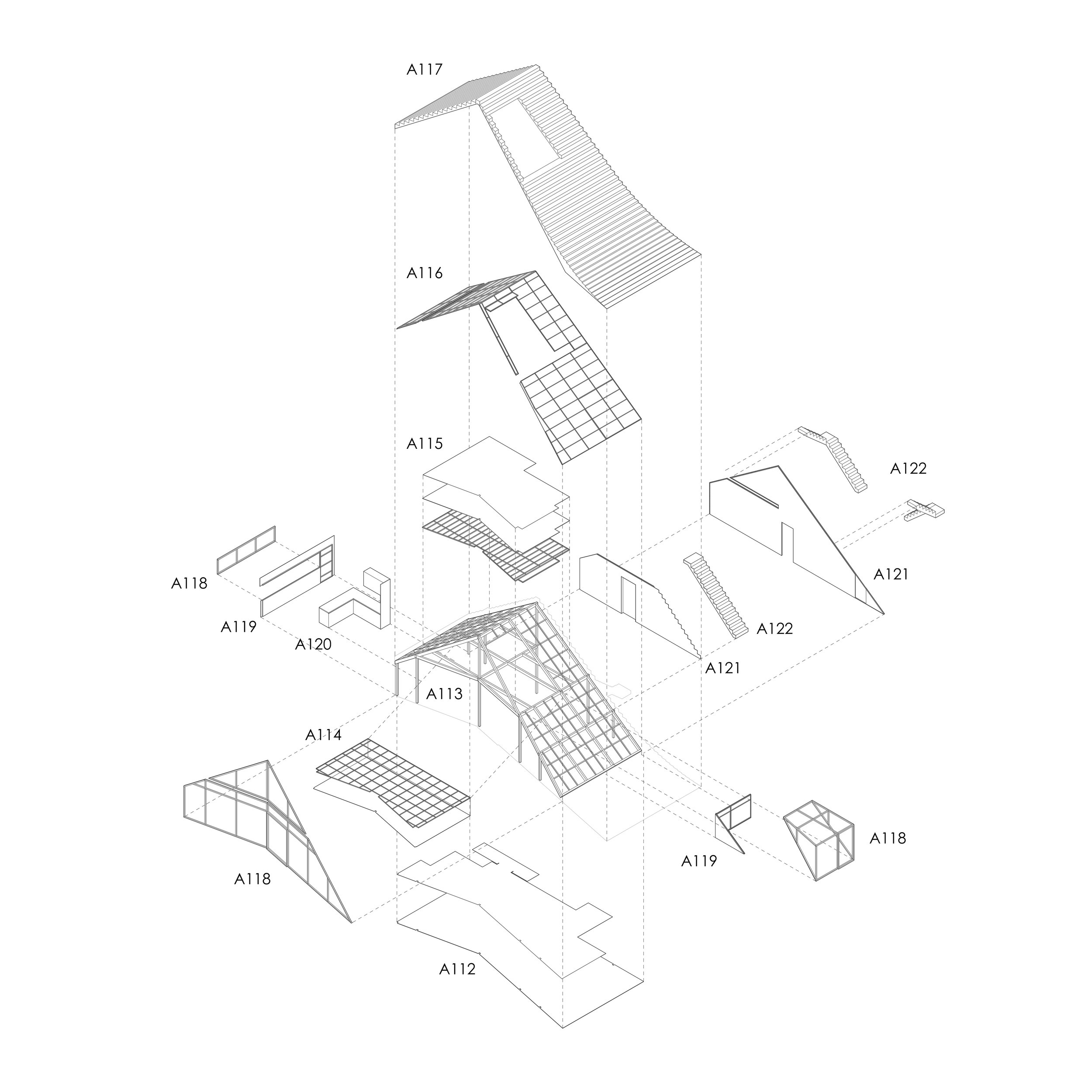
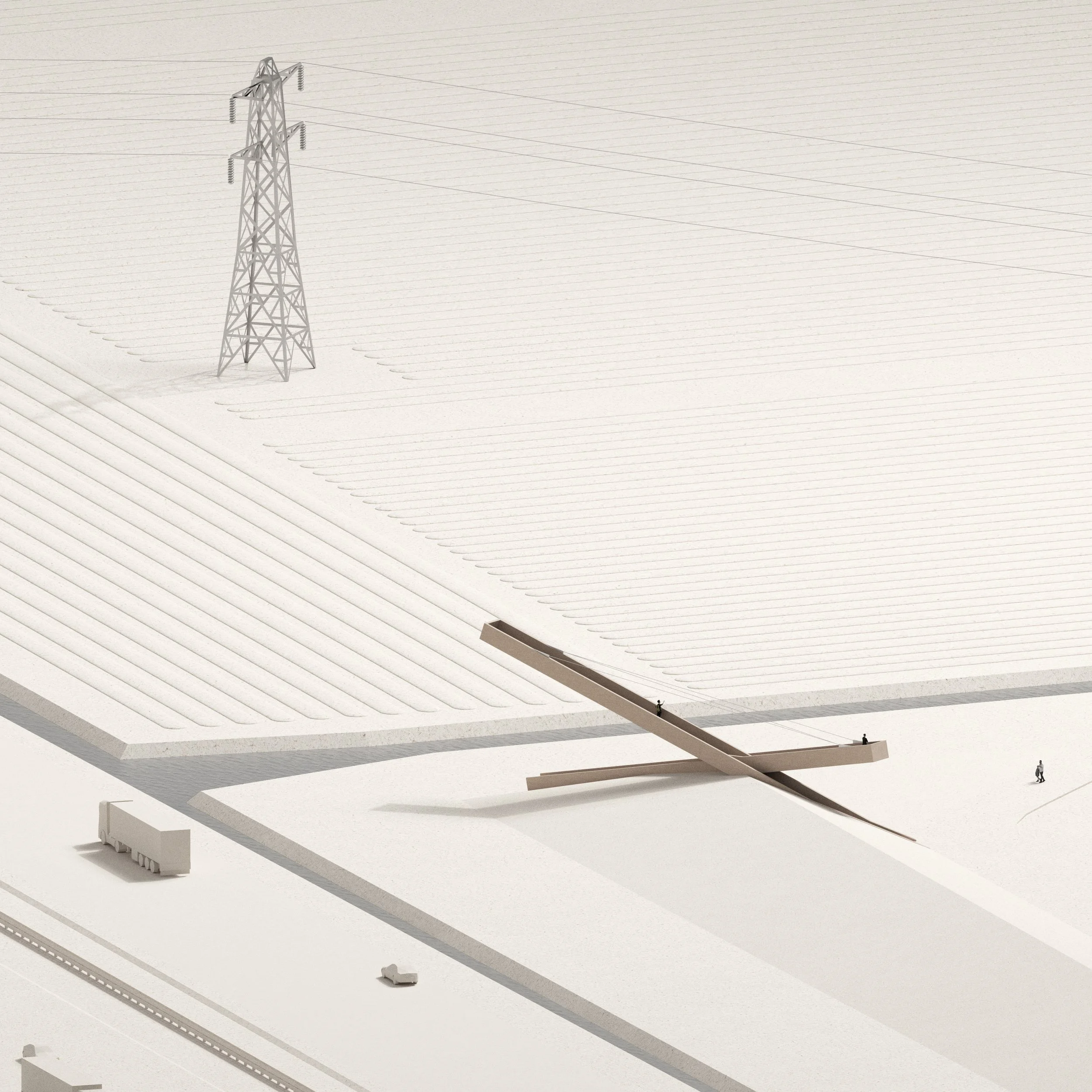
Since 2020, he has developed the Architecture Anomaly research series, in which familiar architectural elements are reconfigured in unconventional ways to question the essence of architecture and its modes of assembly.
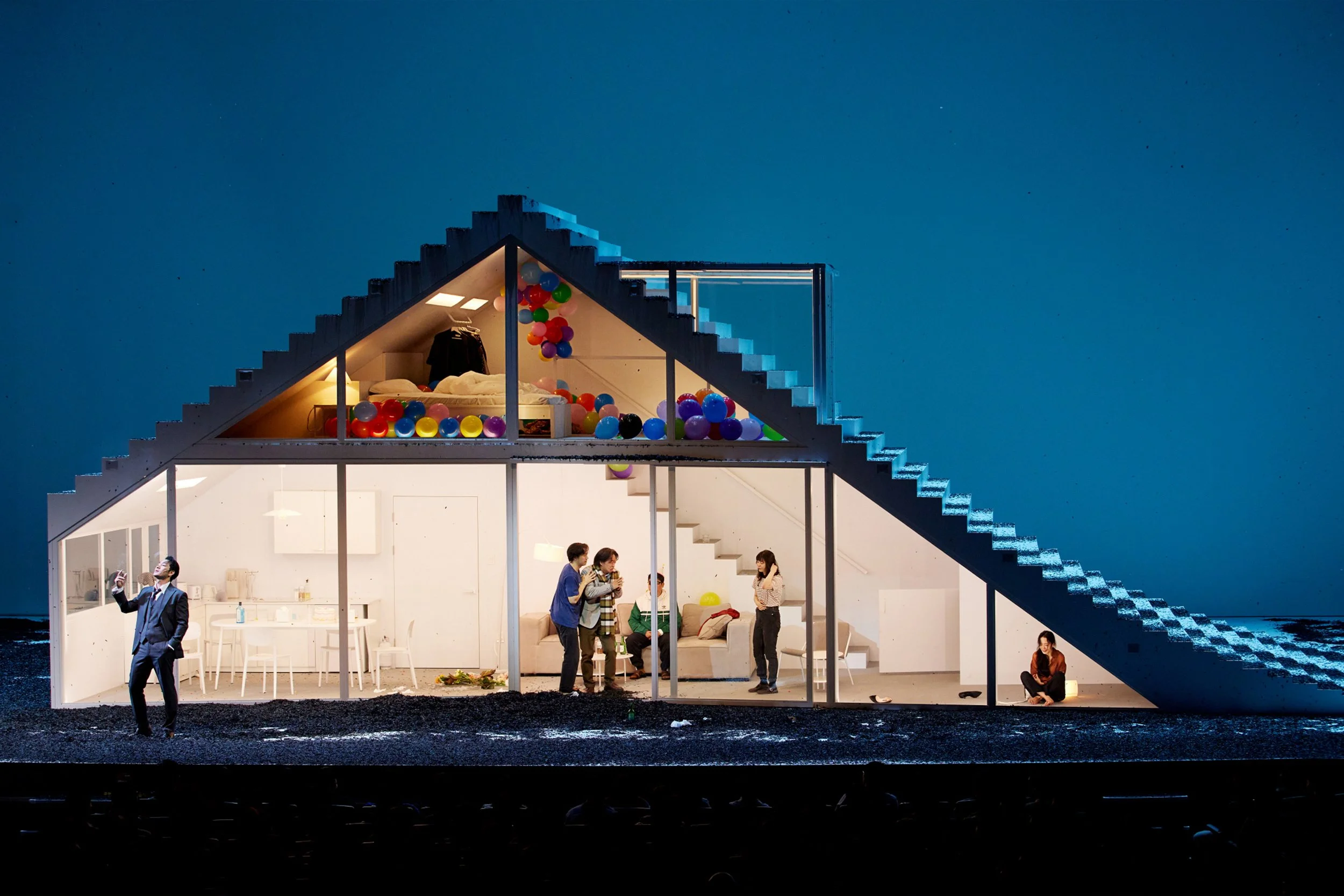
His work extends from architecture into exhibitions, set design, furniture, and products, focusing on how architectural thinking is translated across different scales and media.
His projects have been presented through international publications and exhibitions, and he currently leads Saul Kim Studio, working across Korea, the United States, Indonesia, and Ukraine.
Since 2023, he has been active in education in Korea, serving as an adjunct professor at Hongik University and Kaywon University of Art and Design.
TIMESTAMPS
(00:00) Saul's background.
(05:05) Architecture education.
“I'm still doing OOO architecture right now. It's an object oriented ontology. It came from the concept of Speculative Realism that was written by Graham Harman, a philosopher. There are two ways of seeing things. First is humanism, where everything is human centered. So the way I would comprehend the world, other people, animals, objects, every existence is dependent on my consciousness. But speculative realism argues that everything is independent. Let's say I'm holding this mug right now. I can see it, I can feel the weight, therefore, I understand that this exists. But in speculative realism, they argue that this would exist without my existence. It's not dependent on my senses or my personal biases. So it's basically architecture without humans. We have always evolved to design for people, but they were saying, why not design for objects? Why not design for something that we don't know of?” (15:58)
(22:04) Finding his own niche in architecture.
(28:14) Pursuing a masters degree.
(40:43) Anomalies experimental studies.
“I don't necessarily think of them [experimental forms] as built products. They don't have to be visualized at a specific scale. They're just the thing in itself. I try not to think of it as architecture or as something that has function. It's just a moment. The meaning of having it expressed in such an abstract way, just pure black and white, no material, no context, nothing, it's for myself to visualize this into multiple directions, multiple possibilities. So when I look back at them, I can imagine one object as architecture and furniture at the same time. I kind of liked that idea. It's also extremely straightforward where the idea is expressed clearly, and that's when the design stops. I try not to develop it further because that will be narrowing the possibilities [for future explorations].” (47:58)
(49:20) Teaching students to find their style.
(52:21) Communicating conceptual architecture.
“I was kind of triggered by the things that the OOO architects have done at Arc. I feel that what they have done with OOO didn't last long because of the fact that it's not comprehensive enough. The designs are way too difficult to understand and it doesn't really communicate with the audience, even for people within architecture. So I thought that the OOO idea can be borrowed, but not in the way they used it. They use completely foreign objects as buildings, but I personally try to use it with something familiar, like a staircase. When we look at it, we start to understand what they were made for originally, and at the same time, make it more straightforward and relatable to the people, even if they are outside of the architecture industry. ” (52:22)
(54:55) Simple yet captivating architecture.
“I don't think creativity is something innate. I feel that you practice creativity because for me, I had a system where I deconstruct, let's say ten architectural elements, I start to explore each of them first and then try to combine A and B, B and C, C and D. Then there's a combination of A and B, C and D. The iterations are endless. That was the reason why I was able to make 300 plus experimental objects constantly. It was just about putting different things in the incorrect way that would trigger people. I try to do something correct and wrong at the same time, so people are willing to accept it, but at the same time, kind of see that there’s something wrong, but also interesting about this.” (55:29)
(57:35) Getting hired based on conceptual projects.
(01:03:06) Translating an abstract concept to a built project.
“[When architecture grows to a certain scale], I don’t think you can just have one idea. That’s because the idea has to exist in multiple scales, multiple moments, and that's when the chaos comes in. If I were to try to imagine one of the anomaly objects developed into a shopping mall, I don't think the core idea would be contained as well as it would be in a small house. I'm personally interested in something smaller, so the projects I've worked on are like houses, observatories, products and furniture. I don't think I've ever ventured outside of this scale because once the scale starts to grow, I think it's extremely difficult for architects to have that one overarching idea contained and be expressed in a clear way. It's extremely challenging.” (01:04:20)
(01:05:56) Saul's favorite architect & latest work.
(01:08:02) Saul's favorite building.