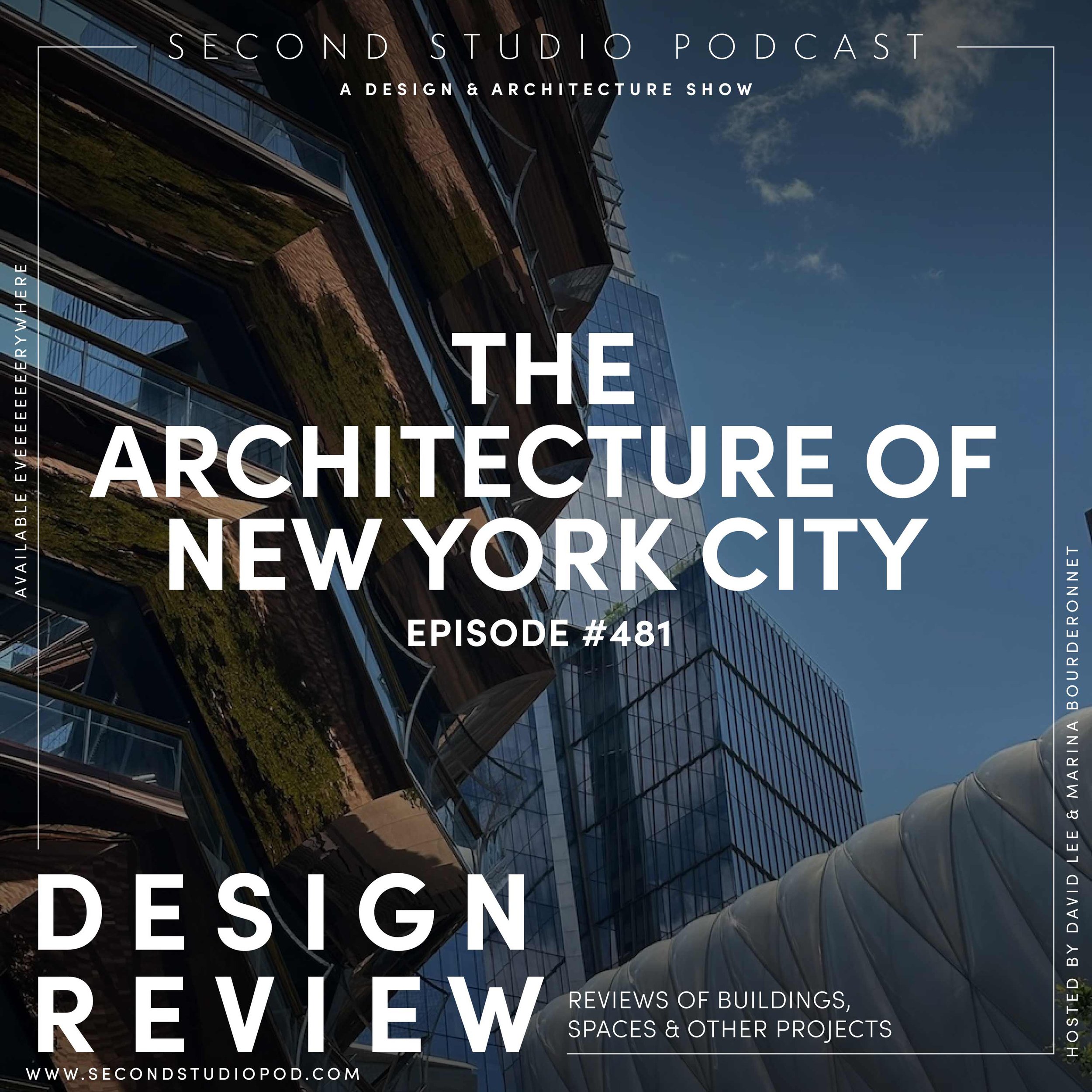
#481 - DESIGN REVIEW: NEW YORK CITY ARCHITECTURE
SUMMARY
This week, David and Marina of FAME Architecture & Design discuss the architecture of New York City. They reviewed the World Trade Centre Plaza, the Oculus, the High Line, Little Island Park, The High Line, The Edge, The Shed, The Vessel, Hudson Yards, and more. Enjoy!








TIMESTAMPS
(00:00) World Trade Centre Plaza.
“One of the most common pitfalls of architects is the negative space they create with their buildings. There’s a lack of sensitivity to creating a space that is programmed, but also feels right. In some of the spaces, there's a program, but it doesn't feel like it was coherently thought about. That's also one of the challenges when you have a big master plan and a bunch of different architects doing completely different types of buildings. [In the World Trade Center Plaza], we have the Oculus, the Snohetta museum, the performing arts structure by REX, and a bunch of towers. There are a lot of different things happening. I've always felt like in this area and other areas like it, it's hard to make the space between those very different structures feel like it's intentional. It’s also the question of, ‘Whose responsibility is it to build and design it?’” (02:44)
“What does it mean to preserve a historic site? How do we do that appropriately and productively? Productive in the sense that when we preserve it, we're not just putting this thing in a glass box, but somehow its existence still contributes back to the urban fabric and the urban experience. In a lot of cases, we don't really answer those questions successfully. Is preserving an area or building enough to actually honor what it is, and truly preserve it when it does have an objectively negative impact on the experience of the area?” (09:12)
(11:49) The Oculus at The World Trade Center.
(21:12) How to create a profitable program in a historical site.
(25:53) The High Line.
(28:11) Little Island Park Hudson River.
(42:35) High Line The Edge.
(45:12) Indoor markets authenticity.
“When you have a privately owned area that's meant to feel public, it never feels right because they're trying to make it fit into the brand that they're creating. It's like a gentrified, cleansed space, and therefore it doesn't feel real and open to different things and different types of people.” (50:42)
(51:29) The Shed.
(53:17) The Vessel.
(01:04:54) Importance of circulation spaces.
(01:08:38) Hudson Yards.
“I was reminded and amazed at how much money and time are spent building the buildings in New York. But [looking at] the bigger picture outside of just New York, what does this mean? What’s the value of it, except for the very few who could experience it? [For example, at] The Highline, you still have people living in crappy buildings [on one side], and on the other side you have Zaha Hadid’s swoopy, curvy penthouses. It’s a place where the worlds collide. We’re just putting the two ends of the spectrum next to each other, but we’re not really learning and thinking about what would create a better middle ground.” (01:10:50)
“It just felt like all the architects were given an unlimited credit card to spend at a candy store. That's what the Hudson Yards is. As an architect, I felt like I was a bit let down because it’s still missing the soul. The soul of the place is not there. Do I feel like this place is as rewarding and productive compared to just a classic standard public park? They're different, but is this more of an expression of our current downfall as a society and the inequitable situation we're in? Is it more about that than something to be proud of? I think that's the question.” (01:12:05)
(01:13:27) Conclusion.
HAVE QUESTIONS OR SUGGESTIONS?
TEXT/CALL OUR HOTLINE
213-222-6950



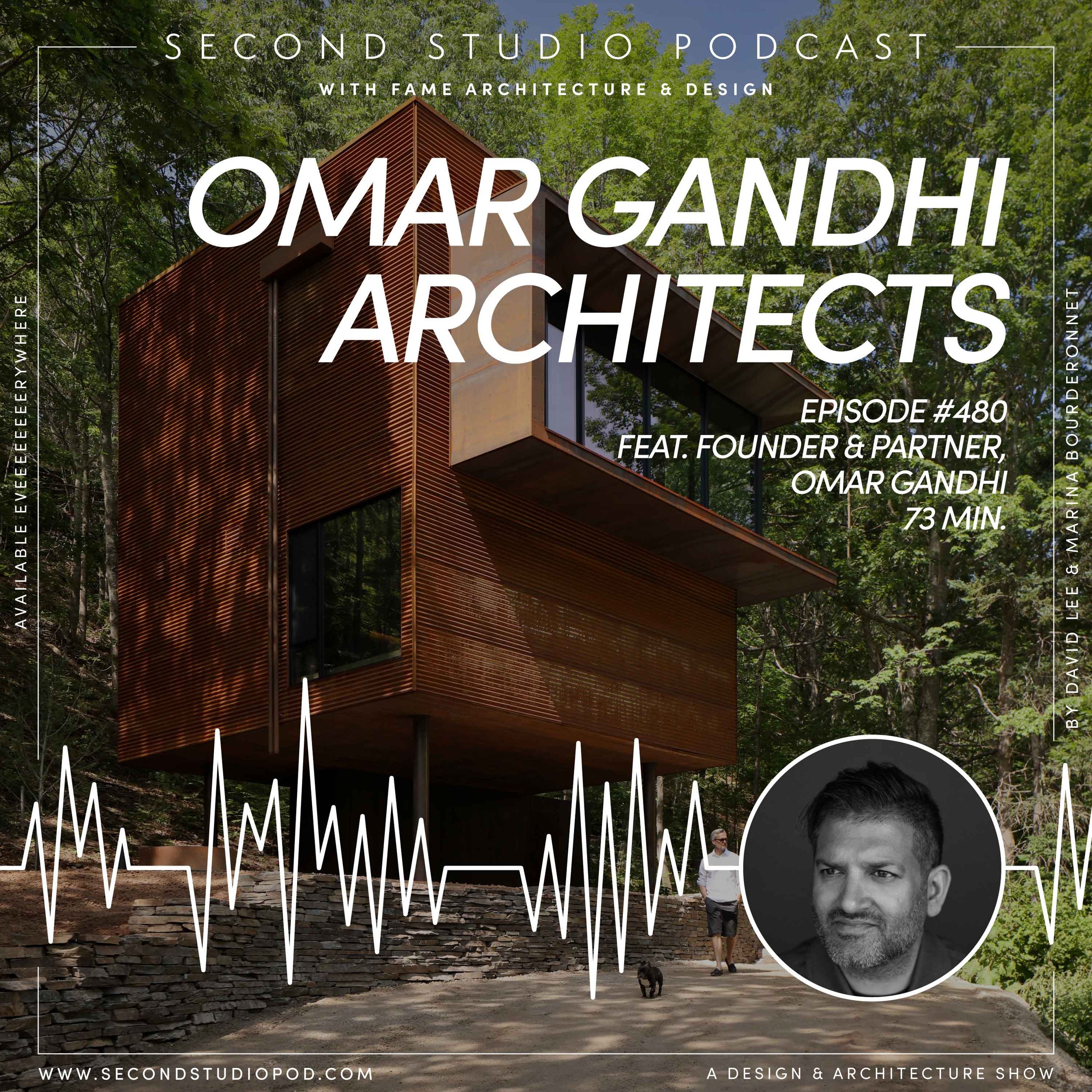
#480 - OMAR GANDHI, Founder and Principal of Omar Gandhi Architects
SUMMARY
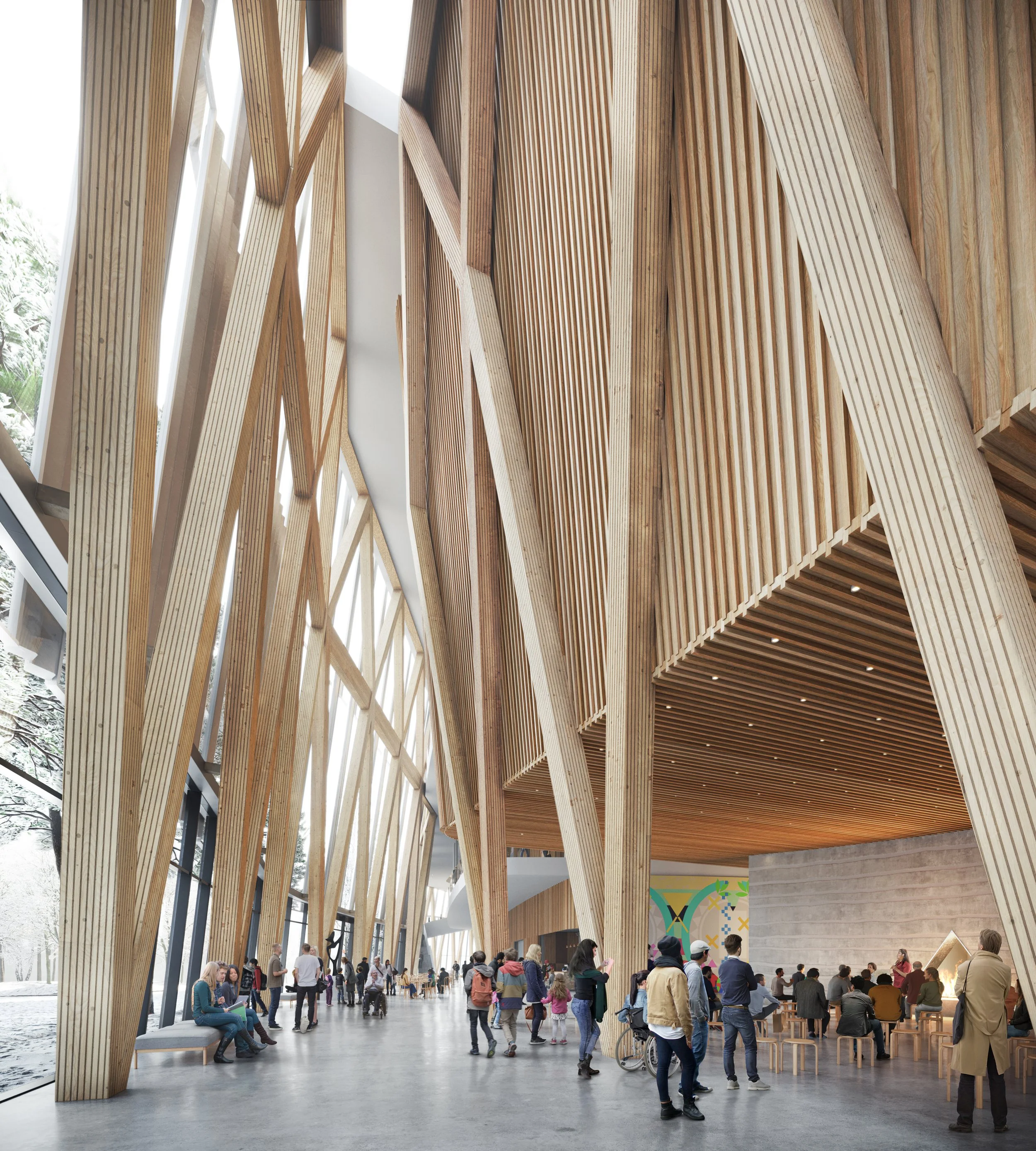
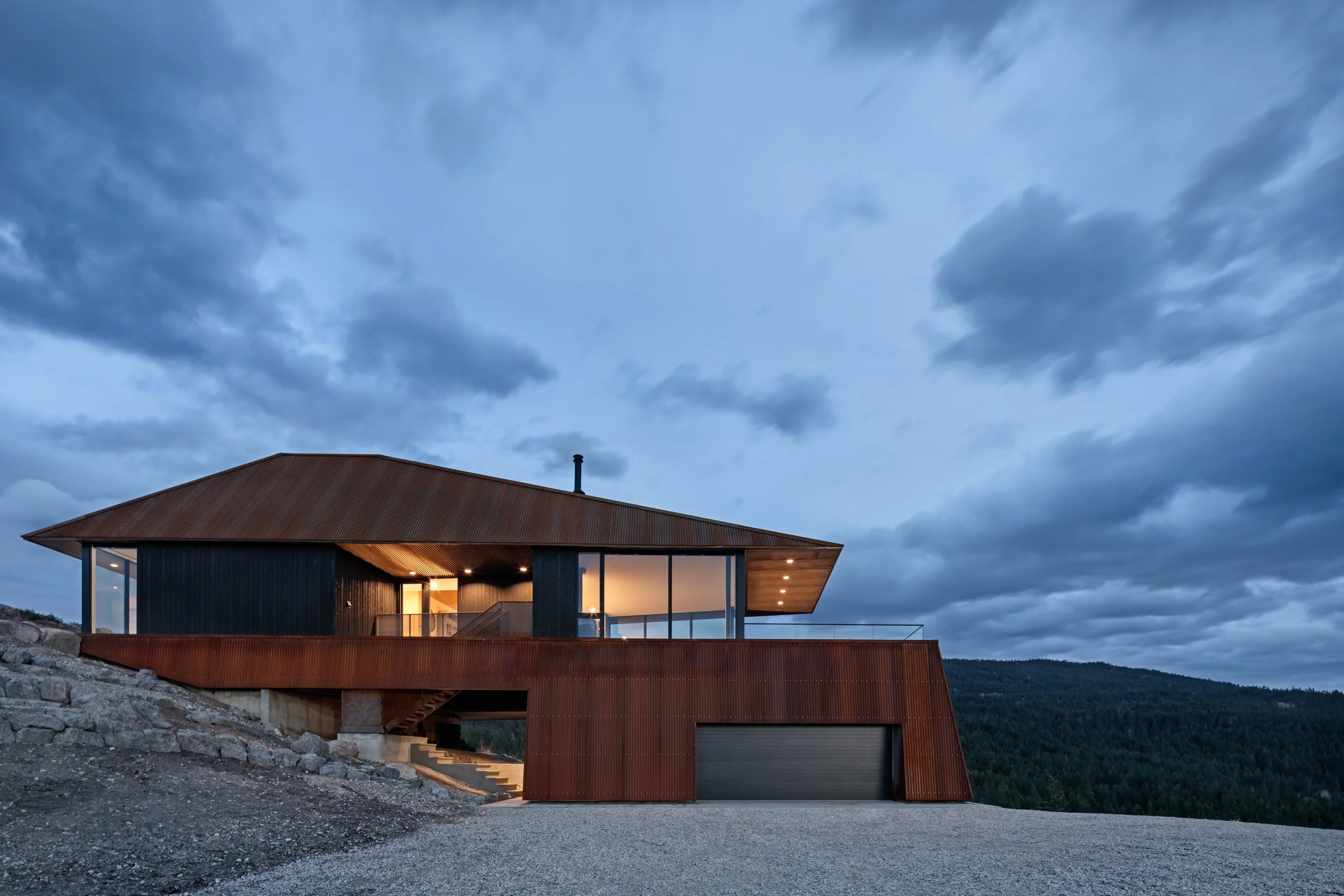
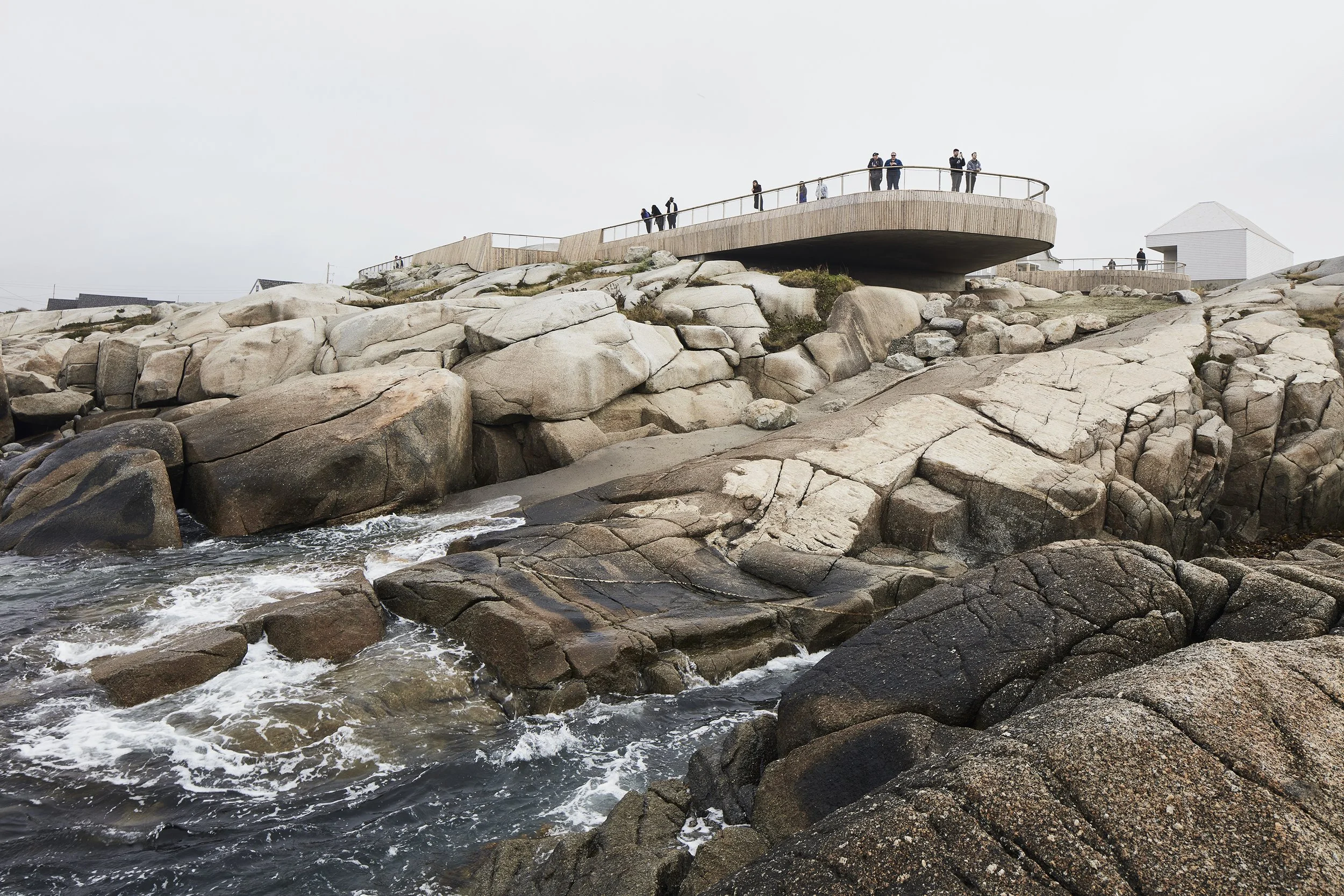
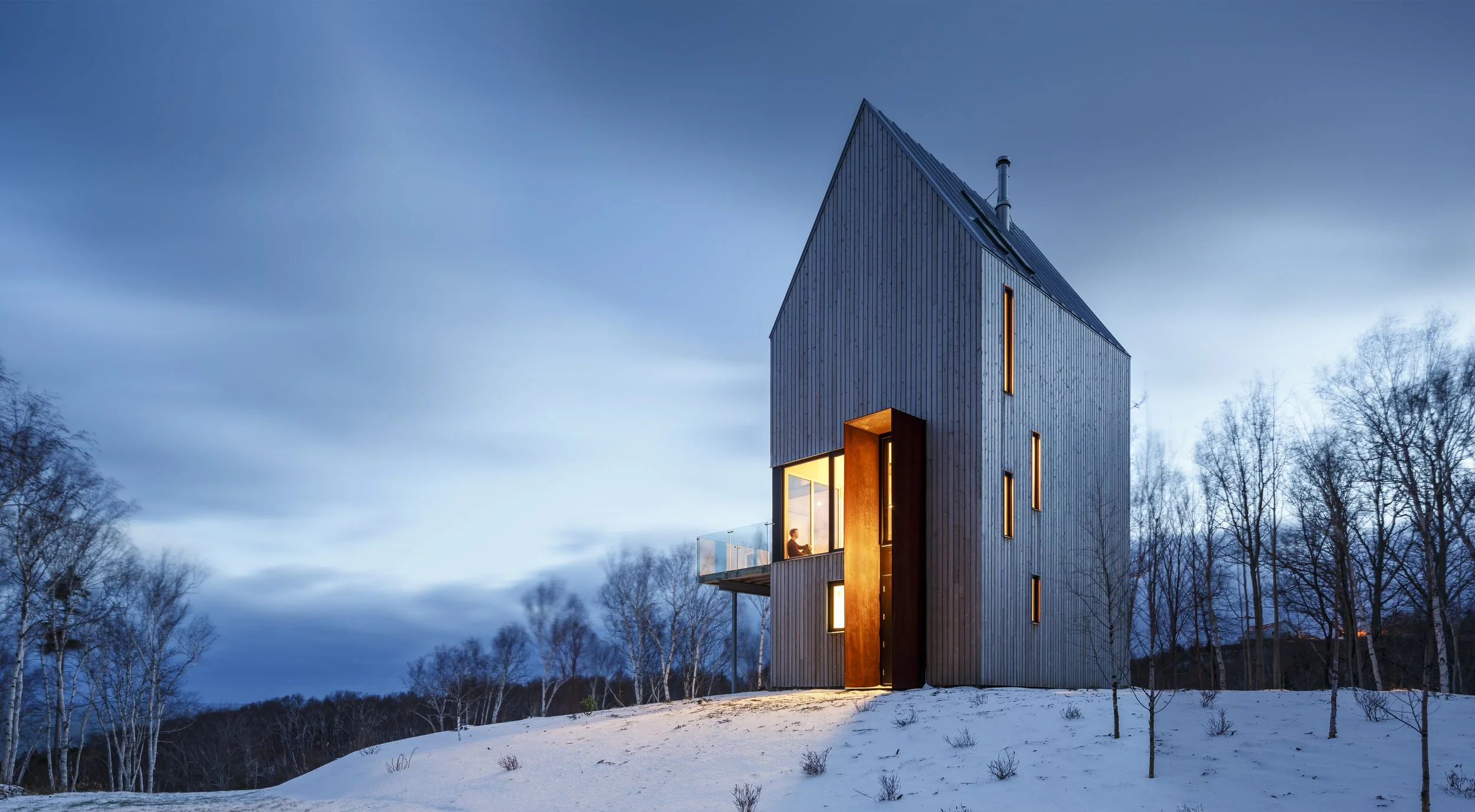
This week, David and Marina of FAME Architecture & Design are joined by Omar Gandhi, founder and principal of Omar Gandhi Architects. The three discussed Omar’s background and education, the architect stereotype, the influence of office location on his architecture practice, establishing his own practice, modern vs traditional architecture, finding the right clients, project variety and firm size, design competitions, the importance of having architects on CA, the office’s structure and design process, and more. Enjoy!
ABOUT OMAR
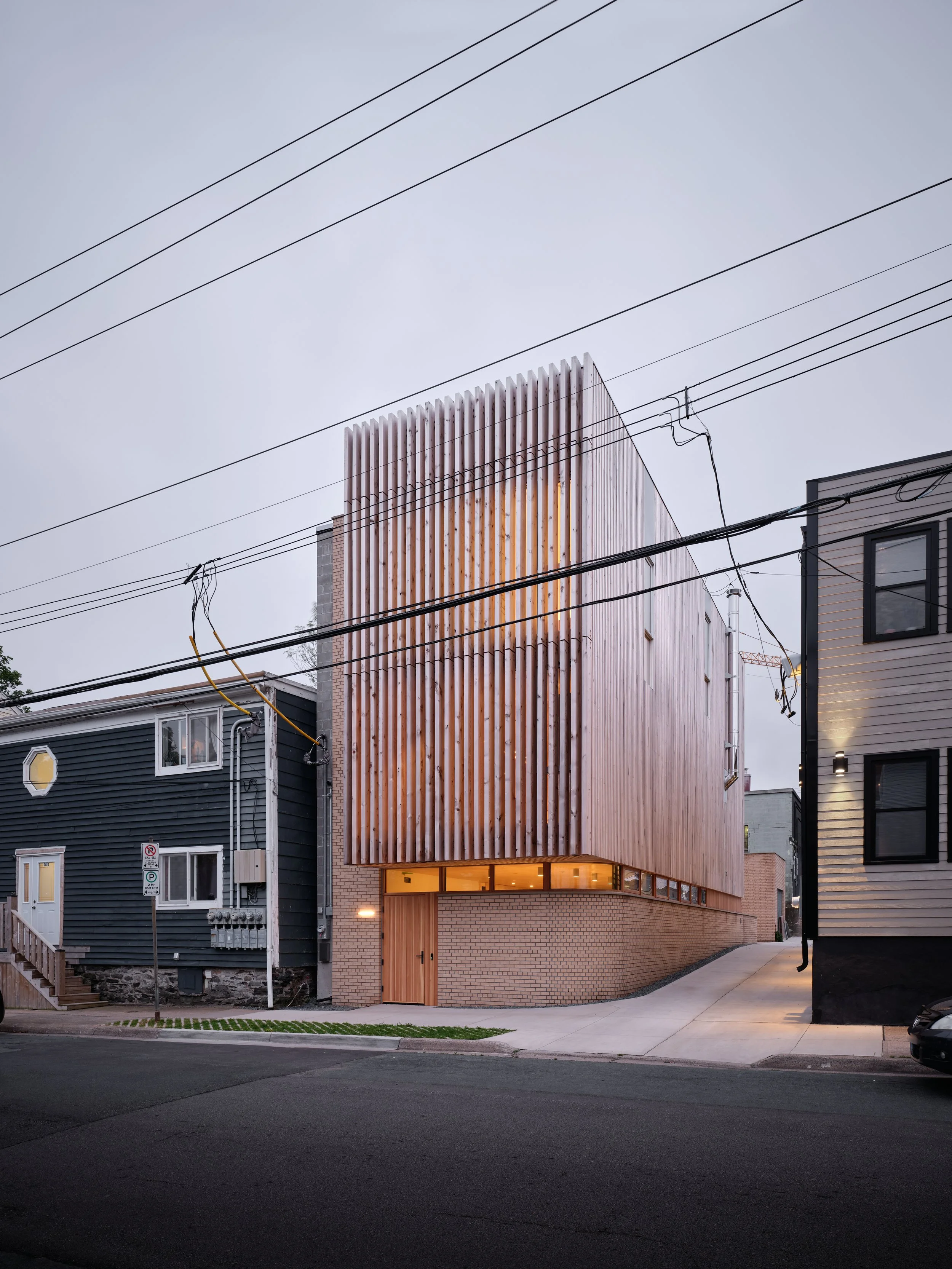
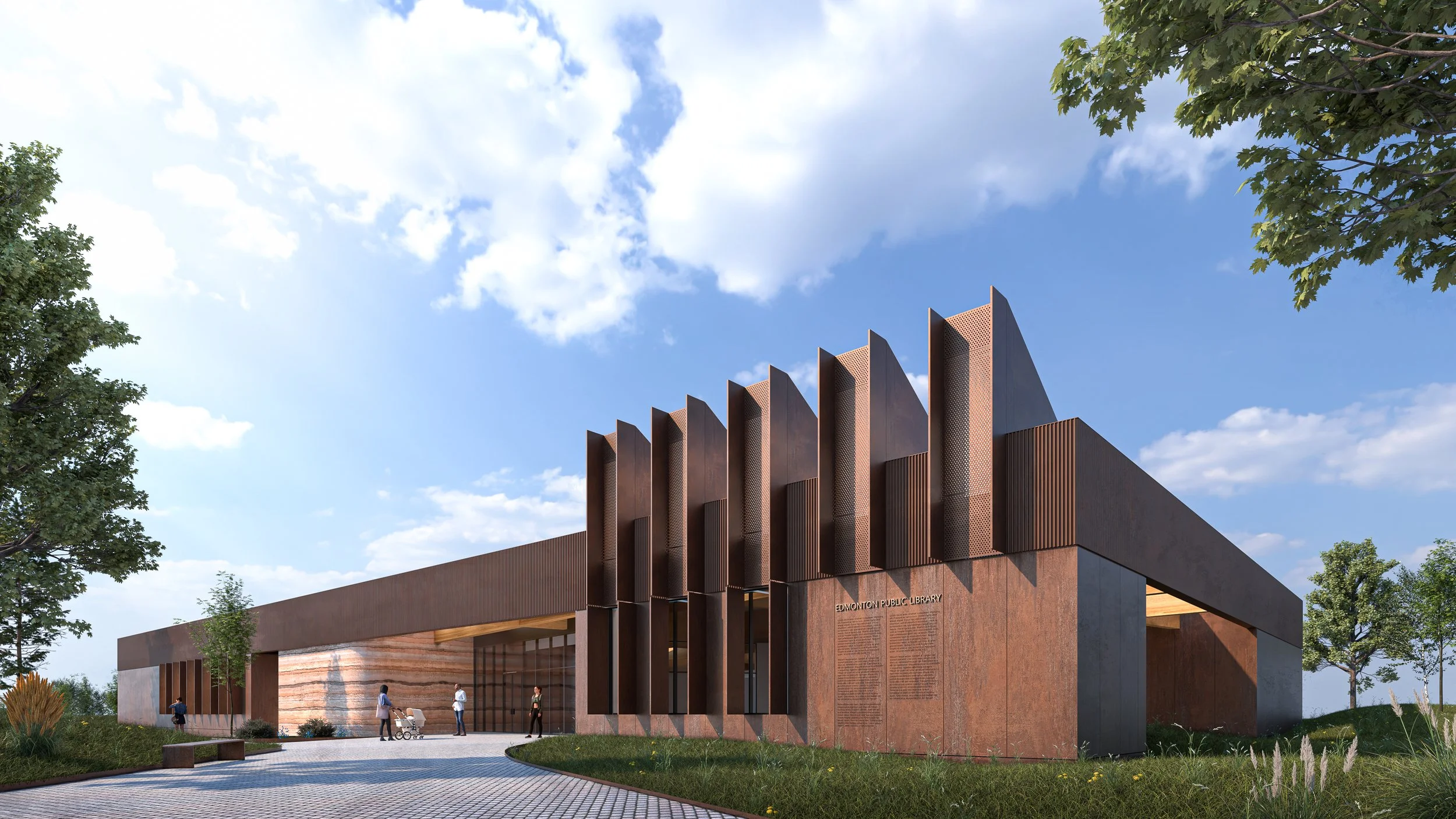
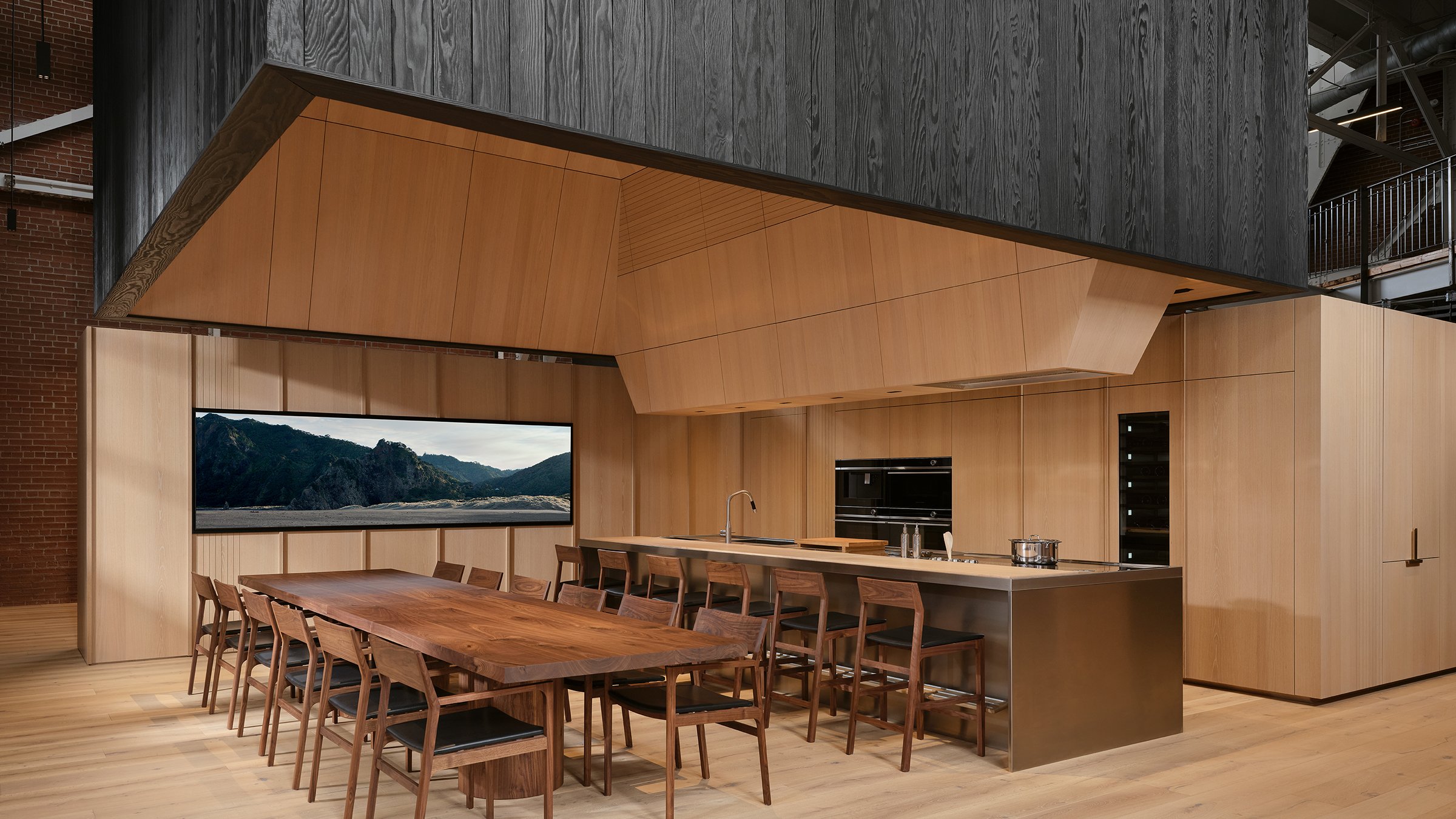
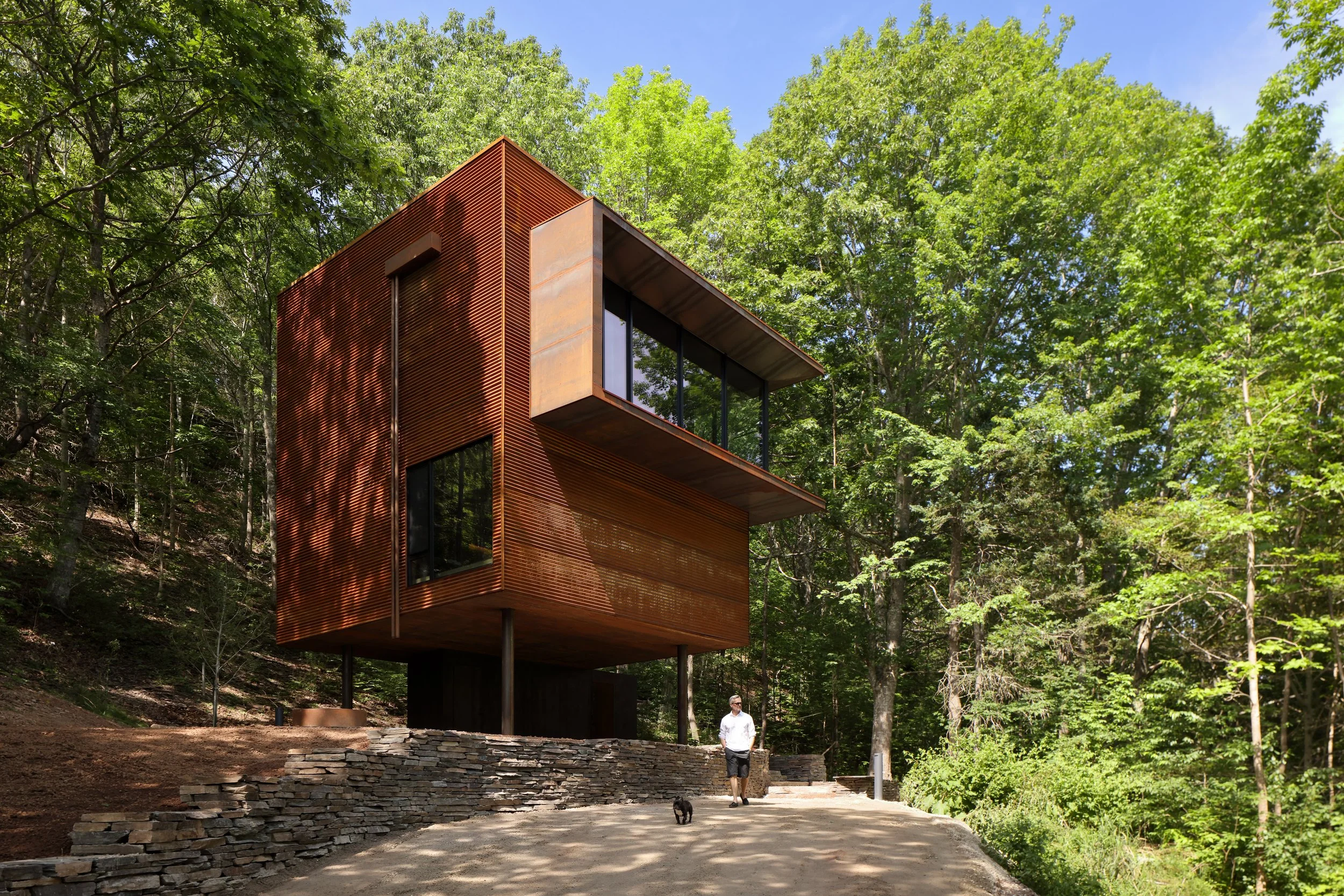
Omar Gandhi, founder of Omar Gandhi Architects (OG), established his studio in 2010 with offices in Toronto and Halifax, Canada, and most recently in Berlin, Germany. Renowned for its critically acclaimed work, OG has garnered international recognition through a diverse portfolio of projects, including innovative urban infills, large-scale public works, and interventions in historic landscapes. Gandhi and his team are celebrated for their playful and unexpected approach to design, which reinterprets the familiar with bold, site-responsive architecture. The practice’s work is distinguished by meticulously crafted details and a profound engagement with the physical and historical context of each site.
Winner of 25 international awards in 2023-24, including Practice of the Year awards from Architizer, Architects Newspaper Awards, and the Architectural Masterprize, Omar Gandhi Architects continues to earn widespread international praise and academic recognition. Additional accolades include the Canada Council for the Arts Professional Prix de Rome, Architectural Record Magazine’s 2018 Design Vanguard, and the Canadian Governor General’s Medal in Architecture. Founder Omar Gandhi is actively engaged in academia, having served as a Louis I. Kahn Visiting Assistant Professor in Architectural Design at the Yale School of Architecture, and was named among Monocle magazine’s Most Influential Canadians.

TIMESTAMPS
(00:00) Omar's background & education.
(06:55) Not a stereotypical architect.
(10:09) Influence of office location on architecture practice.
“I'm certainly less interested in chasing other people's language, style, and whatever hottest sustainability trend there is. I feel like we're in a great spot where we can just do our thing, and as a result, if you maintain a level of honesty in the work, it's going to be unique.” (17:35)
(18:12) Establishing own practice.
(28:58) Modern vs traditional architecture.
“We all sort of leave school with these grand ideas and realize that not a single soul around us, minus the people we went to school with or people in our field, really understands what we're doing and why we do it. My parents are a good example of that. They're proud of the stuff that we do, but they couldn't think it's weirder.” (34:37)
(35:56) Finding the right clients.
“Bigger budget projects don't necessarily make the project more interesting. There's something about the constraint of limited means, whether it’s the scale of the building, or other parameters you're dealing with, it just makes for slightly more interesting results, even if it's a bit more difficult.” (39:19)
(39:44) Project variety and firm size.
“One thing that I always thought was ridiculous is this idea that you can't enter into an arena of a specific kind of work and not do something exceptional. They're always asking how many of a project type you've done, but no one ever asks how many of those were good. Quantity doesn't mean quality. Whether it was our first restaurant or first art gallery, the approach is the same and design is design. Our own personal experiences weigh into this equation. I really think you can do anything. It's a made-up thing that you have to be specialized in that way. I think design comes down to an interest in these things.” (42:06)
(45:49) Design competitions.
(48:13) Establishing firms internationally.
(55:24) Importance of having architects in construction administration.
“We all know what happens when we're not on site. It's like the kids starting a party when the parents aren't around. So, what was the point of trying to do something special, cohesive, and interesting if it's all just happening on site [without the architect]? It's tough to convince the client of this, probably because a lot of architects just shrug that part of the process [construction administration] off. They may offer that as a service and just say, "We do it up to this point, these are your drawings, good luck with it.” But the difference between a project you're proud of and a project that you're not. is your activity on site, the relationships you build, and the problem-solving that happens with the builder and consultants.” (56:20)
(57:55) Omar Gandhi Architects' office structure & design process.
“The fact of the matter is, I don't really care if it's a story about me or not. It's just not that important. But that is seemingly the most important thing to much of the profession. Certainly, as it goes back generations, this silly idea of ownership it's a joke. It also never existed before, this idea of the divine sketch and all that. There are a lot of people involved in a projec,t and ideas go from the student to the intermediate architect to the structural engineer and back, and things are constantly moving. Sure, maybe the design starts with some sketch I made or someone else made, but that's definitely the least important part of the whole thing. We've actively fought against that kind of idea just because it doesn't matter. It's all about the work.” (01:01:04)
(01:04:43) Publishing architecture work.
(01:07:55) Omar's ideal project type & favorite building.
HAVE QUESTIONS OR SUGGESTIONS?
TEXT/CALL OUR HOTLINE
213-222-6950
#479 - CAREER ADVICE: FIRST JOBS & LICENSURE
SUMMARY
This week, David and Marina of FAME Architecture & Design discuss their experience with their first job in architecture. They touched on the difference between school and practice, working overseas, office politics, project managers, job titles, office culture, architecture licensure, when to take the architecture exams, the exam systems, and more. Enjoy!
TIMESTAMPS
(00:00) David's first job & school vs practice.
(10:38) Marina's first job & working overseas.
(18:48) Office politics.
“Offices are a microcosm. It's about the work that the office does, but it's also really about the chemistry between the employees and everyone that makes up the office. If you hire the wrong person, it could mess up that chemistry. If you hire a couple of really good people, it could enhance that chemistry. I think the power of people's relationships within the workspace is really underrated. It influences the quality of their work, but also the happiness and development of the employees themselves.” (21:15)
(26:40) Project managers.
“I don't think everyone can be, or should be, a project manager… which is the problem with age ranks in architecture workplaces. If you stick with an office for 5 or 10 years, at some point, you're going to be a project manager. It's not really because you gain the skills, and you are able to hold that role. It's because you've been there long enough that when you turn around, there's no one else at that age with those many years of experience, whatever that means. That's also a tricky thing, because if you're a certain age and you've been in an office for a while, if you're not a project manager, then what are you? But you could become a technical person and find your expertise in something that you're good at.” (27:30)
(29:37) Job titles.
“If there's just one person in the office who's playing ‘the [political] game’, then you feel like you have to play that game because you don't know how the senior partners are registering all the information. If they're being more convinced by this individual simply because they're playing the game and kissing ass more… and know you feel like now I have to do that. Because even if we start off at the same level and you’re doing the same quality of work, who is going to have the more perceived value and contribution to the office? Well, it would be the one that's making an effort to make sure the partners see their value. So now everybody starts playing the game. The amount of collective brain power that's now taken away from just practicing and being a good architect to focusing on ‘What do I look like to the partners?’ I hate that.” (32:23)
(34:53) Office culture.
(38:55) Importance of getting an architect license.
“The truth is, having a license only matters, legally speaking, if you intend to stamp your own drawings. But most people don't do that. Most people are working at an office for an architect, and that senior architect’s stamp is used for the projects that they're in charge of, or all of the projects in the studio. Which means that if you are an employee and you're licensed, it makes no material difference to the office because they don't care. Even if you've had your license for the last five years, you’re not going to stamp drawings because of insurance logistics, company structure etc. You know how the office is structured. Therefore, there’s a very good argument to not even bother getting licensed because what difference does it make?” (40:07)
“The profession struggles with conveying what we do, the value of it, and the expertise associated with it. I'm not saying it's right or wrong, but one of the ways to help solve that problem is to have licensure. What it takes to become a licensed architect does not guarantee that that individual is a good architect, but it would be nice if there were a way that we could establish a perceived level of expertise. The easiest way to do this is through a title, which is to say that I'm licensed or not licensed. It's flawed, but as a profession, we need something. That's the only thing we have currently that would at least help us with this issue.” (45:32)
(49:36) When to take the architecture exams.
(55:40) Exam systems.
“The exams are counter to who an architect truly is. Because when architects are faced with a problem, our first instinct is to consider that problem from all different angles and question the validity of the problem and say, maybe there's another problem that's bigger behind it. We're used to poking at it from all these angles, but the exam does not want that. As architects, we are non-conformists because when we see an issue, we are creative about how we solve it. The exam is not about being creative. It’s like, “I am the exam, and you have to conform to me, what I'm saying, and adopt my logic.” It does not make sense.” (01:02:06)
HAVE QUESTIONS OR SUGGESTIONS?
TEXT/CALL OUR HOTLINE
213-222-6950
#478 - GARRETT NEAL, Principal Lighting Designer at Neal Lighting
SUMMARY
This week, David and Marina of FAME Architecture & Design are joined by Garrett Neal, principal lighting designer at Neal Lighting. The three discussed Garrett’s early career influence, the evolution of Neal Lighting, working with family, defining lighting design, client presentations, and the process of lighting design. when to engage a designer, common misconceptions, technology advancement & impact on lighting design, scopes and challenges, psychology of lighting design, how to fix poor lighting, the future of lighting technology, and more. Enjoy!
ABOUT GARRETT
Garrett is the principal lighting designer at NEAL and a second-generation architectural lighting designer. Garrett grew up on his grandfather’s job sites and watched his father design at an early age. He feels fortunate to have been passed down an eye for aesthetics and taught the skills to execute the design of a beautiful space.
Garrett is currently working on a wide range of projects, including large-scale hotels, restaurants, multifamily and luxury residences. He has an aptitude for quickly building relationships with our clients and fellow design team members, and contractors.
Garrett’s passion for architecture, art, music, and culture helps to inspire each project he works on. His clear communication of the lighting design concepts early in the project gives the design team and clients the ability to proceed through each phase confidently.
Garrett is an active member in both the Illuminating Engineers Society of North America (IESNA) and the International Association of Lighting Designers (IALD) and is also (CLD) as a nationally recognized Certified Lighting Designer.


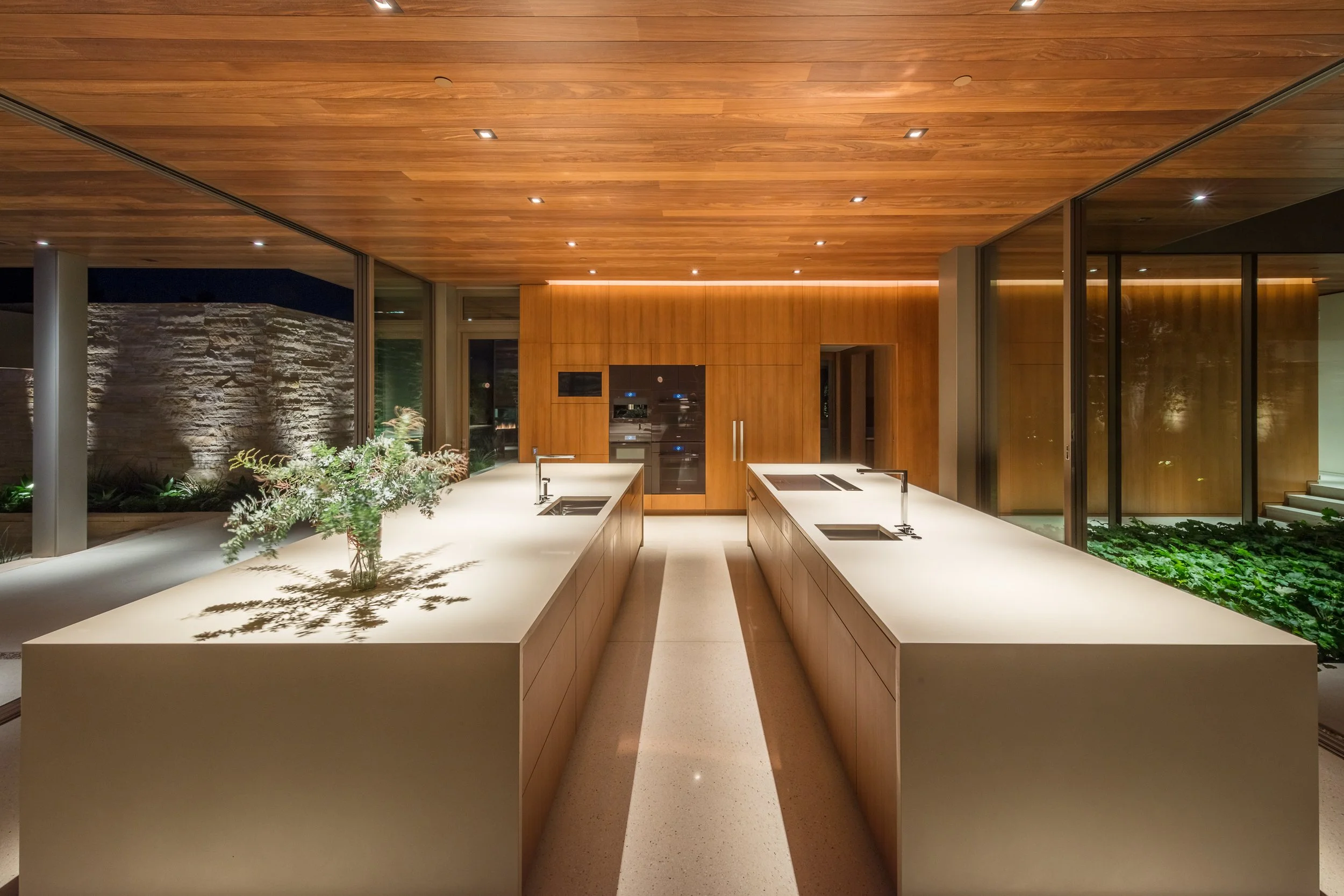
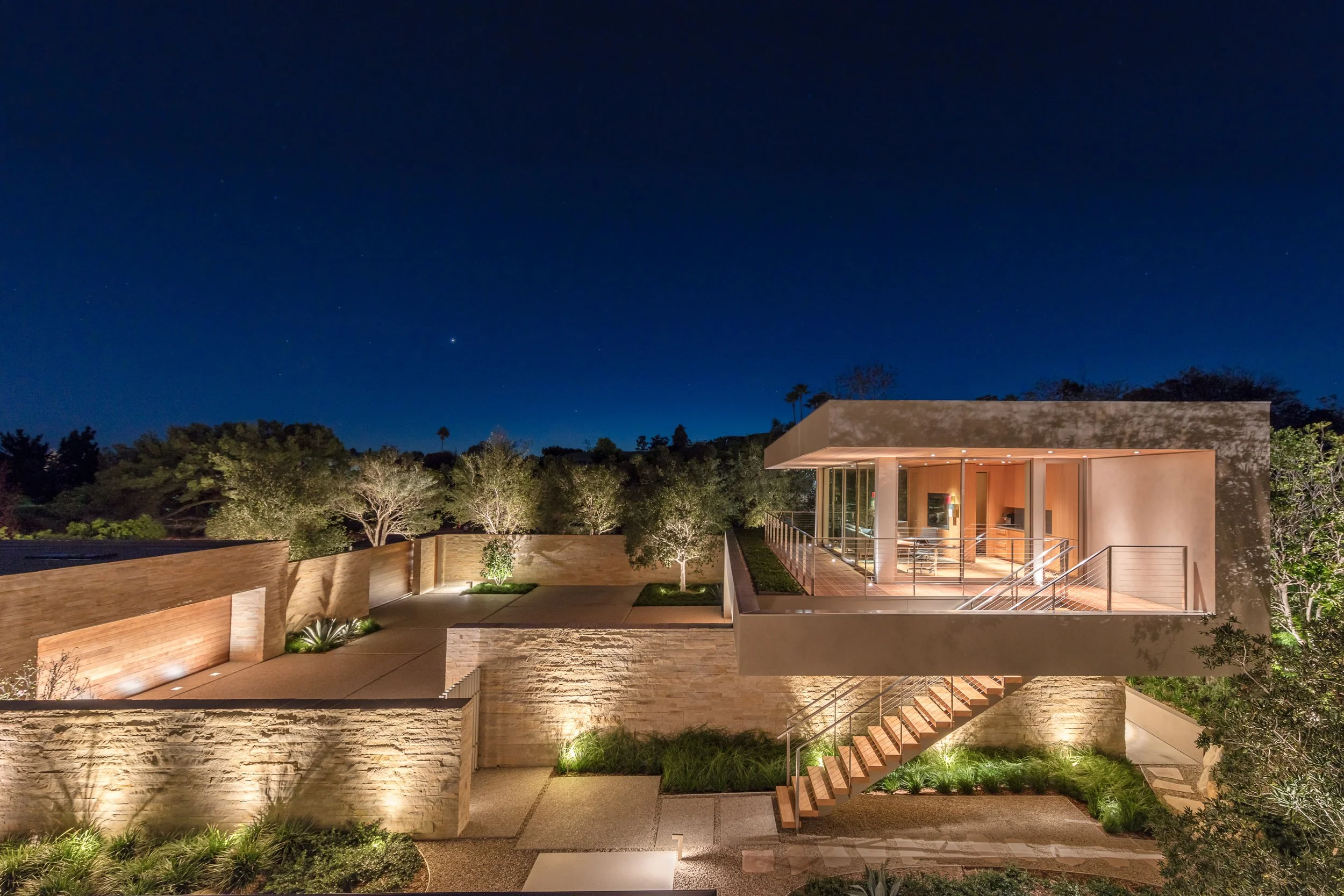

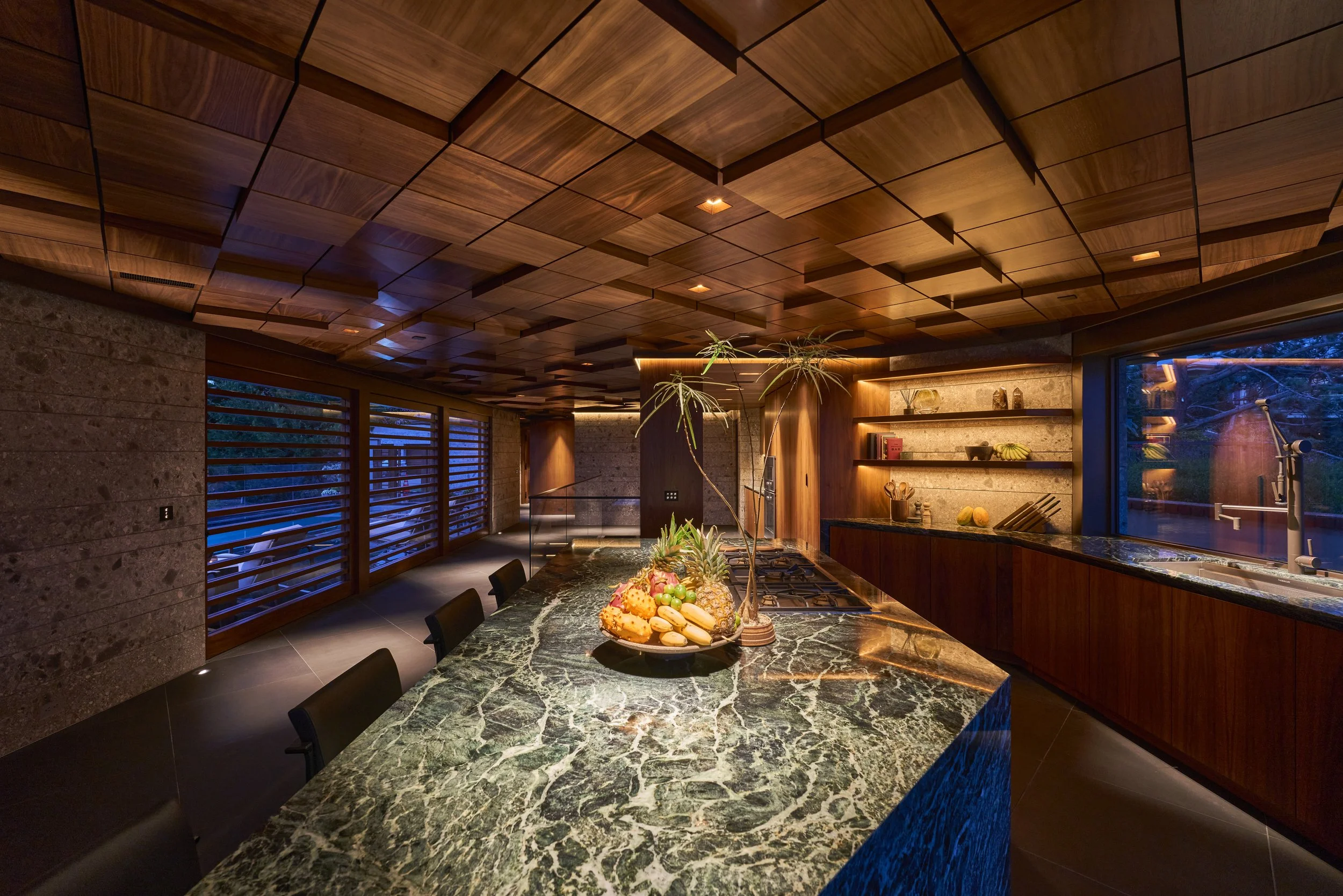
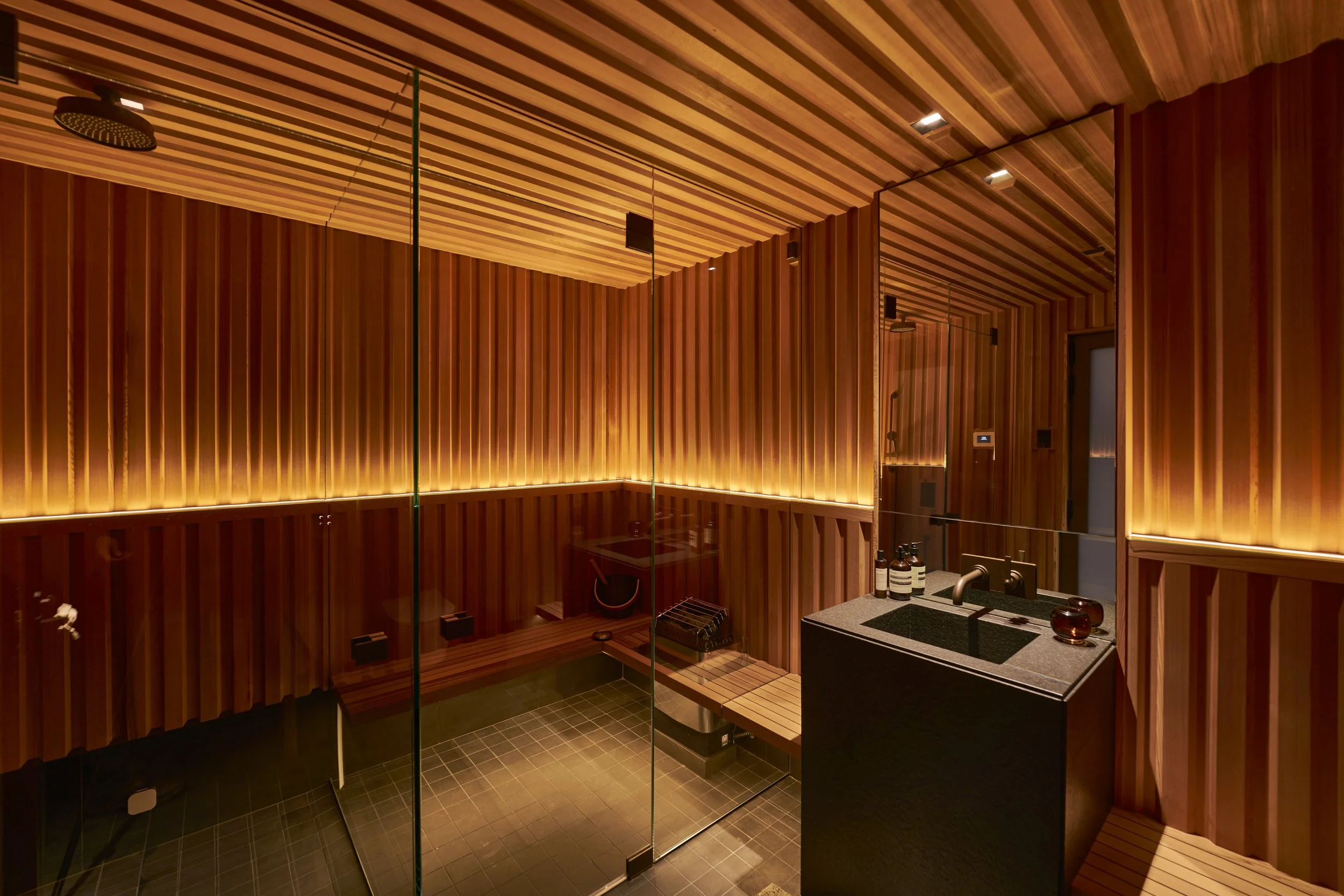


TIMESTAMPS
(00:00) Garrett's early influence.
(06:00) Evolution of Neal Lighting.
(08:04) Working with family.
(12:01) What is lighting design?
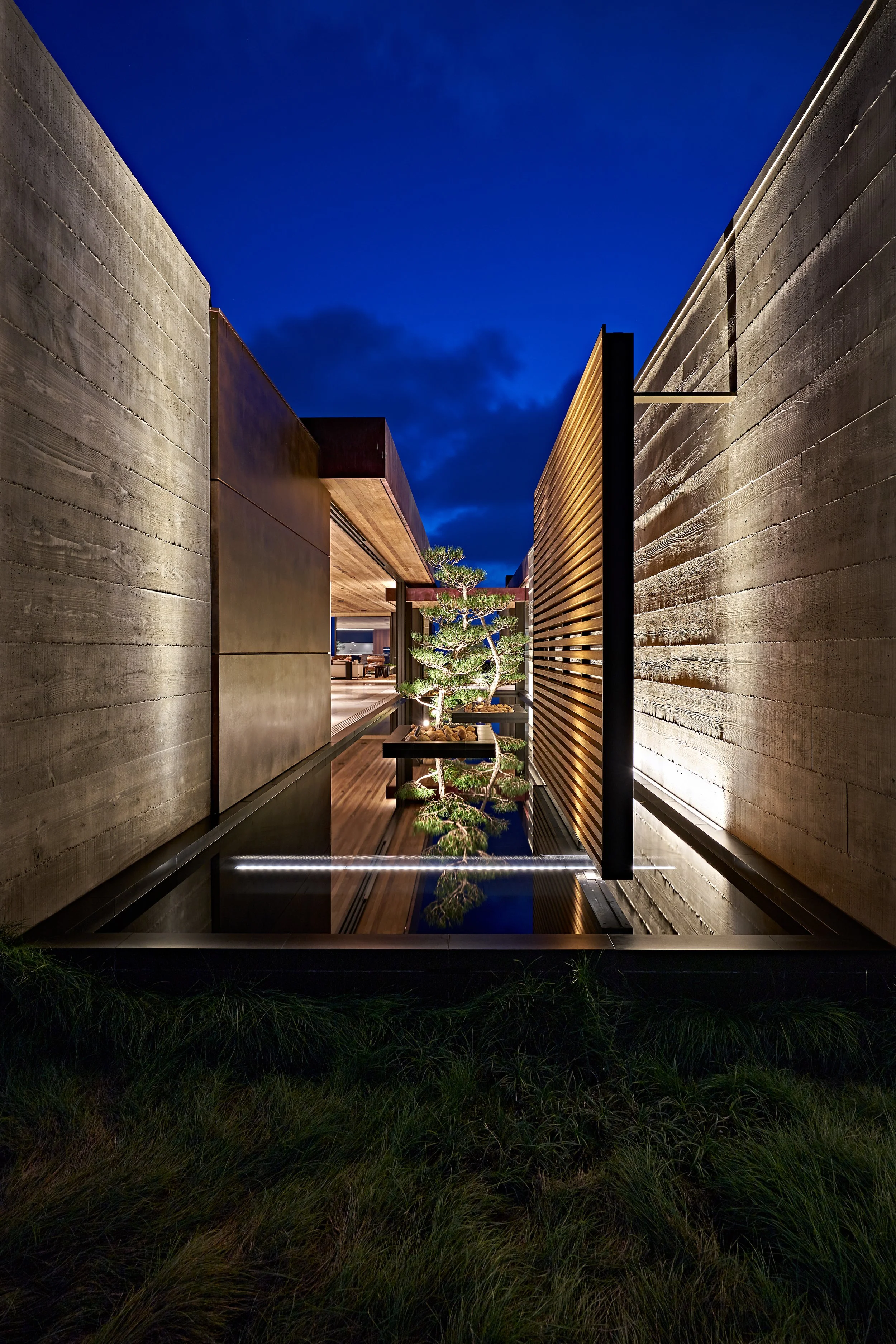
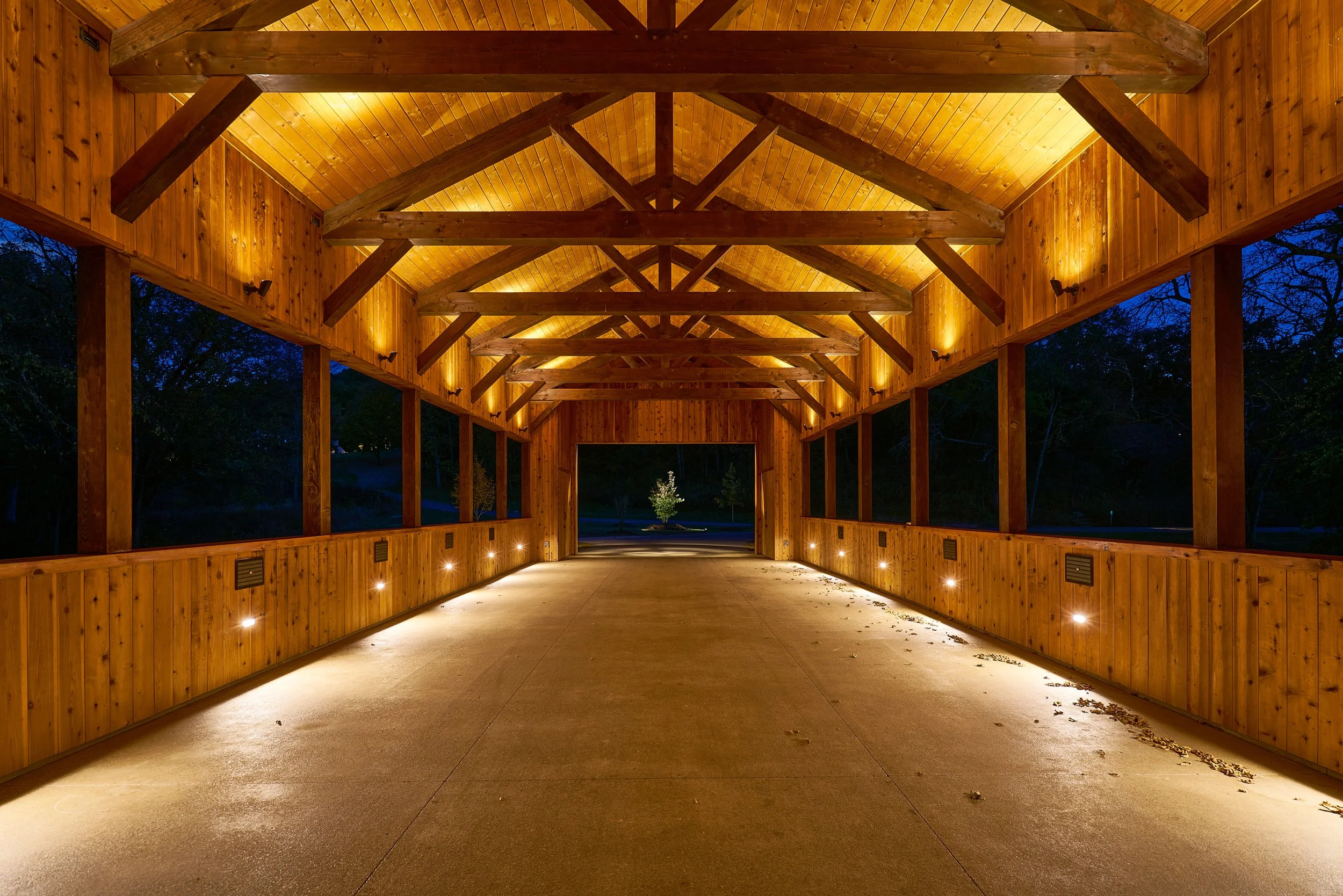
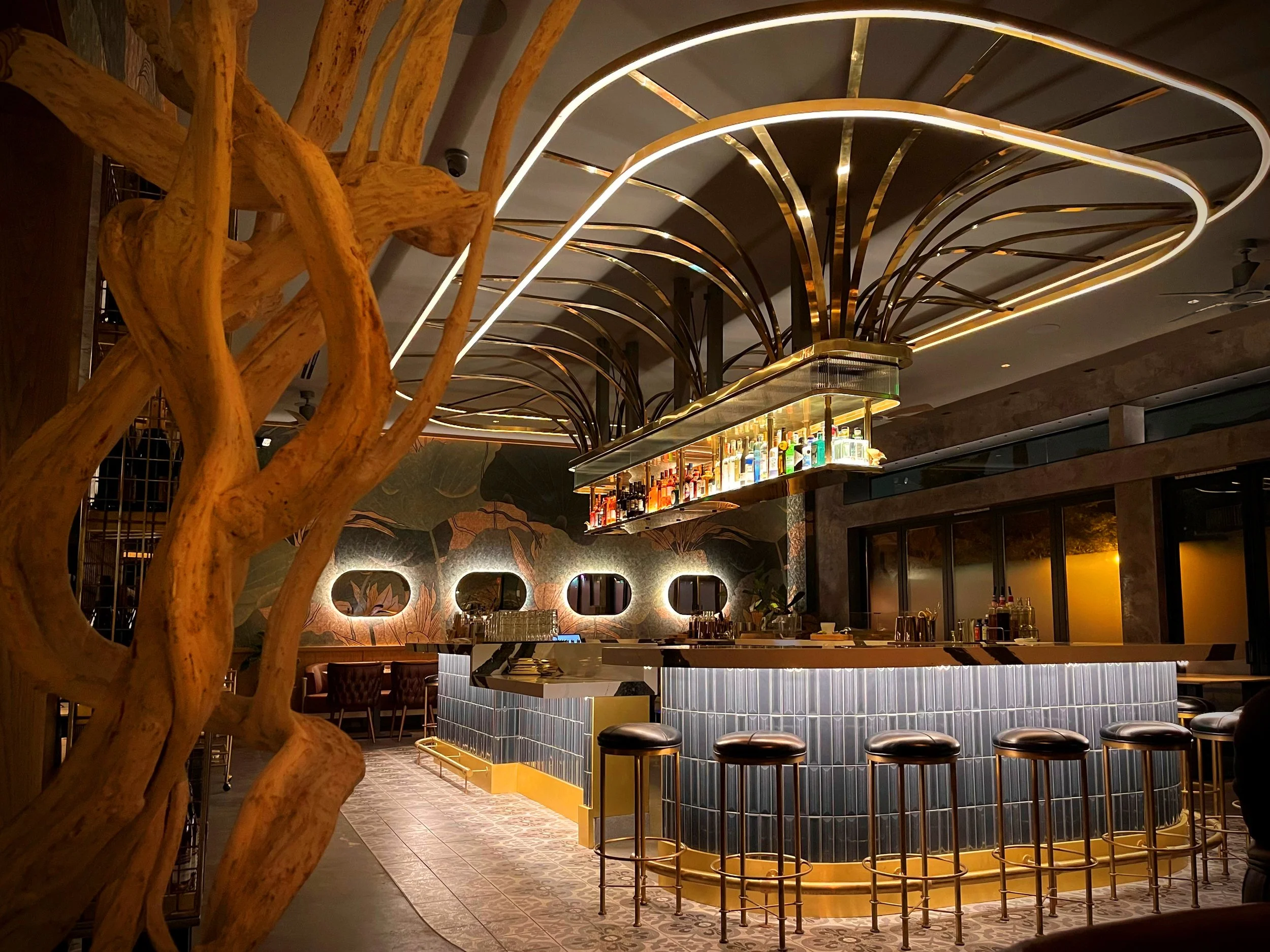
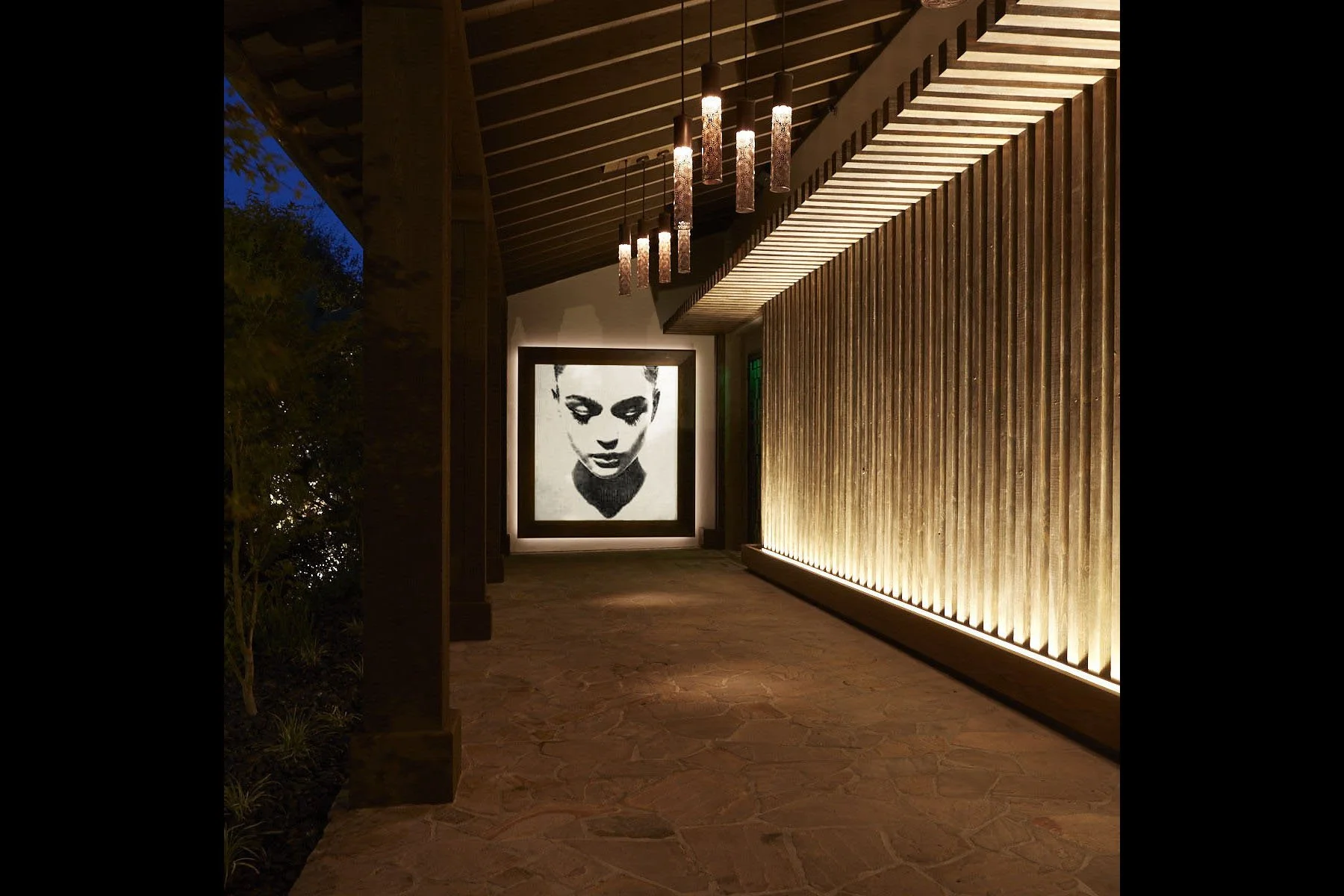
“We [Lighting Designers] design the space for how it should feel and look with the lighting. We work just like an architect or an interior designer does. We're on board from schematic design all the way through to construction administration, and we bring the vibes to the space. We make it feel comfortable and intentional by really understanding the architecture and highlighting the materials.” (12:33)
(19:39) Presenting lighting design to clients.
(23:48) Lighting design process & when to engage a designer.
“[There’s a misconception that] the fancy lighting designer is going to spend way too much money or they’re only going to design with the most expensive stuff. But it doesn't have to be expensive for it to be a successful design. It just has to have a purpose, and it has to be well thought out by the designer.” (31:33)
(32:09) Misconception about lighting design.
(36:40) Adjustments to lighting post delivery.
(41:41) Technology advancement affects lighting design.
(44:24) Lighting design scope & challenges.
(47:30) Use of software in lighting design.
“Lighting programs do not consider the importance of shadow and darkness. They're like, here's how much light you have on the ground, here's what your reflectance is, and here’s what it should be from a candela standpoint. It's a great tool, and it's necessary for certain spaces and project types where we do have to meet minimum criteria in different areas, especially for commercial projects. But in a nice hospitality or a residential space, it's about designing with a gut feeling and experience for the most part.” (50:07)
(53:15) Psychology of lighting.
“When you're out for dinner, and it's transitioning from day to night, if you pay attention, you’ll notice the lights dim at some point and everyone will kind of relax. Even if it's just decent lighting, they will sense the shift, and it has an immediate psychological impact. These 100 people in one space all feel the same thing at the same time, and it just completely changes the vibe. It’s like, “Oh, okay, now I can have the second glass of wine.” (54:17)
(55:26) Simple ways to fix poor lighting.
“It's easier to do it right the first time than to go back and try to do a little rehab on the space. It's often more costly too, and is always harder to get just right. So, it’s super important to get it right from the beginning. But I don't think it takes a lot more than somebody who knows what they're doing to make recommendations on how to improve the space with the budget provided. There's definitely always something that can be improved in that regard. A lot of times, it’s about removing things because there’s too much light. I feel like most spaces are overlit, so it's just about taking some lights out or switching them to another type of light.” (56:07)
(58:44) Project type that Garrett would like to do.
(01:02:42) Challenge of lighting interior vs exterior spaces.
(01:06:32) Future of lighting technology.
HAVE QUESTIONS OR SUGGESTIONS?
TEXT/CALL OUR HOTLINE
213-222-6950
#477 - PUBLIC EDUCATION, LONG BEACH AQUARIUM, AND HOLIDAY PLANS
SUMMARY
This week David and Marina have a casual converstion about David's high school education, the Long Beach Aquarium, and holidy plans. Enjoy!
HAVE QUESTIONS OR SUGGESTIONS?
TEXT/CALL OUR HOTLINE
213-222-6950

#476 - TIM HAY, Co-Founder of Fearon Hay
SUMMARY
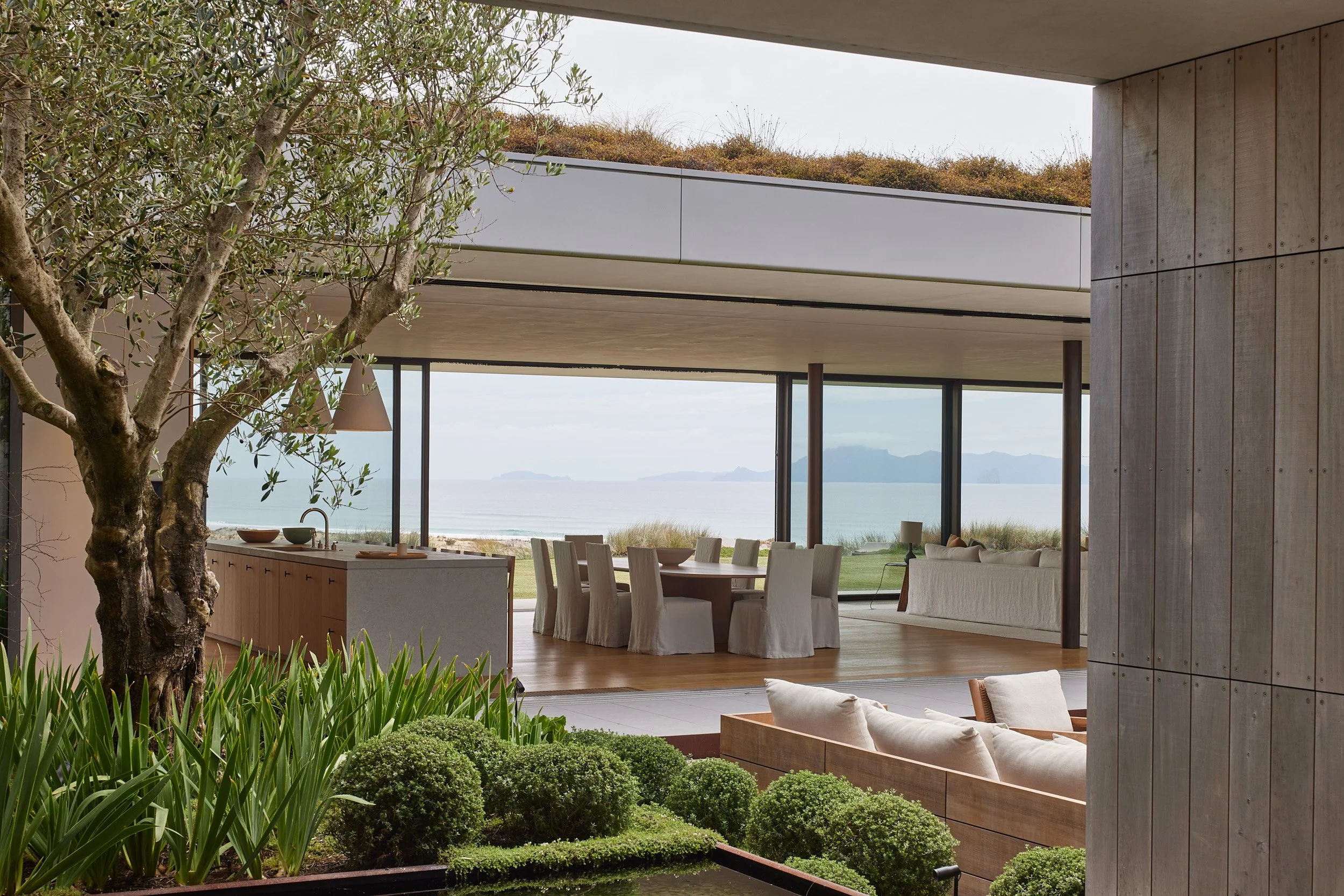
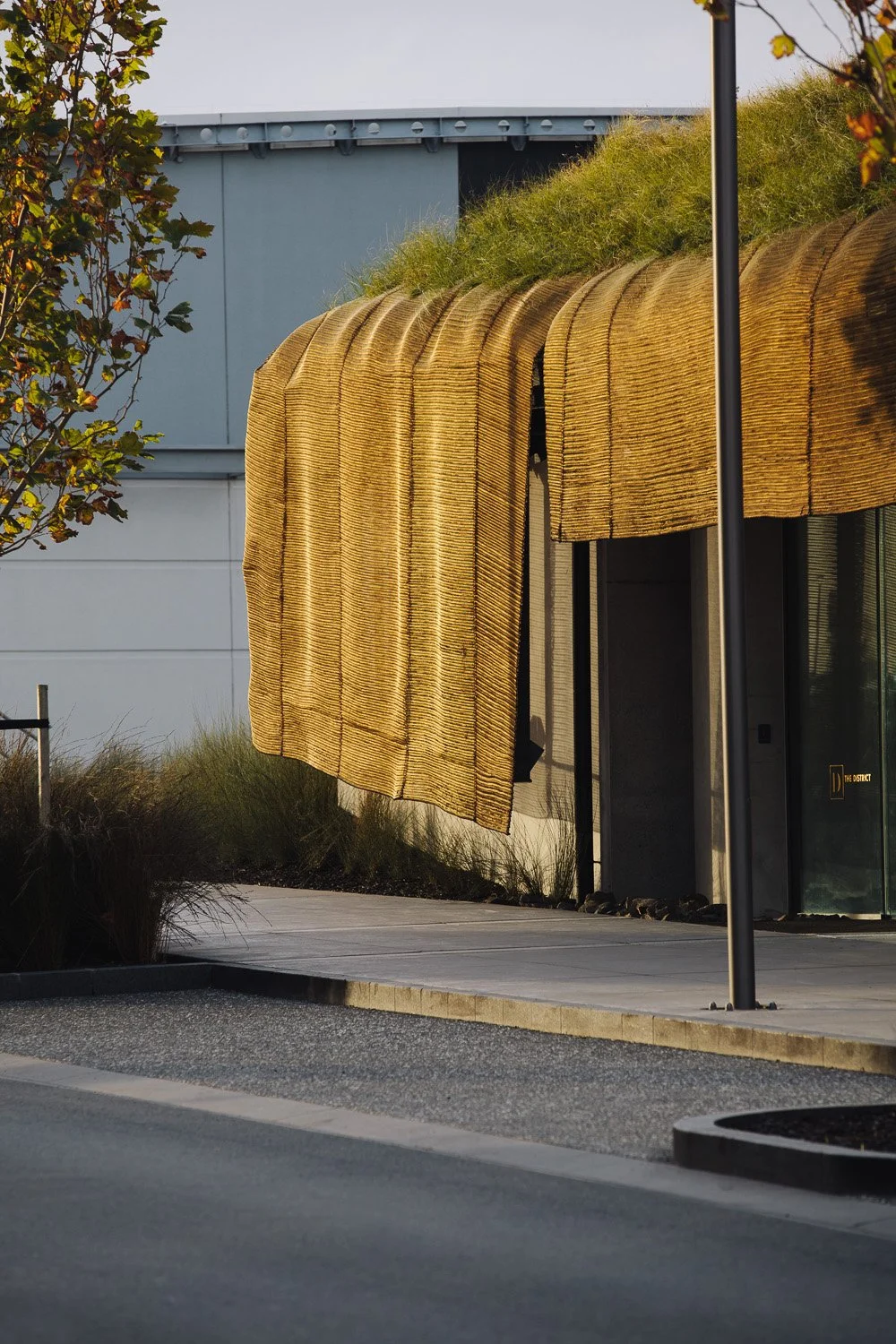
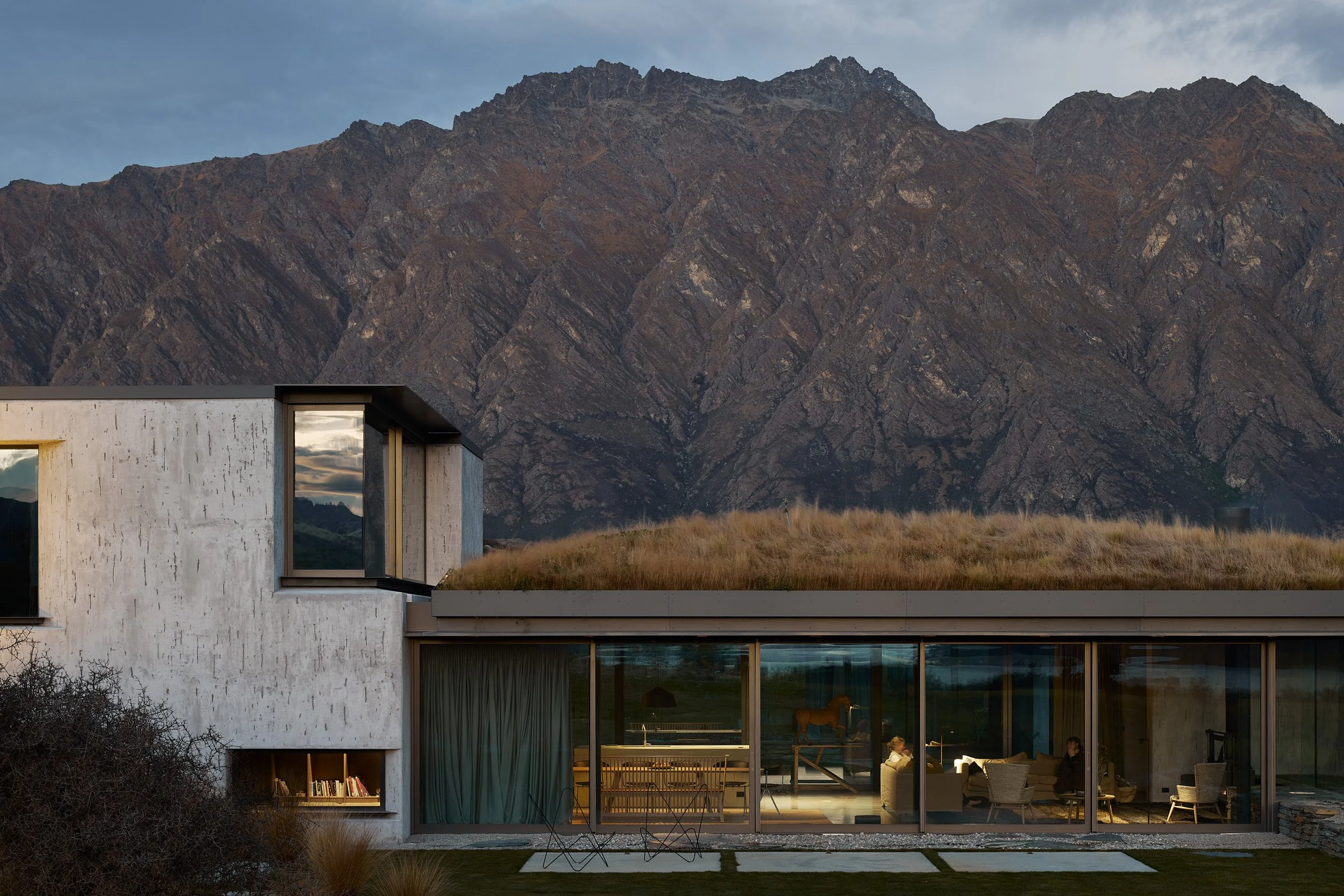
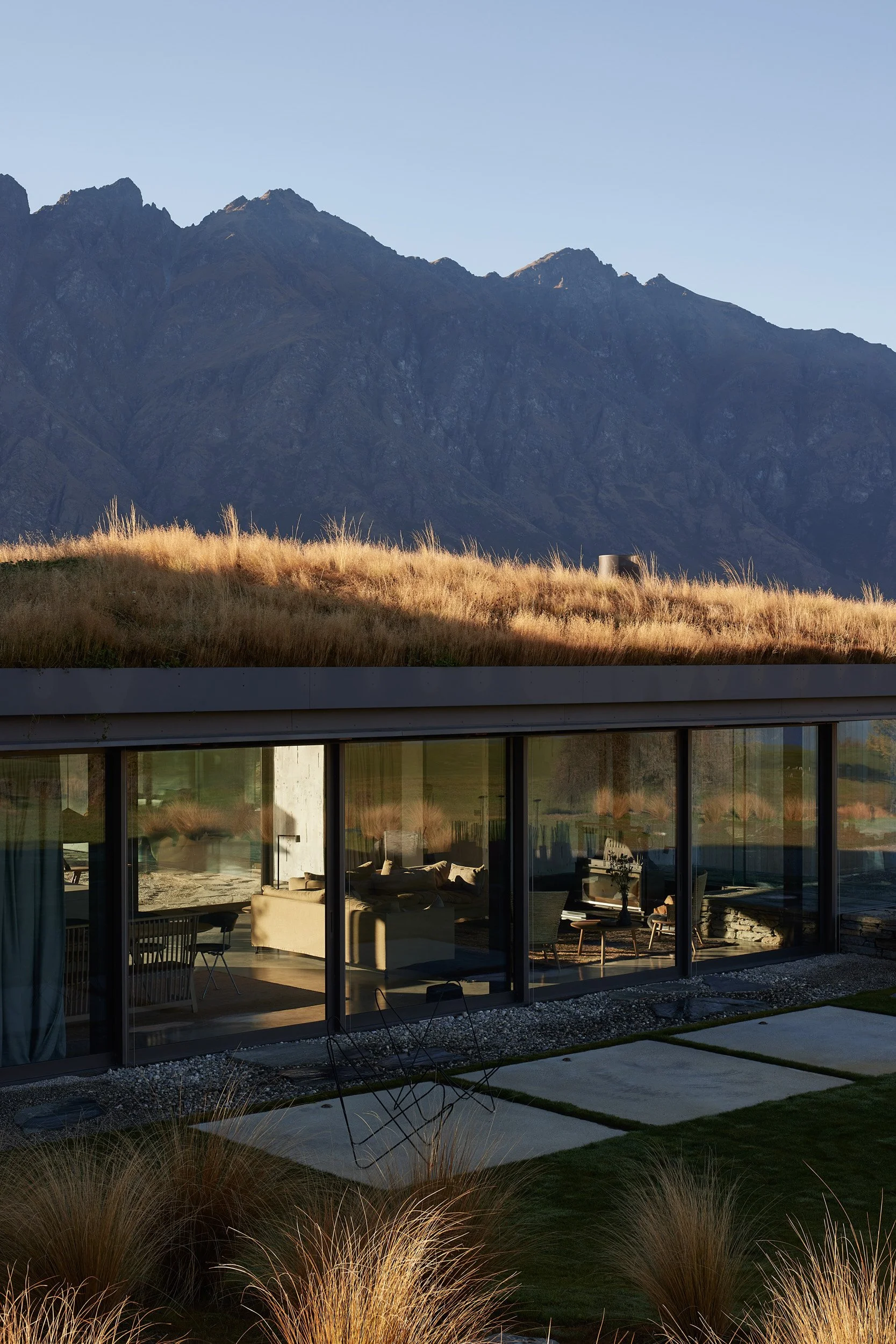
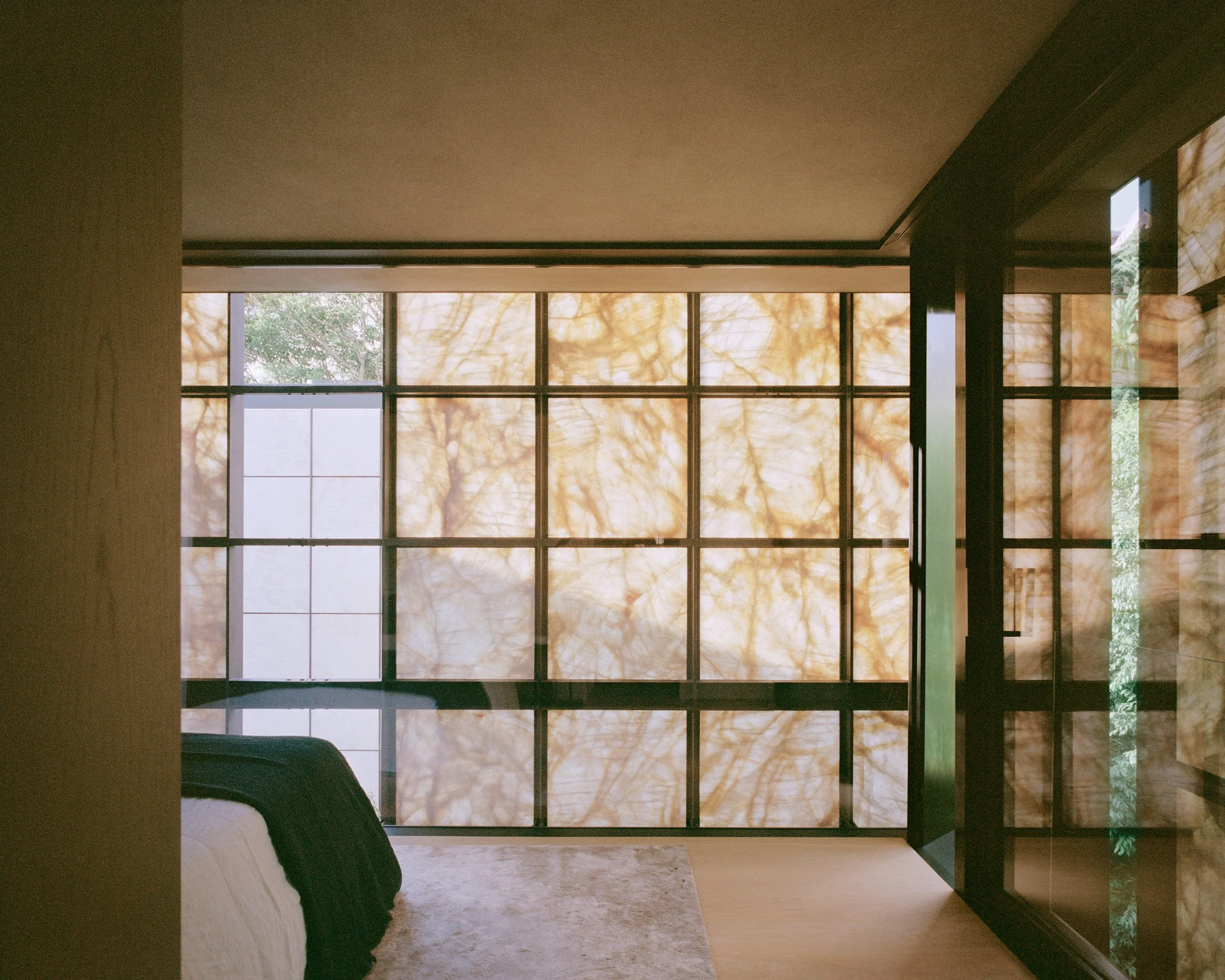
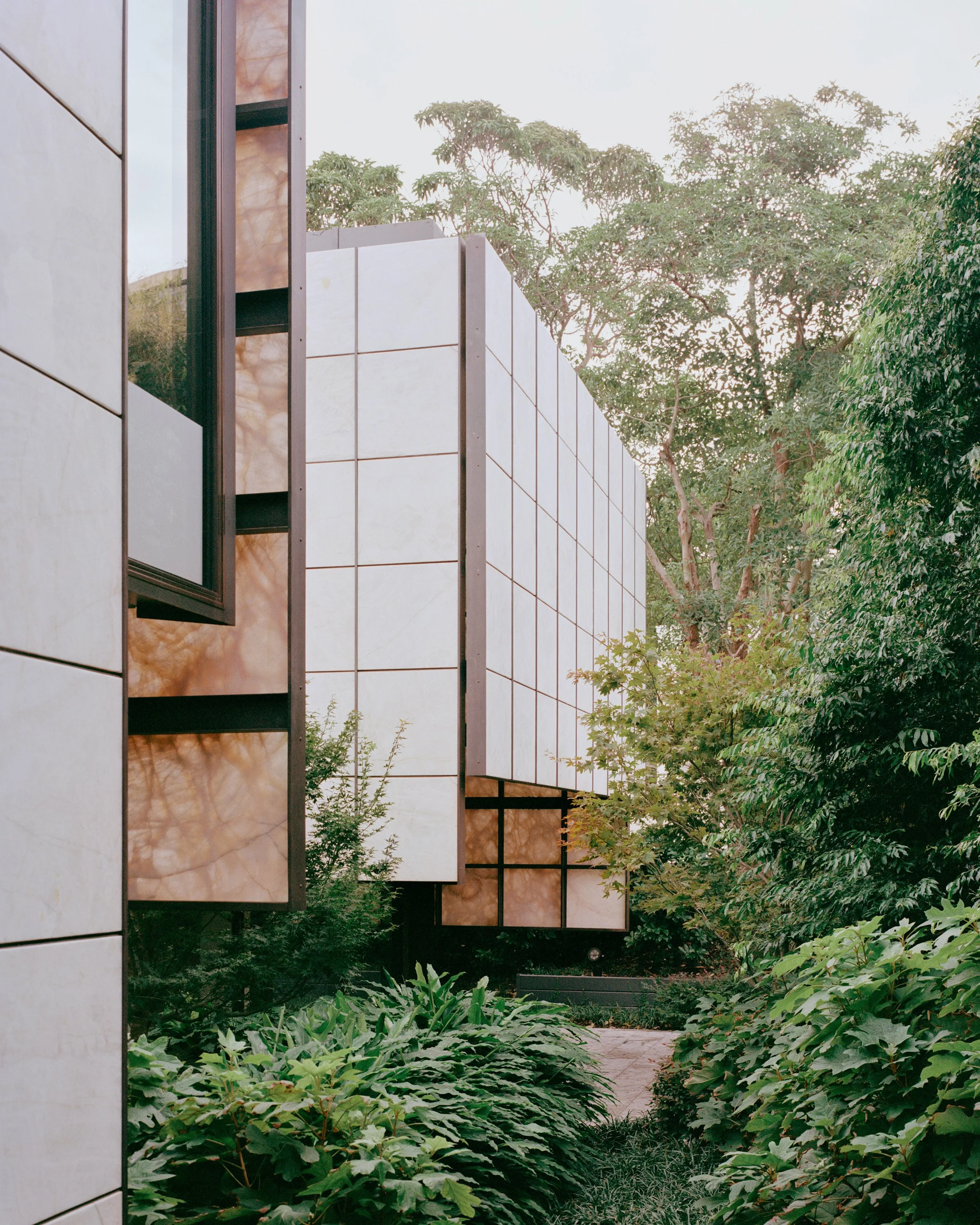
This week David and Marina of FAME Architecture & Design are joined by Tim Hay, co-founder of Fearon Hay. The three discussed the visibility of architecture ideas & process, realities of achieving architecture design, the business of architecture practice, architecture community helping young architects, Fearon Hay studio size and operations, local vs international projects, client relationships, working on different project types, architects in public policy and development, what Tim would do instead of architecture, his favorite building, and more. Enjoy!
ABOUT TIM
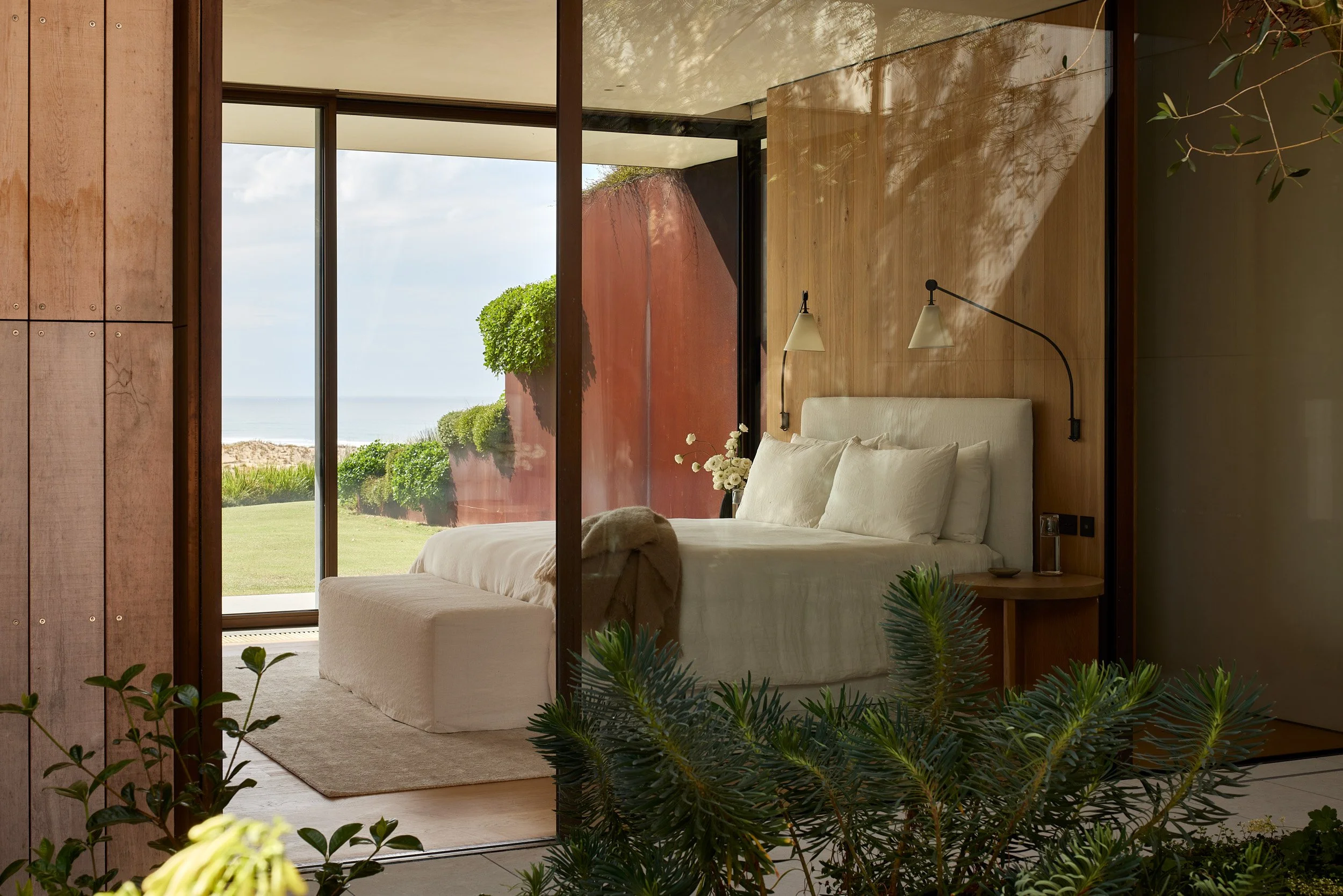
Fearon Hay is a design-led studio undertaking a broad range of projects in diverse environments, the firm is engaged in projects on sites around the world.
Tim hay and Jeff Fearon founded the practice in 1998 as a way to enable their combined involvement in the design and delivery of each project. Together, they lead an international team of experienced professionals.
The studio approaches every project with a commitment to design excellence, a thoughtful consideration of site and place, and an inventive sense of creativity. Fearon Hay enjoys responding to a range of briefs: Commercial projects for office and workplace, complex heritage environments, public work within the urban realm or wider landscape, private dwellings, and detailed bespoke work for hospitality and interior environments.






TIMESTAMPS
(00:00) Visibility of architecture ideas & process.
“These small physical models are such visual tools. I find when they're sitting in my peripheral vision, and it might not be what we're working on at that time, but the visibility of them means that those moments where your mind or your eyes wander, you capture a glimpse of them, you look at it, pick it up, rotate it, and you think about it. You participate in a process of design that I don't think happens in the digital modeling world. I remember seeing the images of Frank Lloyd Wright's studio with screeds of paper and people drawing, the visibility of the production and working was incredible because there was a sense of visible creation.” (08:03)
(16:49) Realities of achieving architectural design.
(21:08) Business of architecture practice.
(31:23) Architecture community helping young architects.
(36:20) Fearon Hay studio size & operations.
(40:08) Local vs international projects.
“We go beyond just trying to understand what the client wants. We want to know everything about the area. We bring a set of thinking and ideas that are unique because of where we are from [New Zealand]. As we export that thinking. There's this sensitivity to being an outsider and needing to learn, not just through online research, but forming relationships, meeting people and other architects, the openness and the giving that we are so lucky to receive. When we find ourselves in these different places, we dive into so many different parts of it to try and understand it. Building this foundation for the design and creative process is a really important part of feeling confident to design in those places, because we haven't been blasé or naive. We have invested in the place.” (44:42)
(48:46) Client relationships.
(56:15) Different project types.
(01:06:04) What would Tim do instead of architecture?
“There are the best parts of the cities and the parts that aren’t fantastic. You think about what would make that place better. What's missing? Sometimes it’s not significant things, maybe it’s bits of missing infrastructure. If part of what we do in the future is seeing these issues and actually being responsible for initiating development solutions or opportunities that enhance cities or communities, that fascinates me. We're not just waiting for someone else to come up with the idea and take that initiative. We can start looking at problems that exist and opportunities to make places greater.” (01:10:17)
(01:15:44) Architects in public policy & development.
“People talk about education and how you would bring up a child in the best possible way. If they apply that sort of thinking and sensitivities to cities, you'd say, “Oh my God, it's terrible. This child can't grow. It's awful. It's got no ability to imagine a future because of the constraints.” The world has a lot of pressure at the moment, so many problems to be solved. But if there was a sense of opportunity and optimism, so that the places that we all lived in had a sense of exciting vision for the future, 30, 40, 50 years from now, so that our children and their children have a sense of where it might go. Those visions don't really exist.” (01:16:36)
(01:27:31) Tim's favorite building.
HAVE QUESTIONS OR SUGGESTIONS?
TEXT/CALL OUR HOTLINE
213-222-6950

#475 - CHANGING THE STUDIO AND BEING A PARENT
SUMMARY
This week David and Marina have a casual chat about changing the studio setup and being parents. Enjoy!
